
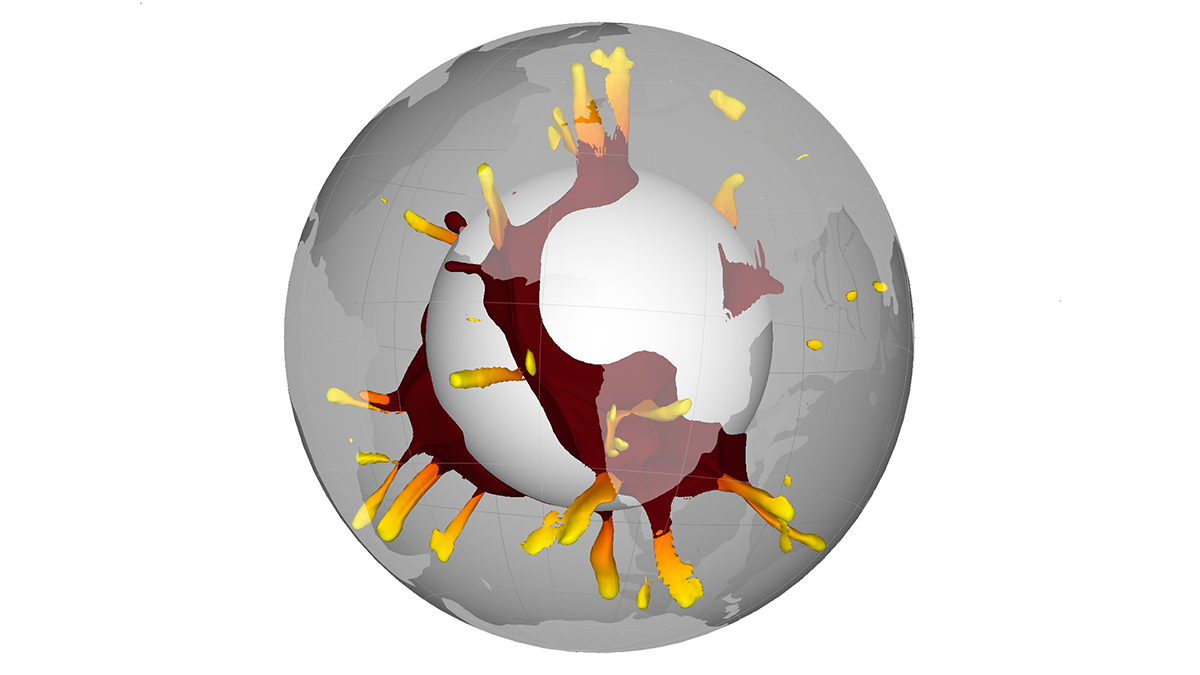
For decades, scientists have suspected that large volcanic eruptions have their origins in two mysterious massive regions at the base of our planet’s mantle. Now, it’s been statistically proven.
paleomagnetism
Posted inEditors' Highlights
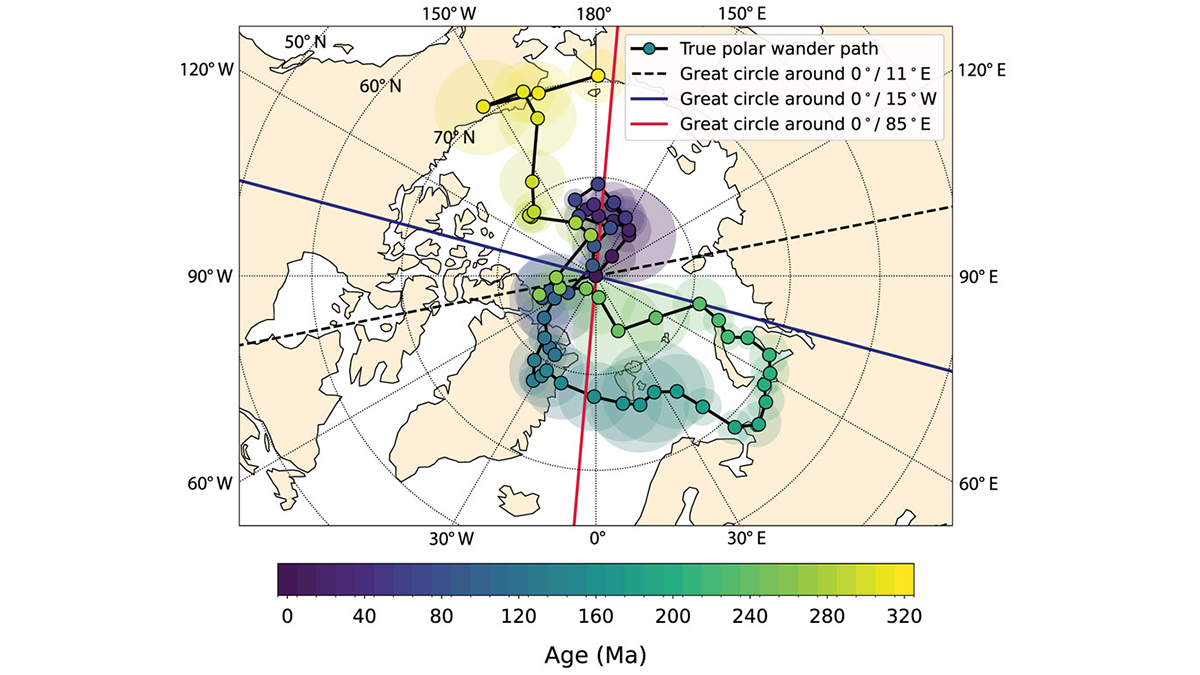
300 Million Years of Polar Wander: Slowly but Surely
A reanalysis of paleomagnetic poles provides tighter bounds on the style and rate of motions of our whole planet with respect to its rotation axis.
Posted inEditors' Highlights
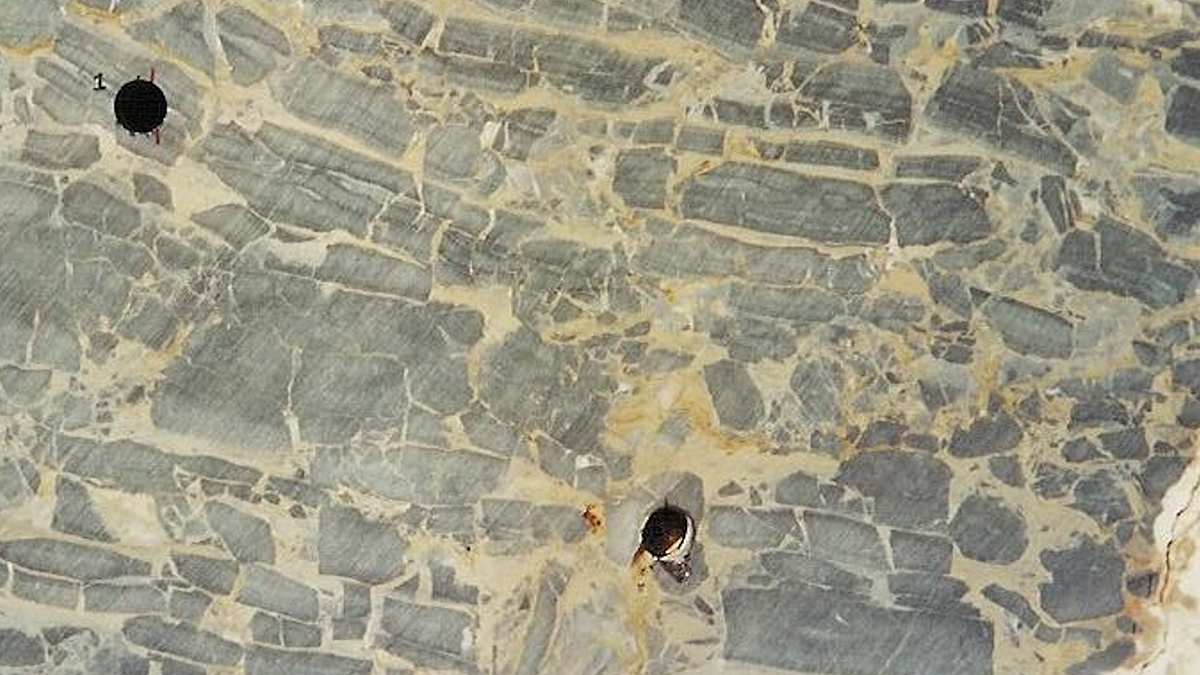
Remagnetization Illuminates Tectonic Consolidation of Megacontinents
New rock and paleomagnetic research give evidence for prolonged heating during the Cambrian-Ordovician tectonic consolidation of West Gondwanaland.
Posted inEditors' Highlights
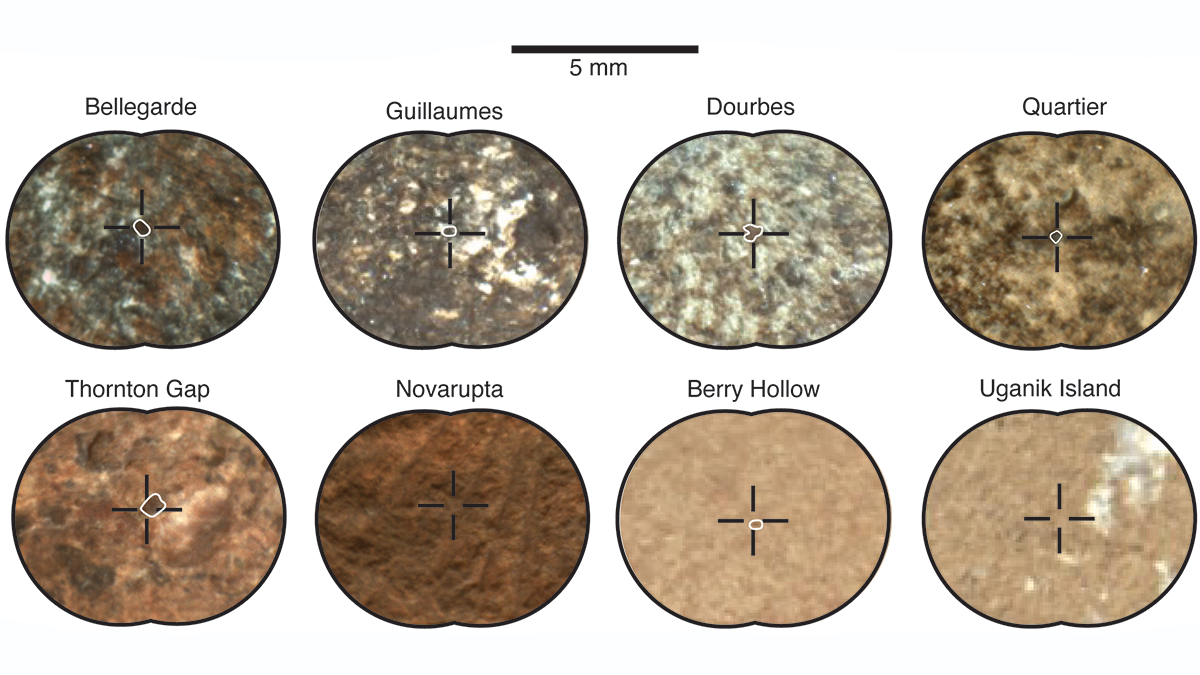
The Future of Martian Paleomagnetism
Samples collected by the Perseverance Rover have great potential for providing insights into the history of Mars’ magnetic field.

Posted inNews
A Magnetic Low May Have Paved the Way for Complex Life
Multicellular life blossomed when Earth’s magnetic field was at an all-time low.
Posted inEditors' Highlights
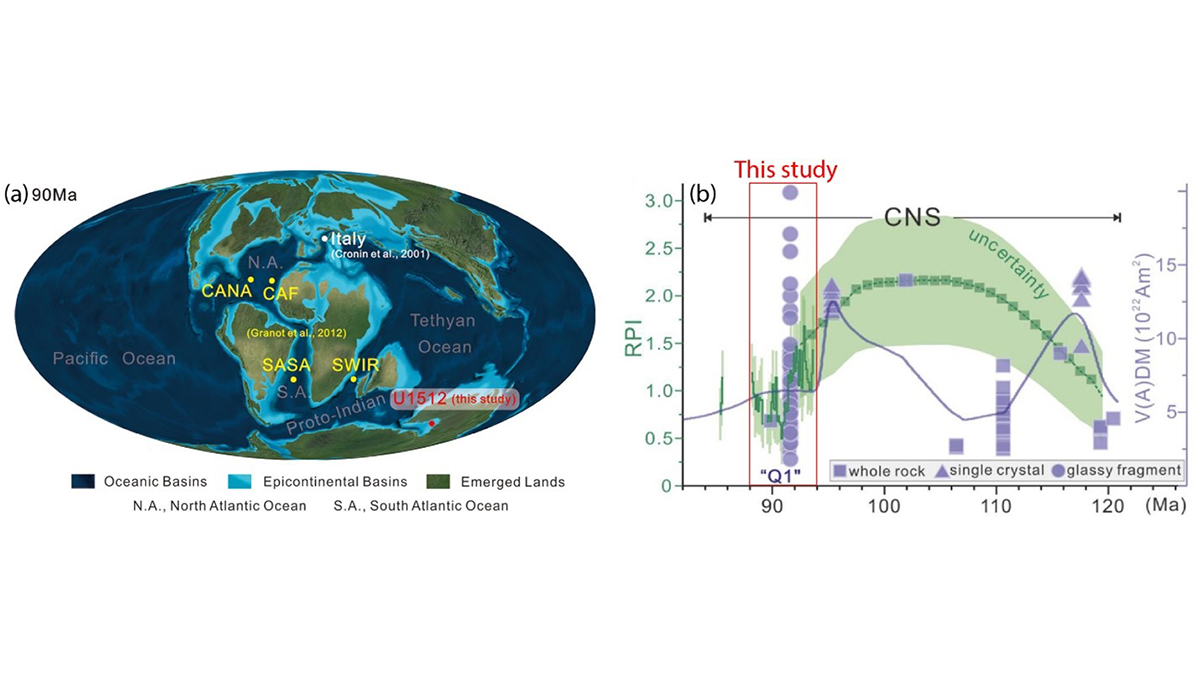
The Not-So-Quiet Cretaceous Quiet Zone
A new study finds that Earth’s magnetic field intensity varied significantly during the Cretaceous Normal Superchron, providing insights into the operation of the geodynamo during superchrons.
Posted inEditors' Highlights
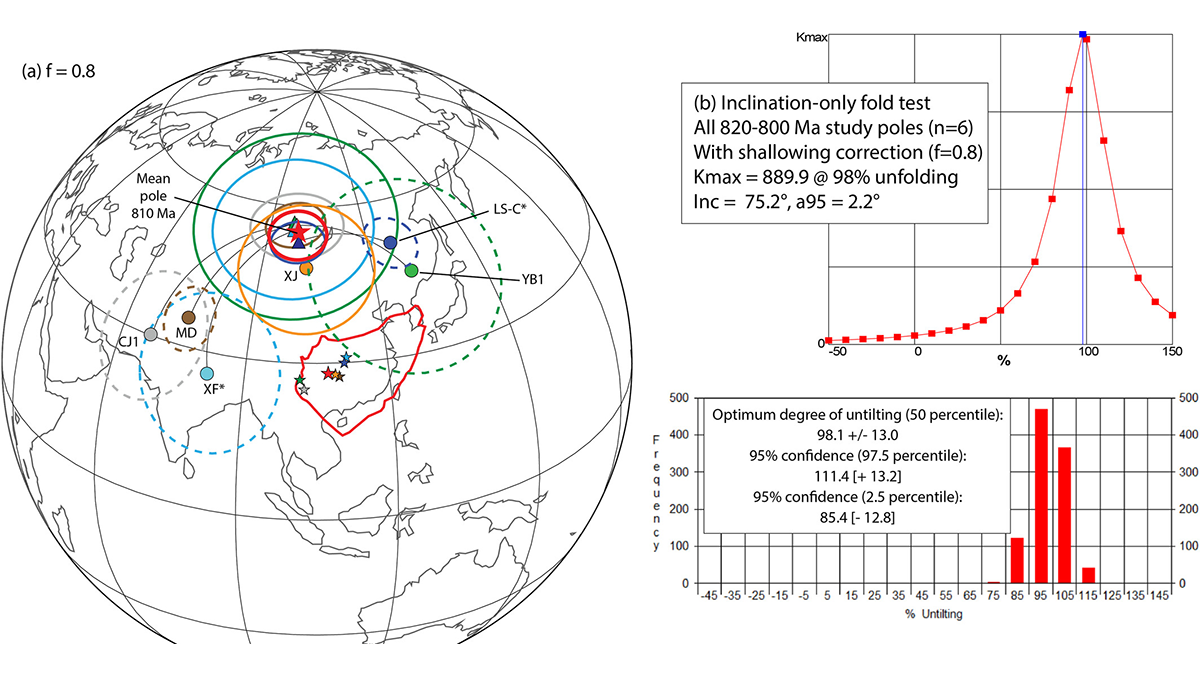
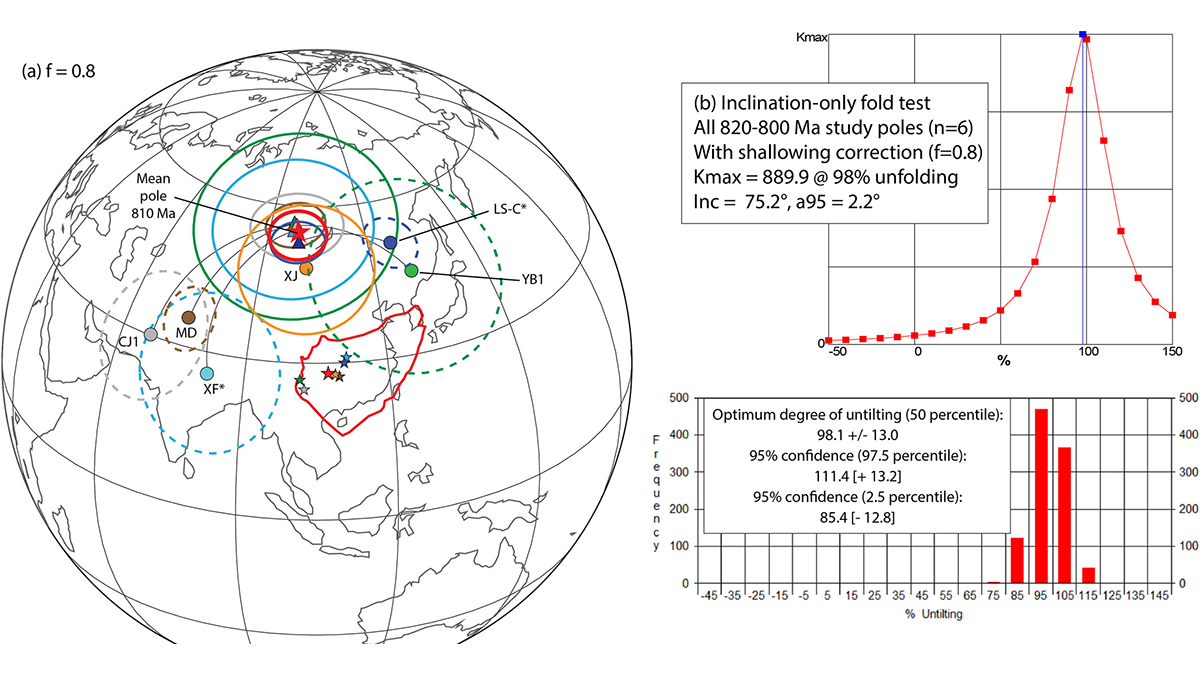
GAD is Enough!
An exhaustive study in China finds no need to invoke extreme true polar wander nor anomalous geomagnetic fields in the early Neoproterozoic.
Posted inEditors' Highlights
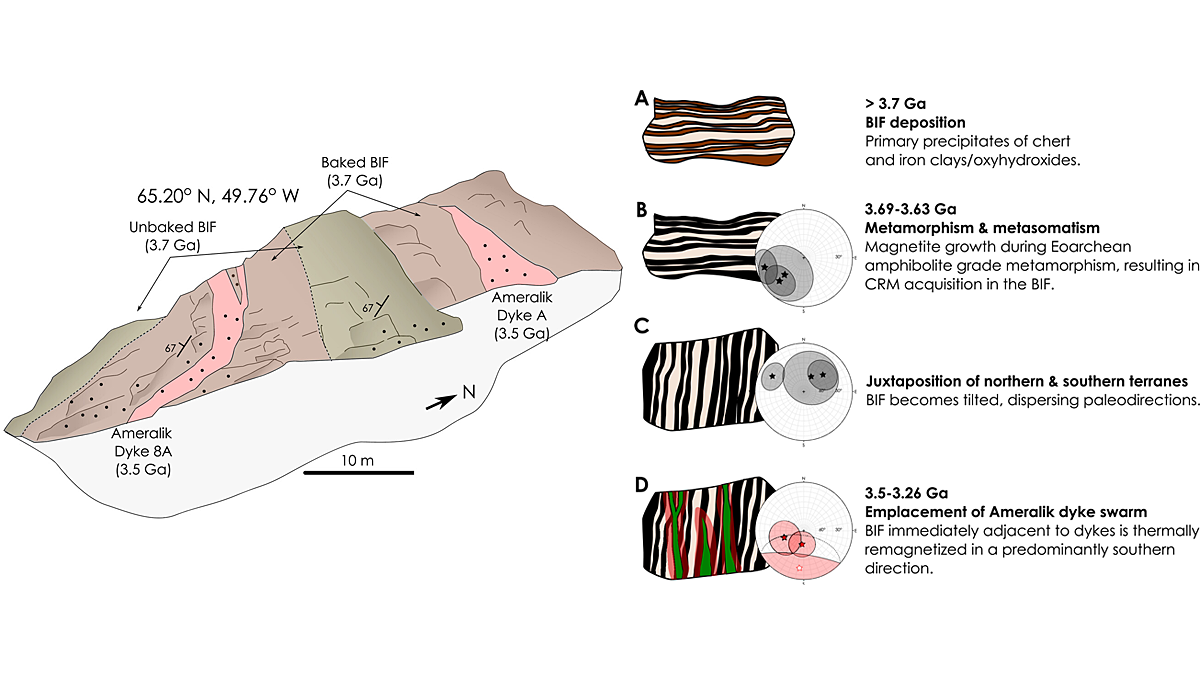
Greenland Could Have Records of 3.7-billion-year-old Geomagnetic Fields
Scientists argue that paleomagnetic field tests preserve a geomagnetic field record acquired as chemical remnant magnetization in banded iron formations in southwest Greenland.
Posted inEditors' Highlights
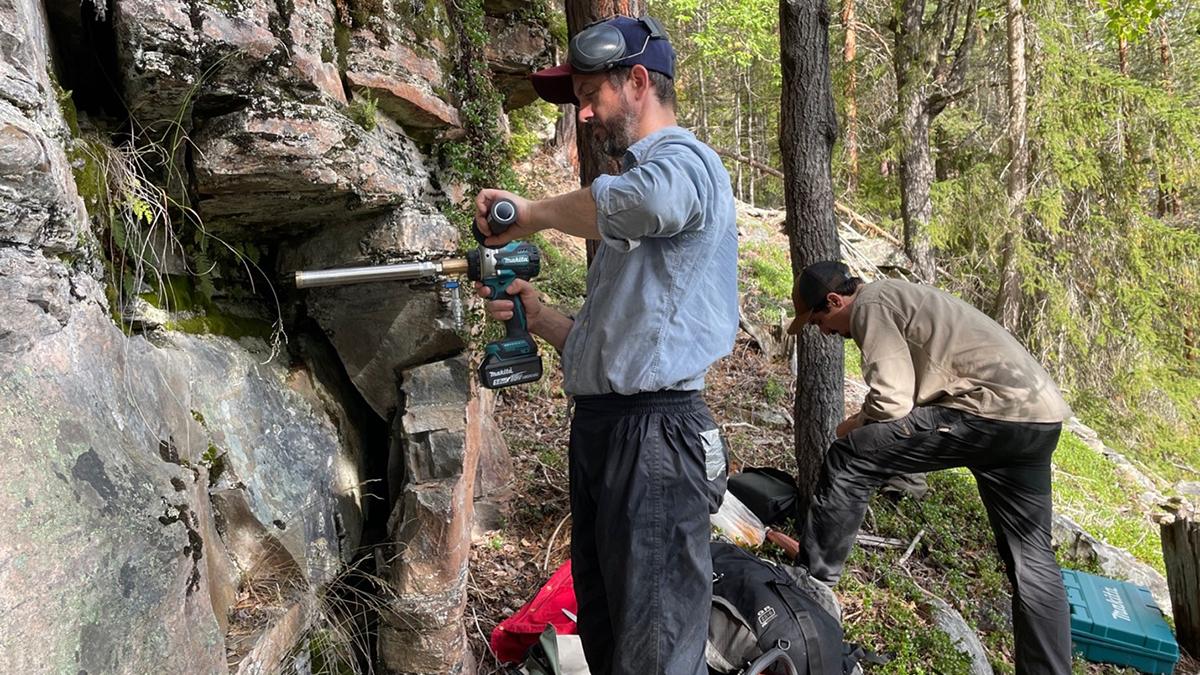
Should I Stay or Should I Go…To Another Paleomagnetic Site?
When collecting a finite number of paleomagnetic samples, having more sites, each with only one sample, achieves superior results compared to sites with multiple samples.