

The 27 September 2026 landslide on the Kaligandaki River in Nepal
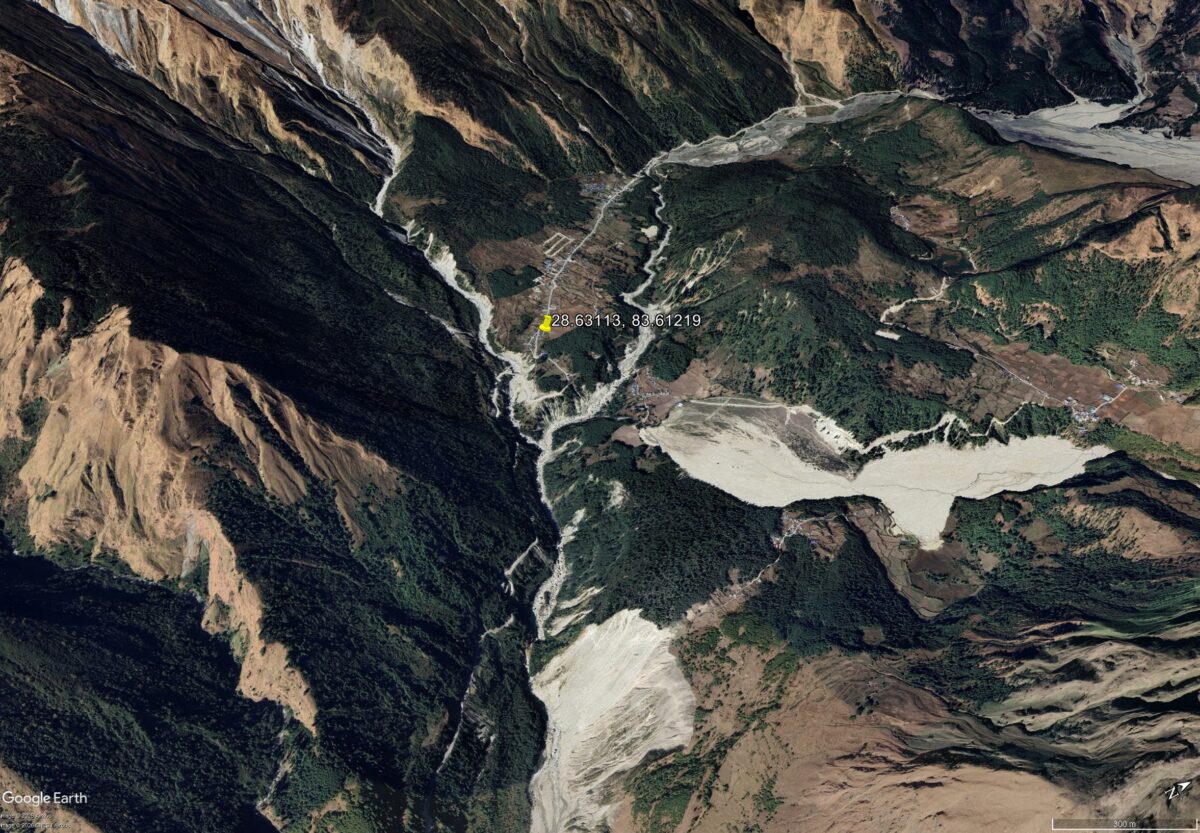
Videos show a large landslide on the Kaligandaki River at Lete in Mustang. On 27 September 2026, a large landslide occurred on the Kaligandaki River in Nepal. The landslide, which was triggered by heavy rainfall over the last few days, has been widely shared on social media. The Straits Times has posted a version to Youtube, although there are many more versions on social media platforms. I note also that all of these reports are somewhat vague:- The location is reported to be Lete, although this is difficult to pin down. It appears to be in the area of [28.63113,…
A late monsoon sting in the tail for Nepal
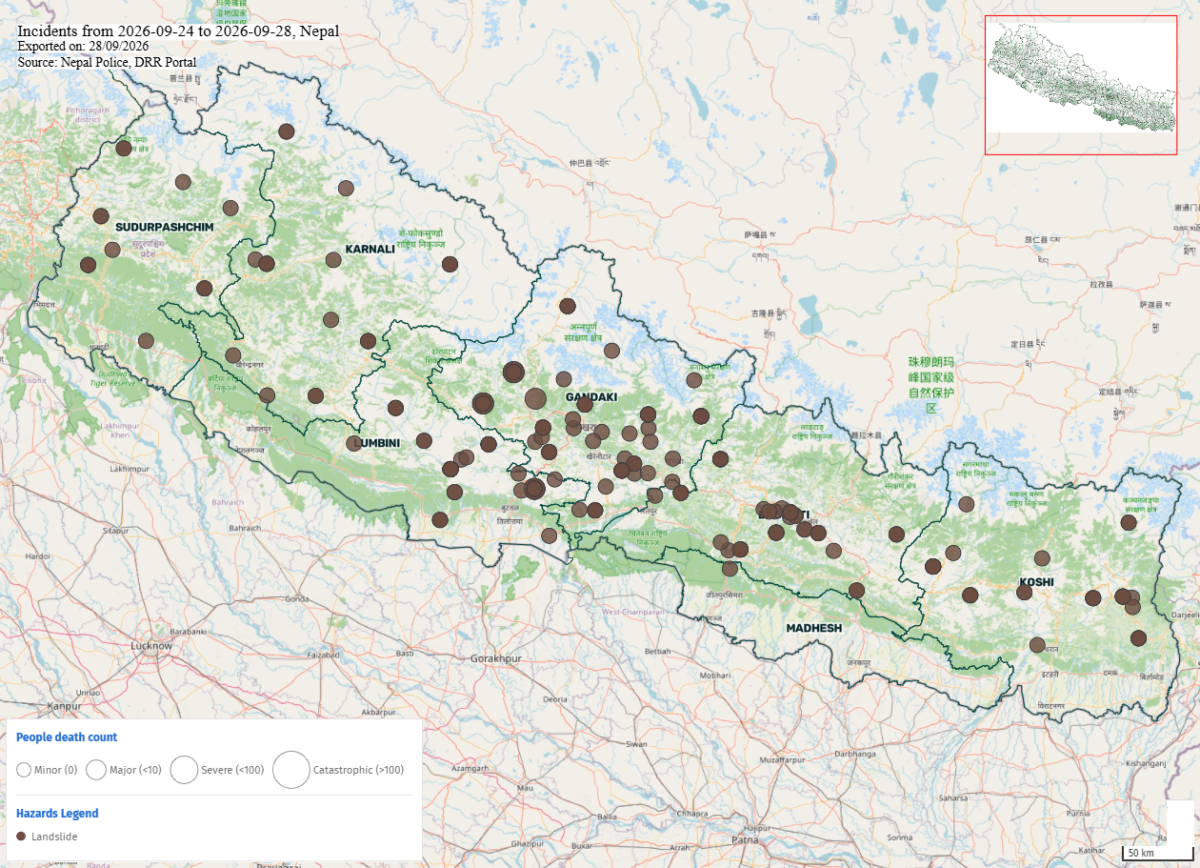
Heavy rainfall in Nepal since Thursday has triggered 285 landslides, leading to 15 fatalities with a further three people missing and three people injured. Over the weekend, Nepal (and Sikkim in India) suffered a late monsoon rainfall event that has led to multiple landslides, some of which have to fatalities. The Kathmandu Post has a good article describing these events, whilst the Himalayan Times describes the ongoing rescue operations. Nepal records all hazard events on its Bipad portal. This is the map of landslides since Thursday 24 September:- Whilst all of the country has been affected, there is a distinct…
The 23 September 2025 landslide dam breach on the Matai’an River in Taiwan
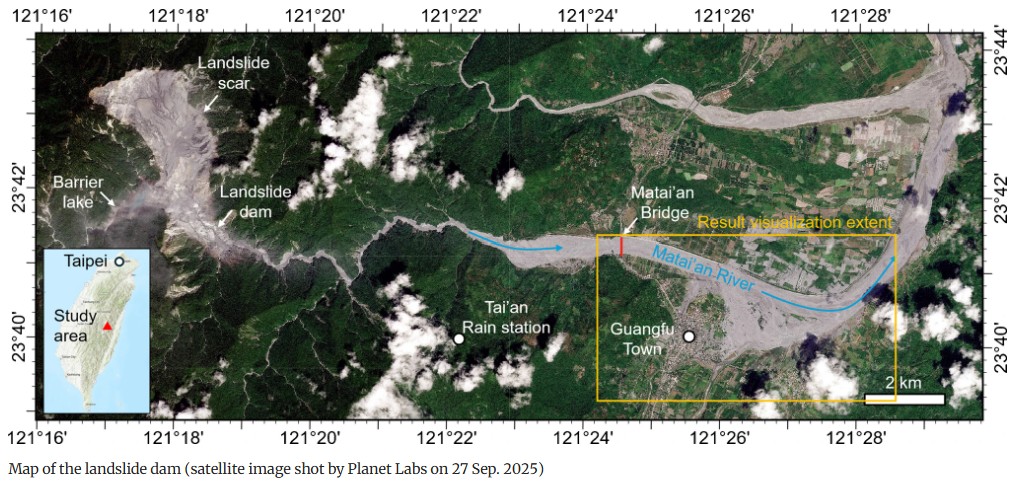
A new paper (He et al. 2026) in the journal Landslides describes the breach of a massive landslide dam in Taiwan, which killed 24 people. On 23 September 2025, a large landslide dam (located at [23.715, 121.299]) on the Matai’an River in Hualien County in Taiwan catastrophically breached, releasing a flood that left 24 people killed or missing, with a further 156 people injured. A new, open access paper has been published in the journal Landslides (He et al. 2026) that describes both the landslide and the resultant flood. The paper is published under a Creative Comms licence too (so…
Multiple fatal landslides from Typhoon Dujuan in Japan
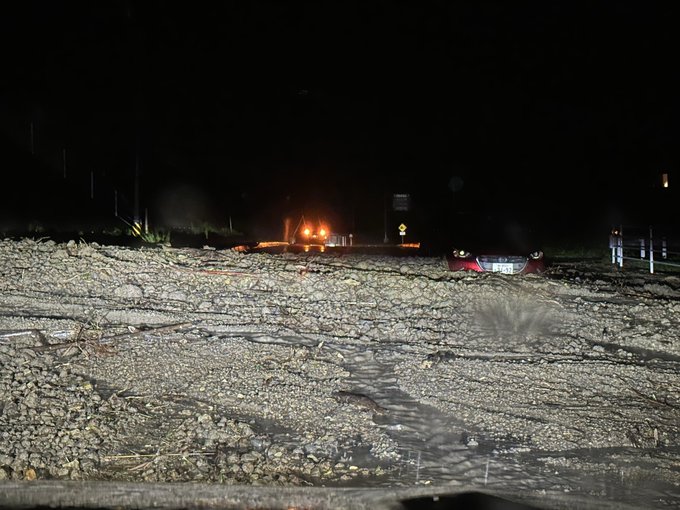
In Japan, record breaking rainfall associated with Typhoon Dujuan has triggered at least six fatal landslides in the Kanto region. Over the last 24 hours or so, rainfall associated Typhoon Dujuan has swept across the Kanto Region in Japan, bringing exceptional (and in some cases record breaking) rainfall. There are multiple reports of landslides, some…

Landslides in a changing climate – my forthcoming inaugural lecture
On Wednesday 7 October 2026 at 6 pm I will deliver my NTU inaugural lecture entitled “Landslides in a changing climate”. This is a public lecture, so all are welcome. In UK universities, there is a long tradition of inaugural lectures for newly appointed professors. Wikipedia describes an inaugural lecture as follows:- “An inaugural lecture is a…
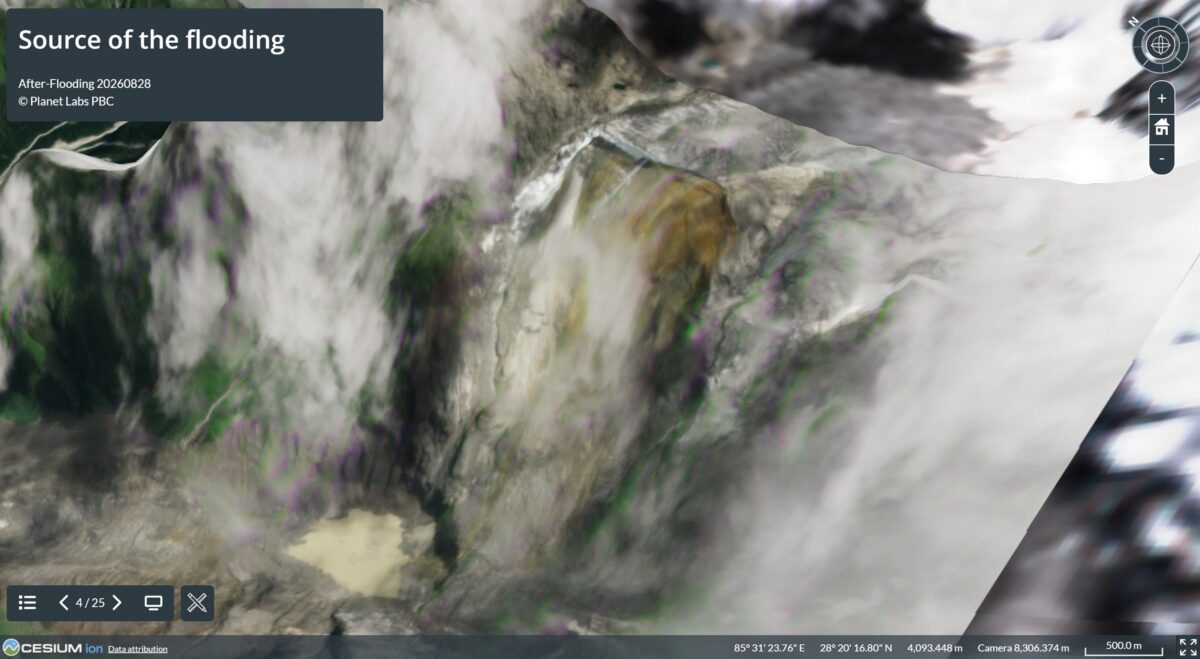
Precursory deformation for the 26 August 2026 Nepal landslide disaster
A new paper (Wang et al. 2026) suggests that the bedrock failure that initiated the Nepal landslide disaster may have displayed measurable precursory deformation. Inevitably, one of the key discussion points in the aftermath of the 26 August 2026 Nepal landslide disaster is whether the failure could have been anticipated. Opinions differ, but a key…
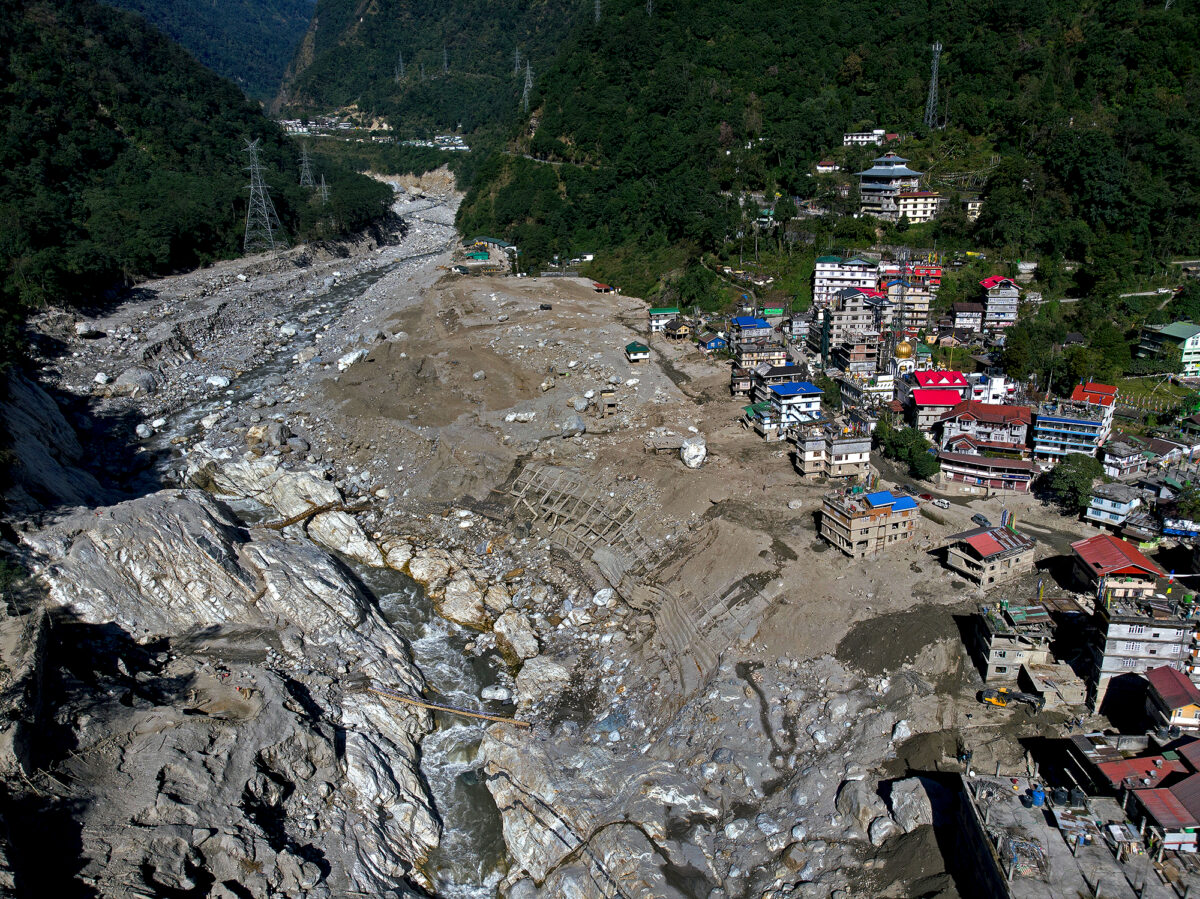
Updates on the 2026 Nepal-Tibet landslide and the 2023 Teesta Valley GLOF
The Landslide Blog is written by Dave Petley, who is widely recognized as a world leader in the study and management of landslides. In the last few days, two really interesting and useful updates have been published covering the 3-4 October 2023 GLOF in the Teesta Valley in India and the 26 August 2026 landslide…
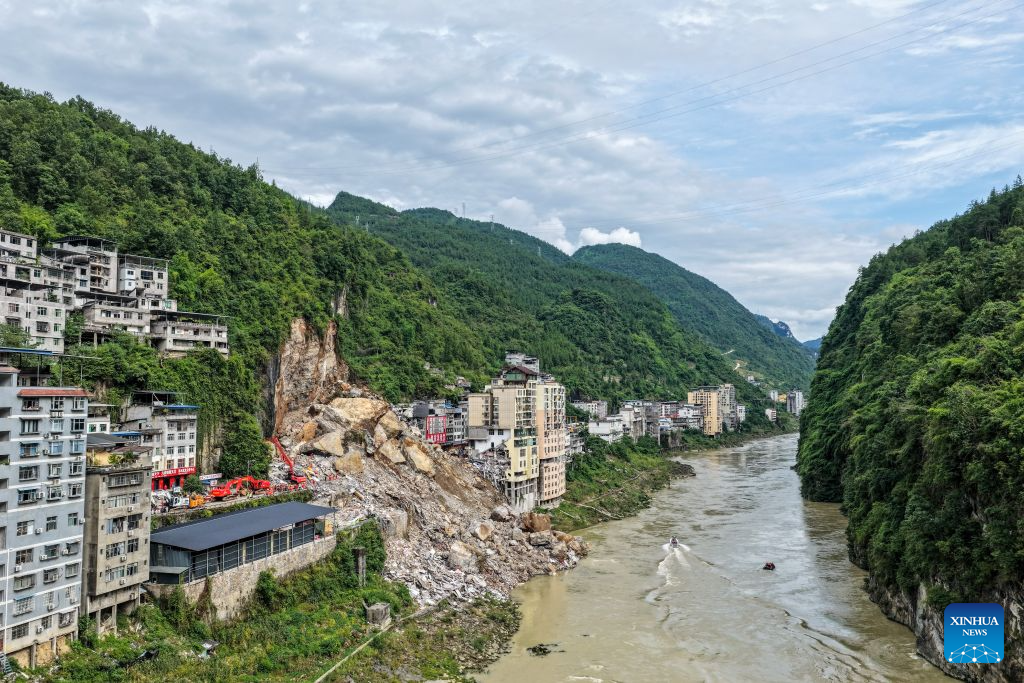
Understanding Landslides Through Case Studies
A guest post by Serge Leroueil and Luciano Picarelli A new book, Understanding Landslides Through Case Studies by Serge Leroueil and Luciano Picarelli seeks to report and summarise contemporary knowledge on slope movements and mechanisms. As is well-known on this Blog, landslides are a major natural hazard in many countries of the world. The annual…
Something went wrong. Please refresh the page and/or try again.
Connect with Dave:

About Dave

Dave Petley is the Vice-Chancellor and President of Nottingham Trent University in the United Kingdom. His blog provides commentary and analysis of landslide events occurring worldwide, including the landslides themselves, latest research, and conferences and meetings.