
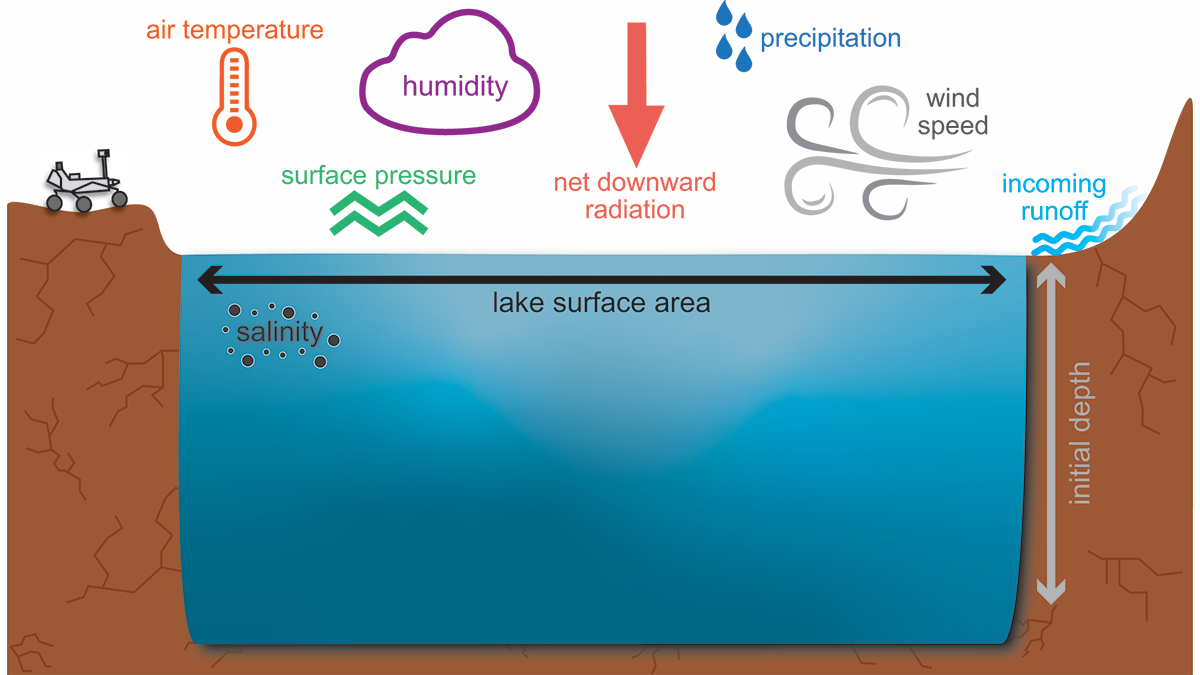
Simulations from a new lake model explain how liquid water could have been maintained over Mars in a cold climate, thus resolving a critical scientific gap in our understanding of Mars’ early history.
Alberto Montanari

Posted inEditors' Highlights
Rising Temperature and Decreasing Snow Cover Increase Soil Breakdown
With climate change and rising temperatures, soil freeze-thaw – which is in turn causing soil breakdown – may counterintuitively increase in the hillslopes where snow cover is decreasing.
Posted inEditors' Highlights
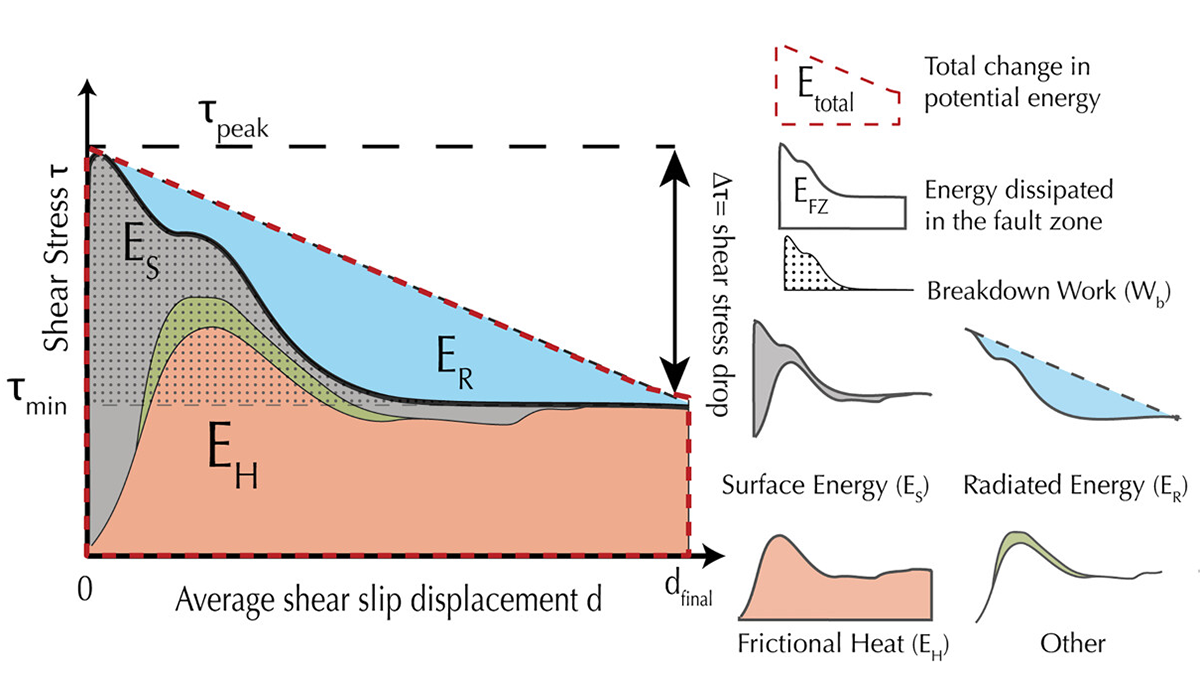
New Perspectives on Energy Sinks During Seismic Events
Laboratory earthquakes shed new light on energy partitioning during earthquakes, which is allocated to seismic radiation, creation of new surfaces, and heat dissipation.
Posted inEditors' Highlights
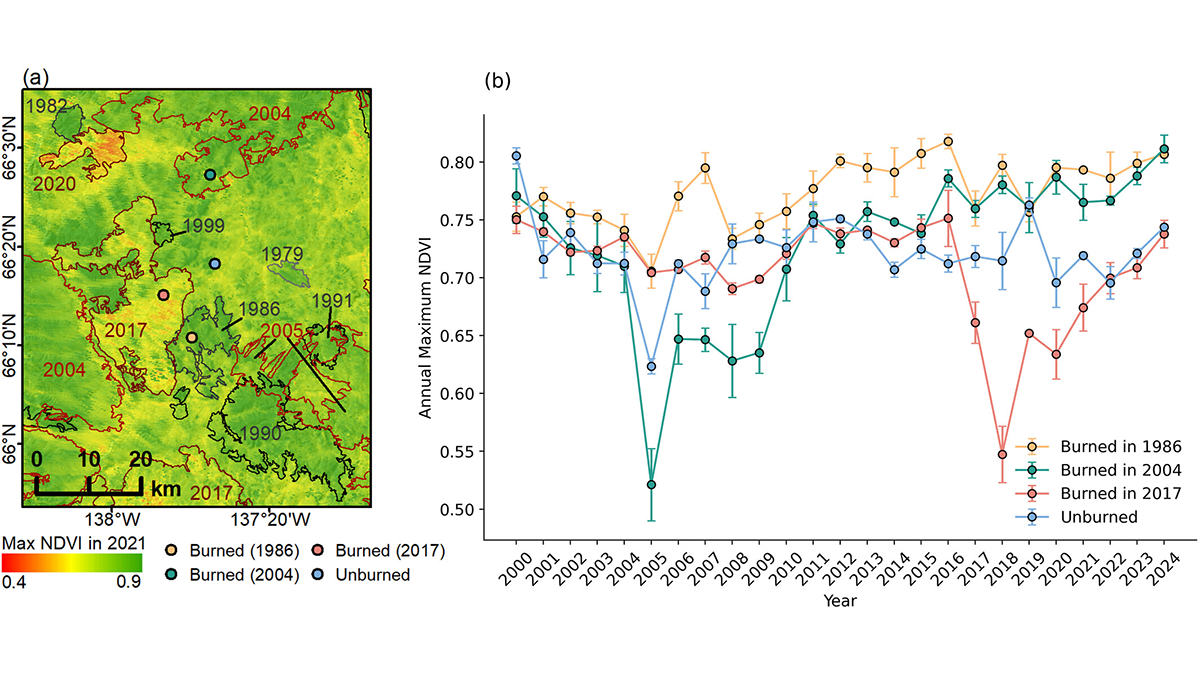
Radar Surveys Reveal Permafrost Recovery After Wildfires
Boreal-permafrost systems are still resilient against wildfires, but continuous and long-term monitoring is needed to control the impact of climate change.
Posted inEditors' Highlights
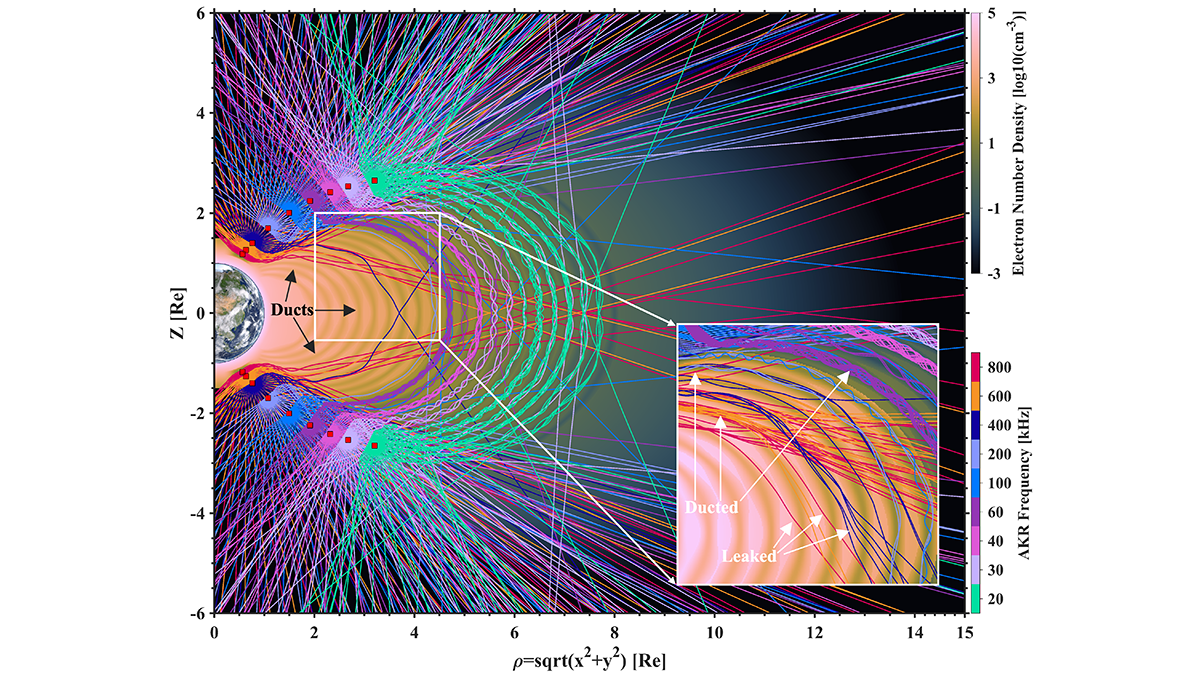
Spacecraft Surveys Shed New Light on Auroral Kilometric Radiation
Observations show low-density space channels guide Auroral Kilometric Radiation, like wind through mountain tunnels, offering new insights into its occurrence and directionality.

Posted inEditors' Highlights
Why Crop Yield Decreases at High Temperatures
Scientists find that water stress drives the connection between surface temperature and crop yield loss, providing information to help improve predictions of agricultural productivity under climate change.
Posted inEditors' Highlights
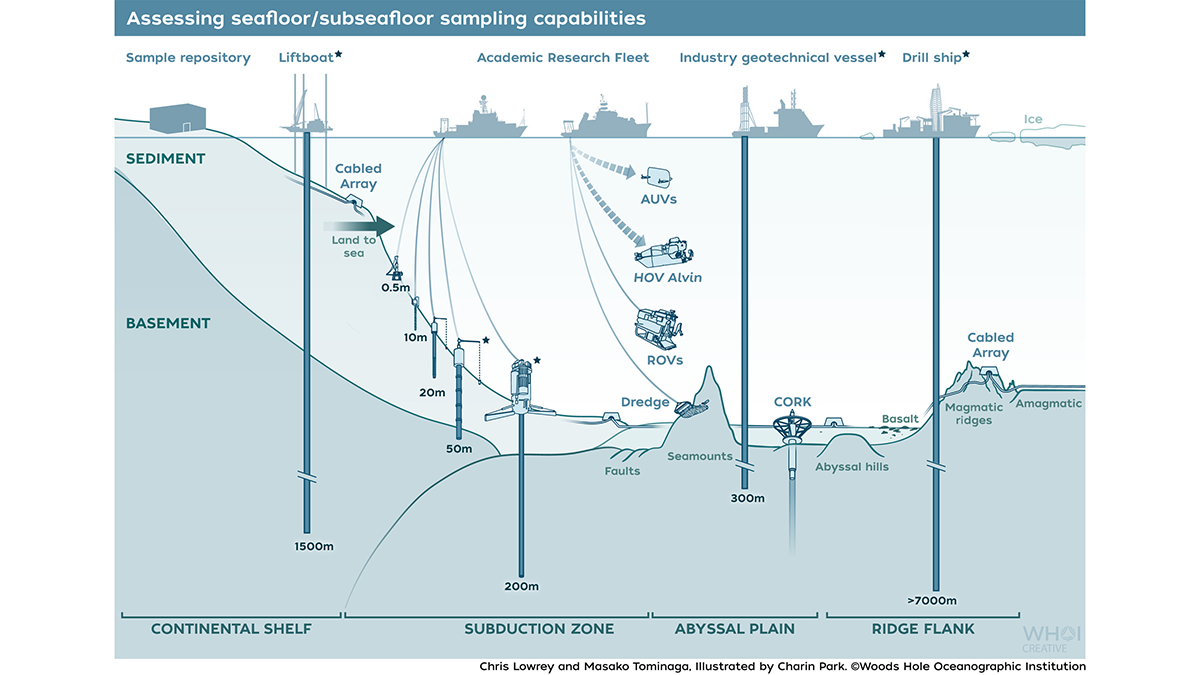
Scientists Face Limitations Accessing Seafloor Information
Recent reductions in U.S. oceanographic assets are limiting scientists’ ability to access vital materials in the ocean.
Posted inEditors' Highlights
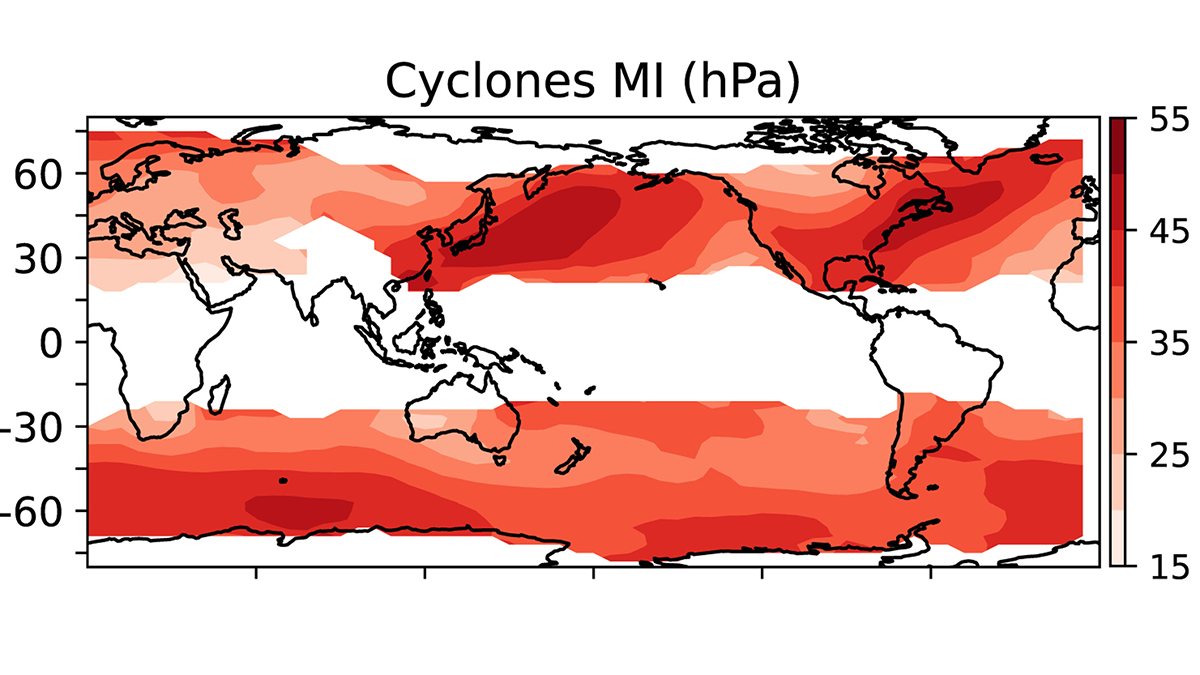
Midlatitude Storm Dynamics Better Explained by Lagrangian Analysis
Examining the growth of storms using ERA-5 reanalysis data reveals a nonlinear relationship between baroclinicity and storm activity under extreme conditions.
Posted inEditors' Highlights
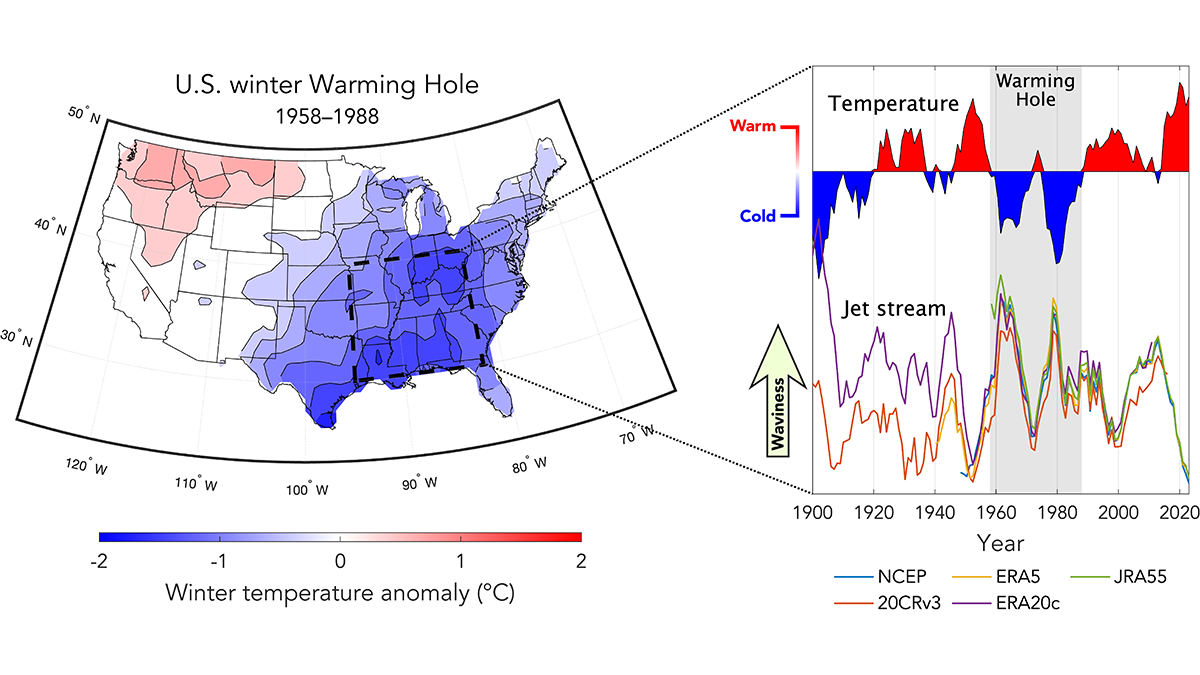
The Mid-20th Century Winter Cooling in the Eastern U.S. Explained
A new analysis of historical jet stream behavior reveals that increases in jet stream waviness accounted for 55-71% of winter cooling in the eastern United States from 1958 to 1988.
Posted inEditors' Highlights
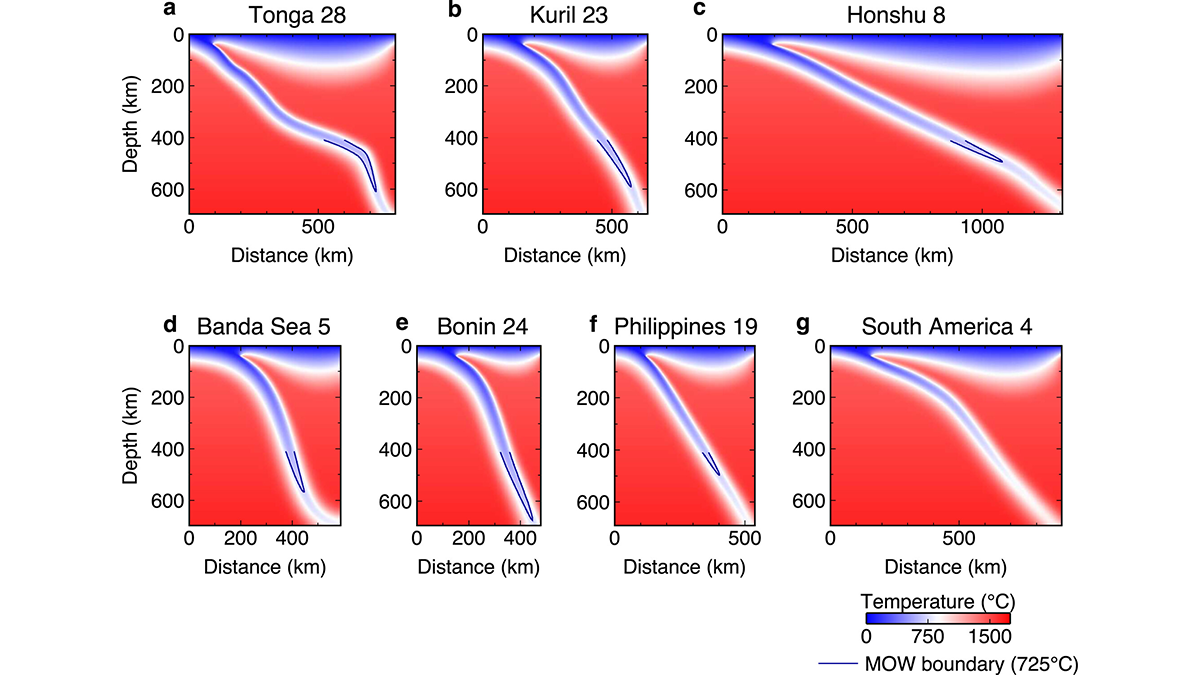
Shedding Light on the Mysteries of Deep Earthquakes
By analyzing forty deep earthquakes around the world, researchers discover the key role of a dual mechanism that allows earthquakes to grow larger and release more stress.