

Lightning could have sparked the beginnings of life, but the primordial atmosphere might have made it more difficult for lightning to initiate.
Rebecca Dzombak
Posted inResearch Spotlights
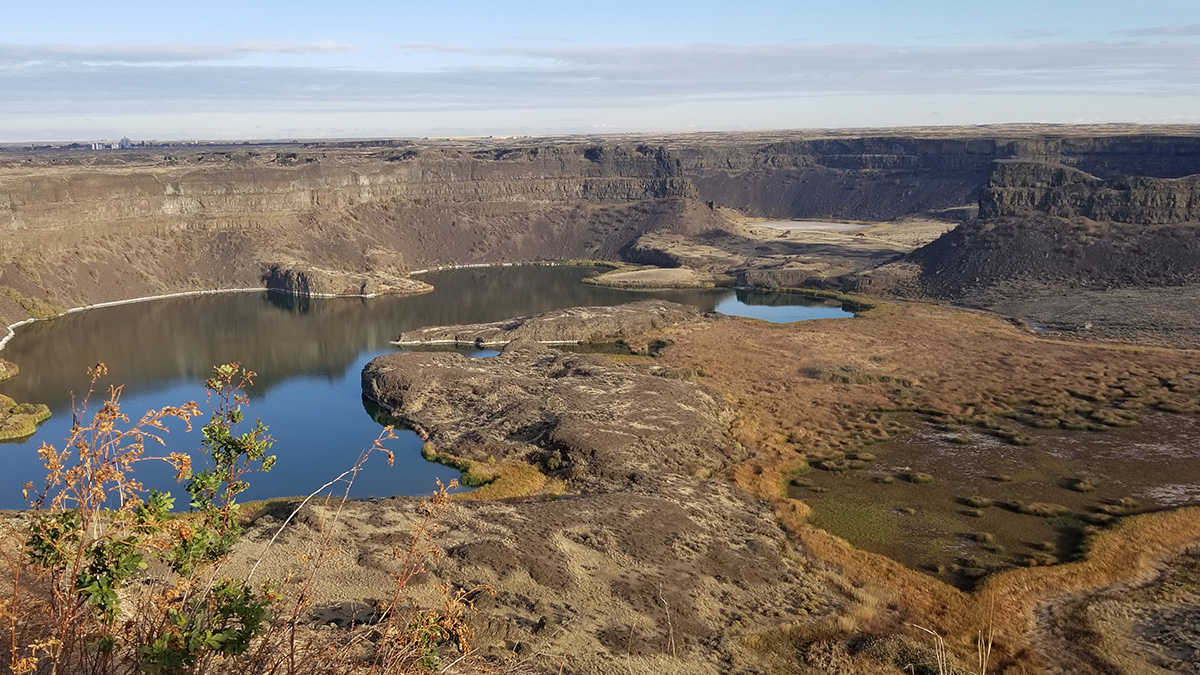
Western U.S. “Megafloods” Might Not Have Been So Mega
The flooding that carved eastern Washington State 20,000 to 12,000 years ago could have been 80% smaller than the canyons’ volume today.

Posted inResearch Spotlights
How Climate Change Shaped the Amazon’s Land and Life
Ice Age climate swings shaped the equatorial basin’s terrain—and possibly its ecology—faster than previously thought.
Posted inResearch Spotlights
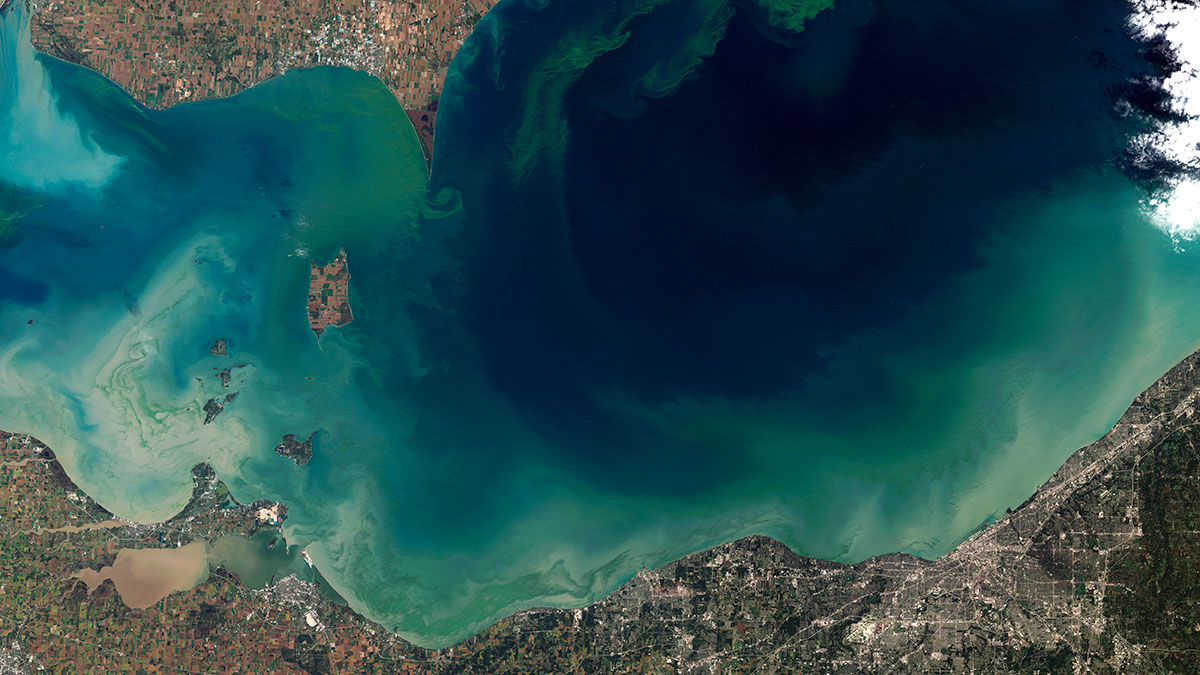
Cyanobacteria Blooms Exceed WHO Thresholds in Midwest Lakes
A study of 369 lakes across the Midwest finds that many of them, especially those close to agriculture, have high concentrations of harmful algal bloom-causing cyanobacteria.
Posted inENGAGE, Research Spotlights
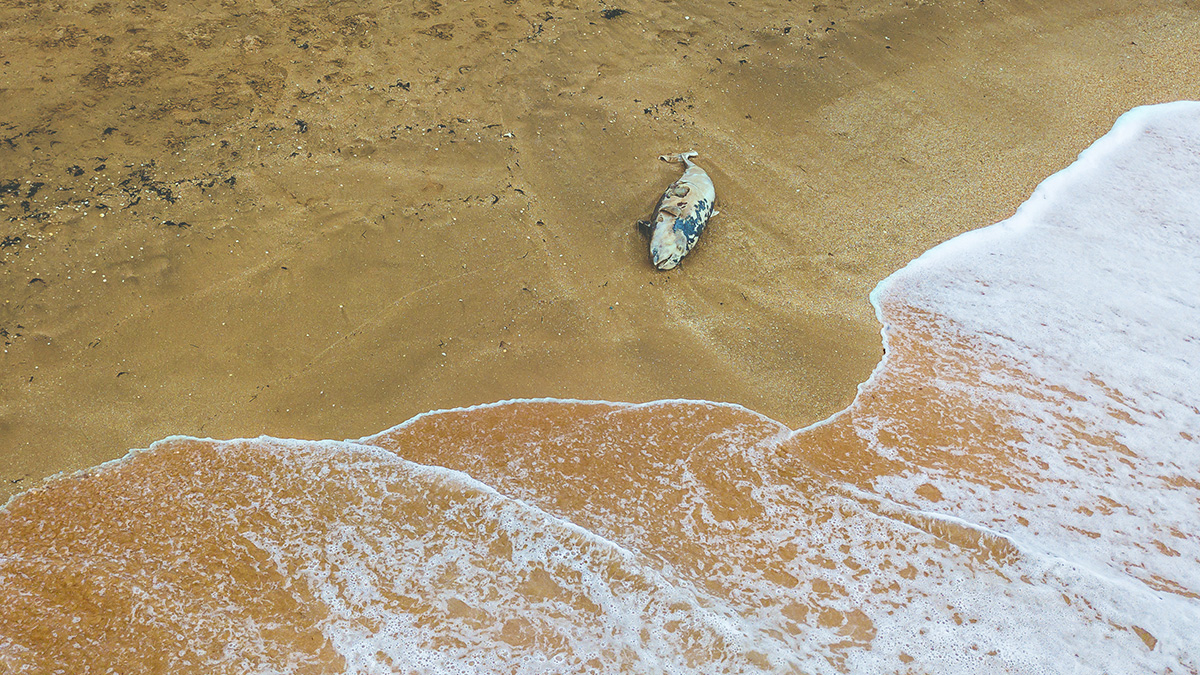
Wind and Ocean Currents May Contribute to Mass Dolphin Strandings
Coastal wind patterns correlate with mass strandings of dolphins, suggesting that storm-induced upwelling could be influencing cetaceans’ behavior.

Posted inENGAGE, Research Spotlights
Remote Work May Be Keeping Some Cities’ Air Cleaner
Widespread remote work may have kept air pollution lower than pre-COVID-19 lockdown levels even though restrictions were lifted in 2020, a new study finds.

Posted inResearch Spotlights
Extinct Style of Plate Tectonics Explains Early Earth’s Flat Mountains
The geologic record suggests that despite Earth’s hot, thin crust during the Proterozoic, mountains were still able to form thanks to an extinct style of crustal deformation.
Posted inResearch Spotlights
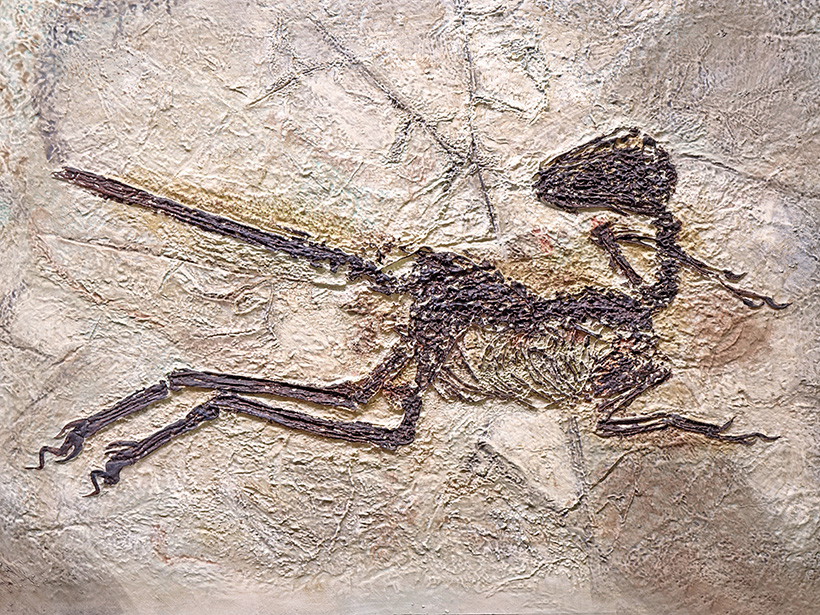
Cool Oasis for Cretaceous Feathered Dinosaurs
A new study found that the Jehol Biota had chilly temperatures and high altitudes when feathered dinosaurs roamed the slopes.
Posted inNews
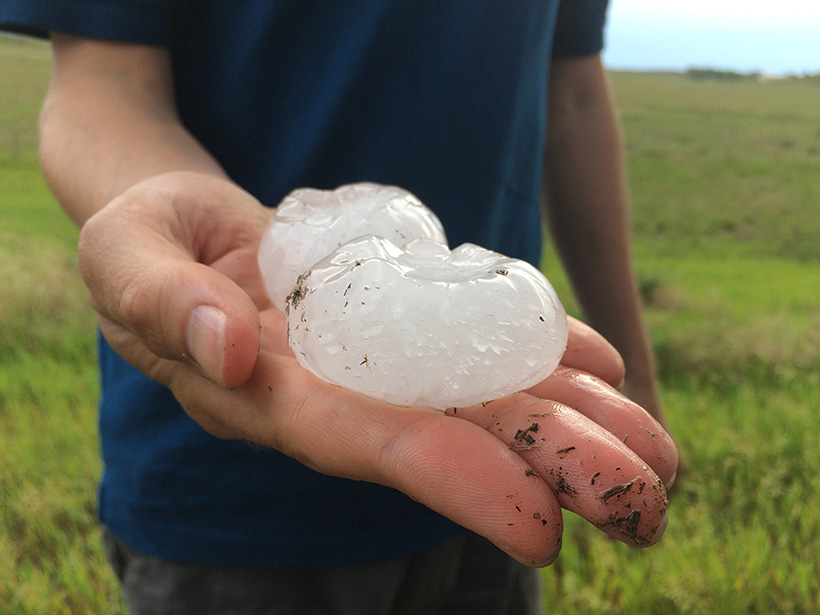
Severe Hailstorms Are Costly and Hard to Predict
Hail causes huge financial losses worldwide every year. But we still can’t predict when hail will strike. Climate scientists from around the world are teaming up to figure out how to change that.
Posted inNews
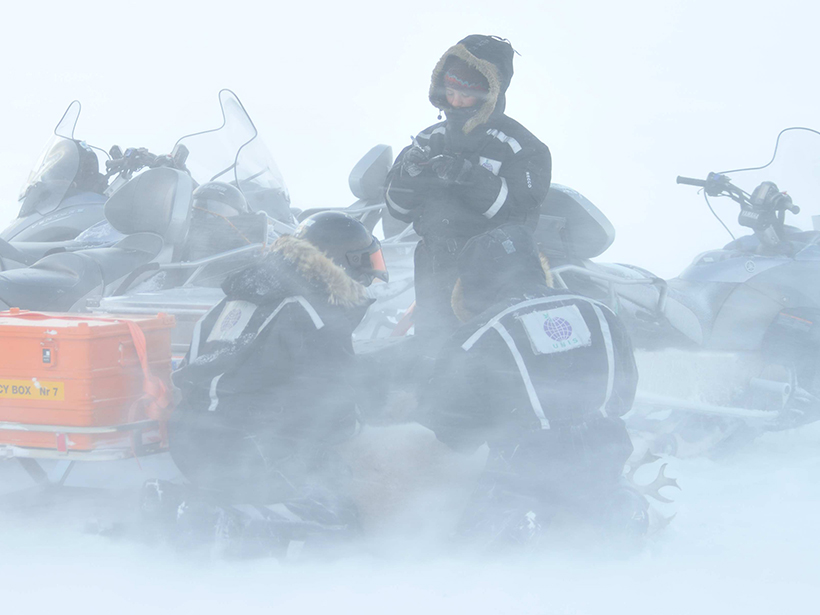
Reindeer Have to Eat Up to Survive the Winter
Arctic biologists use 25 years of data to find that warmer autumns might be enough to increase the odds of reindeer’s winter survival on Svalbard.