
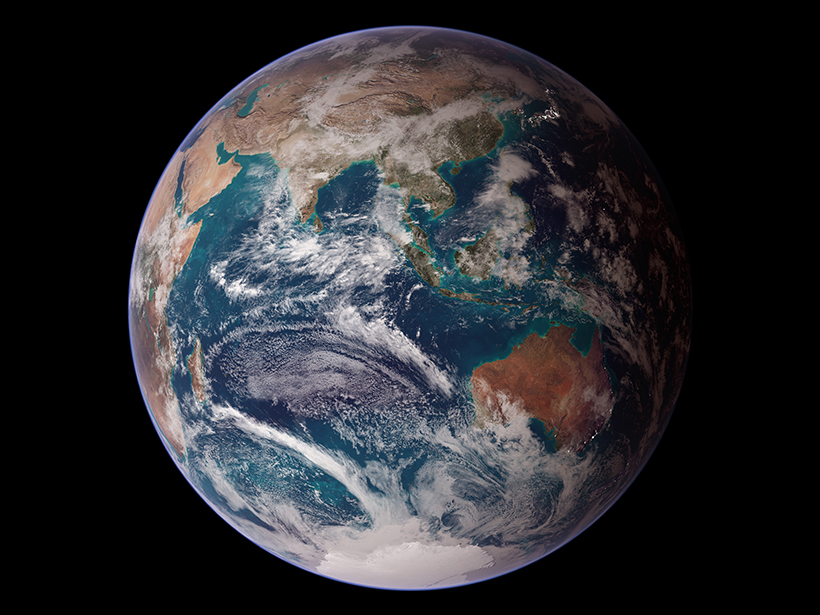

La respuesta global de la pandemia en curso puede enseñarnos cómo deberíamos y no deberíamos responder la crisis climática. Y lo más importante aún, demuestra que podemos hacer algo.

Kimberly M. S. Cartier
Kimberly M. S. Cartier, Senior Science Reporter for Eos.org, joined the Eos staff in 2017 after earning her Ph.D. studying extrasolar planets. Kimberly covers space science, climate change, and STEM diversity, justice, and education

Posted inNews
Podcast: A Modern Way to Look for Aliens
The search for extraterrestrial intelligence is undergoing a 21st century transformation. The field is poised to lead the way as an example of interdisciplinary research and inclusive science.

Posted inNews
Suicide Rates May Rise After Natural Disasters
Rates of suicide increased most dramatically in the second year after a disaster, after many postdisaster mental health assistance programs expire.
Posted inFeatures
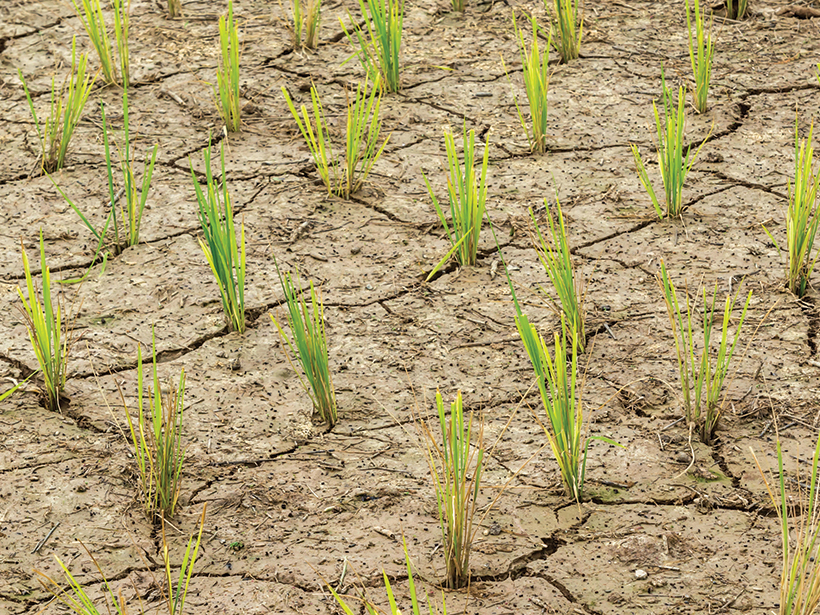
Climate Change Uproots Global Agriculture
Climate change is shifting where ideal growing conditions exist and is leaving farmers behind. How can we secure our future food supply and support the people who grow it?
Posted inNews
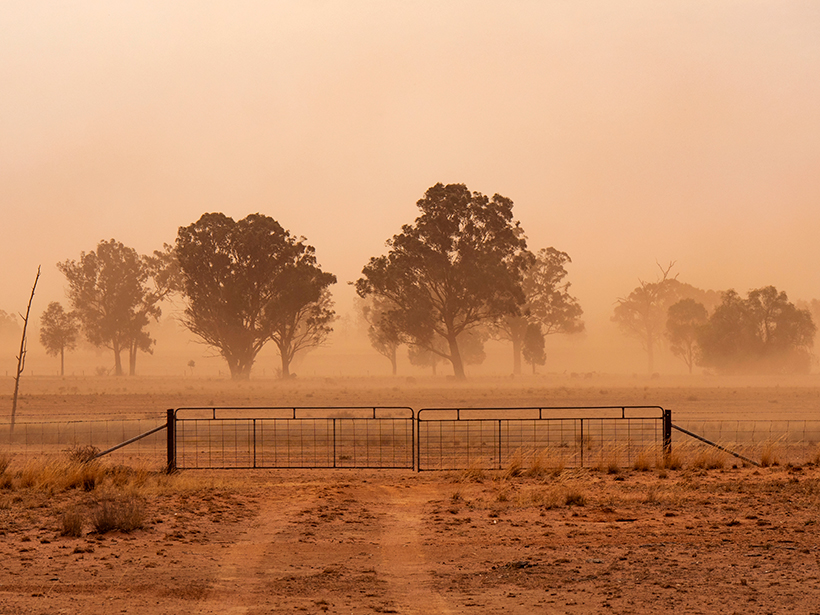
Long-Term Drought Harms Mental Health in Rural Communities
In rural and remote communities in Australia, psychological distress worsened during the first few years of a prolonged drought. Other signs of poor mental health persisted beyond that time.
Posted inNews
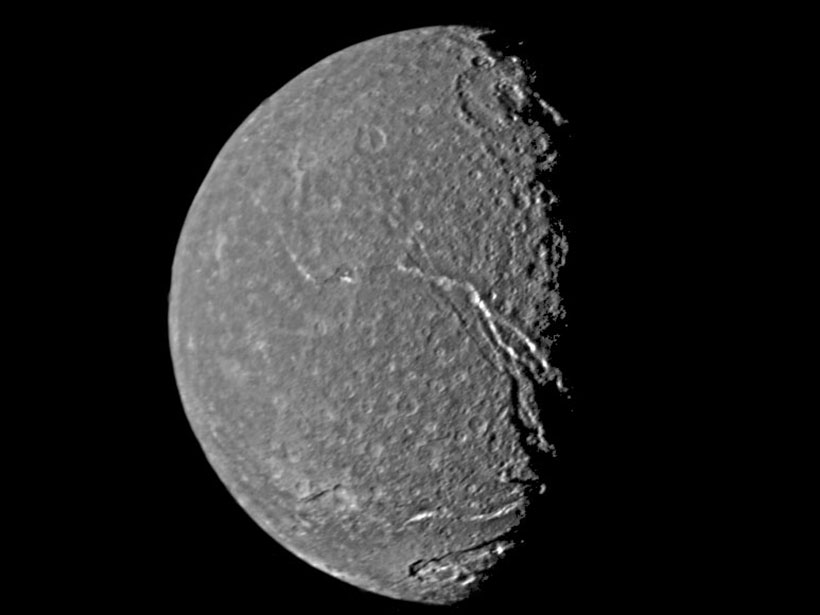
Do Uranus’s Moons Have Subsurface Oceans?
Scientists tested whether a classic technique could detect subsurface oceans on the moons of Uranus. In this scenario, the planet’s oddball magnetic field offers a big advantage.
Posted inNews
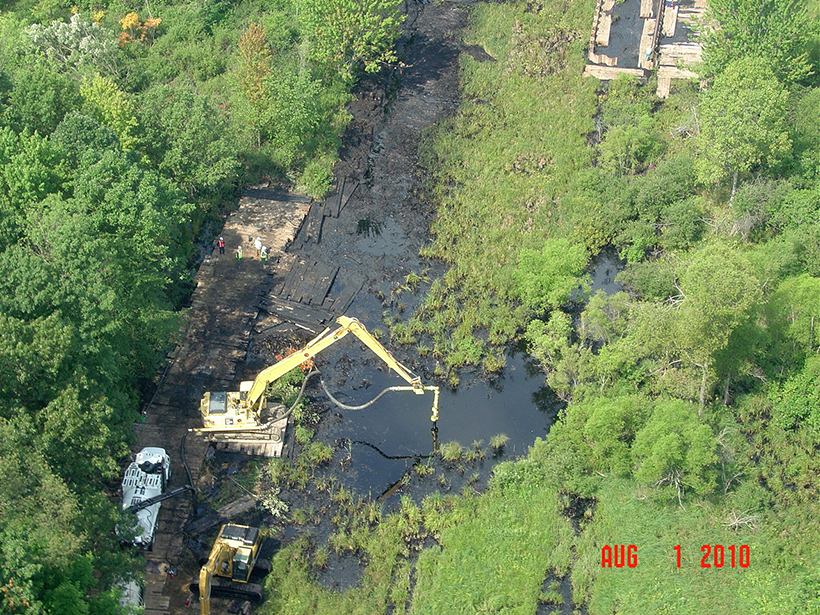
El Oleoducto Keystone Derrama 9,120 Barriles de Petróleo en los Humedales de Dakota
La fuga tuvo lugar en una sección pre-existente del oleoducto Keystone. Este es el cuarto derrame del oleoducto en 9 años.
Posted inNews
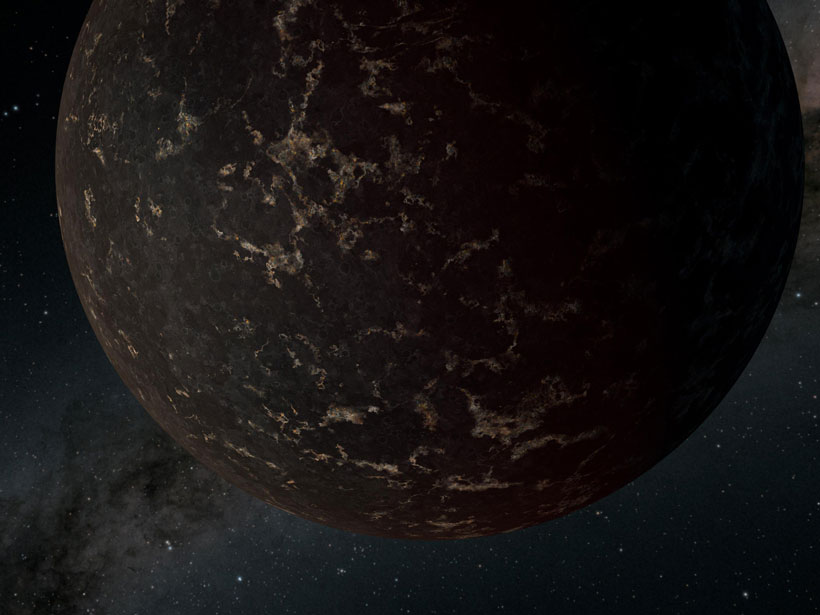
Airless Exoplanet’s Mantle Could Flow in Halves
With no atmosphere in the way, measurements of the planet’s surface temperature are the first observational constraints on mantle convection models for an exoplanet.

Posted inNews
Geociencias Comprometidas con la Justicia Racial. Ahora Tenemos Trabajo que Hacer
Quedarse callado es volverse cómplice de nuestra propia destrucción porque el racismo nos destruye a todos. Pero no quedarse callado implica más que hacer declaraciones. También está el silencio colectivo de no hacer nada. —No Time For Silence

Posted inFeatures
An Unfought Geoscience Battle in U.S. Prisons
Prisoners, activists, and lawyers are fighting to protect incarcerated people from pollution and the dangers of climate change. There’s a place for geoscientists in the fight too.