• About
  • Special Reports
  • Topics
    • Climate
    • Earth Science
    • Oceans
    • Space & Planets
    • Health & Ecosystems
    • Culture & Policy
    • Education & Careers
    • Opinions
  • Projects
    • Postcards From the Field
    • ENGAGE
    • Editors’ Highlights
    • Editors’ Vox
    • Eos en Español
    • Eos 简体中文版
    • Print Archive: 2015–2025
  • Policy Tracker
  • Blogs
    • Research & Developments
    • The Landslide Blog
  • Newsletter
  • Submit to Eos
  • AGU.org
  • Career Center
  • Join AGU
  • Give to AGU
  • About
  • Special Reports
  • Topics
    • Climate
    • Earth Science
    • Oceans
    • Space & Planets
    • Health & Ecosystems
    • Culture & Policy
    • Education & Careers
    • Opinions
  • Projects
    • Postcards From the Field
    • ENGAGE
    • Editors’ Highlights
    • Editors’ Vox
    • Eos en Español
    • Eos 简体中文版
    • Print Archive: 2015–2025
  • Policy Tracker
  • Blogs
    • Research & Developments
    • The Landslide Blog
  • Newsletter
  • Submit to Eos
Skip to content
  • AGU.org
  • Career Center
  • Join AGU
  • Give to AGU
Eos

Eos

Science News by AGU

Support Eos
Sign Up for Newsletter
  • About
  • Special Reports
  • Topics
    • Climate
    • Earth Science
    • Oceans
    • Space & Planets
    • Health & Ecosystems
    • Culture & Policy
    • Education & Careers
    • Opinions
  • Projects
    • Postcards From the Field
    • ENGAGE
    • Editors’ Highlights
    • Editors’ Vox
    • Eos en Español
    • Eos 简体中文版
    • Print Archive: 2015–2025
  • Policy Tracker
  • Blogs
    • Research & Developments
    • The Landslide Blog
  • Newsletter
  • Submit to Eos

News

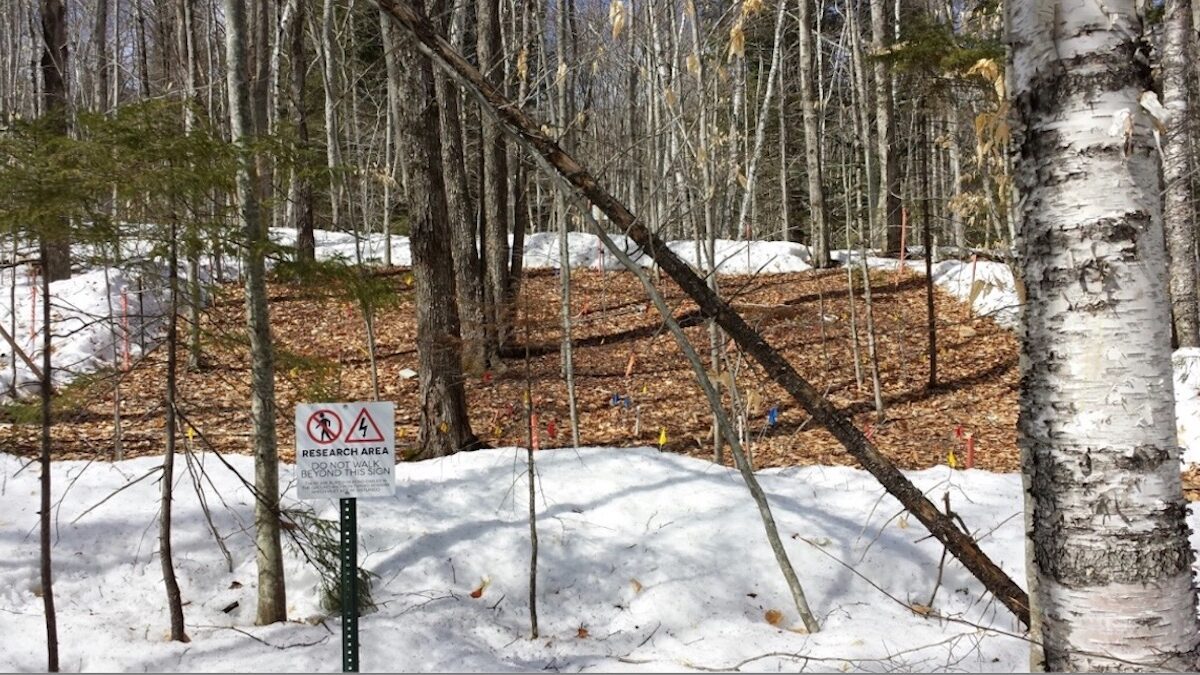
A square research plot with no snow, surrounded by a snowy forest
Posted inNews

Warming Winters Sabotage Trees’ Carbon Uptake

by Grace van Deelen 31 July 202531 July 2025

In temperate forests, the biomass-building benefits of warmer growing seasons are offset by damaging variability in winter weather—a disparity that climate models may miss.

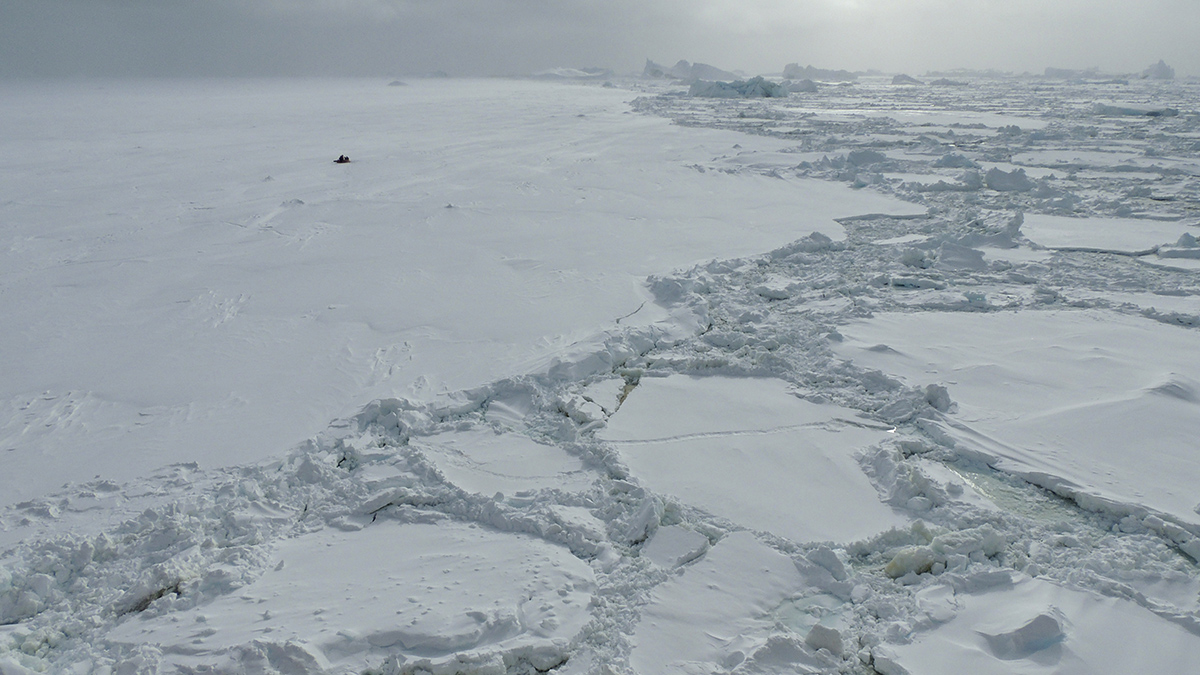
Cracked sea ice seen from above
Posted inNews

Southern Ocean Salinity May Be Triggering Sea Ice Loss

by Bill Morris 29 July 20259 October 2025

New satellite technology has revealed that the Southern Ocean is getting saltier, an unexpected turn of events that could spell big trouble for Antarctica.
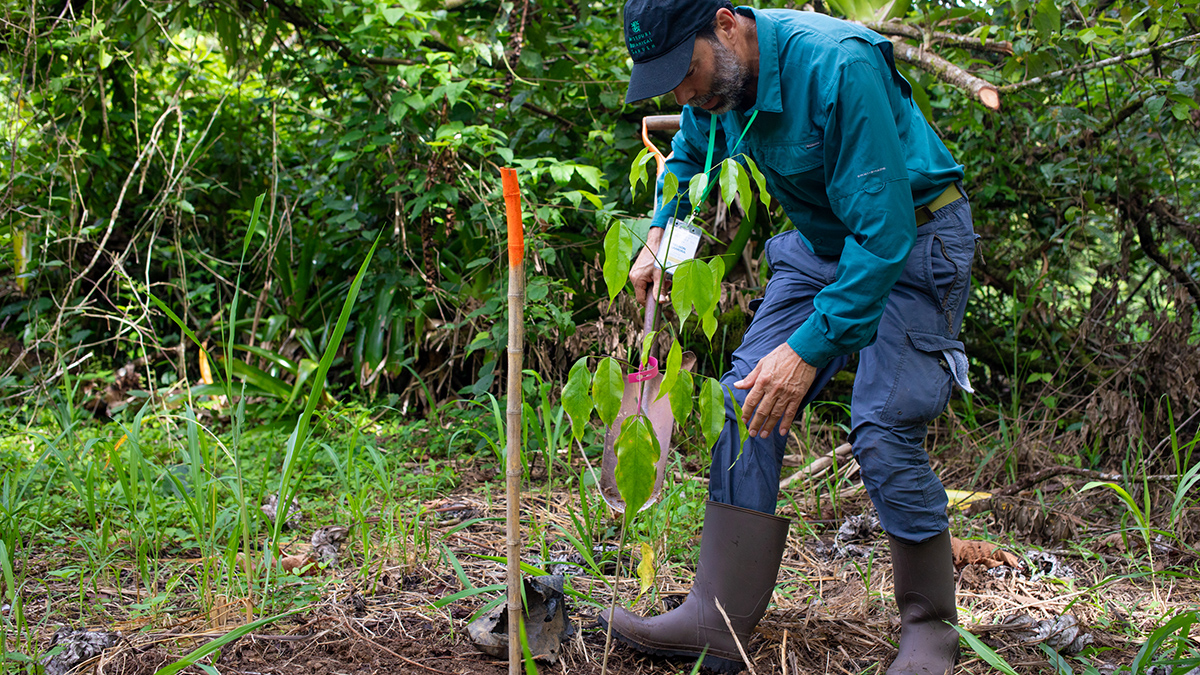
Nelson Zamora from the National Herbarium of Costa Rica, plants a threatened tree species.
Posted inNews

First Species-Level Assessment Reveals Extinction Risk in Mesoamerica

by Roberto González 23 July 20253 September 2025

Forty-six percent of tree species in Mesoamerica are threatened with extinction. Researchers hope a new regional study will inform targeted conservation strategies.
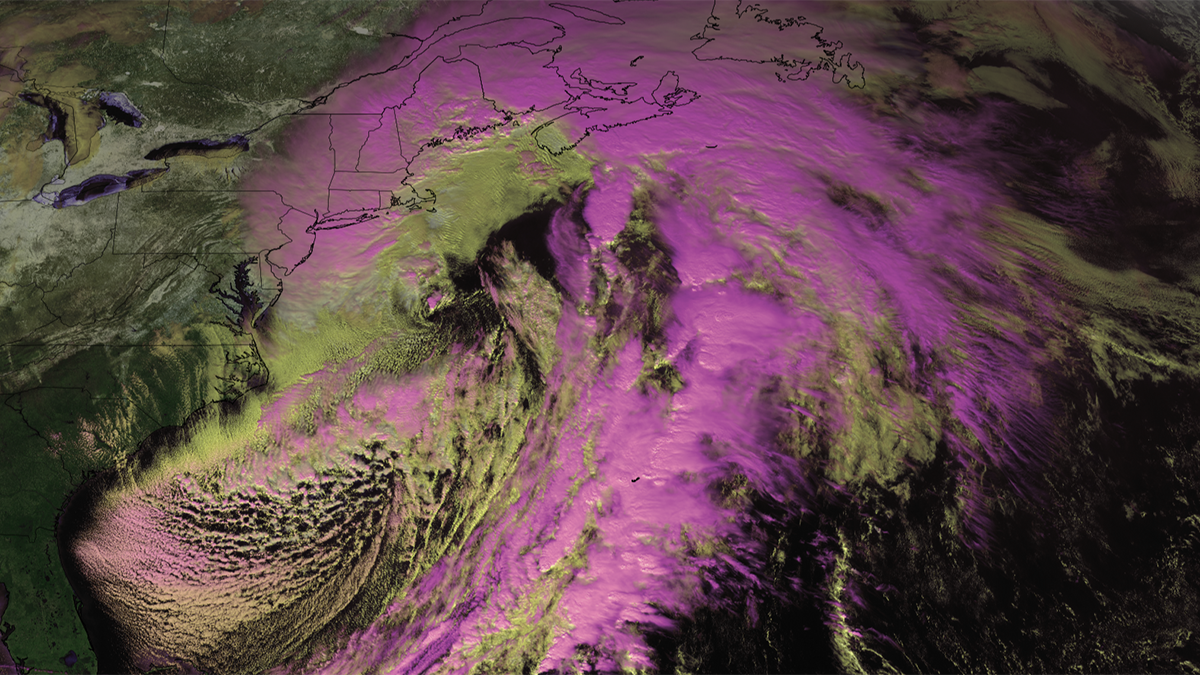
A satellite image shows the Atlantic Ocean and the eastern coast of the United States. The area is covered with clouds that have been colored yellow and pink to indicate their altitude.
Posted inNews

New Research Shows More Extreme Global Warming Impacts Looming for the Northeast

by Bob Berwyn 21 July 202521 July 2025

One new study identifies a 17% increase in the destructive potential of the strongest nor’easters, while another bolsters links between Arctic ice melt and dangerous blizzards.
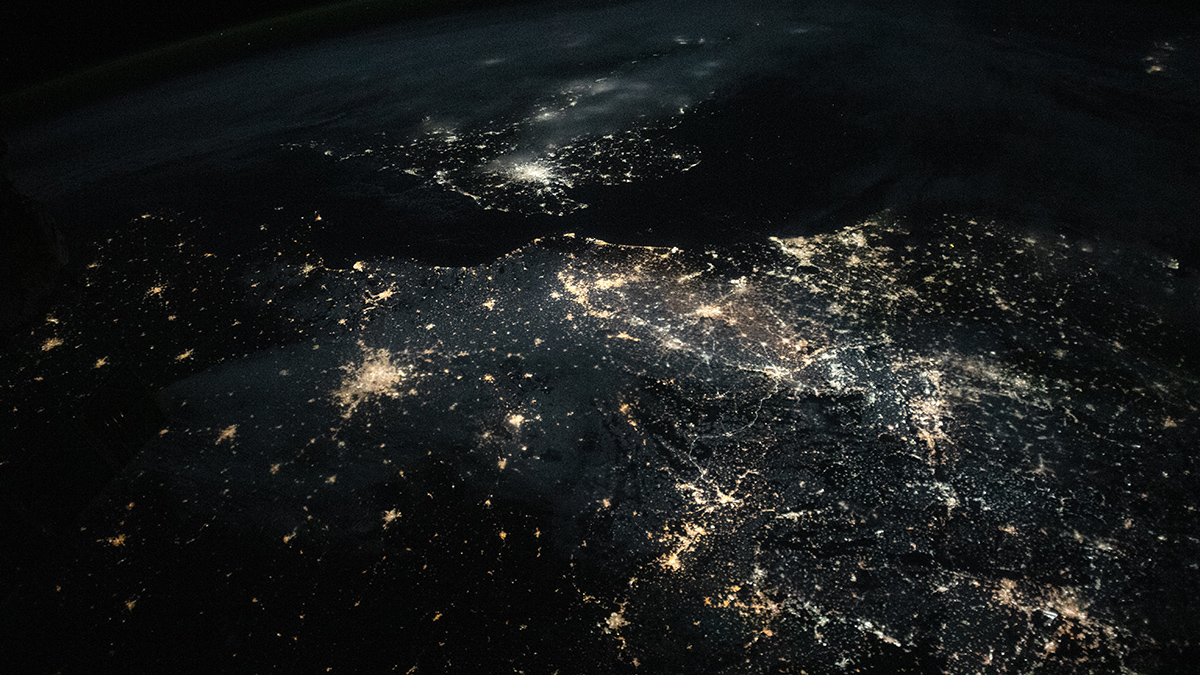
A satellite image of northwestern Europe at night shows several urban centers that appear as bright clusters of light.
Posted inNews

Artificial Light Lengthens the Urban Growing Season

by Caroline Hasler 18 July 202518 July 2025

New research shows that artificial light at night lengthens the plant growing season in cities, overshadowing the effect of high urban temperatures.
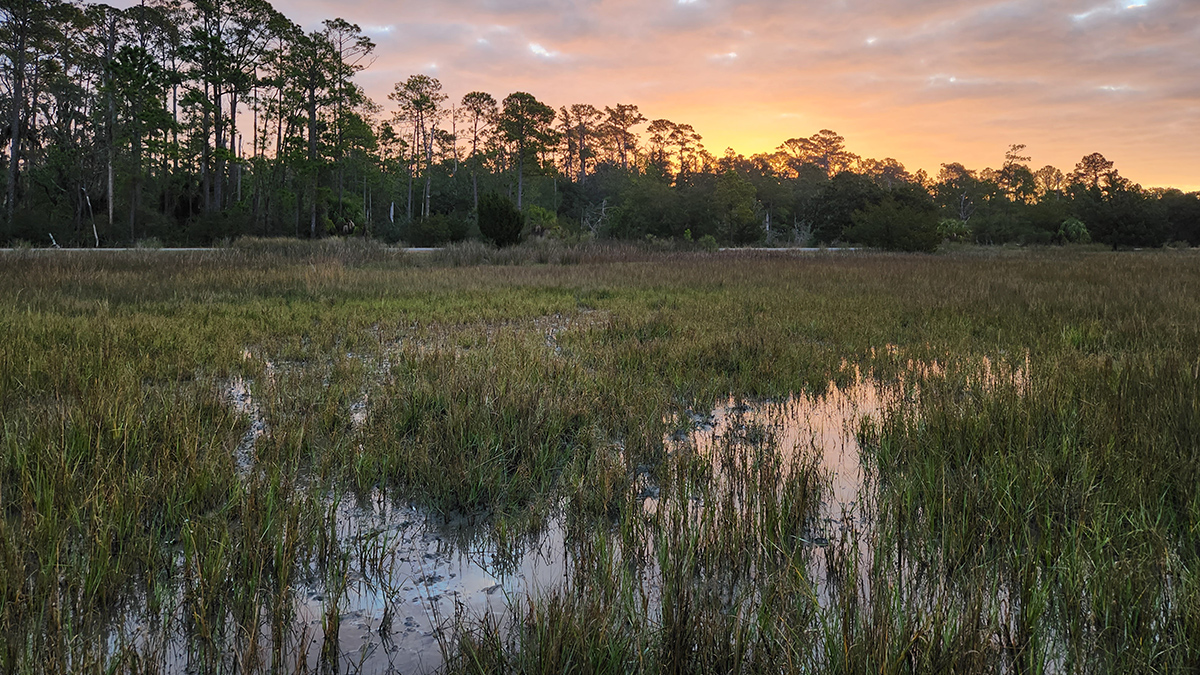
Tall, green marsh grasses at sunrise
Posted inNews

Machine Learning Model Flags Early, Invisible Signs of Marsh Decline

by Skyler Ware 17 July 202517 July 2025

Decreases in underground plant biomass could signal future marsh loss and prompt conservation measures.
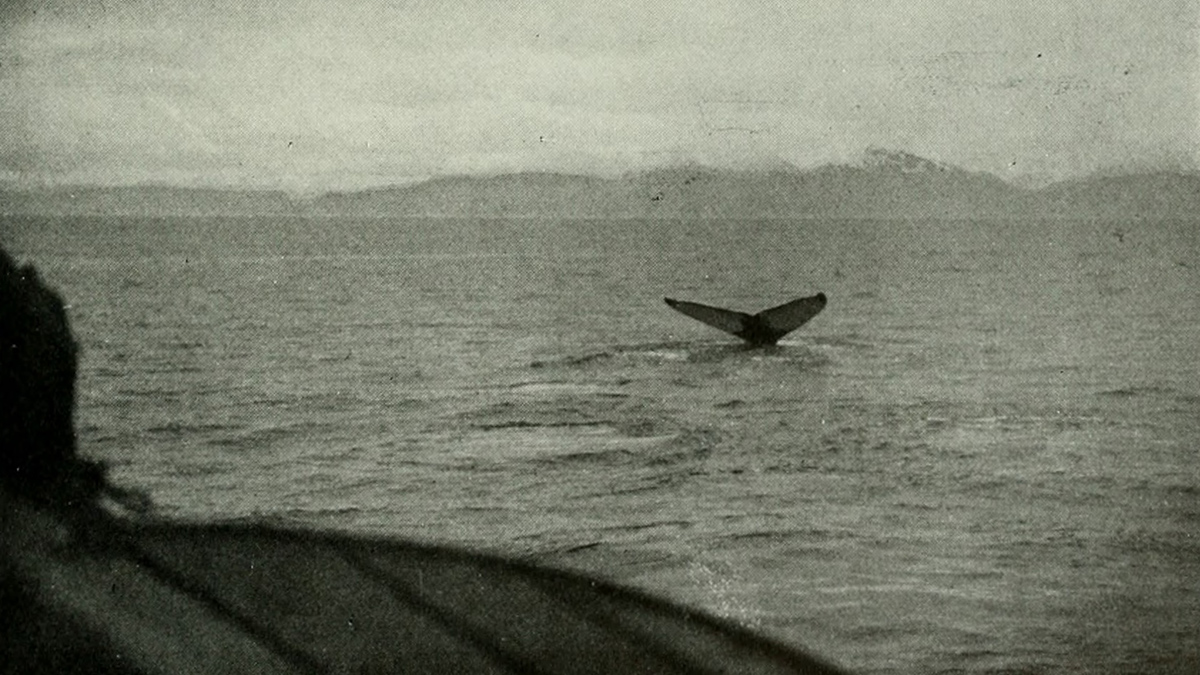
Historic black-and-white photo of a humpback whale diving, flukes visible above the surface
Posted inNews

Whaling Records Can Help Improve Estimates of Sea Ice Extent

by Syris Valentine 15 July 202515 July 2025

The locations of humpback whale catches in the early 20th century indicate that most climate models overestimate the historic extent of sea ice in the Southern Ocean.
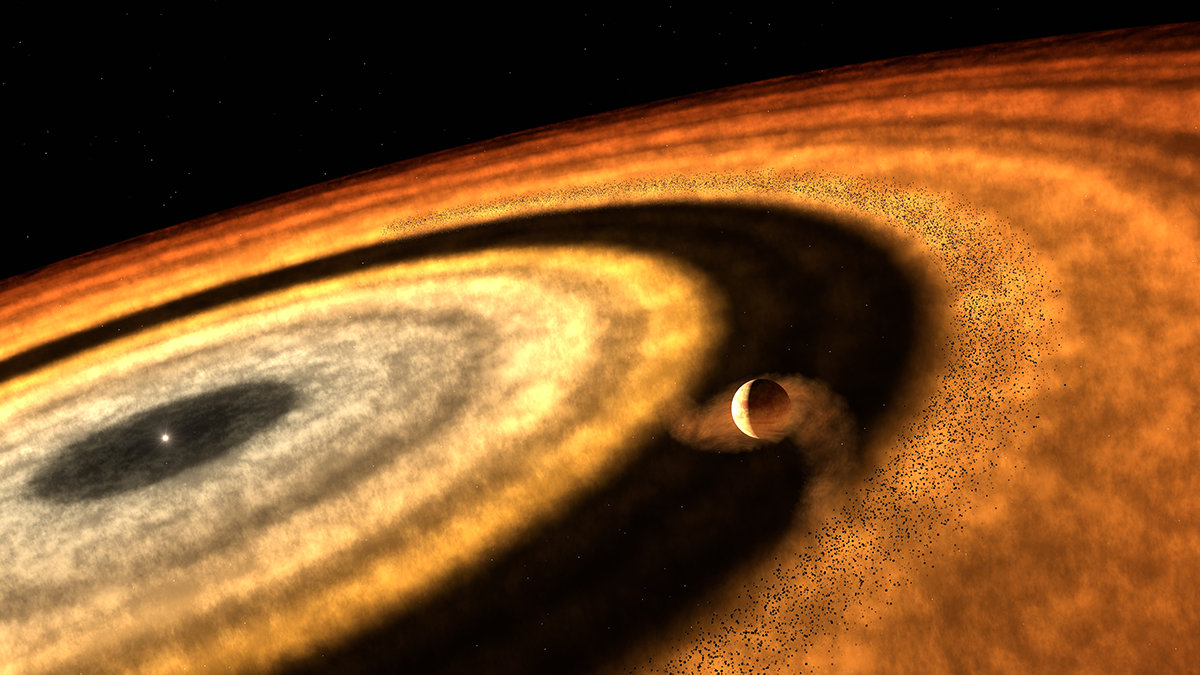
An artist’s depiction shows a planet forming on the outer edges of a solar system.
Posted inNews

This Exoplanet May Have Grown Stranger as It Journeyed Starward

by Jonathan O’Callaghan 15 July 202513 August 2025

WASP-121b, an already unusual planet, might have a remote origin that explains some of its peculiar properties—from iron rain to the unexpected presence of methane.
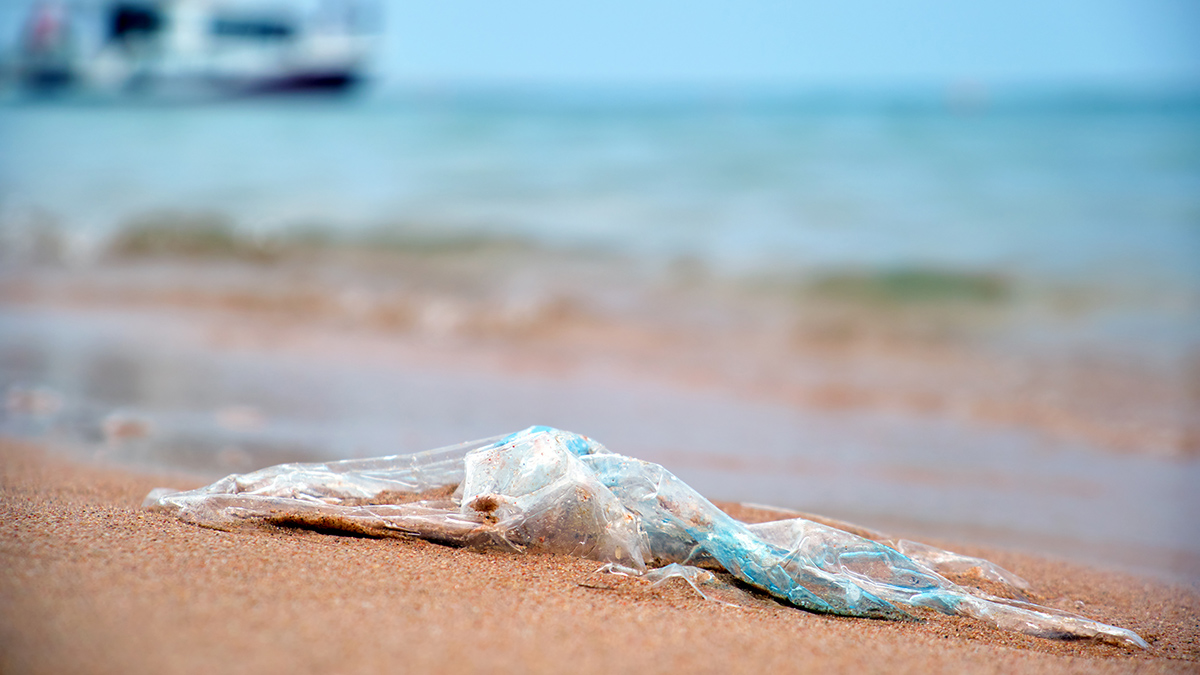
Blue-and-white plastic bag on a beach
Posted inNews

Policy Success: Fees and Bans on Plastic Bags Reduce Beach Trash

by Rebecca Owen 14 July 202514 July 2025

Regardless of the patchwork of regulations aimed at limiting plastic bag use in the United States, new research indicates that such legislation does, indeed, limit the number of plastic bags found on beaches.
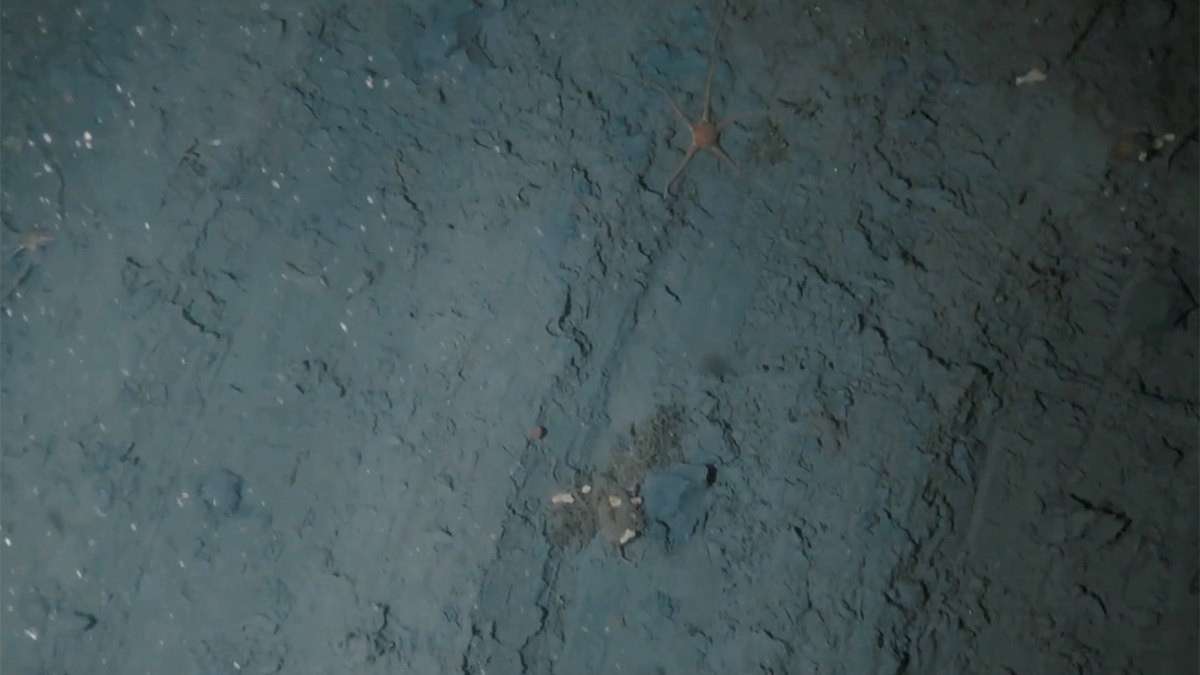
Crushed sponges and churned up sediment with ridges
Posted inNews

Anchoring Is Damaging the Fragile Antarctic Seabed

by Erin Martin-Jones 11 July 202511 July 2025

Scientists call for better protection of Antarctica’s vulnerable seafloor ecosystem as ship traffic increases around the continent.

Posts pagination

Newer posts 1 … 27 28 29 30 31 … 345 Older posts
Over a dark blue-green square appear the words Special Report: The State of the Science 1 Year On.

Features from AGU Publications

Research Spotlights

InSight into Seismology on the Red Planet

21 October 202621 October 2026
Editors' Highlights

The Geomagnetic Polarity Time Scale Revisited Once Again

22 October 202622 October 2026
Editors' Vox

Opening Access to Earth Observation Data for Disaster Mitigation

21 October 202620 October 2026
Eos logo at left; AGU logo at right

About Eos
ENGAGE
Awards
Contact

Advertise
Submit
Career Center
Sitemap

© 2026 American Geophysical Union. All rights reserved Powered by Newspack