
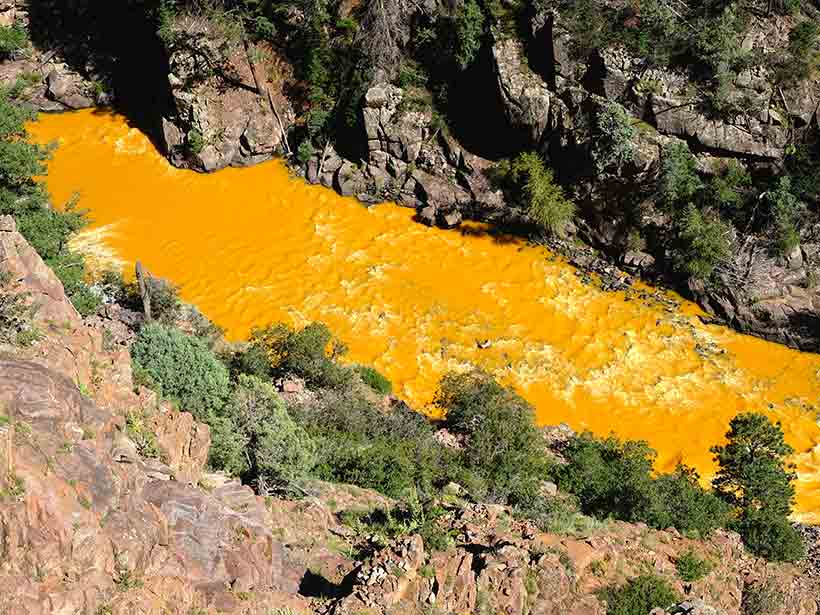
Would communicating science be more effective if geoethics were included in the discussion?
Editors’ Vox
Posted inEditors' Vox
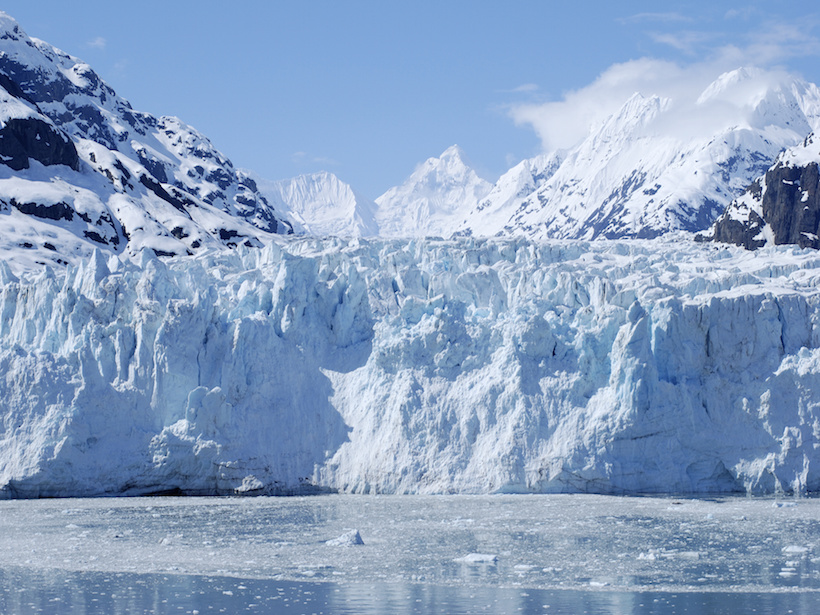
Insights on Climate Systems from Interglacials
Interglacials provide insights into the impacts of warmer than present conditions in certain regions of Earth.

Posted inEditors' Vox
Tidal River Dynamics
Tidal rivers are a vital and little studied nexus between physical oceanography and hydrology.
Posted inEditors' Vox
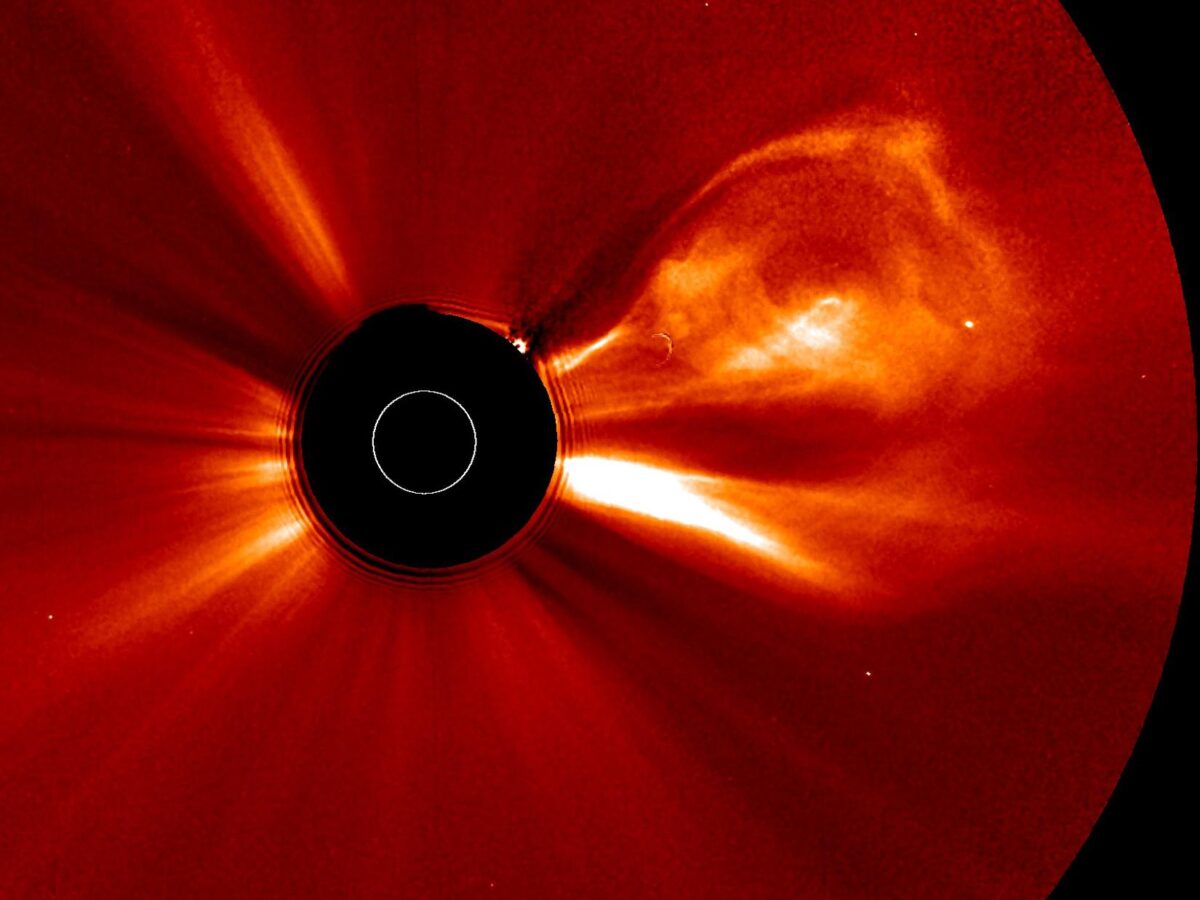
Toward an Understanding of Earth-Affecting Solar Eruptions
Coronal mass ejection forecasting improves with technological developments and increasing availability of data.

Posted inEditors' Vox
Frontiers in Geosystems: Solving the Puzzles
Putting some publishing action into deep Earth-surface interactions
Posted inEditors' Vox
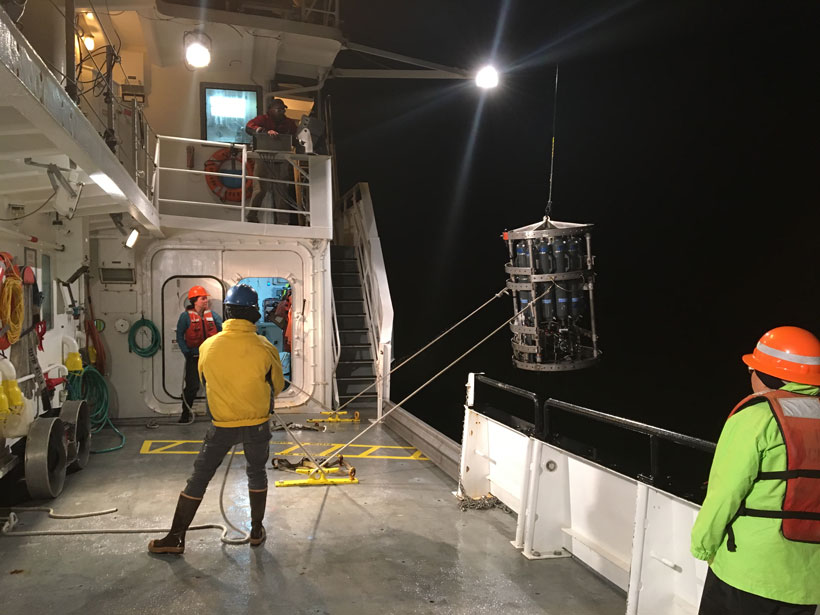
What Are Scientists Doing off the Oregon Coast in Winter?
Social media and the value of communicating field experiences to the public

Posted inEditors' Vox
New Insights from 60 Years of Crevasse Research
Deep cracks in the ice may provide insight into glacier decay and help predict sea level rise.

Posted inEditors' Vox
Watch Your Language
Legacy words and the search of a new human-environment dynamic
Posted inEditors' Vox
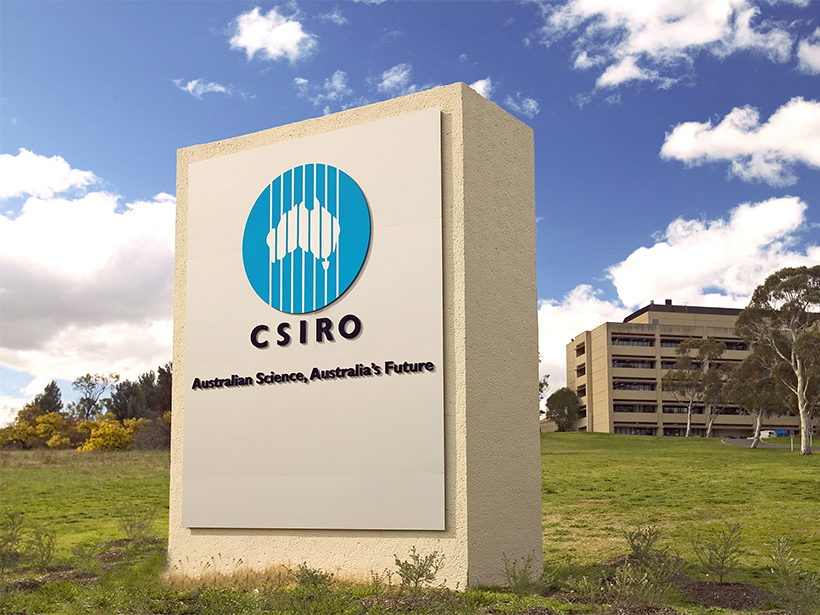
Cuts to CSIRO Oceans and Atmosphere Program Cause Concern
Drastic cuts within CSIRO will cut off Australia's critically important contributions to the global climate community

Posted inEditors' Vox
The Proof of Our Science Lies in the Telling
Communicating our science for the benefit of society