• About
  • Special Reports
  • Topics
    • Climate
    • Earth Science
    • Oceans
    • Space & Planets
    • Health & Ecosystems
    • Culture & Policy
    • Education & Careers
    • Opinions
  • Projects
    • Postcards From the Field
    • ENGAGE
    • Editors’ Highlights
    • Editors’ Vox
    • Eos en Español
    • Eos 简体中文版
    • Print Archive: 2015–2025
  • Policy Tracker
  • Blogs
    • Research & Developments
    • The Landslide Blog
  • Newsletter
  • Submit to Eos
  • AGU.org
  • Career Center
  • Join AGU
  • Give to AGU
  • About
  • Special Reports
  • Topics
    • Climate
    • Earth Science
    • Oceans
    • Space & Planets
    • Health & Ecosystems
    • Culture & Policy
    • Education & Careers
    • Opinions
  • Projects
    • Postcards From the Field
    • ENGAGE
    • Editors’ Highlights
    • Editors’ Vox
    • Eos en Español
    • Eos 简体中文版
    • Print Archive: 2015–2025
  • Policy Tracker
  • Blogs
    • Research & Developments
    • The Landslide Blog
  • Newsletter
  • Submit to Eos
Skip to content
  • AGU.org
  • Career Center
  • Join AGU
  • Give to AGU
Eos

Eos

Science News by AGU

Support Eos
Sign Up for Newsletter
  • About
  • Special Reports
  • Topics
    • Climate
    • Earth Science
    • Oceans
    • Space & Planets
    • Health & Ecosystems
    • Culture & Policy
    • Education & Careers
    • Opinions
  • Projects
    • Postcards From the Field
    • ENGAGE
    • Editors’ Highlights
    • Editors’ Vox
    • Eos en Español
    • Eos 简体中文版
    • Print Archive: 2015–2025
  • Policy Tracker
  • Blogs
    • Research & Developments
    • The Landslide Blog
  • Newsletter
  • Submit to Eos

Editors’ Vox

Posted inEditors' Vox

Understanding the Formation and Primordial Evolution of the Earth

by J. Badro and M. Walter 28 January 201620 April 2022

The processes that formed the infant Earth set the stage for its subsequent evolution into the dynamic and habitable planet we know today.

Posted inEditors' Vox

Challenges in Assembling and Managing Environmental Data Sets

by C. O'Reilly, S. E. Hampton, S. Sharma, D. Gray, J. S. Read, J. D. Lenters and P. Schneider 25 January 201621 September 2022

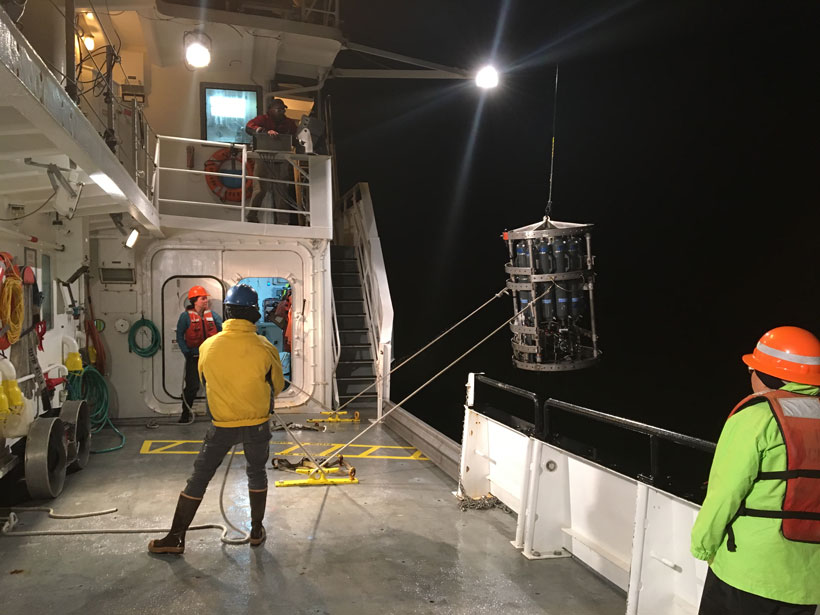
Pulling together long-term data is increasingly important in assessing environmental changes, whether regionally or globally.

Posted inEditors' Vox

After the Climate Agreement in Paris

by G. Brasseur 14 January 20166 March 2023

The climate agreement in Paris is an essential multilateral commitment to mitigating the effects of climate change, and the scientific community is key in supporting that commitment.

Posted inEditors' Vox

Perspectives on COP21

by M. Ellis 13 December 20156 March 2023

Climate change is a well-defined, global problem that nations are finally acknowledging.

Posted inEditors' Vox

AGU Editor Suggestions for Navigating the Fall Meeting, Part II

by Brooks Hanson 10 December 201510 February 2018

AGU's journal editors provide suggestions and recommendations of sessions and talks of particular interest.

Posted inEditors' Vox

AGU Editor Suggestions for Navigating the Fall Meeting, Part I

by Brooks Hanson 8 December 201510 February 2018

AGU's journal editors provide suggestions and recommendations of sessions and talks of particular interest.

Posted inEditors' Vox

Annual SWEF Raises Awareness Across the Space Weather Enterprise

by B. Giles 4 December 201513 October 2021

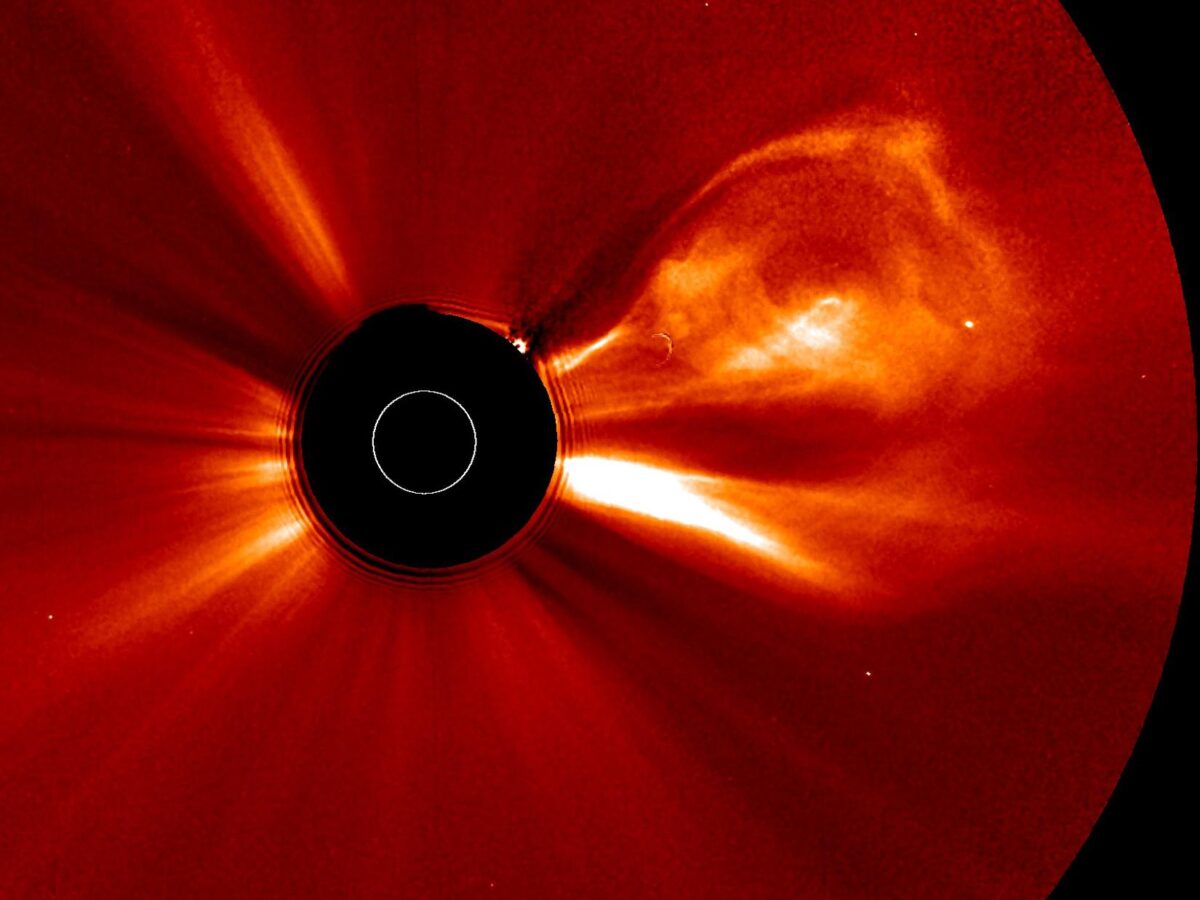
Reducing our nation's vulnerability to space weather is now a national priority, as conveyed when experts gathered for the 2015 Space Weather Enterprise Forum.

Posted inEditors' Vox

Insights into the Ongoing California Drought

by Noah S. Diffenbaugh 25 November 201528 February 2023

Real-time research informs real-time decision-making for addressing the California drought.

Posted inEditors' Vox

Opportunities for Improving K-12 Geoscience Education

by Michael Wysession 19 November 201510 May 2022

The Next Generation Science Standards present a set of performance expectations for stronger understanding of Earth and space science.

Posted inEditors' Vox

GICs: The Bane of Technology-Dependent Societies

by D. J. Knipp 16 November 201513 October 2021

Geomagnetically Induced Currents can cause voltage swings, transformer heating, and reactive power loss in high-voltage power transmission systems.

Posts pagination

Newer posts 1 … 48 49 50 51 Older posts
Over a dark blue-green square appear the words Special Report: The State of the Science 1 Year On.

Features from AGU Publications

Research Spotlights

How Water Flows Toward Cities During Hurricanes

30 July 202630 July 2026
Editors' Highlights

A New Pathway for Energy Redistribution in Near-Earth Space

30 July 202629 July 2026
Editors' Vox

The Hidden Costs of Mining River Sand

27 July 202627 July 2026
Eos logo at left; AGU logo at right

About Eos
ENGAGE
Awards
Contact

Advertise
Submit
Career Center
Sitemap

© 2026 American Geophysical Union. All rights reserved Powered by Newspack