

The basics of climate change science have been known for a long time, and the predicted impact of a doubling of atmospheric carbon dioxide on global temperature hasn’t changed much in 100 years.
climate action

Posted inNews
Major Investment in Air-Conditioning Needed to Address Future Heat Waves
More than 80% of urban residents will need AC by the 2050s, but many of the world’s poorer countries may struggle to meet that demand.

Posted inOpinions
Deploying Community Water Solutions with People, for People
Guiding principles and strategies for solving local water availability problems in India have emerged from collaborations involving water users, water experts, and water solutions providers.
Posted inFeatures
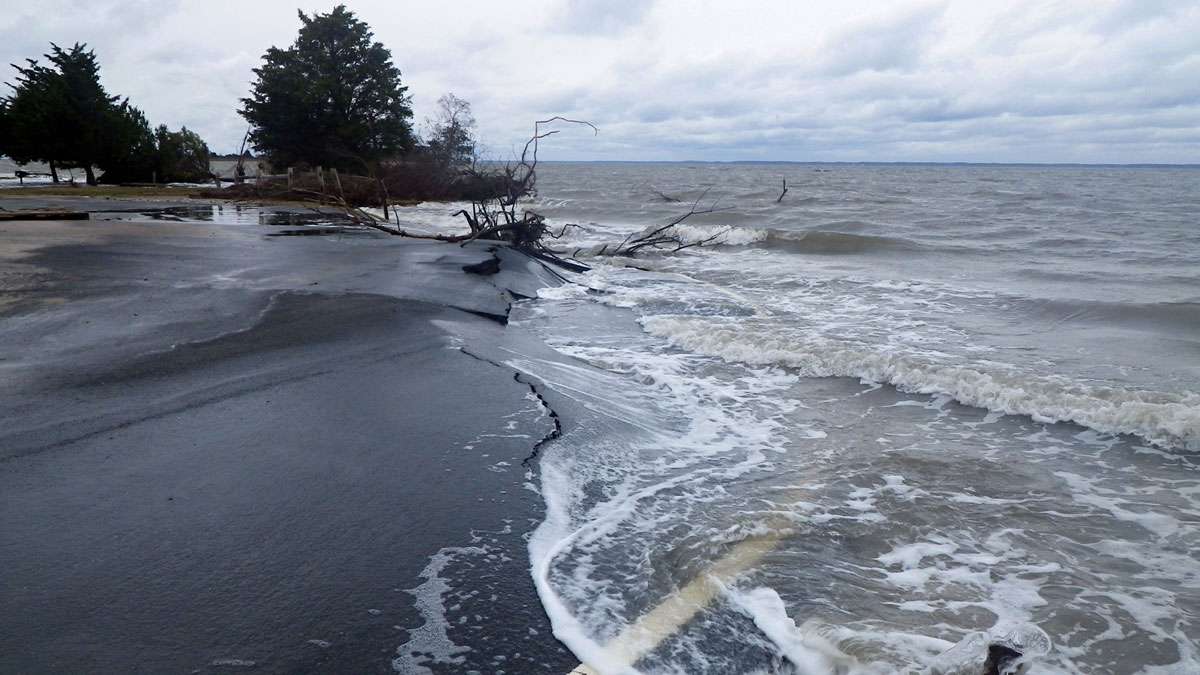
Sea Level Science and Applications Support Coastal Resilience
Known for precise, planetary-scale measurements, NASA is improving its decades-long effort to observe and understand sea levels to help communities prepare for the effects of Earth’s rising ocean.

Posted inResearch Spotlights
Side Benefits of Climate Action May Save Millions of Lives in Africa
Premature deaths due to air pollution would decline across the continent.

Posted inNews
Without Deep Emissions Cuts, Marine Species Face Mass Extinction

On the basis of how much oxygen marine species need and how much is available, researchers predict extinctions comparable to those at the end of the Permian under a business-as-usual emissions scenario.

Posted inNews
Planting Wetlands Could Help Stave Off Climate Catastrophe
A shift in priority and approach to wetland restoration could reduce atmospheric carbon.

Posted inOpinions
Glacial Knowledge Gaps Impede Resilience to Sea Level Rise
Changes to the support, culture, and community organization of U.S. glaciology are needed to advance understanding of glacial change and better predict rising seas and other ice loss impacts.

Posted inNews
Climate Action Plans Tailored to Indian Cities
The plans identify localized vulnerabilities, as well as adaptations to climate change risks.

Posted inENGAGE, News
Climate Benefits of Forests Go Far Beyond Carbon Sequestration
Forests are “essentially air-conditioning systems” thanks to biophysical processes like evapotranspiration and canopy roughness.