• About
  • Special Reports
  • Topics
    • Climate
    • Earth Science
    • Oceans
    • Space & Planets
    • Health & Ecosystems
    • Culture & Policy
    • Education & Careers
    • Opinions
  • Projects
    • Postcards From the Field
    • ENGAGE
    • Editors’ Highlights
    • Editors’ Vox
    • Eos en Español
    • Eos 简体中文版
    • Print Archive: 2015–2025
  • Policy Tracker
  • Blogs
    • Research & Developments
    • The Landslide Blog
  • Newsletter
  • Submit to Eos
  • AGU.org
  • Career Center
  • Join AGU
  • Give to AGU
  • About
  • Special Reports
  • Topics
    • Climate
    • Earth Science
    • Oceans
    • Space & Planets
    • Health & Ecosystems
    • Culture & Policy
    • Education & Careers
    • Opinions
  • Projects
    • Postcards From the Field
    • ENGAGE
    • Editors’ Highlights
    • Editors’ Vox
    • Eos en Español
    • Eos 简体中文版
    • Print Archive: 2015–2025
  • Policy Tracker
  • Blogs
    • Research & Developments
    • The Landslide Blog
  • Newsletter
  • Submit to Eos
Skip to content
  • AGU.org
  • Career Center
  • Join AGU
  • Give to AGU
Eos

Eos

Science News by AGU

Support Eos
Sign Up for Newsletter
  • About
  • Special Reports
  • Topics
    • Climate
    • Earth Science
    • Oceans
    • Space & Planets
    • Health & Ecosystems
    • Culture & Policy
    • Education & Careers
    • Opinions
  • Projects
    • Postcards From the Field
    • ENGAGE
    • Editors’ Highlights
    • Editors’ Vox
    • Eos en Español
    • Eos 简体中文版
    • Print Archive: 2015–2025
  • Policy Tracker
  • Blogs
    • Research & Developments
    • The Landslide Blog
  • Newsletter
  • Submit to Eos

Education & Careers

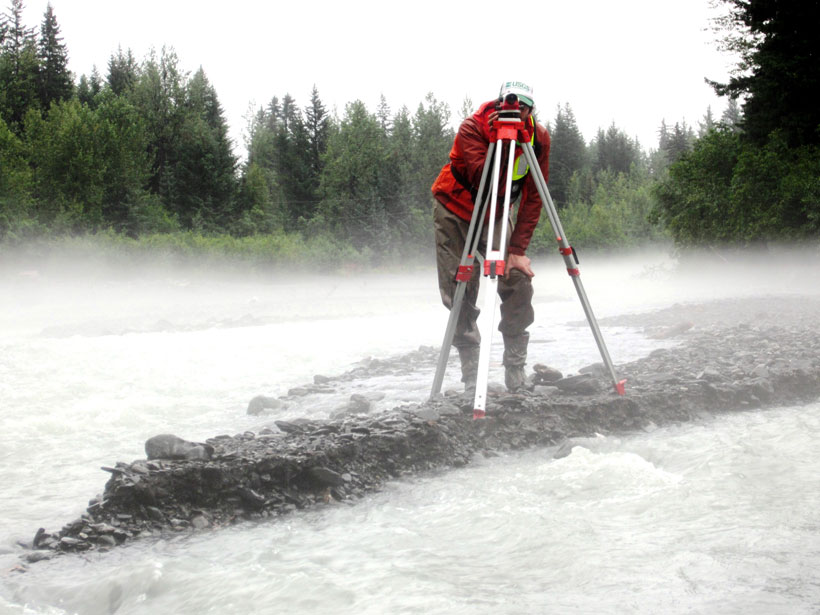
An engineer on a tiny islet uses a total station to survey a rushing stream.
Posted inNews

How Routine Monitors Weather the Pandemic Storm

JoAnna Wendel, freelance science writer and illustrator by JoAnna Wendel 13 May 202023 January 2023

Much of routine monitoring can be done remotely these days, but networks aren’t completely immune to COVID-19’s society-halting symptoms.

Sunset through a ship window on the R/V Sikuliaq
Posted inNews

What It’s Like to Social Distance at Sea

Jenessa Duncombe, Staff Writer by Jenessa Duncombe 12 May 20204 February 2022

A skeleton crew braves the first research cruise since the pandemic began.
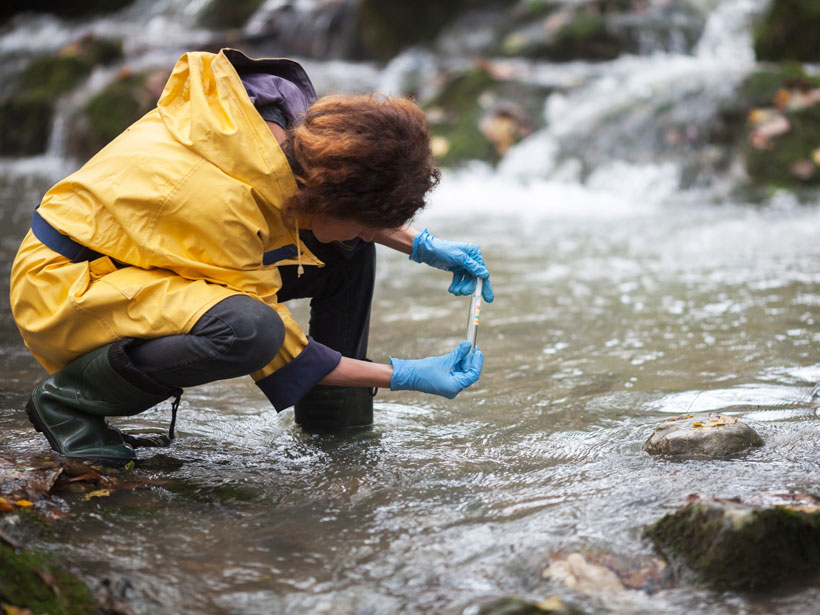
Scientist takes a water sample at a river
Posted inNews

The Coronavirus Hurts Some of Science’s Most Vulnerable

Jenessa Duncombe, Staff Writer by Jenessa Duncombe 29 April 20202 February 2022

Early-career researchers hang in the balance of coronavirus uncertainty.

A man lectures to a room of attentive blue-shirted students in Nepal
Posted inENGAGE, News

Bringing Earthquake Education to Schools in Nepal

Rachel Fritts, Science Writer by Rachel Fritts 27 April 20205 April 2023

The Seismology at School in Nepal program aims to prepare rural communities for the next big earthquake.
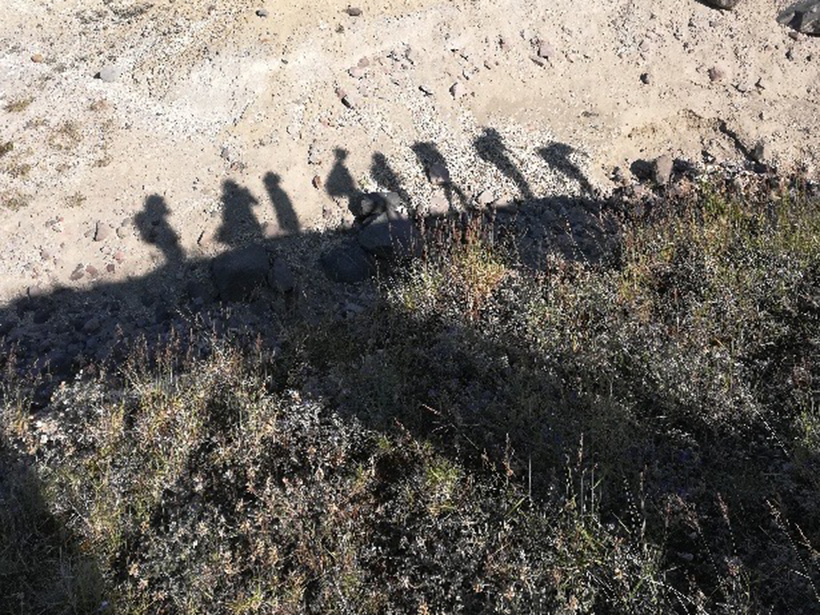
Shadows of girls hiking in a line
Posted inNews

GeoGirls: Confidence Erupts from a Camp at a Volcano

Lesley Evans Ogden, Science Writer by Lesley Evans Ogden 22 April 202012 April 2022

Summer camp at Mount Saint Helens empowers girls with science, confidence, and fun.
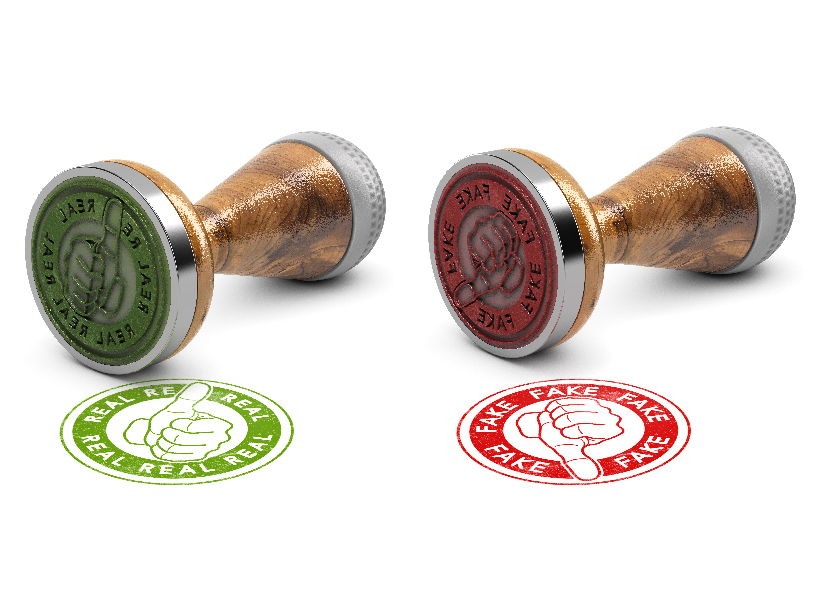
Rubber stamps marking true and false
Posted inNews

Nonscientists Struggle to Separate Climate Fact from Fiction

Kimberly M. S. Cartier, News Writing and Production Intern for Eos.org by Kimberly M. S. Cartier 14 April 202014 October 2021

People were much worse at identifying false statements about climate change than about general science, and they were overly confident in their answers.
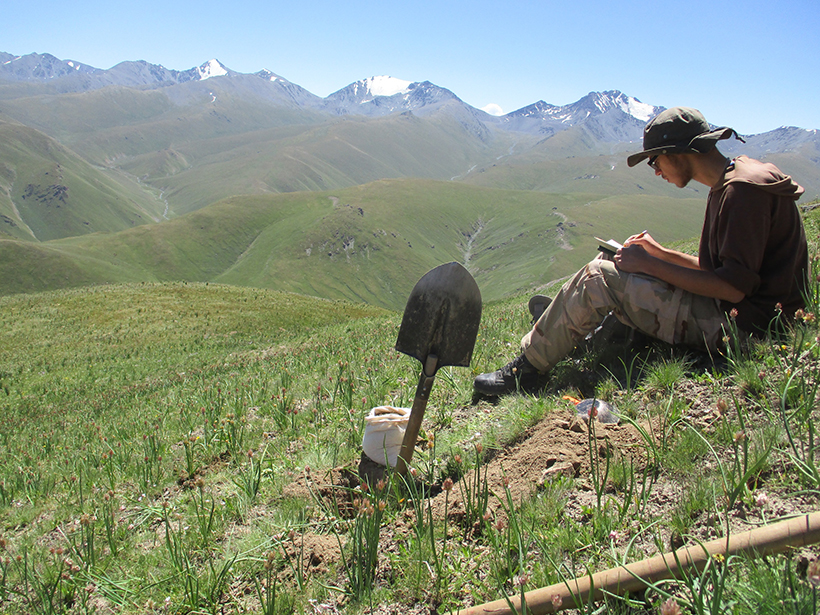
Geologist, with a shovel planted in the foreground, takes notes while overlooking green hills and snowcapped peaks.
Posted inNews

The Long-Term Effects of Covid-19 on Field Science

by C. Geib 13 April 20207 November 2022

As scientists wait, worry, and hunker down, they’re also looking ahead to how their projects will need to adapt.
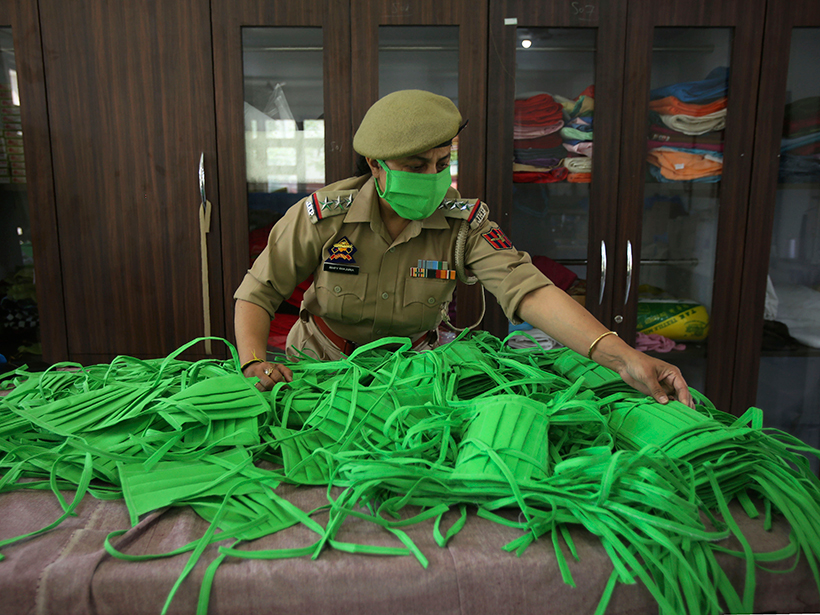
An officer checks the quality as police personnel make face masks and personal protective gear amid COVID-19 outbreak in Jammu, India.
Posted inOpinions

Geohealth: Science’s First Responders

by Gabriel Filippelli 13 April 202022 October 2021

At the intersection of human health and the environment, the emerging field called geohealth can teach us how not to repeat mistakes made in past disasters.
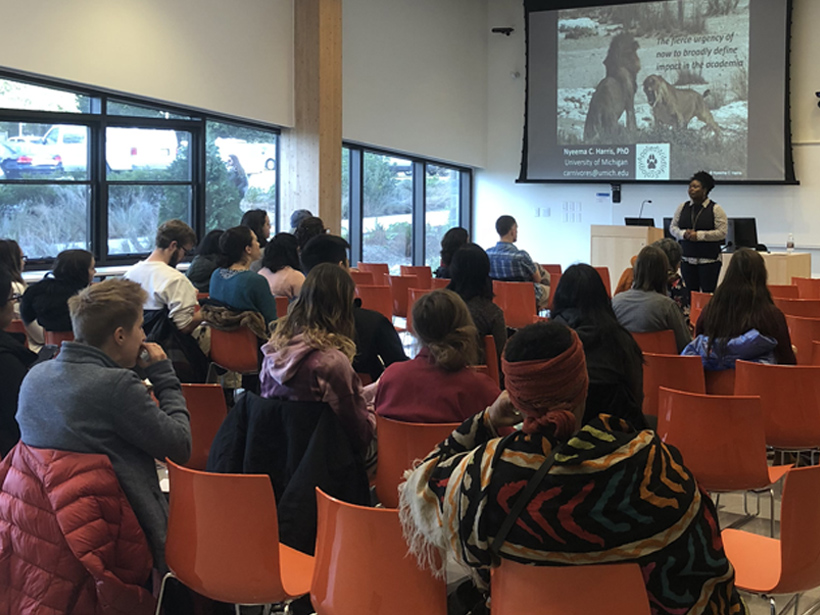
Seminar attendees listen during a presentation at the University of Massachusetts Amherst in fall 2018.
Posted inOpinions

What’s in a Seminar?

by B. Keisling, R. Bryant, N. Fernandez, M. G. Arredondo and N. Golden 9 April 202024 February 2023

Graduate students at the University of Massachusetts Amherst redesigned their departmental seminar series to increase diversity, equity, and inclusion, and other institutions could do the same.

Woman uses tubing to fill large metal tanks with air
Posted inNews

Atmospheric Scientists Show Resilience in the Face of Lockdowns

Jane Palmer, Science Writer by Jane Palmer 8 April 202026 October 2021

As businesses, schools, and entire cities shut down to prevent the spread of the coronavirus, scientists have been forced to adapt to radically altered working conditions and data collection techniques.

Posts pagination

Newer posts 1 … 33 34 35 36 37 … 64 Older posts
Over a dark blue-green square appear the words Special Report: The State of the Science 1 Year On.

Features from AGU Publications

Research Spotlights

In Alaska, Wildfires Help Prevent Future Burns. Will That Feedback Loop Hold?

24 September 202625 September 2026
Editors' Highlights

Reducing Uncertainty in Groundwater Models Using Airborne Geophysics

28 September 202625 September 2026
Editors' Vox

Where Fire Ends, Chemistry Begins

30 September 202630 September 2026
Eos logo at left; AGU logo at right

About Eos
ENGAGE
Awards
Contact

Advertise
Submit
Career Center
Sitemap

© 2026 American Geophysical Union. All rights reserved Powered by Newspack