• About
  • Special Reports
  • Topics
    • Climate
    • Earth Science
    • Oceans
    • Space & Planets
    • Health & Ecosystems
    • Culture & Policy
    • Education & Careers
    • Opinions
  • Projects
    • Postcards From the Field
    • ENGAGE
    • Editors’ Highlights
    • Editors’ Vox
    • Eos en Español
    • Eos 简体中文版
    • Print Archive: 2015–2025
  • Policy Tracker
  • Blogs
    • Research & Developments
    • The Landslide Blog
  • Newsletter
  • Submit to Eos
  • AGU.org
  • Career Center
  • Join AGU
  • Give to AGU
  • About
  • Special Reports
  • Topics
    • Climate
    • Earth Science
    • Oceans
    • Space & Planets
    • Health & Ecosystems
    • Culture & Policy
    • Education & Careers
    • Opinions
  • Projects
    • Postcards From the Field
    • ENGAGE
    • Editors’ Highlights
    • Editors’ Vox
    • Eos en Español
    • Eos 简体中文版
    • Print Archive: 2015–2025
  • Policy Tracker
  • Blogs
    • Research & Developments
    • The Landslide Blog
  • Newsletter
  • Submit to Eos
Skip to content
  • AGU.org
  • Career Center
  • Join AGU
  • Give to AGU
Eos

Eos

Science News by AGU

Support Eos
Sign Up for Newsletter
  • About
  • Special Reports
  • Topics
    • Climate
    • Earth Science
    • Oceans
    • Space & Planets
    • Health & Ecosystems
    • Culture & Policy
    • Education & Careers
    • Opinions
  • Projects
    • Postcards From the Field
    • ENGAGE
    • Editors’ Highlights
    • Editors’ Vox
    • Eos en Español
    • Eos 简体中文版
    • Print Archive: 2015–2025
  • Policy Tracker
  • Blogs
    • Research & Developments
    • The Landslide Blog
  • Newsletter
  • Submit to Eos

Malawi

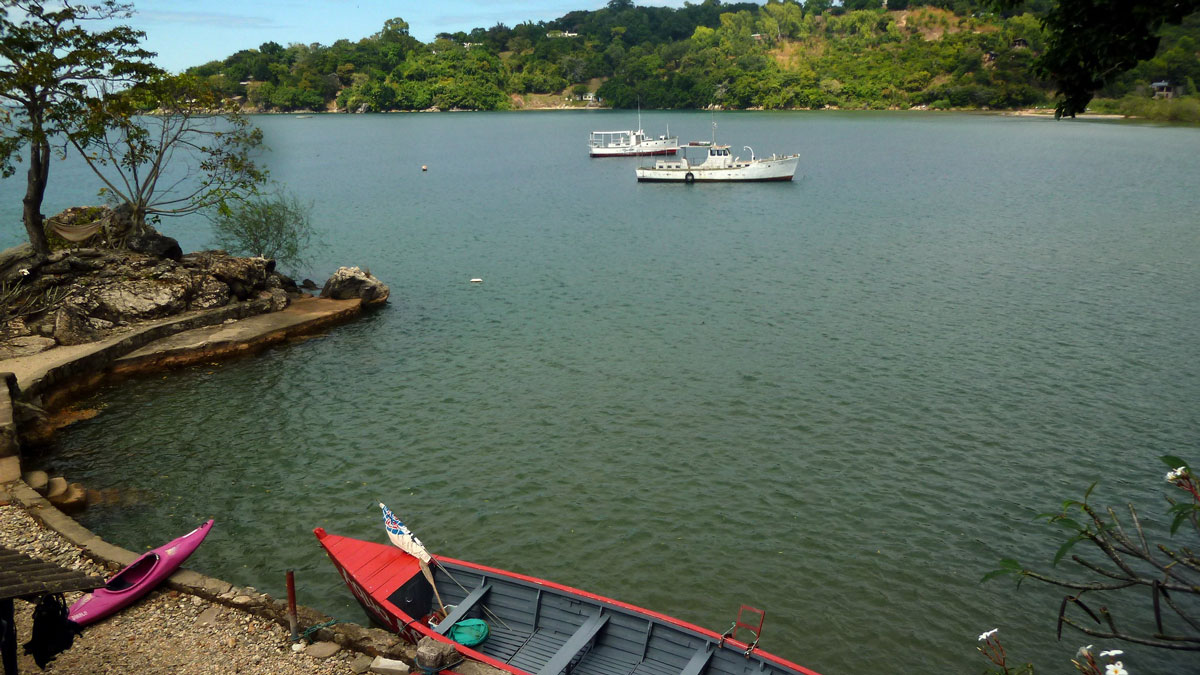
A small red boat is docked on the side of a lake, next to a wooden dock and a kayak. There are two motorized boats farther out on the lake and a hill covered in trees on the other side of the lake.
Posted inNews

Distant Oceans May Help Predict Malaria Risk in Malawi

by Toluwalogo Niji-Olawepo 30 July 202630 July 2026

A new study finds that ocean temperatures thousands of kilometers away shape soil moisture in Malawi, offering a potential tool for forecasting malaria outbreaks months in advance.

A gray funnel cloud touching Earth’s surface
Posted inNews

A New Tornado Database Helps Researchers Worldwide

by Andrew J. Wight 3 January 20257 January 2025

Thanks to unique geography and atmospheric conditions, the United States is a tornado hot spot, but these deadly whirlwinds also hit Africa, Asia, and Latin America.
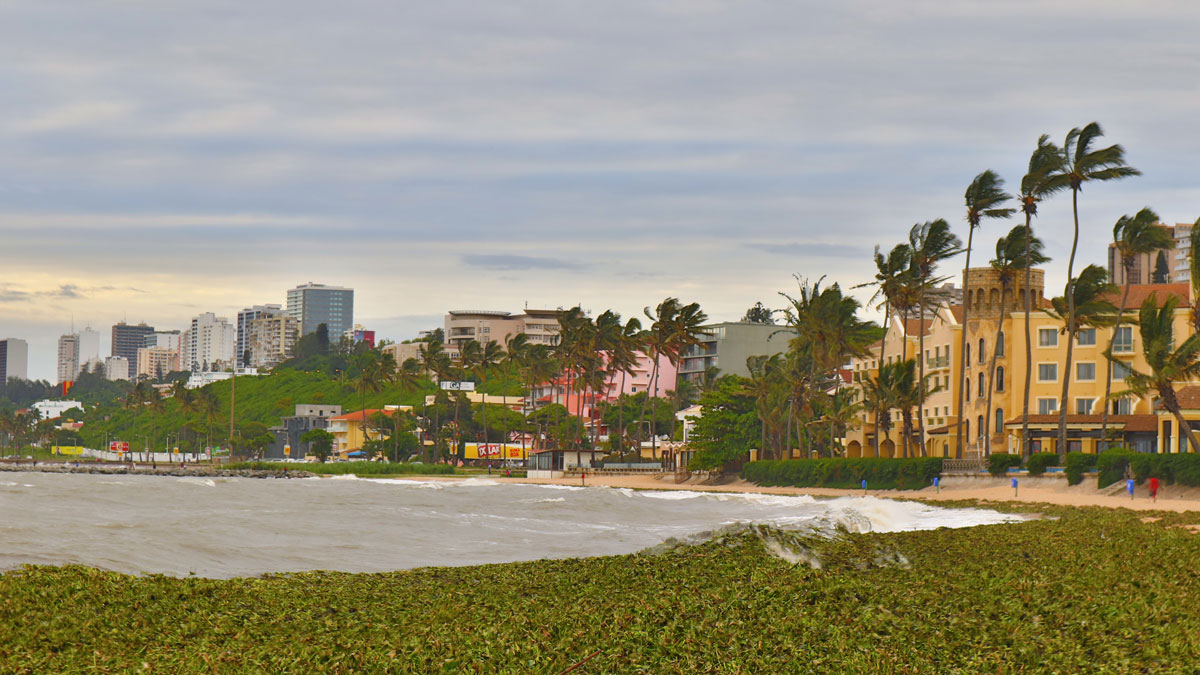
A strong wind blows on the coastal city of Maputo, Mozambique.
Posted inNews

Severe Storms Expose Ill-Equipped Weather Stations in Southeast Africa

by Munyaradzi Makoni 16 June 202220 September 2022

The lack of infrastructure is preventing scientists from robustly reporting meteorological information as well as communicating warnings about hazard-prone areas.

Mzuzu University, Malawi, AGU Celebrate 100 Grant Girls Science Camp
Posted inAGU News

Encouraging African Research for the Next Generation

by R. H. Holm 11 February 201910 May 2022

A Celebrate 100 Grant winner is organizing a series of Girls Science Day camps.

Over a dark blue-green square appear the words Special Report: The State of the Science 1 Year On.

Features from AGU Publications

Research Spotlights

Solar Panels Can Cool Crops—and Workers

19 August 202619 August 2026
Editors' Highlights

Why Channel Steepness Might Not Always Be What You Think it to Be

19 August 202618 August 2026
Editors' Vox

Decoding the Origins of Lightning’s Violent Currents

19 August 202619 August 2026
Eos logo at left; AGU logo at right

About Eos
ENGAGE
Awards
Contact

Advertise
Submit
Career Center
Sitemap

© 2026 American Geophysical Union. All rights reserved Powered by Newspack