


Samples of the Moon’s surface brought back by Apollo astronauts ushered in a new era of planetary science. Scientists today continue the legacy.
Space & Planets
Posted inGeoFIZZ
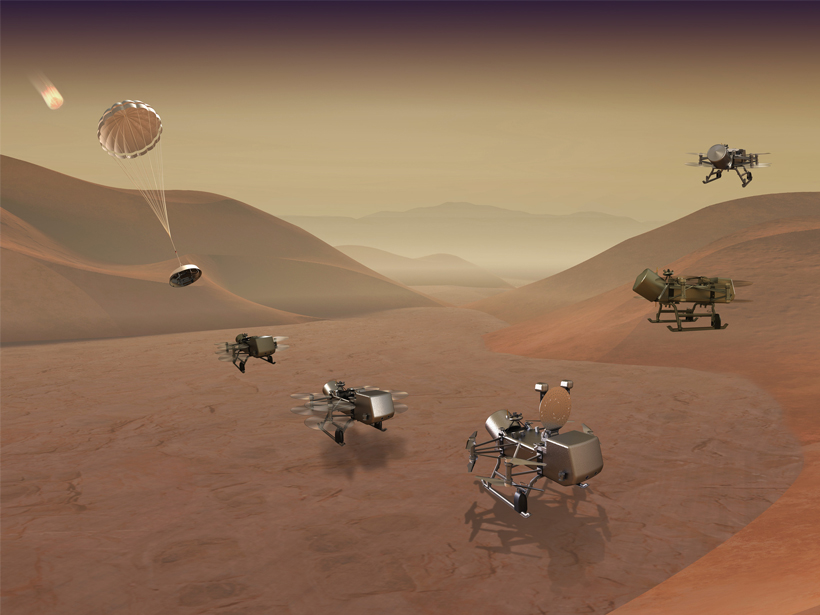
Spirits Are Flying High for Dragonfly and Titan
We’re sending a mission back to Titan, and it’s time to celebrate.

Posted inNews
Chemical Patterns May Predict Stars That Host Giant Planets
Stars with giant planets tend to have a few key elements in abundance. A new algorithm used these patterns to predict hundreds of stars that will likely have exoplanets if we go looking for them.

Posted inNews
An Underwater Telescope to Study Sky and Sea
To peer into the farthest reaches of the universe, you must first build a giant underwater telescope.
Posted inNews
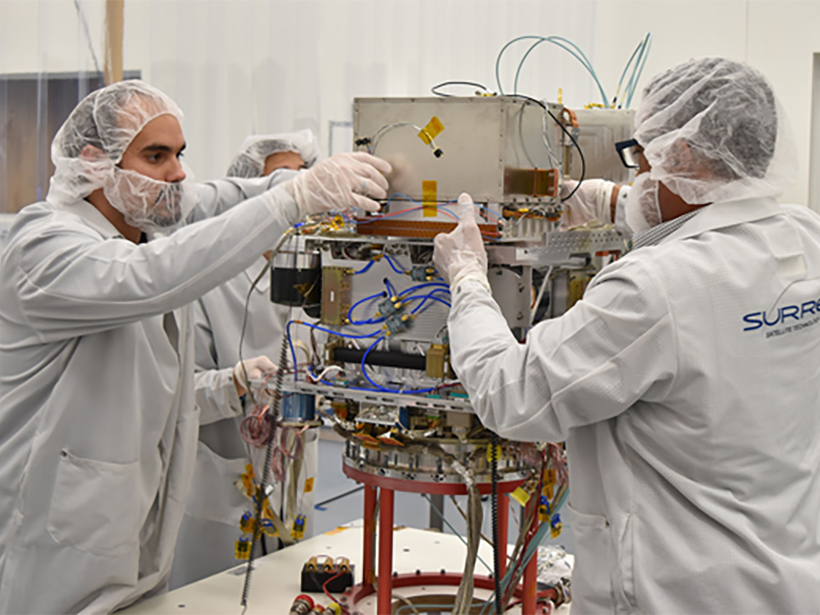
Ultraprecise Clock Will Facilitate Space Exploration

NASA’s Deep Space Atomic Clock, slated to launch later this month for a demonstration flight, will help spacecraft more efficiently navigate the solar system.

Posted inNews
Planetary Low Tide May Force Regular Sunspot Sync Ups
A regular alignment of the planets—no, it’s not pseudoscience—makes a strong enough tug to regulate the Sun’s 11- and 22-year cycles.
Posted inEditors' Highlights
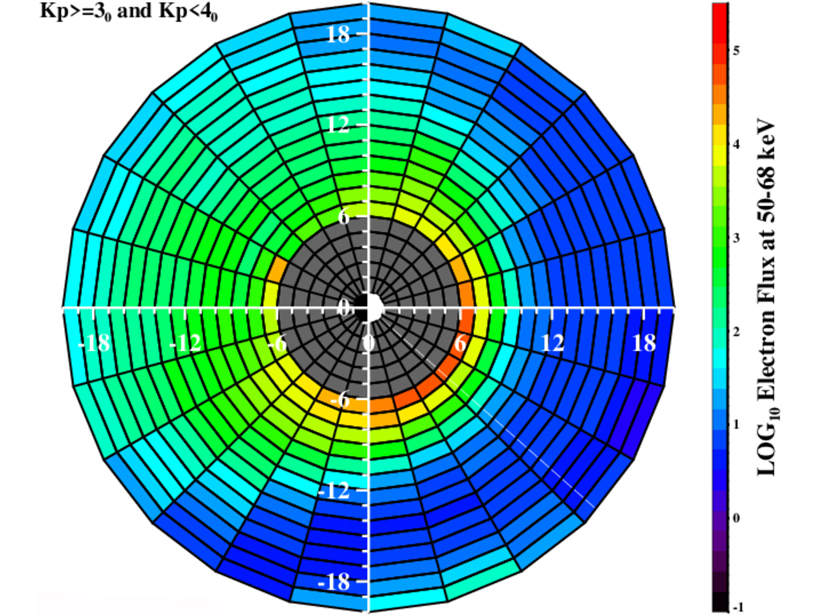
Extending the Envelope for Known Safe Locations in Space
When unattached electrons collide with spacecraft, the build-up of electric charge can cause malfunctions, but recent observations model near-Earth regions that are likely safe zones.
Posted inNews
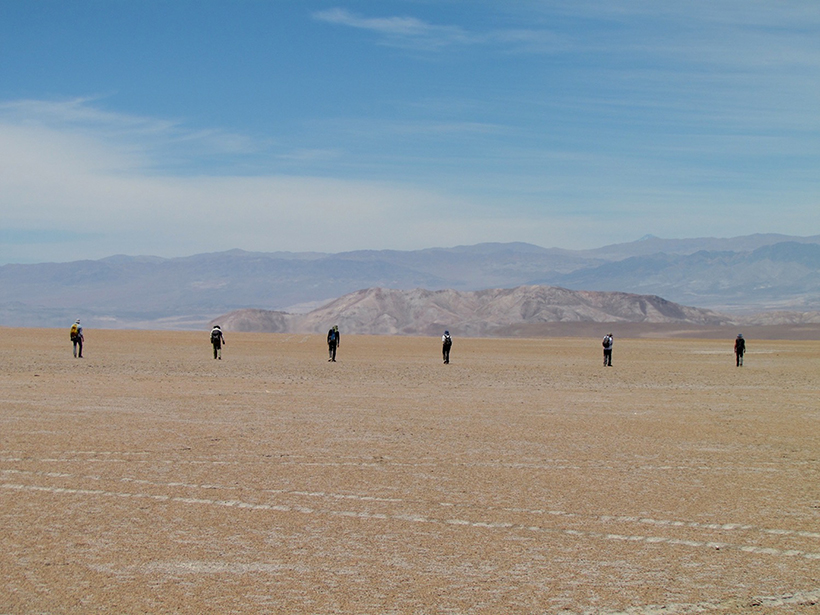
Oldest Meteorite Collection Found in World’s Oldest Desert

Rare 2-million-year record reveals the meteorite flux rate.
Posted inResearch Spotlights
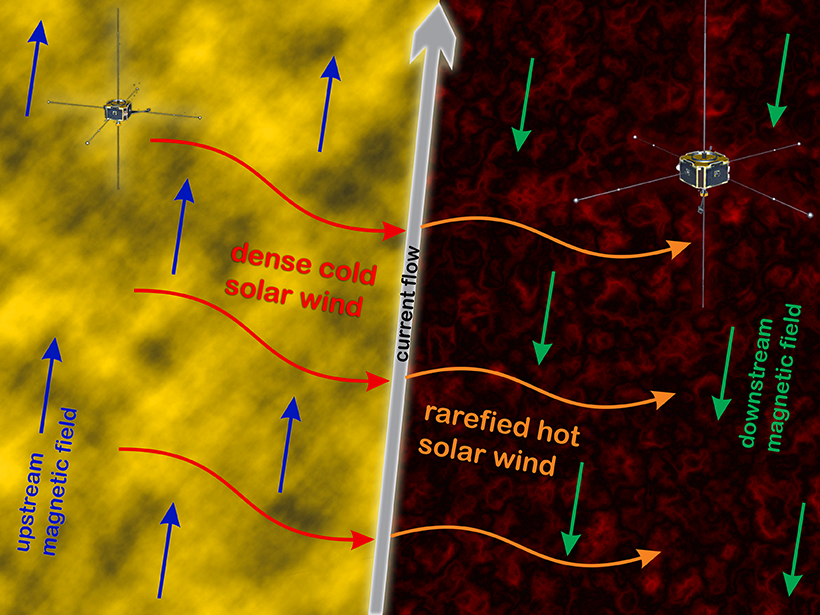
Understanding the Turbulent Nature of the Solar Wind
Sometimes the conditions in the solar wind can change dramatically over short distances. Satellite observations of these features show that they’re more complex than previously thought.

Posted inNews
Space Is Polluted by Junk…and It’s Getting Worse
The major shift from state to commercial space programs, as well as a sharp rise in the number of upcoming launches, raises concerns about our efforts to manage the problem.