• About
  • Sections
  • Topics
    • Climate
    • Earth Science
    • Oceans
    • Space & Planets
    • Health & Ecosystems
    • Culture & Policy
    • Education & Careers
    • Opinions
  • Projects
    • Postcards From the Field
    • ENGAGE
    • Editors’ Highlights
    • Editors’ Vox
    • Eos en Español
    • Eos 简体中文版
    • Print Archive: 2015–2025
  • Science Policy Tracker
  • Blogs
    • Research & Developments
    • The Landslide Blog
  • Newsletter
  • Submit to Eos
  • AGU.org
  • Career Center
  • Join AGU
  • Give to AGU
  • About
  • Sections
  • Topics
    • Climate
    • Earth Science
    • Oceans
    • Space & Planets
    • Health & Ecosystems
    • Culture & Policy
    • Education & Careers
    • Opinions
  • Projects
    • Postcards From the Field
    • ENGAGE
    • Editors’ Highlights
    • Editors’ Vox
    • Eos en Español
    • Eos 简体中文版
    • Print Archive: 2015–2025
  • Science Policy Tracker
  • Blogs
    • Research & Developments
    • The Landslide Blog
  • Newsletter
  • Submit to Eos
Skip to content
  • AGU.org
  • Career Center
  • Join AGU
  • Give to AGU
Eos

Eos

Science News by AGU

Support Eos
Sign Up for Newsletter
  • About
  • Sections
  • Topics
    • Climate
    • Earth Science
    • Oceans
    • Space & Planets
    • Health & Ecosystems
    • Culture & Policy
    • Education & Careers
    • Opinions
  • Projects
    • Postcards From the Field
    • ENGAGE
    • Editors’ Highlights
    • Editors’ Vox
    • Eos en Español
    • Eos 简体中文版
    • Print Archive: 2015–2025
  • Science Policy Tracker
  • Blogs
    • Research & Developments
    • The Landslide Blog
  • Newsletter
  • Submit to Eos

WHO

Air pollution from an Australian megafire on Kangaroo Island, South Australia, Australia, in January 2020.
Posted inResearch Spotlights

Health Impacts of Air Pollution from Australian Megafires

by Saima May Sidik 10 January 202222 February 2023

Models suggest that thousands of Australians experienced dangerous levels of air pollution for several months, leading to more than a hundred deaths.

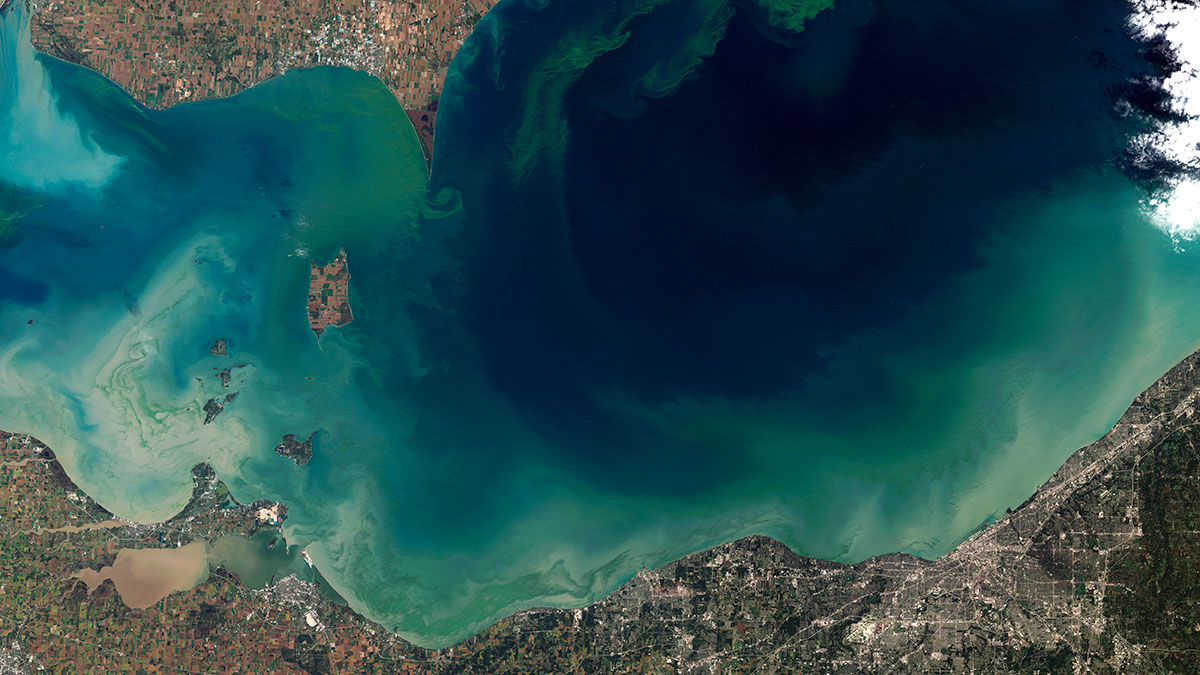
A satellite image of a bright green algae bloom in the dark blue waters of Lake Erie
Posted inResearch Spotlights

Cyanobacteria Blooms Exceed WHO Thresholds in Midwest Lakes

by Rebecca Dzombak 16 November 20216 June 2022

A study of 369 lakes across the Midwest finds that many of them, especially those close to agriculture, have high concentrations of harmful algal bloom-causing cyanobacteria.
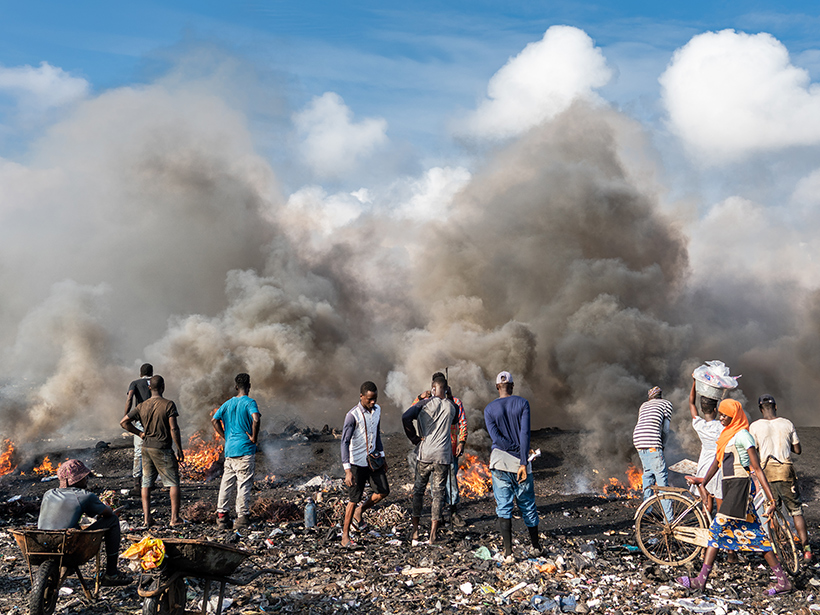
People stand in a scrapyard as dark smokes billows from several small fires.
Posted inResearch Spotlights

Tracking Air Pollution from Ghana’s E-Waste Site

Kate Wheeling, freelance science writer by Kate Wheeling 18 August 202013 March 2023

Researchers established a relatively low cost method that could help countries with limited monitoring capabilities measure particulate pollution in their skies.

People walking a tree-lined street during extreme smog conditions in New Delhi, India.
Posted inResearch Spotlights

Improving Air Quality Could Prevent Thousands of Deaths in India

by E. Underwood 7 August 20189 September 2024

More stringent emission controls are key to the country’s future health.

A view of a bridge, with the New Orleans skyline visible in the distance between the bridge and the water. A purple tint, a teal curved line representing a river, and the text “#AGU25 coverage from Eos” overlie the photo.

Features from AGU Publications

Research Spotlights

Our Ocean’s “Natural Antacids” Act Faster Than We Thought

30 January 202630 January 2026
Editors' Highlights

Cows, Coal, and Chemistry: The Role of Photochemistry in Methane Budget

27 January 202623 January 2026
Editors' Vox

Bridging the Gap: Transforming Reliable Climate Data into Climate Policy

16 January 202616 January 2026
Eos logo at left; AGU logo at right

About Eos
ENGAGE
Awards
Contact

Advertise
Submit
Career Center
Sitemap

© 2026 American Geophysical Union. All rights reserved Powered by Newspack