

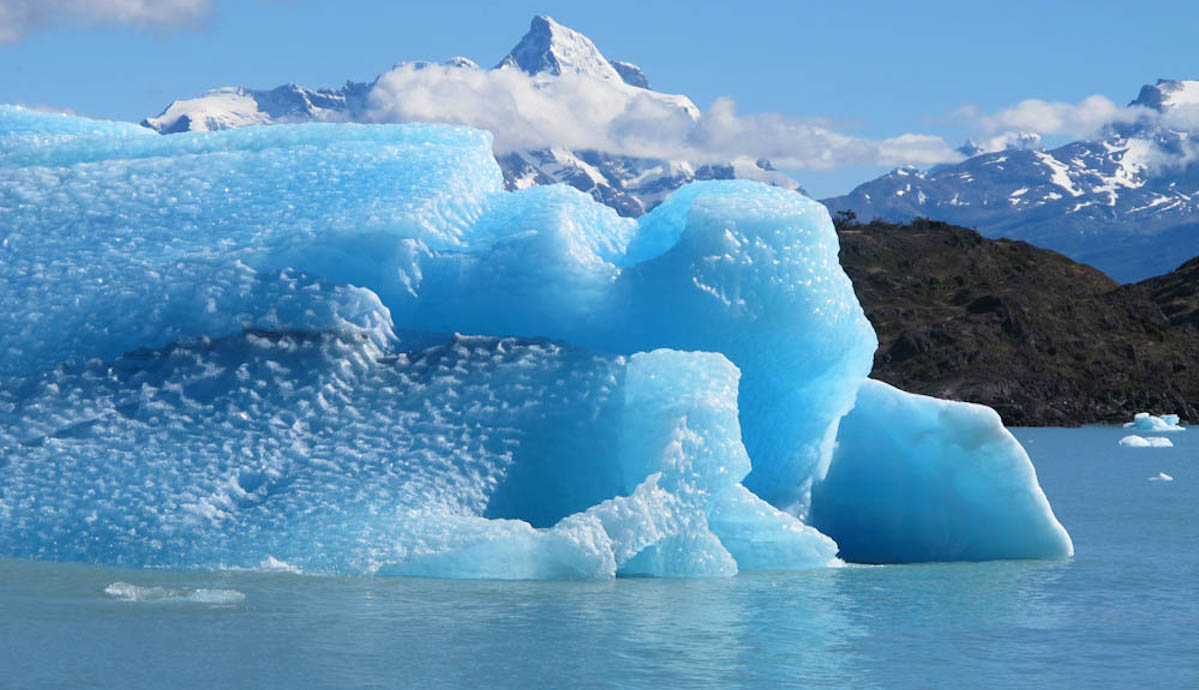
A new study, published in Nature Climate Change, indicates that at the regional level, many places on Earth have already surpassed 1.5°C (2.7°F), and suggests that other regions are close to warming as much as 2°C (3.6°F) due to human-caused climate change.
Grace van Deelen

Posted inResearch & Developments
Trump to Ease Methane Rules for Oil and Gas Wells
The Trump administration has announced plans to terminate some methane emissions restrictions for oil and gas companies, rolling back rules set by the Biden administration in 2024.
Posted inResearch & Developments
2026 State of the Climate Report Shows a Planet Reaching Its Limits
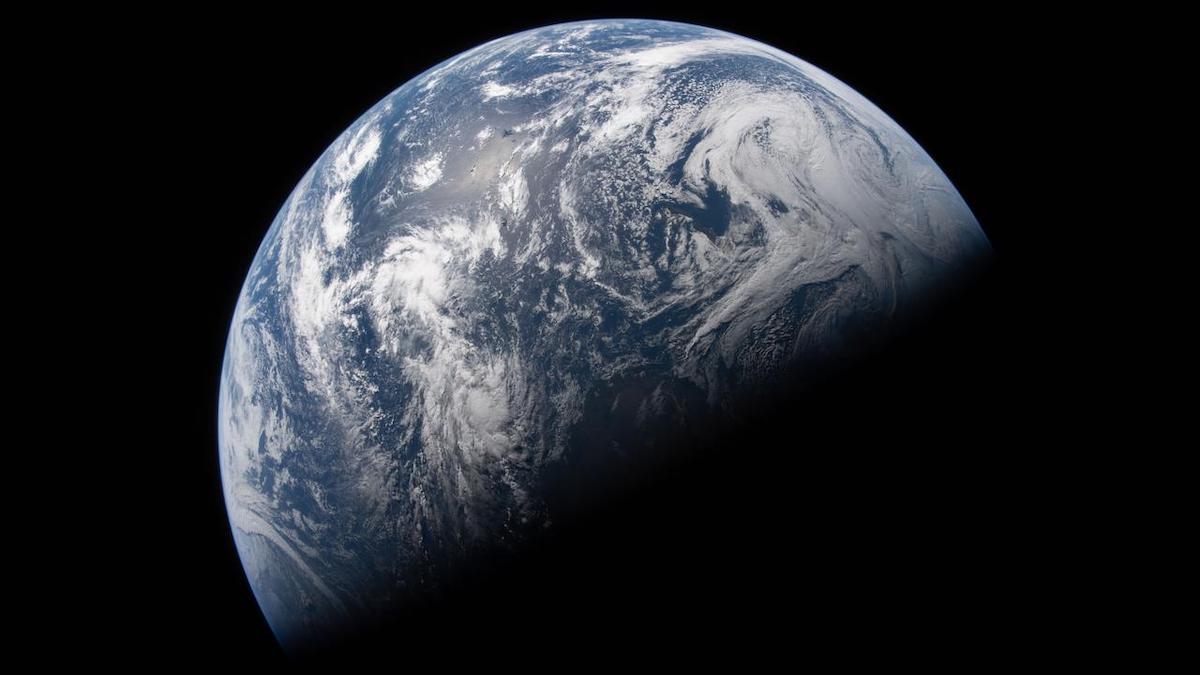
The seventh edition of an annual report analyzing Earth’s “planetary vital signs” indicates that Earth systems are rapidly destabilizing, some at an accelerating rate.
The report, published today in BioScience, analyzed 16 of these signs, including greenhouse gas emissions levels, ocean heat content and acidity, the mass of major ice sheets, the number of hot days, Earth’s surface temperature, and more.
Posted inResearch & Developments
EPA Will Remove Carbon Dioxide Limits on Power Plants
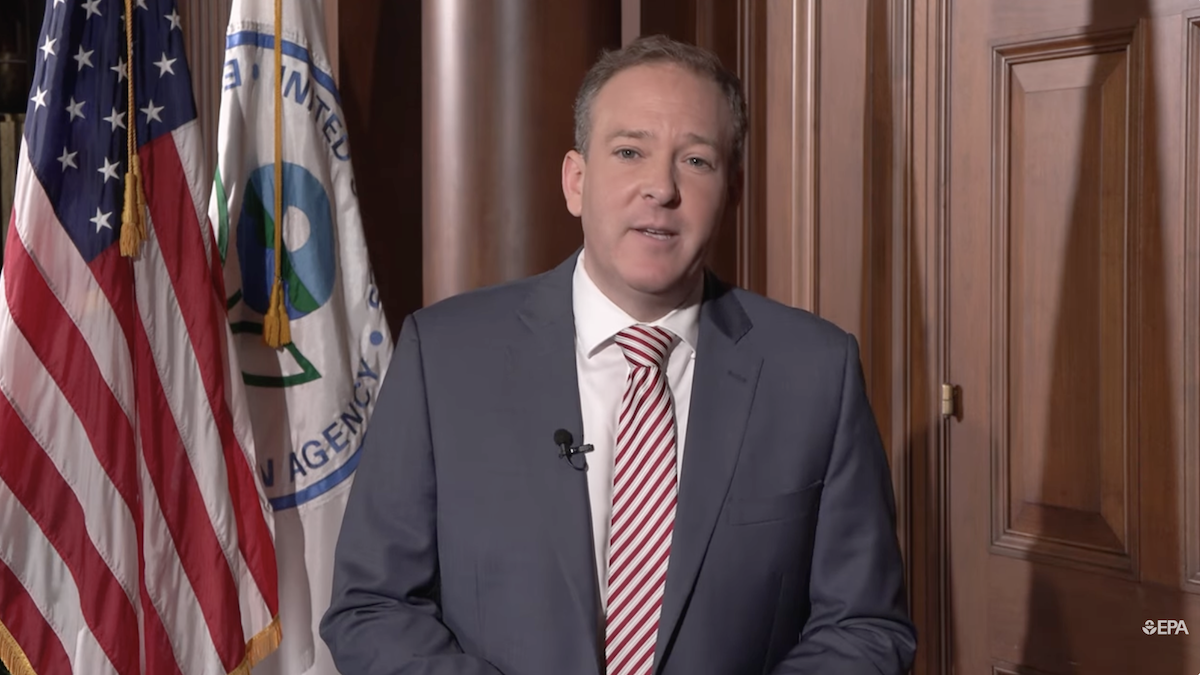
Today, the Environmental Protection Agency will announce the repeal of federal limits on power plant carbon dioxide emissions, finalizing a proposed rule that the agency has been considering since last spring.
The repeal means that coal-, oil-, and gas-powered electricity plants in the United States will no longer need to limit their carbon dioxide emissions in accordance with regulations set in 2024. Those rules required existing coal-powered and new gas-powered plants to control 90% of their carbon pollution. At the time, the Biden administration estimated that the rules would result in tens of billions of dollars’ worth of public health benefits.
Posted inResearch & Developments
The World Will Overshoot 1.5°C and Must Now Remove Carbon, United Nations Says
Humanity is certain to exceed the warming limit set by the Paris Agreement, a legally binding treaty meant to cap the world’s carbon emissions, according to a new report from the United Nations Environment Programme (UNEP).
Now, to reduce severe threats to human health, food security, water supplies, and more, societies will need to reach net-negative greenhouse gas emissions by not only cutting those emissions, but expanding carbon dioxide removal projects, a pathway called “overshoot, peak and decline.”
Posted inResearch & Developments
Climate Change Made Spain Wildfires At Least 20 Times More Likely
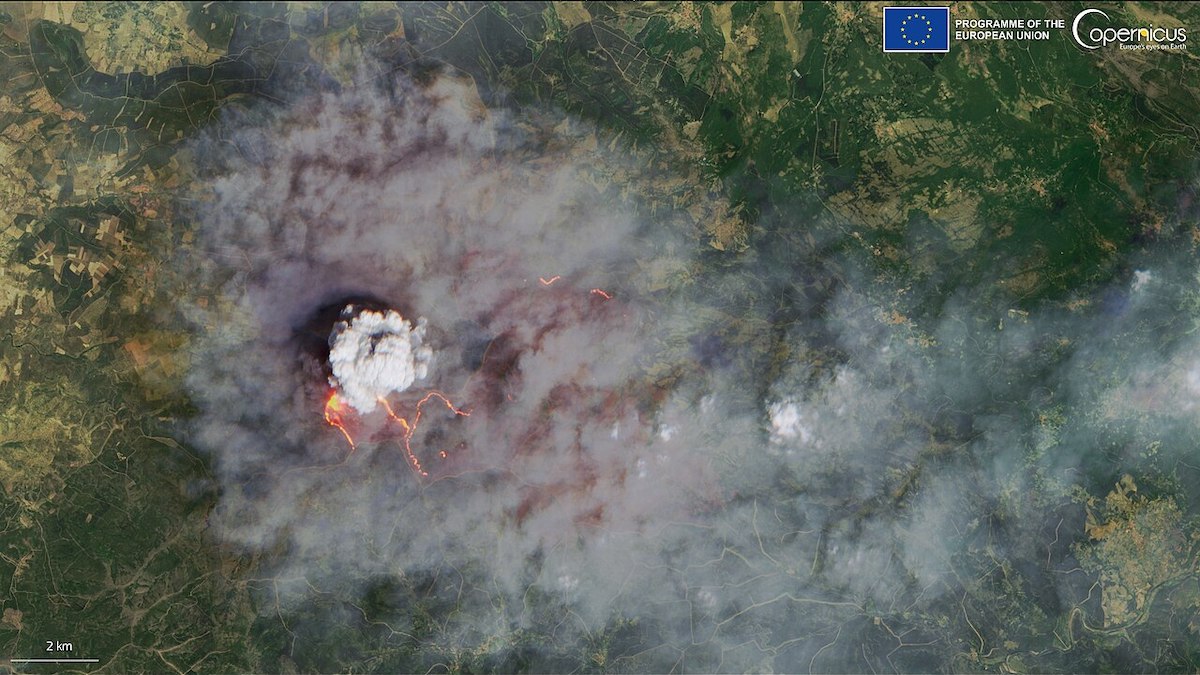
Over the past two weeks, large wildfires in southwestern France and central Spain have burned 255,000 hectares, displaced hundreds of thousands of people, and created extremely poor air quality even hundreds of kilometers away. Though firefighters have now contained the major fires, a forecasted heat wave and windy weather are threatening to worsen the situation.
Climate change played a role in creating the conditions for these fires to burn and spread, a new analysis has found.

Posted inResearch & Developments
Number of Scientific Publications from EPA Authors Has Dropped During Trump Administration
The number of peer-reviewed scientific studies authored by scientists at the EPA has declined since the beginning of Donald Trump’s second administration, according to a new analysis.
The analysis was published by Public Employees for Environmental Responsibility (PEER), a nonprofit organization that advocates for public employees in the natural resource and environmental professions. The paper tracks the number of peer-reviewed scientific studies authored by EPA scientists since 1977.
Posted inResearch & Developments
Trump Terminates Entire National Science Board
The National Science Board directs and approves large funding decisions for NSF’s approximately $9 billion basic science research budget. It is meant to function independently from the federal administration to keep science funding insulated from political pressure and budget cycles.
Posted inResearch & Developments
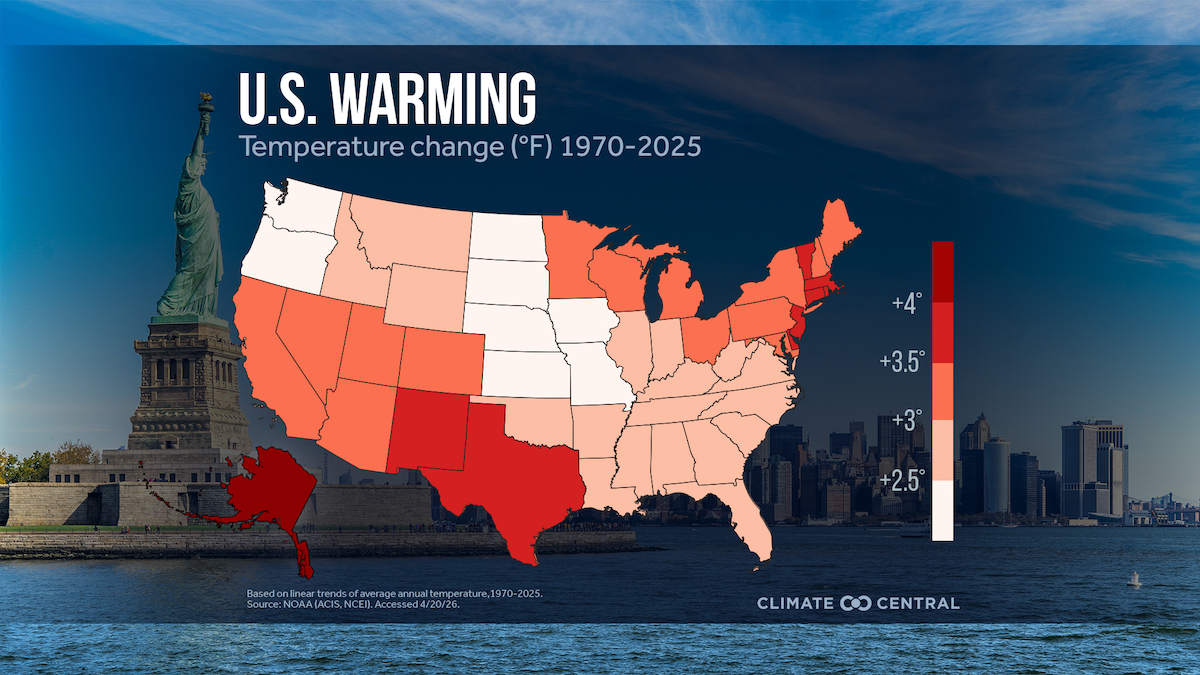
Temperatures in Nearly All Major U.S. Cities Have Warmed Since First Earth Day
After more than half a century of Earth Days, one planetary challenge—climate change—threatens our planet more than ever.
In 1970, the year Sen. Gaylord Nelson, D-Wisc., organized the first Earth Day events, the annual average concentration of carbon dioxide in the atmosphere was 326 parts per million. In 2025, it was 31% higher, at 427 parts per million.
Posted inResearch & Developments
UN Emissions Gap Report: Despite Progress, World Still Far Behind Climate Targets
Current emissions trajectories are on track to warm the world by as much as 2.8°C (5.04°F) above preindustrial levels by 2100, according to a report released today by the United Nations Environment Programme (UNEP).