
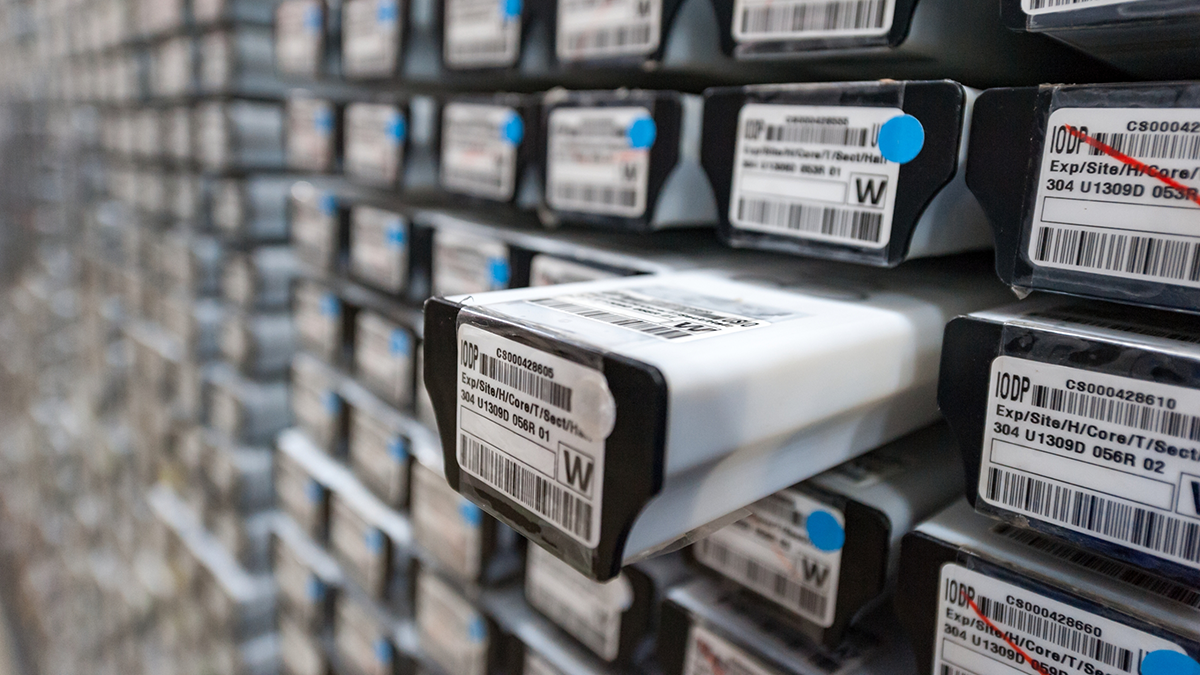
From ancient greenhouse worlds to ice ages, Earth’s past offers vital clues to its future. Explore the 40th anniversary special collection from Paleoceanography and Paleoclimatology.
Editors’ Vox
Posted inEditors' Vox
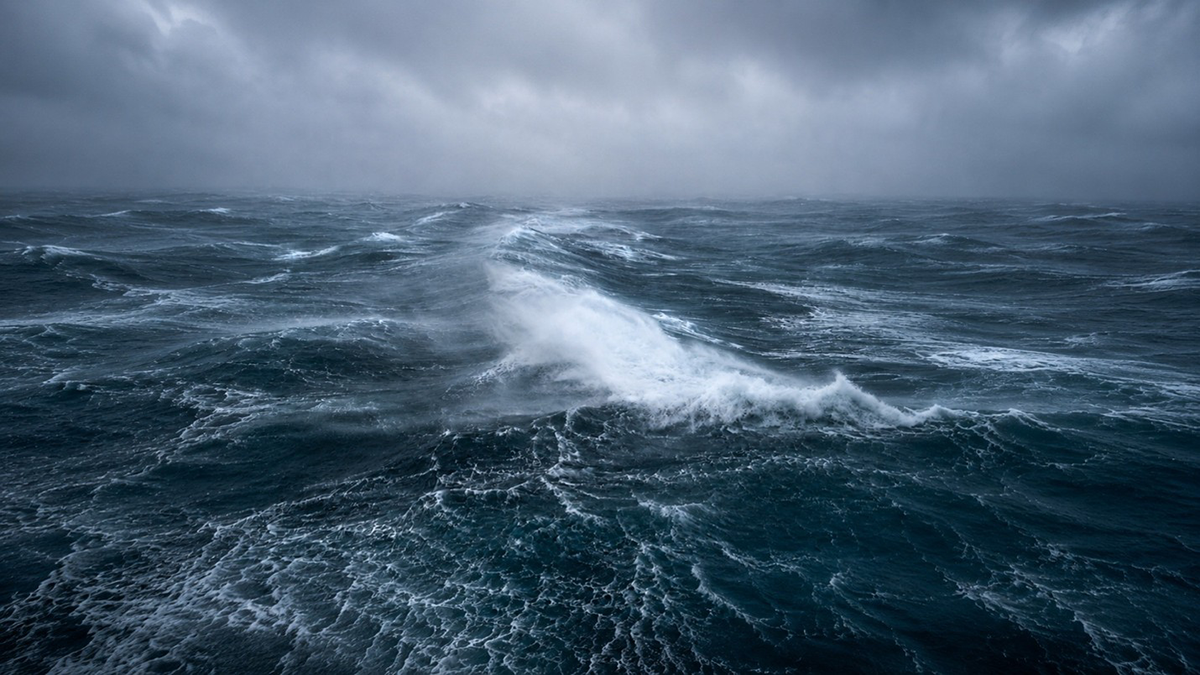
How Bubbles Reshape Air-Sea Gas Exchange
Bubbles produced by breaking waves provide an important but often overlooked pathway for exchanging carbon dioxide, oxygen, and other gases between the ocean and atmosphere.
Posted inEditors' Vox
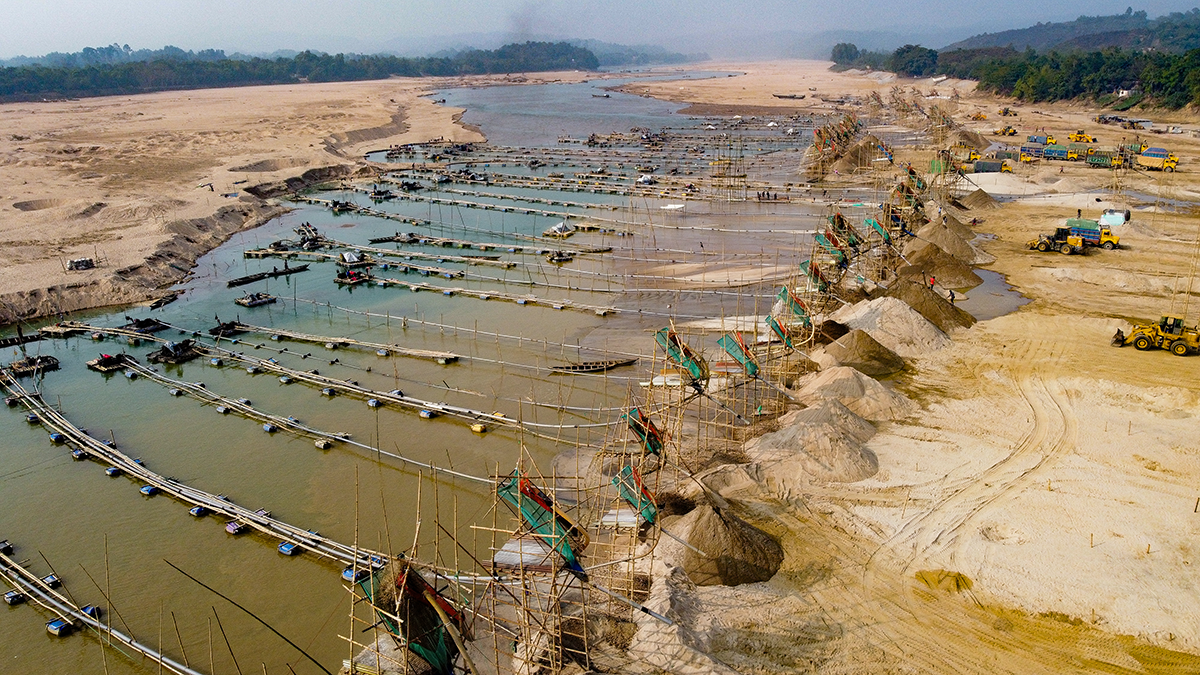
The Hidden Costs of Mining River Sand
River sand and gravel fuel global construction, but their extraction is reshaping rivers, ecosystems, and communities faster than sustainable management can keep pace.
Posted inEditors' Vox
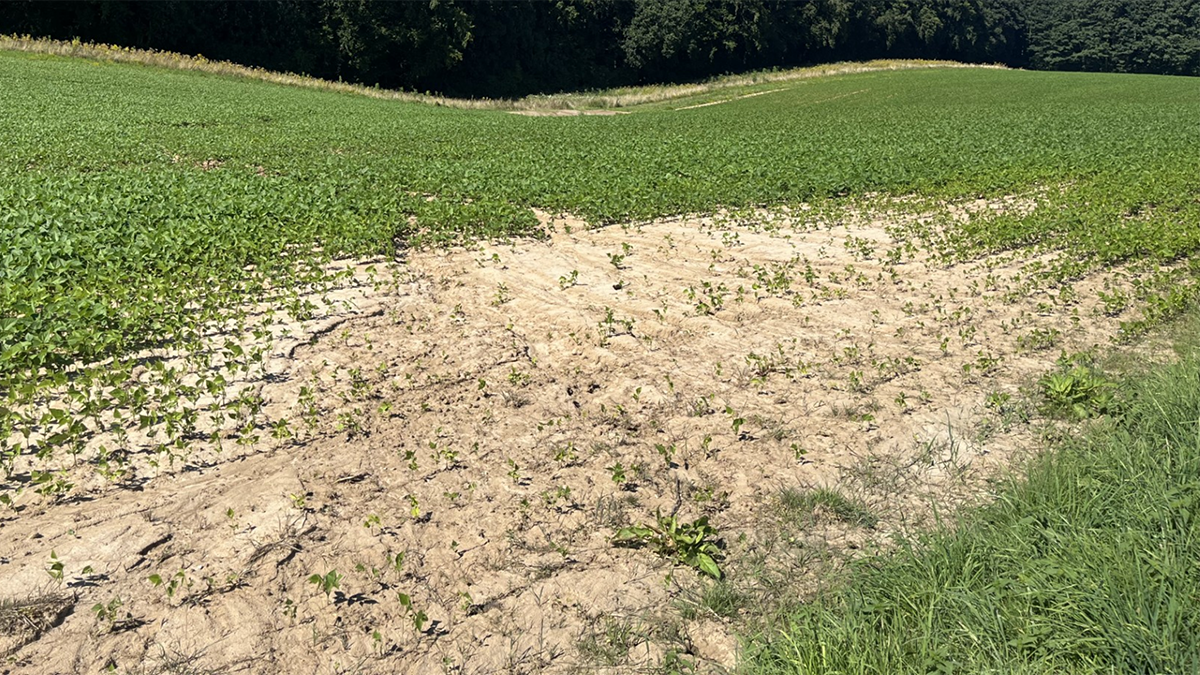
Why Healthy Soils Matter More Than Ever
Soil degradation threatens food security, water resources, biodiversity, and climate resilience. A new article explores its causes, impacts, monitoring methods, and restoration solutions.
Posted inEditors' Vox
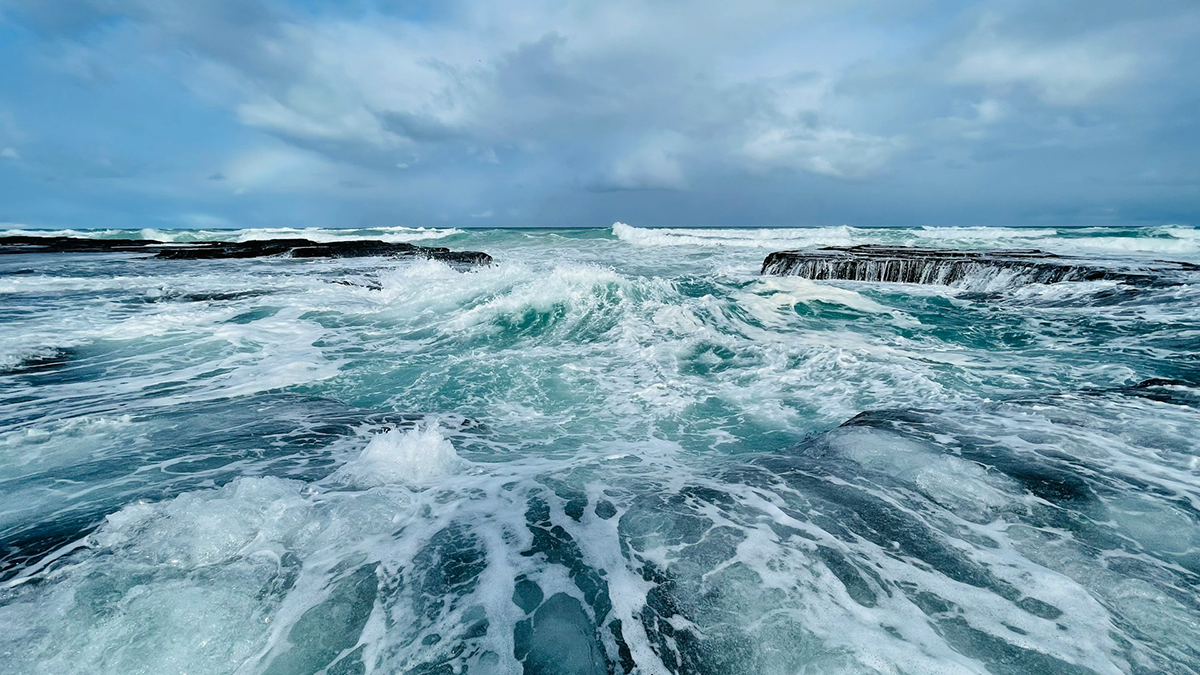
Small-Scale Indian Ocean Dynamics Underpin Marine Ecology and Climate
With unique monsoon, mesoscale and submesoscale processes, the Indian Ocean offers critical insights and new challenges to achieving a full understanding of marine environments and the Earth system.
Posted inEditors' Vox
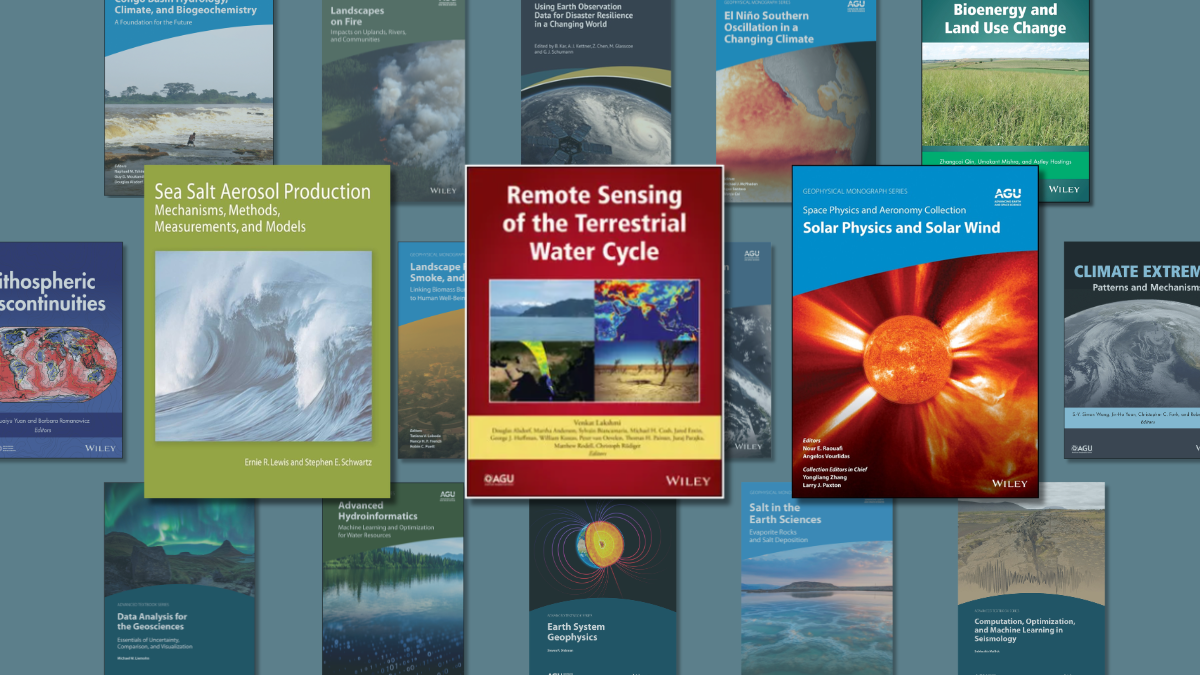
7 Decades of Books Leave a Lasting Legacy
Authors and Editors reflect on the lasting impacts of their books in honor of the AGU Books Program’s 70th anniversary.

Posted inEditors' Vox
The Editorial Board Marks the Latest Chapter in AGU Books
In honor of the AGU Book Program’s 70th anniversary, Editorial Board members reflect on their involvement over recent years and the importance of books in scholarly literature.
Posted inEditors' Vox
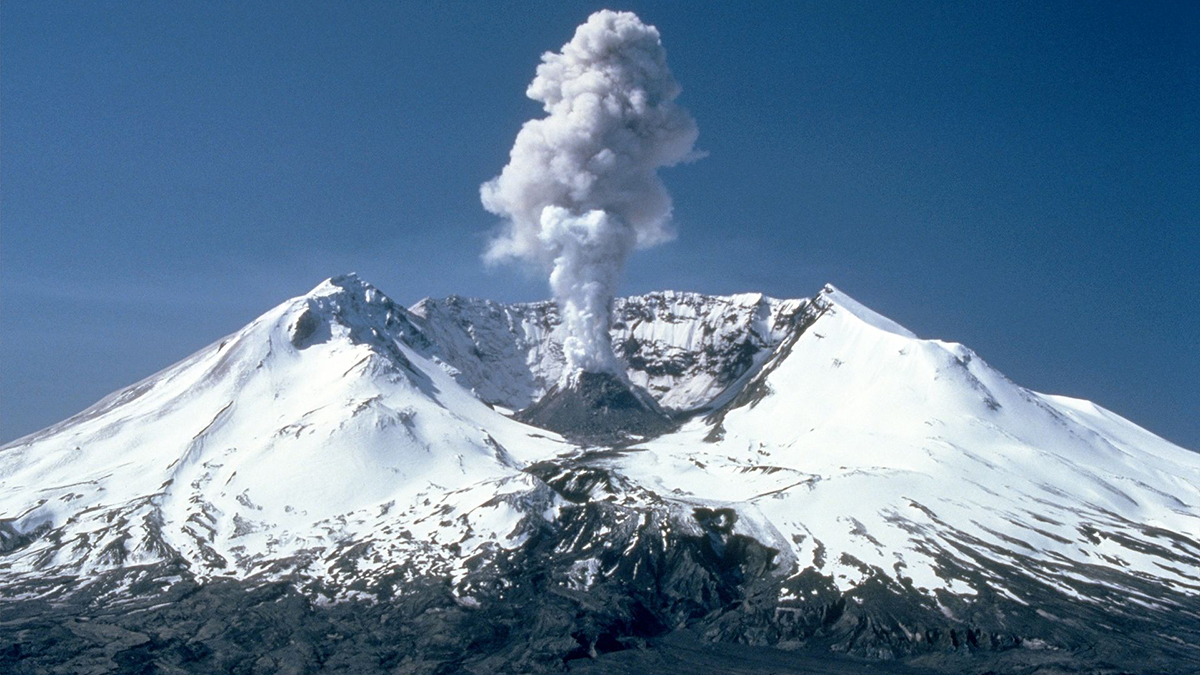
From Volcanic Vents to Safer Skies
Improved estimates of Eruption Source Parameters can sharpen forecasts of volcanic plume rise and ash dispersal, supporting aviation safety and hazard response.
Posted inEditors' Vox
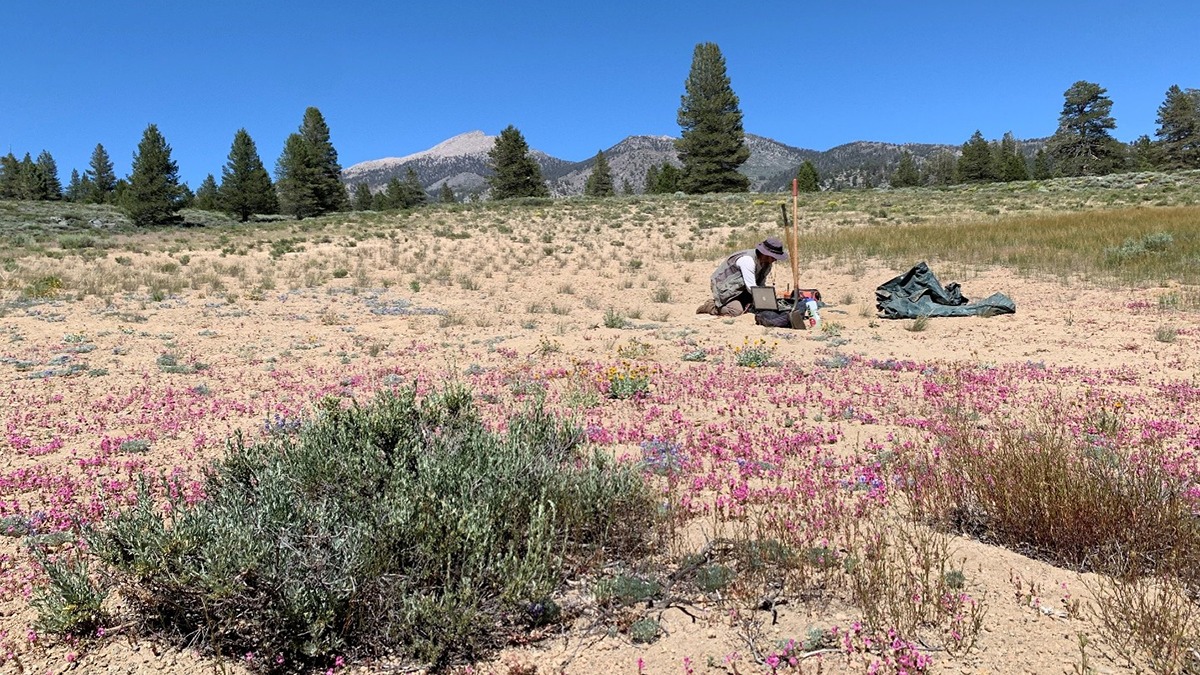
Mapping the Hidden Electrical Anatomy of a Continent
After nearly two decades, the first continent-wide magnetotelluric survey reveals the high-resolution electrical architecture of the North American continent.
Posted inEditors' Vox
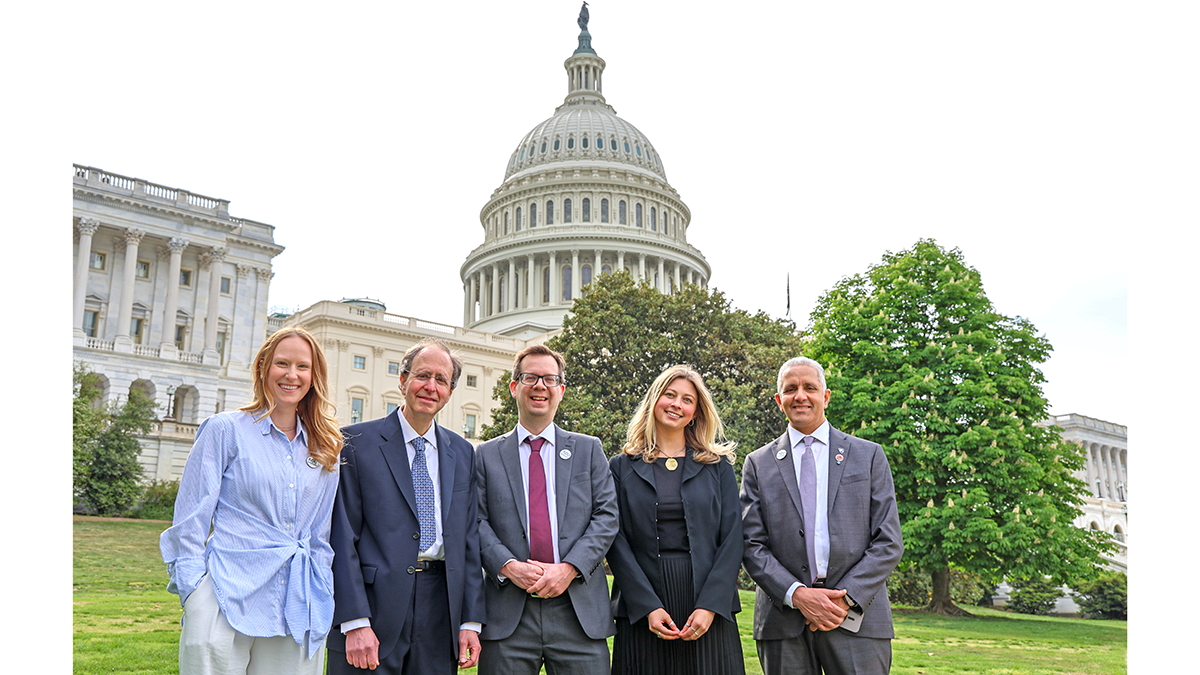
The Impact of Advocacy: American Geophysical Union’s Days of Action
AGU’s Days of Action participants, representing 24 states and Washington D.C., joined together to advocate for bills growing, protecting, and strengthening the scientific workforce and ecosystem.