
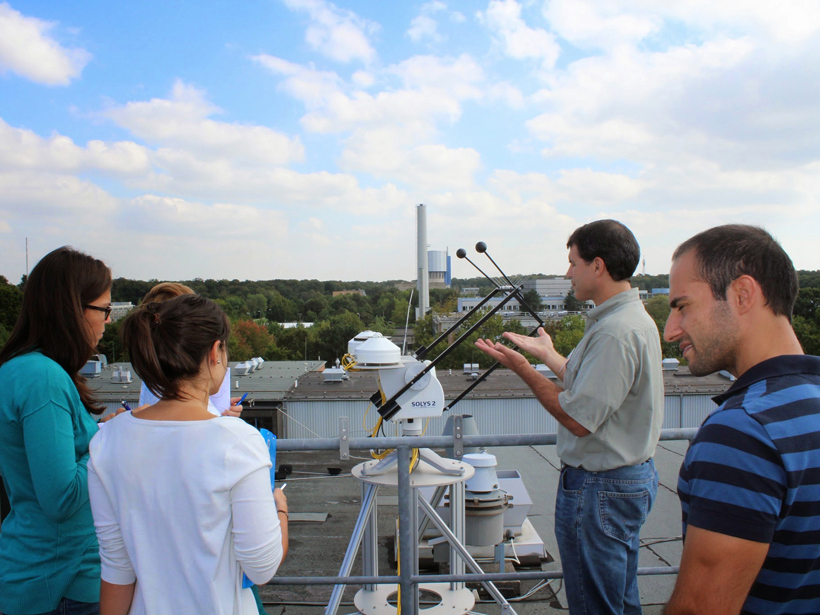
A training initiative in Europe opens doors for young scientists, promoting collaboration and broadening their skills with unique opportunities in atmospheric research.
academia

Posted inScience Updates
Promoting Geosciences at Minority-Serving and 2-Year Colleges
Geo-Needs Focus Group Meetings; Naperville, Illinois, 5–7 and 9–11 August 2015
Posted inScience Updates
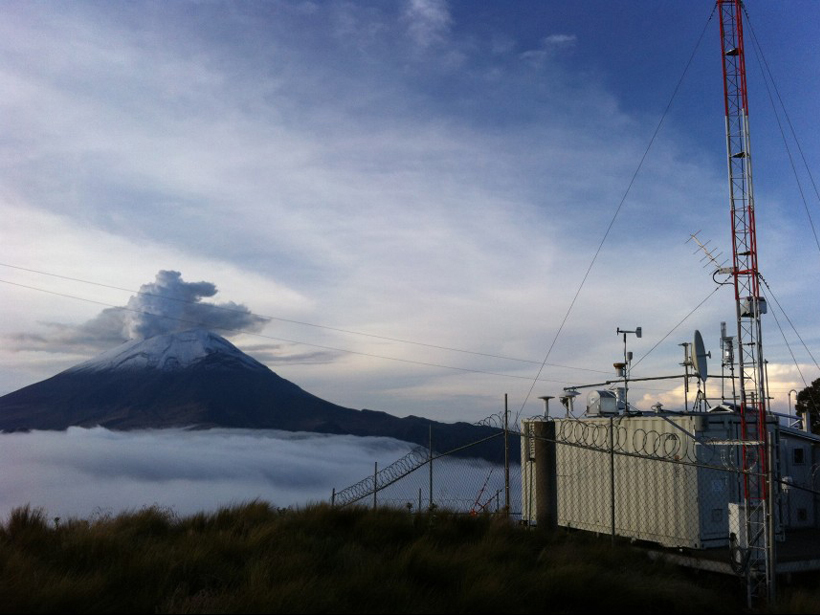
Mexico's University Network of Atmospheric Observatories
Increasing cooperation in Mexico benefits climatologists, meteorologists, and science as a whole.
Posted inNews
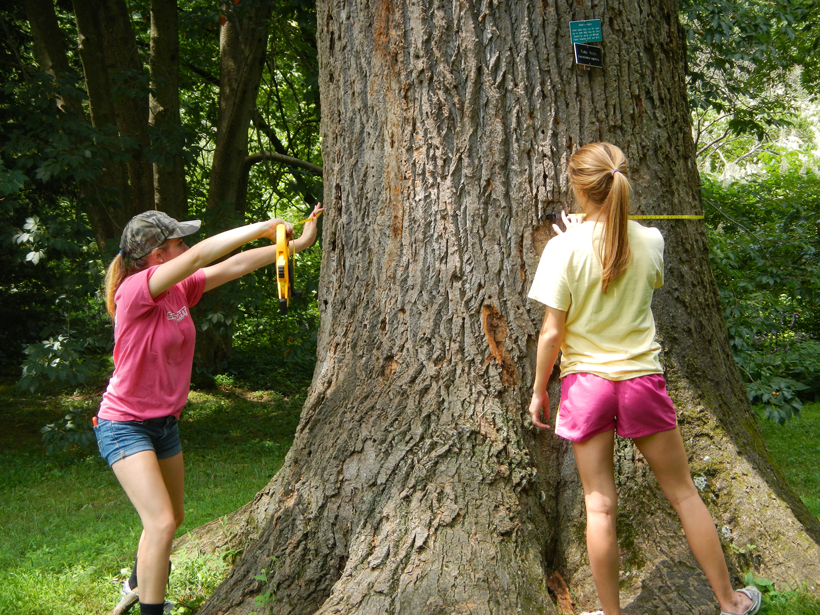
Report Stresses Need for Real Research in Undergraduate Classes

Its findings arise from a meeting of educators and scientists called by the National Academies of Science, Engineering, and Medicine on including "discovery-based" research in undergraduate courses.

Posted inEditors' Vox
AGU Workshops for Authors and Reviewers
AGU and AGU editors led a number of workshops in 2015 on how to be a successful author to worldwide audiences as well as to how to effectively review scientific papers. First, Yusuke Yokoyama (Editor for Geochemistry, Geophysics, Geosystems) convened a workshop at the JPGU meeting in Tokyo, Japan.
Posted inScience Updates
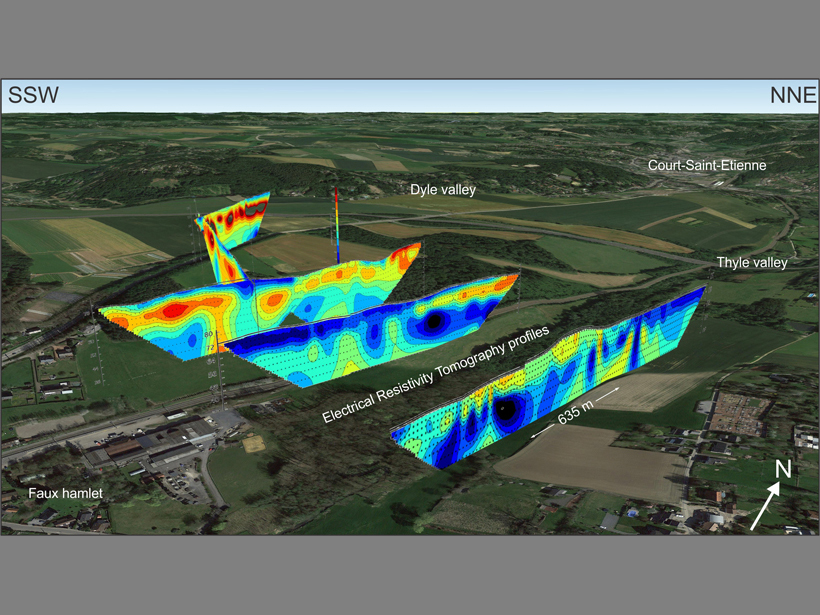
Visualizing Cross-Sectional Data in a Real-World Context
Combining the capabilities of an open-source drawing tool with Google Earth maps allows researchers to visualize real-world cross-sectional data in three dimensions.

Posted inOpinions
Steps to Building a No-Tolerance Culture for Sexual Harassment
The American Geophysical Union can lead the way in building an environment where sexual and other types of harassment have no place.

Posted inAGU News
AGU Signs Agreement with Council on Undergraduate Research
Collaboration between the scientific society and the educational organization aims to foster research opportunities and diversity in undergraduate geoscience education.
Posted inNews
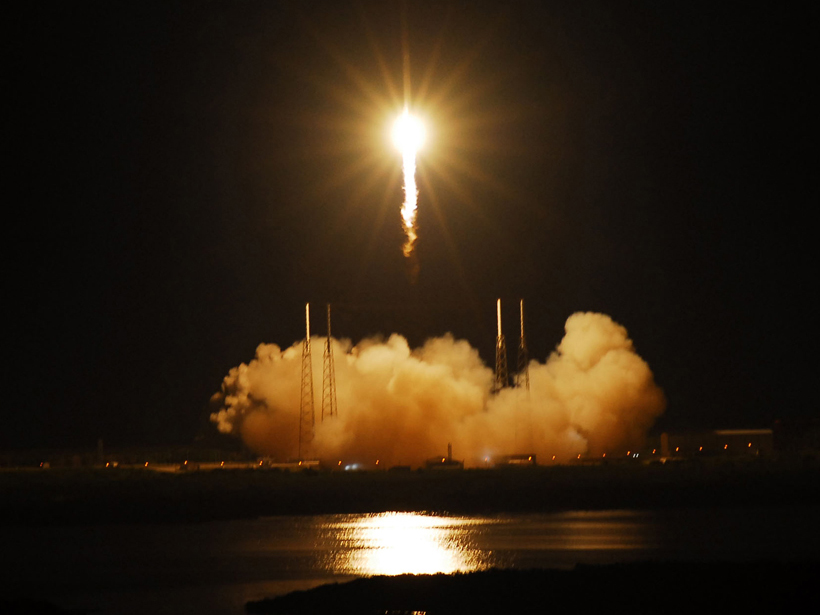
United States Still First in Science, Tech Research Spending

Although federal funding of science and engineering research has fallen behind inflation, private sector investment remains high, reports the U.S. National Science Board in its latest update.
Posted inOpinions
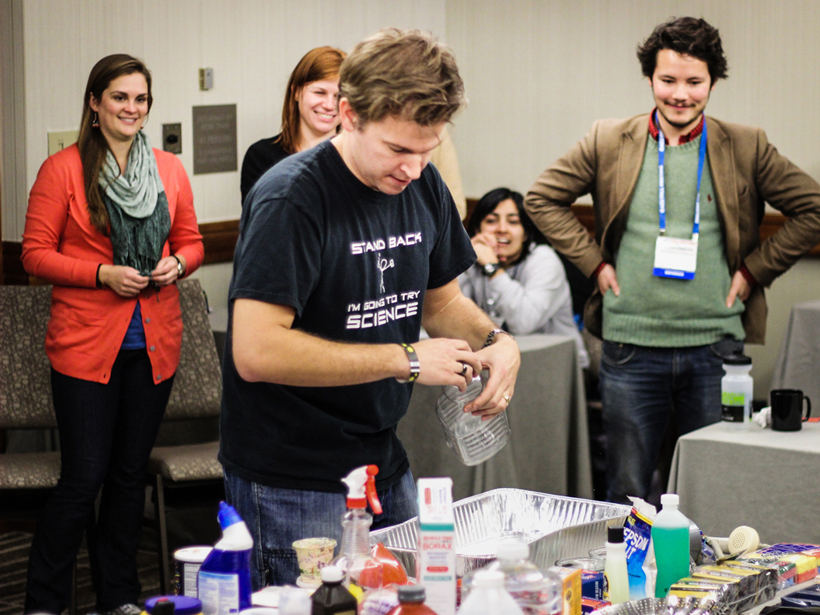
Creating Community for Early-Career Geoscientists
Student involvement in geoscience unions: A case study from hydrology