
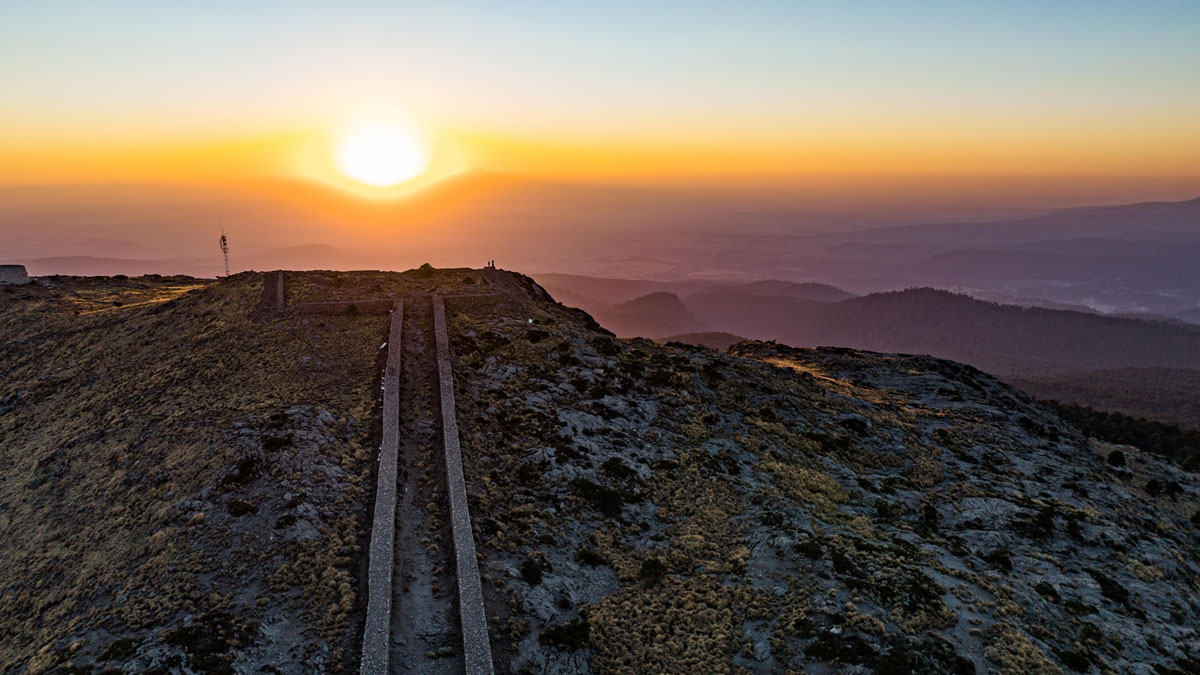
Horizon calendars were a key part of time measurement for pre-Hispanic cultures in the Basin of Mexico. A new study suggests that calendars were used to manage the agricultural cycle.
astronomy

Posted inScience Updates
A New Journey Around (and Around) the Sun
The Solar Orbiter just completed its commissioning phase while en route to the Sun. It has already provided valuable looks at solar campfires and Venus’s magnetic fields, and it promises much more.
Posted inENGAGE, News
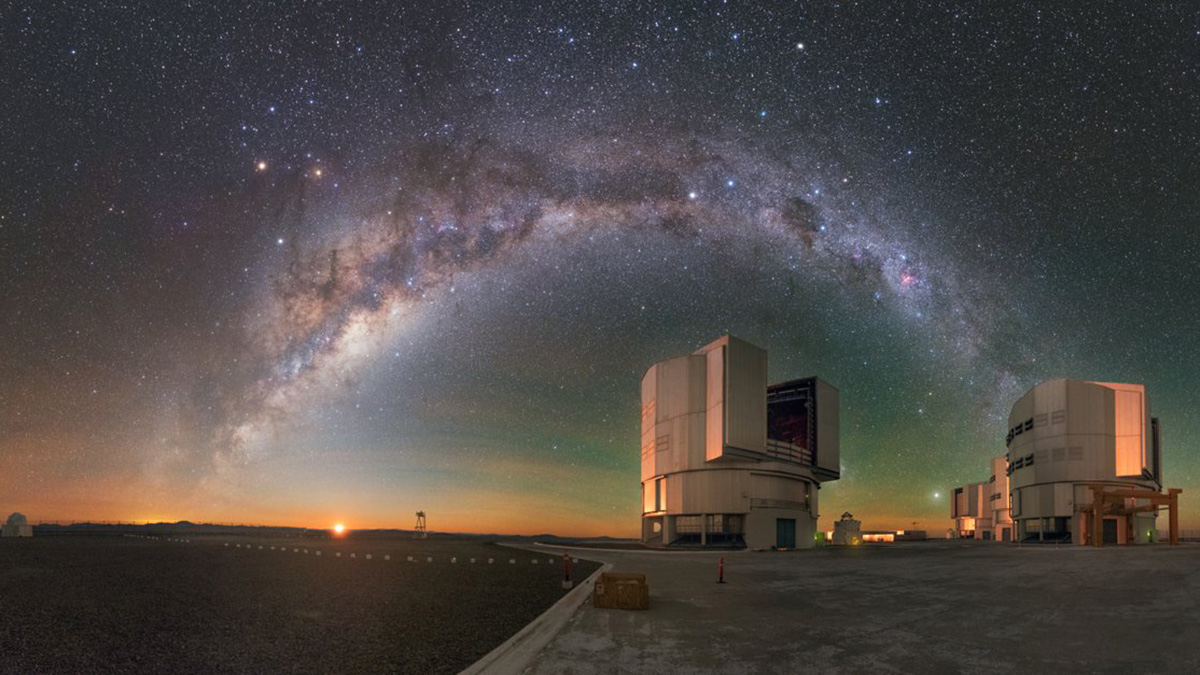
Five Reasons Geoscience Should Care About Astronomy’s New Road Map

The latest road map to U.S. astronomy’s next decade recommends a smaller space telescope, ground-based facilities, and an institutional effort to create an inclusive and equitable field.
Posted inNews
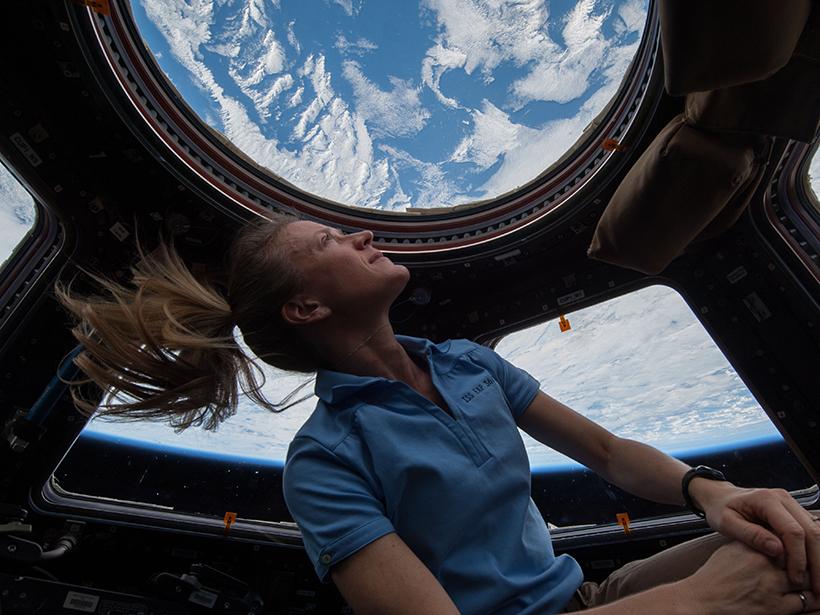
Astronomers for Planet Earth
A volunteer network of astronomers is using a unique astronomical perspective to educate people about the climate crisis while at the same time striving for sustainability in academia.

Posted inNews
The Closest Black Hole Is 1,000 Light-Years Away

An unseen object—probably a black hole—orbits with two normal stars in our cosmic neighborhood.
Posted inNews
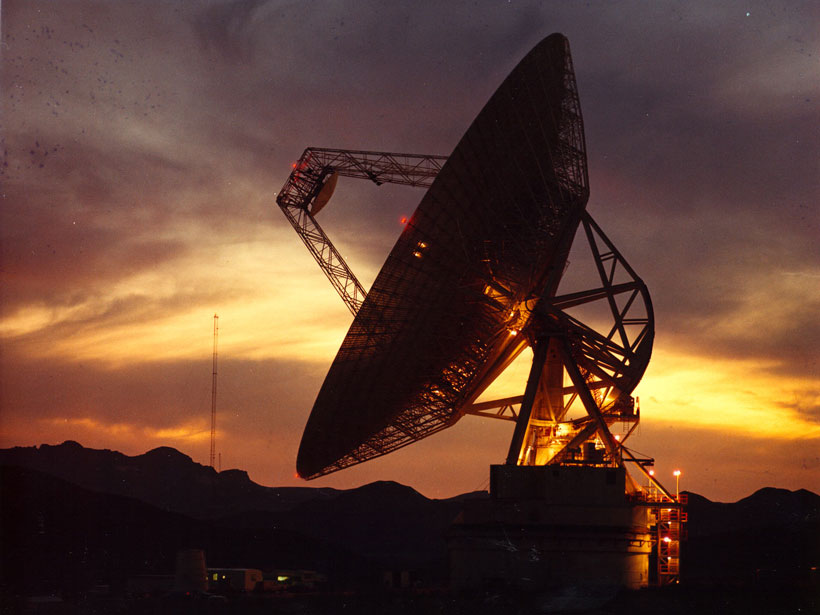
More Than Just Astronomy: Radio Telescopes for Geophysics
Linking an existing network of radio telescopes with satellite radar would make it possible to measure ground displacements in a globally consistent way, scientists propose.

Posted inNews
Interstellar Interloper Borisov Looks Like a Regular Comet, for Now

A first look at the chemical composition of the interstellar comet Borisov reveals ingredients that look a lot like those found in solar system comets. That’s not likely to last very long.
Posted inAGU News
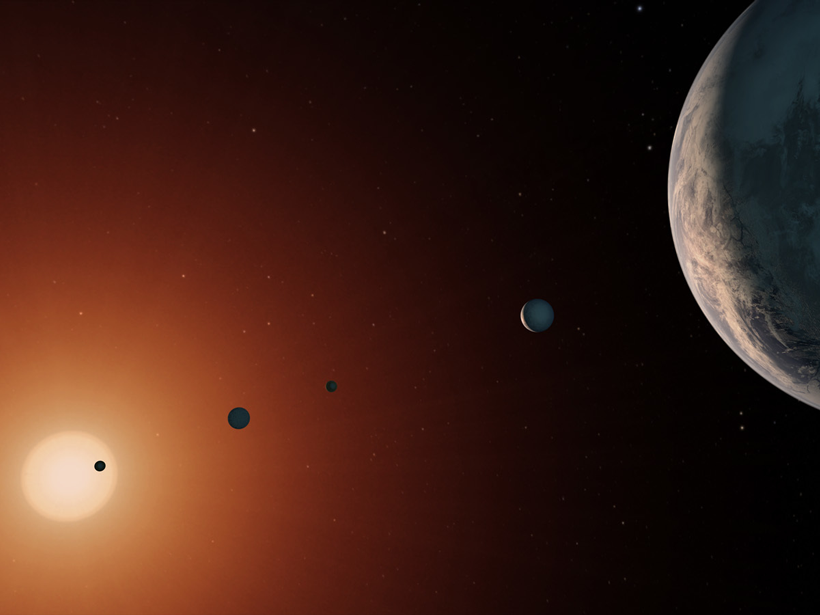
AGU and AAS Join Forces to Foster Understanding of Exoplanets
Enhanced cooperation between organizations representing astronomers and Earth and space scientists will build upon interdisplinary work already bridging geophysics and astronomy.
Posted inNews
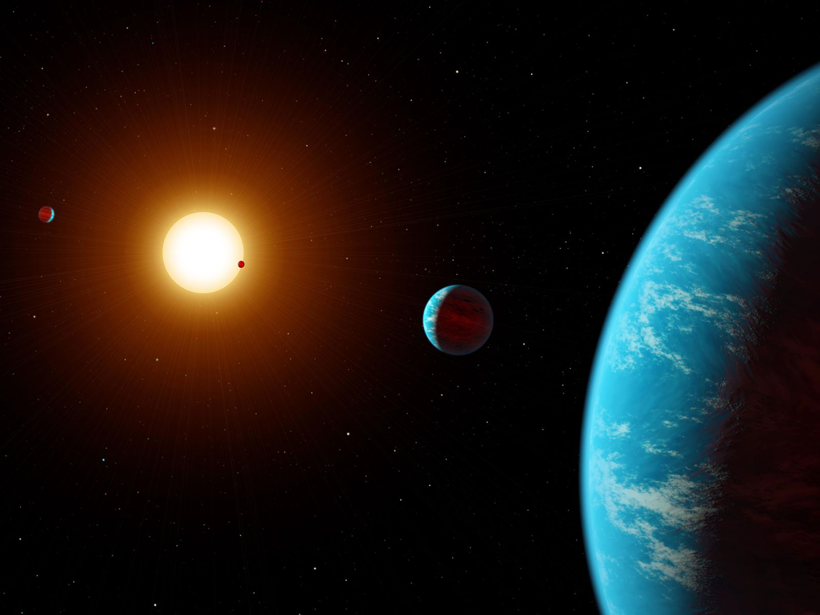
Looking to the Future of Exoplanet Science
Upcoming missions seeking to unravel the secrets of exoplanets abound. An informal survey of astronomers revealed which of those projects they most eagerly await.
Posted inNews
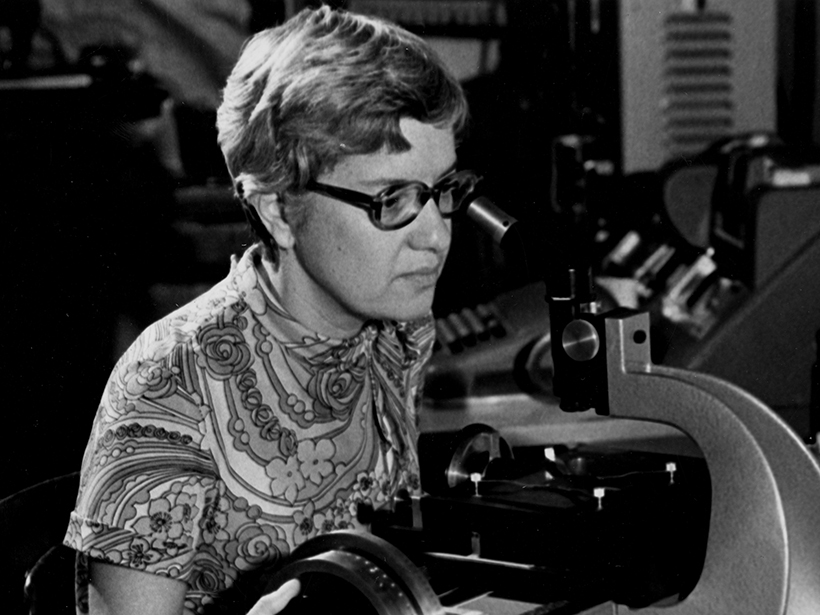
Vera Rubin (1928–2016)
A luminary's luminary, Rubin shed light on the existence of dark matter, blazed a trail for women in science, and inspired and guided subsequent generations of scientists.