


The proposed wind farm, which commercial fishermen oppose, could produce at least 70 megawatts of energy annually, enough to power a quarter of a million homes.
Atlantic Ocean
Posted inResearch Spotlights
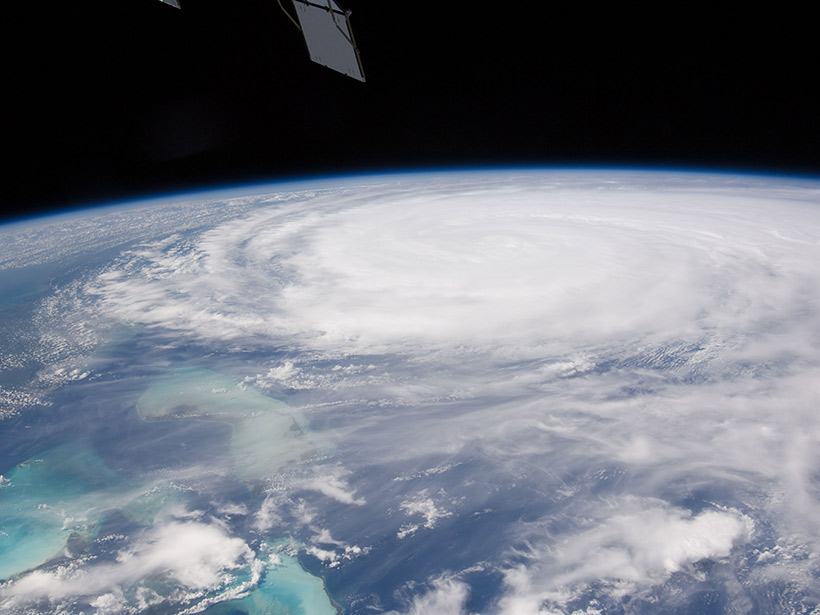
What Causes Long-Term North Atlantic Surface Temperature Cycles?

New evidence strengthens a likely link between 20- to 40-year sea surface temperature fluctuations and varying ocean circulation patterns.

Posted inNews
Interior Department Shelves Oil and Gas Lease off Atlantic Coast
The administration moves forward with offshore plans for the Gulf of Mexico and Alaska, but its removal of an Atlantic lease sale sparks sharp responses from industry.
Posted inResearch Spotlights
Uncertainty Evaluations Improve Biogeochemical Simulations

Results from the first decade-long reanalysis simulation of northwest European shelf biogeochemistry show the importance of quantifying the uncertainty in these indicators to inform marine policy.
Posted inResearch Spotlights
The North Atlantic Ocean's Missing Heat Is Found in Its Depths

In the 2000s, the North Atlantic stopped absorbing as much atmospheric warmth. However, the ocean lost only a little heat—the rest was held deeper below the surface by altered circulation patterns.
Posted inResearch Spotlights
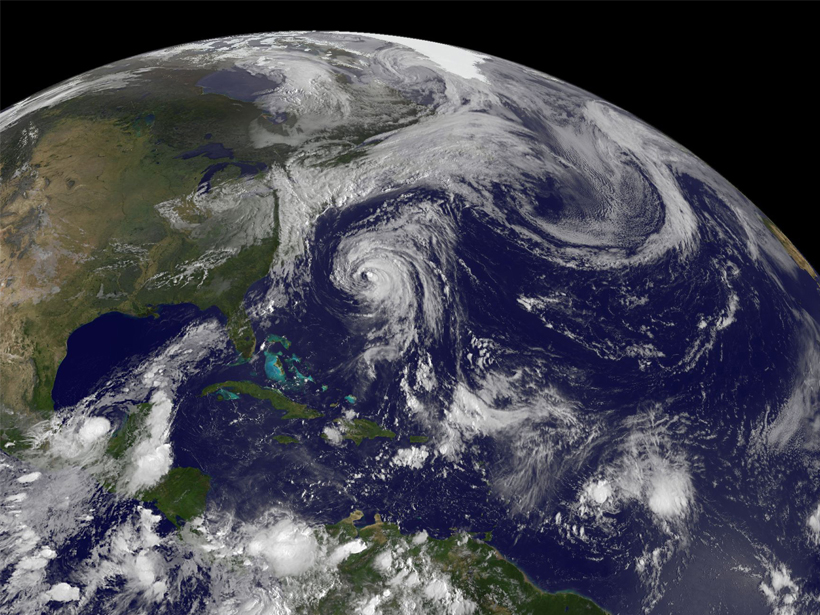
Fewer Tropical Cyclones Form After Volcanic Eruptions
Volcanic eruptions aren't all bad—in some cases, they can lower the frequency of tropical cyclones in the North Atlantic by emitting sulfate aerosols.
Posted inResearch Spotlights
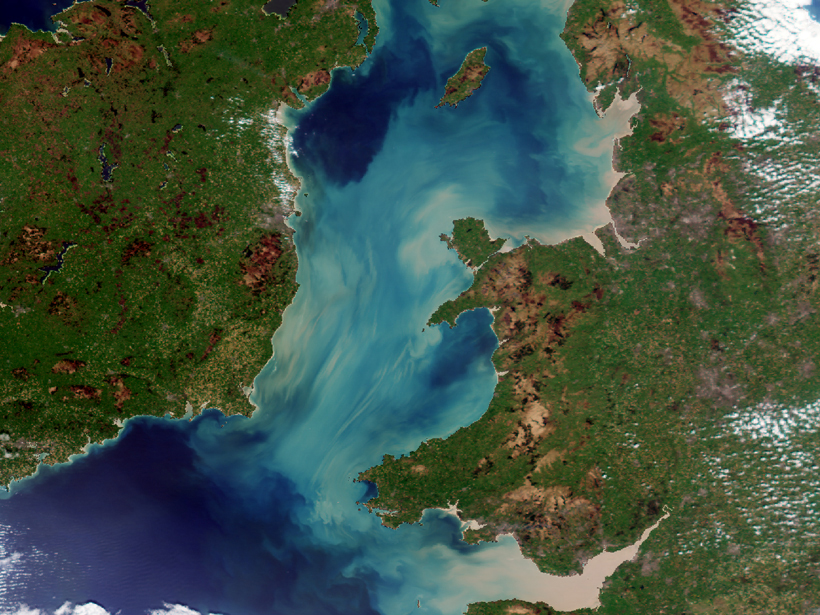
Satellites Reveal Dynamics of Suspended Mineral Particles
A case study of the Irish Sea evaluates the use of ocean color data to measure the optical properties of sedimentary particles in offshore waters.
Posted inResearch Spotlights
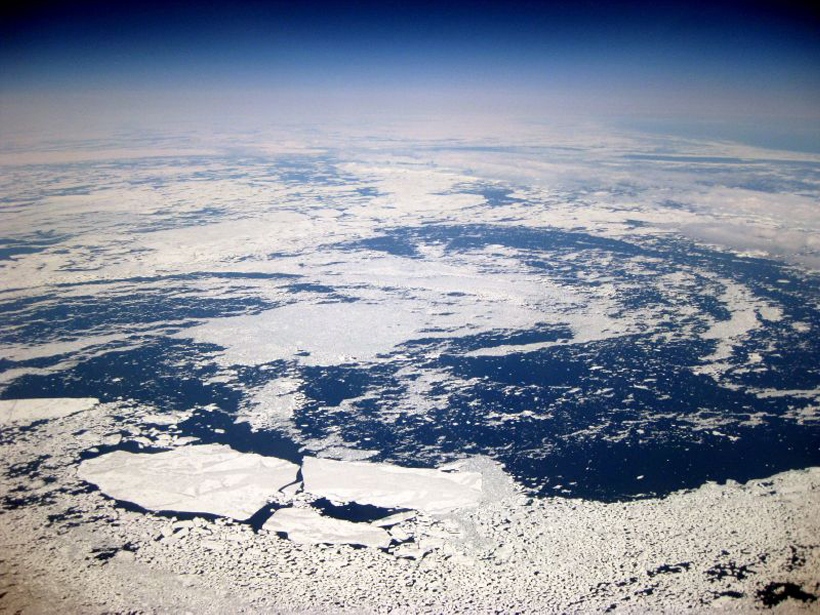
Atlantic Sea Ice Could Grow in the Next Decade

Changing ocean circulation in the North Atlantic could lead to winter sea ice coverage remaining steady and even growing in select regions.
Posted inResearch Spotlights
A Big Climate Driver in a Small Ocean Basin

Scientists review Atlantic Ocean circulation variability and its applications for predicting decadal climate variation.

Posted inNews
Microbes Make a Quick Meal of Methane in a Submarine Canyon
Scientists track the fate of methane released by hydrates in a major canyon off the U.S. East Coast.