• About
  • Special Reports
  • Topics
    • Climate
    • Earth Science
    • Oceans
    • Space & Planets
    • Health & Ecosystems
    • Culture & Policy
    • Education & Careers
    • Opinions
  • Projects
    • Postcards From the Field
    • ENGAGE
    • Editors’ Highlights
    • Editors’ Vox
    • Eos en Español
    • Eos 简体中文版
    • Print Archive: 2015–2025
  • Policy Tracker
  • Blogs
    • Research & Developments
    • The Landslide Blog
  • Newsletter
  • Submit to Eos
  • AGU.org
  • Career Center
  • Join AGU
  • Give to AGU
  • About
  • Special Reports
  • Topics
    • Climate
    • Earth Science
    • Oceans
    • Space & Planets
    • Health & Ecosystems
    • Culture & Policy
    • Education & Careers
    • Opinions
  • Projects
    • Postcards From the Field
    • ENGAGE
    • Editors’ Highlights
    • Editors’ Vox
    • Eos en Español
    • Eos 简体中文版
    • Print Archive: 2015–2025
  • Policy Tracker
  • Blogs
    • Research & Developments
    • The Landslide Blog
  • Newsletter
  • Submit to Eos
Skip to content
  • AGU.org
  • Career Center
  • Join AGU
  • Give to AGU
Eos

Eos

Science News by AGU

Support Eos
Sign Up for Newsletter
  • About
  • Special Reports
  • Topics
    • Climate
    • Earth Science
    • Oceans
    • Space & Planets
    • Health & Ecosystems
    • Culture & Policy
    • Education & Careers
    • Opinions
  • Projects
    • Postcards From the Field
    • ENGAGE
    • Editors’ Highlights
    • Editors’ Vox
    • Eos en Español
    • Eos 简体中文版
    • Print Archive: 2015–2025
  • Policy Tracker
  • Blogs
    • Research & Developments
    • The Landslide Blog
  • Newsletter
  • Submit to Eos

biodiversity

Researchers identify a new current off the coast of Madagascar that may play an influential role in ocean upwelling.
Posted inResearch Spotlights

Scientists Discover New Ocean Current off Madagascar

Sarah Stanley, Science Writer by Sarah Stanley 11 April 20182 March 2023

The warm and salty Southwest Madagascar Coastal Current influences upwelling that supports rich marine ecosystems along the southern coast.

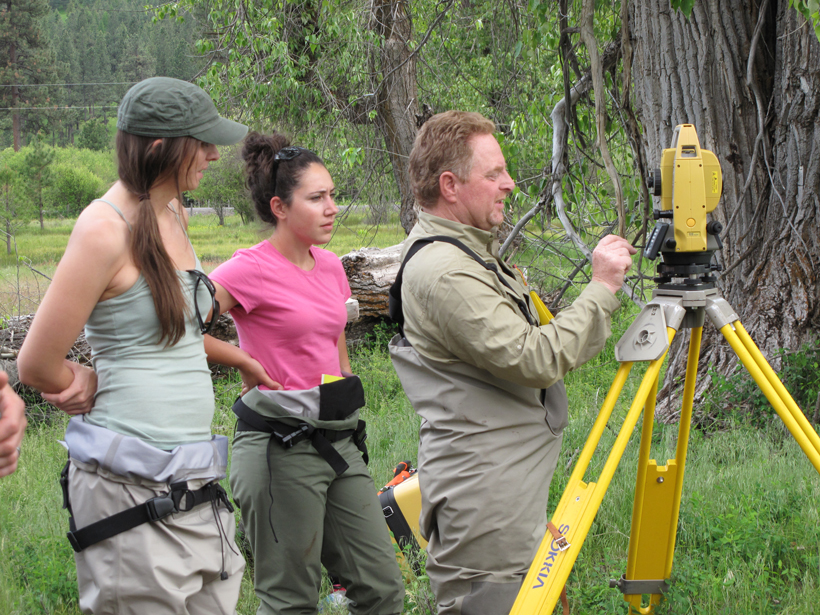
CHaMP employees get trained in the use of a total station, which is used to measure streambed topography.
Posted inScience Updates

Defining Opportunities for Collaboration Across Data Life Cycles

by J. F. Weltzin, J. M. Bayer and R. A. Scully 9 May 20171 February 2022

Developing Enterprise Tools and Capacities for Large-Scale Natural Resource Monitoring; Fort Collins, Colorado, 12–13 October 2016
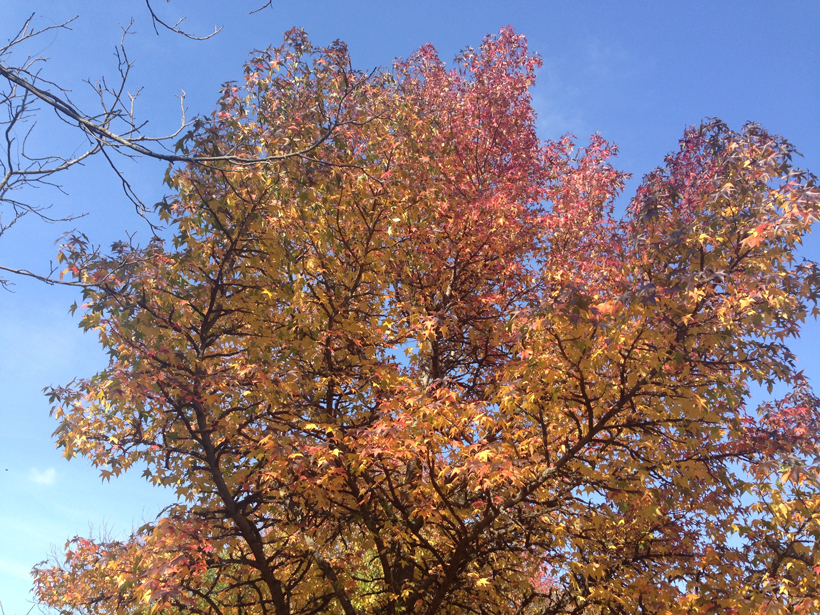
American sweetgum in Arnold Arboretum in Boston, Mass.
Posted inNews

How Do Trees Respond to Climate Change? Clues from an Arboretum

by U. Chrobak 13 December 20166 March 2023

The rich diversity of trees at arboreta may allow scientists to home in on the specific traits that allow trees to grow faster or slower in response to warming temperatures.

An image taken from an ever-changing online display by Global Fishing Watch of commercial fishing activity worldwide.
Posted inNews

Online Tracking of Ships Fights Illegal Fishing Worldwide

by Randy Showstack 12 October 201618 March 2022

The system currently follows and records the movements of more than 35,000 large fishing vessels globally to bring transparency to commercial fishing activities.

A small tributary of the Clauge River, Jura, France, during the dry period.
Posted inScience Updates

One for All, All for One: A Global River Research Network

by T. Datry, R. Corti, A. Foulquier, D. von Schiller and K. Tockner 7 June 201623 September 2022

Intermittent rivers are an increasing share of the world's river network, but current models don't include them. One research network is gathering knowledge about these rivers from around the world.

Posts pagination

Newer posts 1 … 5 6 7
Over a dark blue-green square appear the words Special Report: The State of the Science 1 Year On.

Features from AGU Publications

Research Spotlights

Harnessing Glacial Lakes for Hydropower

23 November 202623 November 2026
Editors' Highlights

How Streams Breathe: The Science of Expanding and Contracting

24 November 202624 November 2026
Editors' Vox

2100 is Not the Far Future Anymore

24 November 202624 November 2026
Eos logo at left; AGU logo at right

About Eos
ENGAGE
Awards
Contact

Advertise
Submit
Career Center
Sitemap

© 2026 American Geophysical Union. All rights reserved Powered by Newspack