

As wildfires blaze through the Arctic, scientists examine the role of landscape characteristics on wildfire ecosystem responses in northern aquatic ecosystems.
carbon cycle
Posted inNews
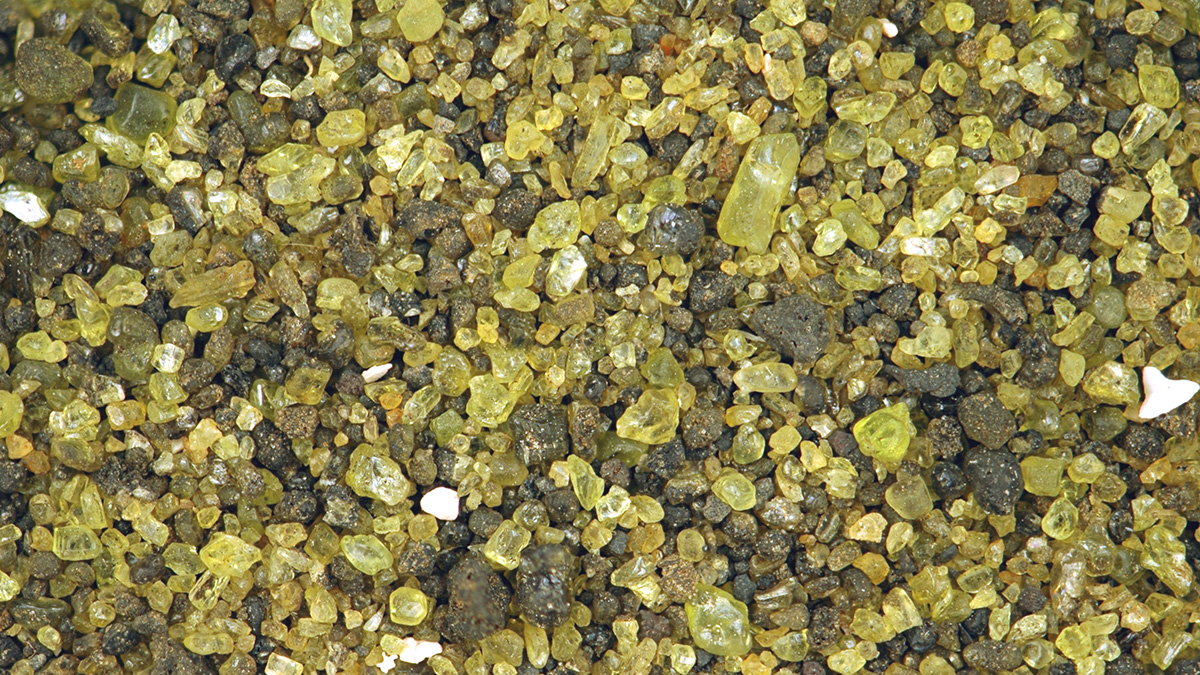
Can These Rocks Help Rein in Climate Change?

Spreading olivine on beaches could accelerate ocean uptake of carbon dioxide and potentially limit climate change. The concept and execution still face some scrutiny from scientists.

Posted inEditors' Highlights
Substantial Advance Towards a Global Coastal Carbon Model
First simulations of a new biogeochemistry-circulation coastal grid refinement demonstrate seamless inclusion of small-scale coastal processes in a state-of-the-art Earth system model.
Posted inResearch Spotlights
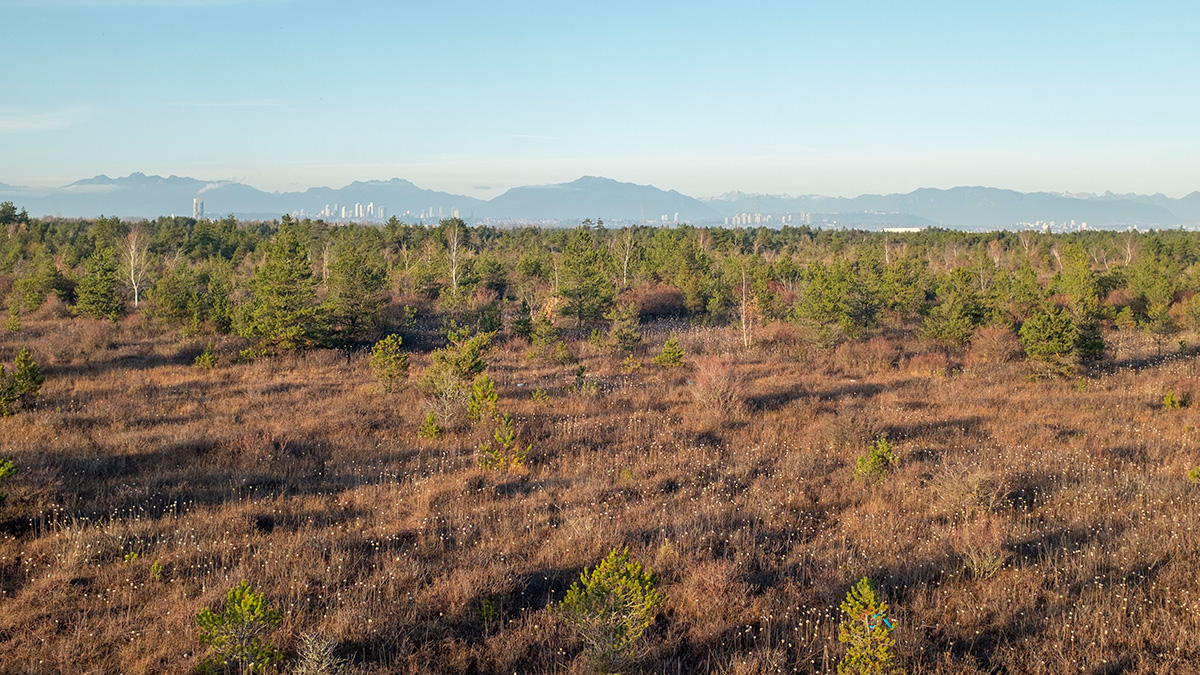
Exploring Carbon Emissions in Peatland Restoration

Rewetting bogs can increase methane emissions in the short term, but ultimately the approach helps restore peatlands and create larger carbon sinks.

Posted inResearch Spotlights
A New Look at Preindustrial Carbon Release from the Deep Ocean

New research could help inform future studies of how the release of carbon dioxide from the Southern Ocean might affect global climate change.
Posted inEditors' Highlights
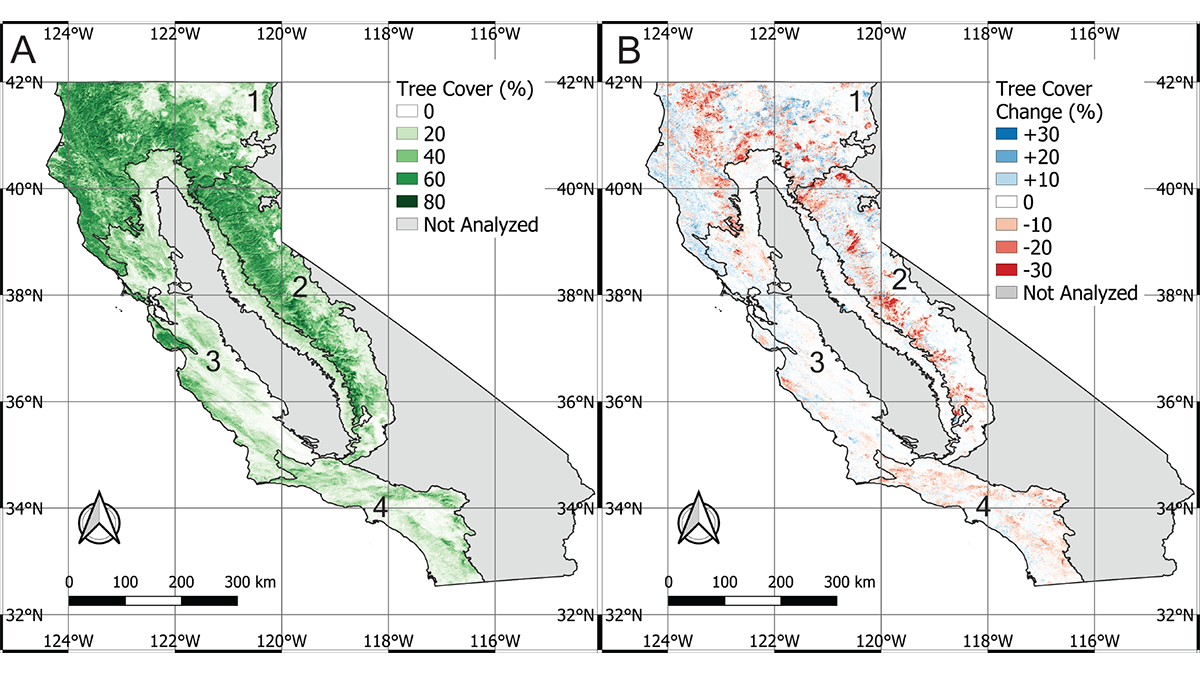
A Burning Issue
California has lost 7% of its forest cover to climate change over the past 25 years.
Posted inNews
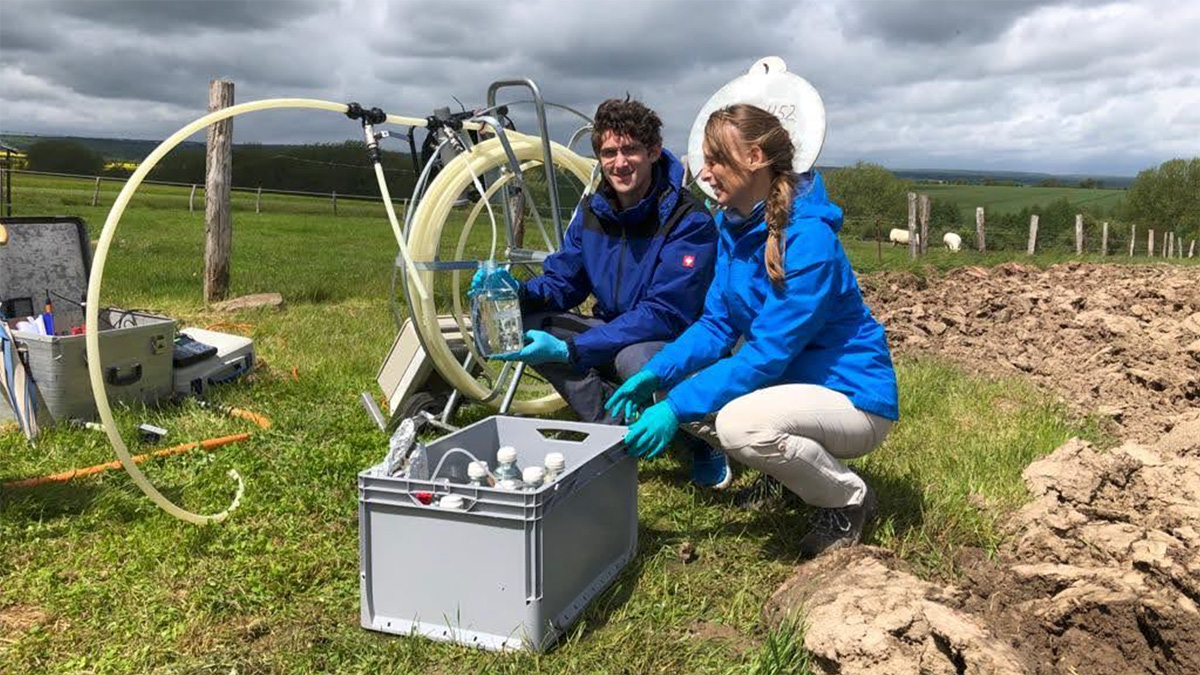
Groundwater May Fix as Much Carbon as Some Ocean Surface Waters
Microbes from wells as deep as 90 meters created organic carbon at a rate that overlaps with some nutrient-poor spots in the ocean.

Posted inResearch Spotlights
How Forest Structure Drives Productivity
Data from northern Wisconsin forest sites uncovered that vertical heterogeneity metrics are the most influential factors underlying rates of photosynthesis.
Posted inResearch Spotlights
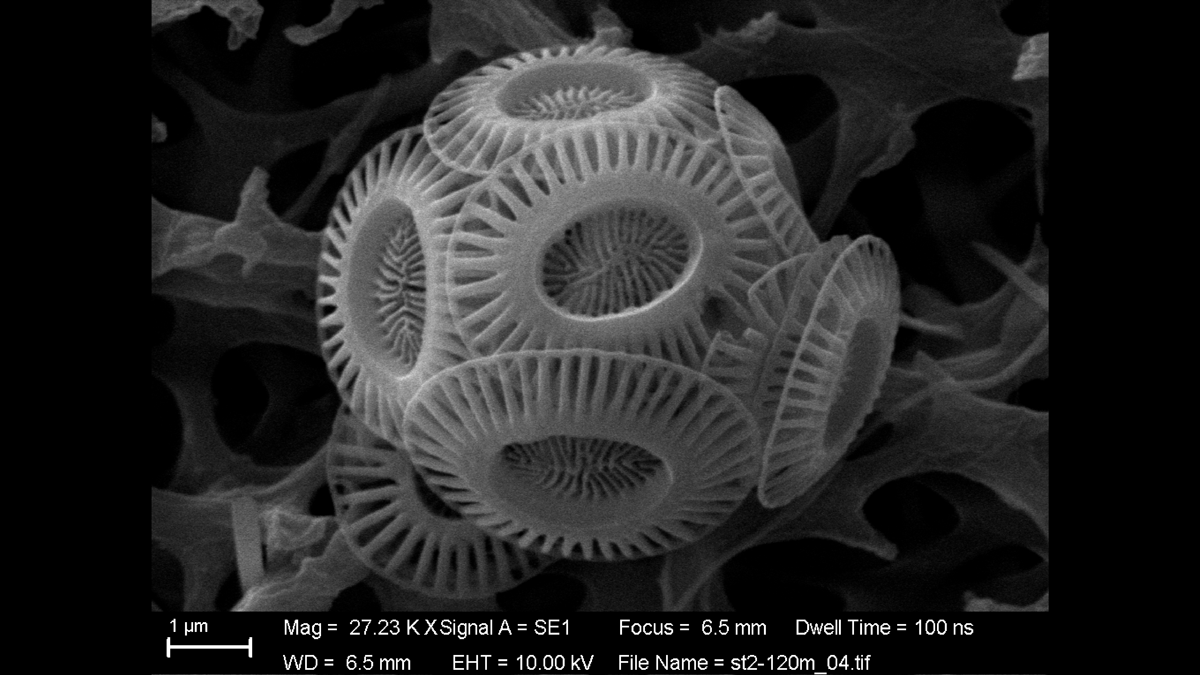
Understanding the Calcium Carbonate Cycle in the North Pacific

Using data collected from Hawaii to Alaska, a new study sheds light on calcium carbonate cycling in the ocean, an understudied component of the global carbon cycle.

Posted inEditors' Vox
Mysteries of the Global Carbon Cycle
Less than half of the anthropogenic carbon dioxide remains in the atmosphere to drive climate change. The rest is being removed by mysterious processes in the land, biosphere, and ocean.