• About
  • Special Reports
  • Topics
    • Climate
    • Earth Science
    • Oceans
    • Space & Planets
    • Health & Ecosystems
    • Culture & Policy
    • Education & Careers
    • Opinions
  • Projects
    • Postcards From the Field
    • ENGAGE
    • Editors’ Highlights
    • Editors’ Vox
    • Eos en Español
    • Eos 简体中文版
    • Print Archive: 2015–2025
  • Policy Tracker
  • Blogs
    • Research & Developments
    • The Landslide Blog
  • Newsletter
  • Submit to Eos
  • AGU.org
  • Career Center
  • Join AGU
  • Give to AGU
  • About
  • Special Reports
  • Topics
    • Climate
    • Earth Science
    • Oceans
    • Space & Planets
    • Health & Ecosystems
    • Culture & Policy
    • Education & Careers
    • Opinions
  • Projects
    • Postcards From the Field
    • ENGAGE
    • Editors’ Highlights
    • Editors’ Vox
    • Eos en Español
    • Eos 简体中文版
    • Print Archive: 2015–2025
  • Policy Tracker
  • Blogs
    • Research & Developments
    • The Landslide Blog
  • Newsletter
  • Submit to Eos
Skip to content
  • AGU.org
  • Career Center
  • Join AGU
  • Give to AGU
Eos

Eos

Science News by AGU

Support Eos
Sign Up for Newsletter
  • About
  • Special Reports
  • Topics
    • Climate
    • Earth Science
    • Oceans
    • Space & Planets
    • Health & Ecosystems
    • Culture & Policy
    • Education & Careers
    • Opinions
  • Projects
    • Postcards From the Field
    • ENGAGE
    • Editors’ Highlights
    • Editors’ Vox
    • Eos en Español
    • Eos 简体中文版
    • Print Archive: 2015–2025
  • Policy Tracker
  • Blogs
    • Research & Developments
    • The Landslide Blog
  • Newsletter
  • Submit to Eos

carbon cycle

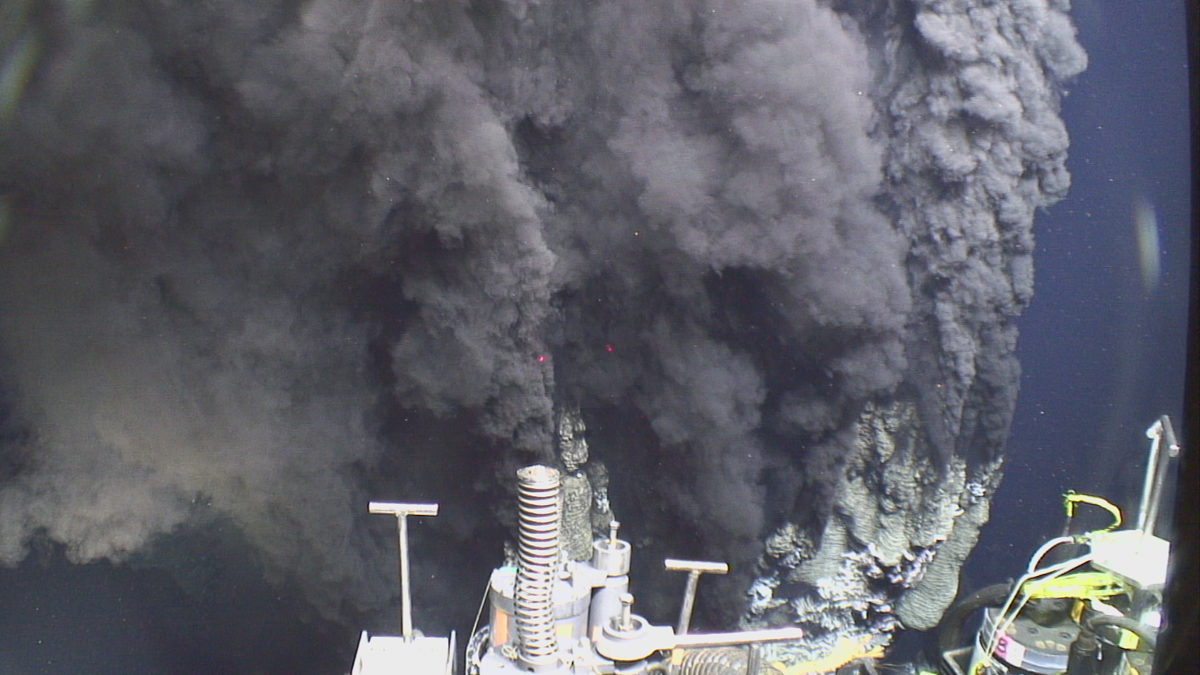
Hydrothermal vent spewing black smoke.
Posted inEditors' Highlights

Bubble, Bubble, Toil and Trouble: Ocean Vents Spew Rubble

by Rose Cory 7 February 202215 March 2022

Hydrothermal vents in the ocean emit 6000-year-old carbon. The likely source? Ocean crust.

A sunset over the ocean is seen through rope netting on a ship
Posted inScience Updates

Mapping a River Beneath the Sea

by Sebastian Krastel and David C. Mosher 28 January 202214 March 2024

A recent expedition mapped one of the world’s longest submarine channels, revealing previously undiscovered physical features and raising questions about its unusual origin and shape.

A shovel buried in the dirt, with plants in the background
Posted inNews

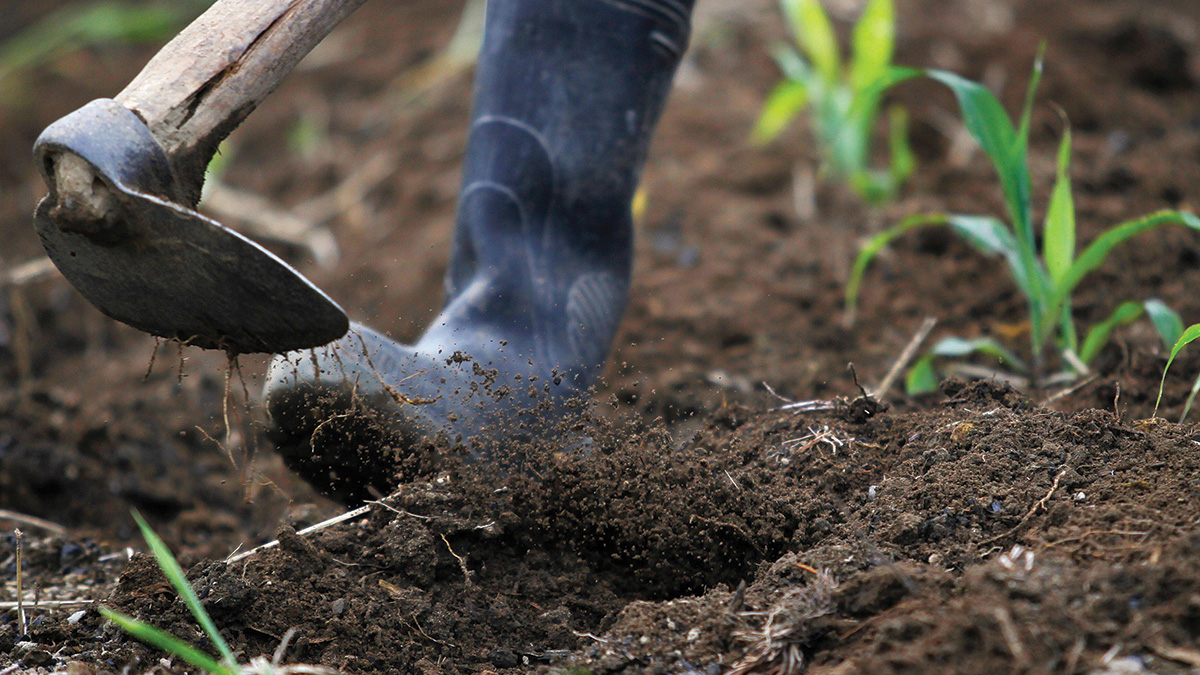
Soil Texture Affects How Carbon Is Stored Underground

Katherine Kornei, Science Writer by Katherine Kornei 18 January 20221 April 2022

Using measurements from more than 9,300 soil samples collected worldwide, researchers have shown that carbon storage in soils is affected by both air temperature and soil texture.

An elephant eats grasses in Kruger National Park, South Africa.
Posted inENGAGE, News

Large Herbivores May Improve an Ecosystem’s Carbon Persistence

Rishika Pardikar, Science Writer by Rishika Pardikar 14 January 202224 January 2024

The grazing habits of wild animals like elephants and boars enable long-term carbon storage, according to new research that stresses the need to align climate mitigation goals with biodiversity conservation.

La Selva Biological Station, located in Costa Rica.
Posted inResearch Spotlights

Drop in Rain Forest Productivity Could Speed Future Climate Change

Rachel Fritts, Science Writer by Rachel Fritts 12 January 20227 July 2022

As temperatures rise, tropical forests will become more stressed and photosynthesize less.

Conceptual diagram illustrating the seasonal shifts in the relative importance of downstream flux verses emission losses across headwaters with different land-water interfaces in the boreal landscape (from top to bottom: forest, wetland, and lakes.
Posted inEditors' Highlights

Export of Different Carbon Types from a Boreal Catchment

by Ilja van Meerveld 2 December 202123 February 2022

Carbon export in boreal catchments depends on the landscape setting and differs for snowmelt and rainfall events.

Posted inResearch Spotlights

Tubos de lava terrestres podrían ofrecer información sobre la vida extraterrestre

Aaron Sidder, freelance science writer by Aaron Sidder 29 November 202129 November 2021

Una nueva investigación encuentra que Actinobacteria en cuevas de lava fijan carbón y sobreviven independientemente de aportes superficiales, ofreciendo una nueva perspectiva en la investigación de la vida fuera de la Tierra.

Fish swimming through a kelp forest
Posted inNews

Kelp’s Carbon Sink Potential Could Be Blocked by Coastal Darkening

by Doug Johnson 5 November 202114 December 2023

Coastal darkening, an environmental threat researchers are only beginning to study, is found to dramatically reduce the productivity of kelp.

Posted inResearch Spotlights

西伯利亚科雷马河的多年冻土碳元素含量极小

by Terri Cook 20 October 202120 October 2021

新的研究发现,北极河流目前运输的多年冻土来源的溶解有机碳有限,这对理解该地区变化的碳循环及其加速气候变化的潜力具有启示意义。

A close-up photo of Parthenium hysterophorus, or famine weed, showing a deep green plant with frilly leaves and small white flowers
Posted inENGAGE, News

Famine Weed Becomes More Toxic, Invasive in Carbon-Rich Atmosphere

by Fionna M. D. Samuels 22 September 202129 March 2023

A noxious weed’s success in Australia could indicate that some plants are benefitting from our carbon-rich atmosphere, becoming more invasive, competitive, and toxic.

Posts pagination

Newer posts 1 … 10 11 12 13 14 … 35 Older posts
Over a dark blue-green square appear the words Special Report: The State of the Science 1 Year On.

Features from AGU Publications

Research Spotlights

Improving Eddy Tower Evapotranspiration Estimates

20 May 202620 May 2026
Editors' Highlights

Recycled Rocks Reveal Subduction Zone Dynamics Off Baja California

21 May 202621 May 2026
Editors' Vox

The Impact of Advocacy: American Geophysical Union’s Days of Action

14 May 202613 May 2026
Eos logo at left; AGU logo at right

About Eos
ENGAGE
Awards
Contact

Advertise
Submit
Career Center
Sitemap

© 2026 American Geophysical Union. All rights reserved Powered by Newspack