
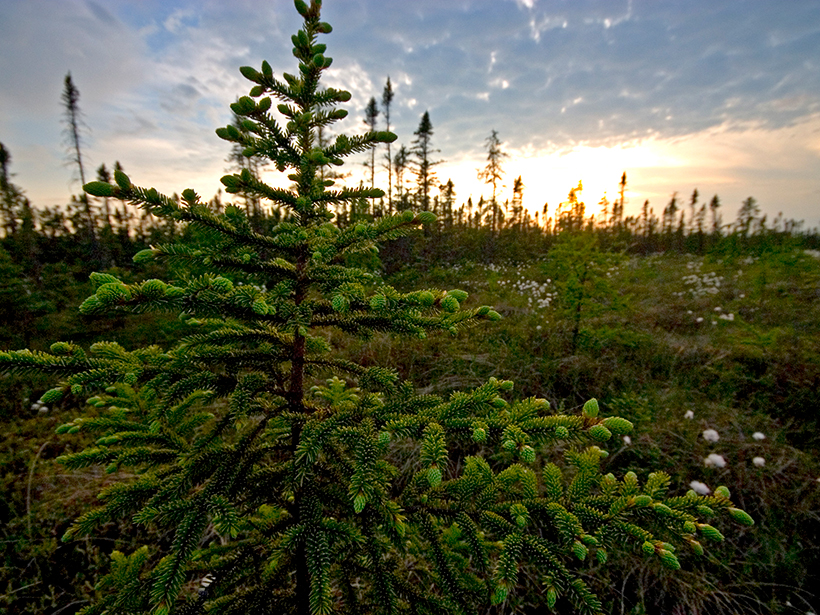

As northern Minnesota's climate got wetter, precipitation drove mobile forms of young carbon deeper into peatlands, doubling the size of methane-producing strata.
carbon cycle
Posted inScience Updates
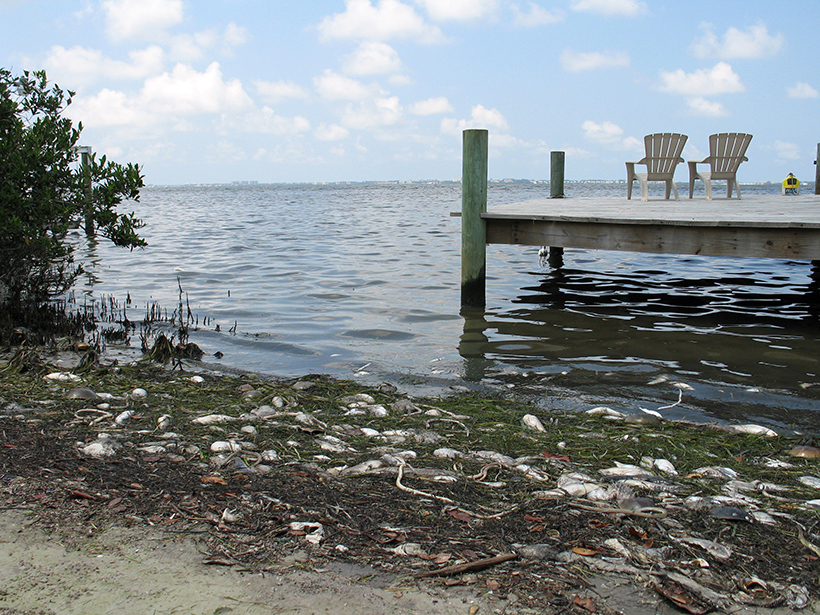
Coastal Observations from a New Vantage Point
The NASA Geostationary Coastal and Air Pollution Events satellite mission plans to keep an eye on short-term processes that affect coastal communities and ecosystems.

Posted inResearch Spotlights
Isotopes Track Carbon Cycle in Northern Wisconsin Wilderness

Researchers collected carbon from 3 years' worth of air samples and traced it back to its source.
Posted inScience Updates
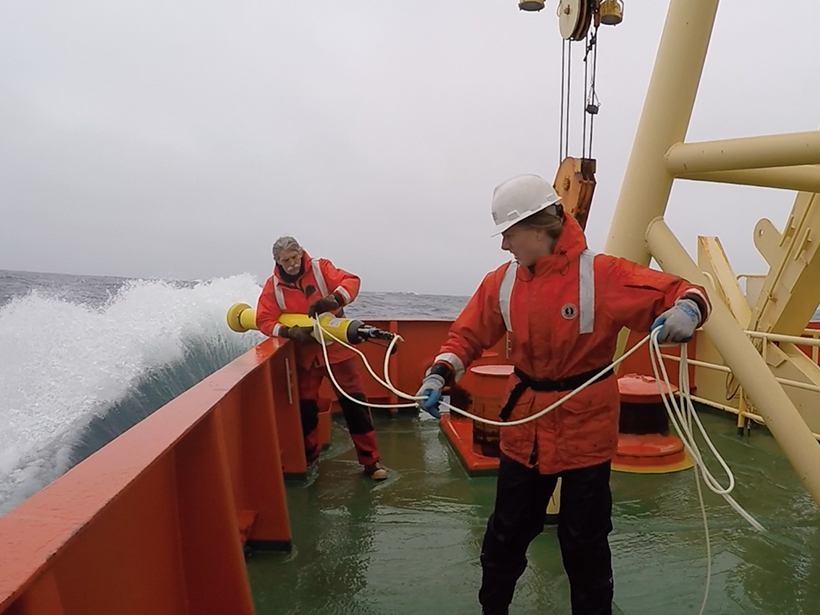
Bringing Biogeochemistry into the Argo Age
Plans are underway to integrate and augment a collection of regional programs to form a global biogeochemical monitoring network.
Posted inScience Updates
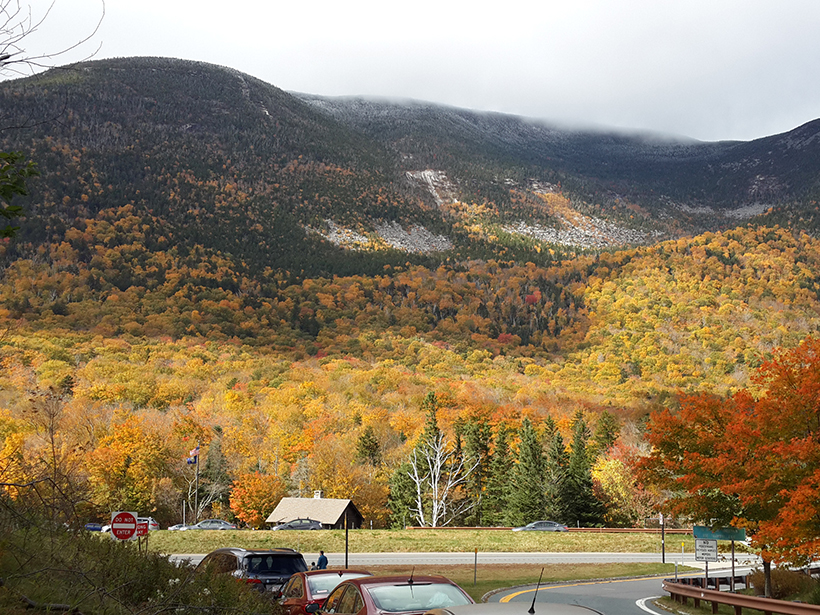
Improving Carbon Cycle Projections for Better Carbon Management
Workshop on Development of Predictive Carbon Cycle Science; College Park, Maryland, 7–9 March 2016

Posted inResearch Spotlights
Can We Predict the Future of Ocean Carbon Dioxide Uptake?

A new understanding of uncertainties in climate change models allows scientists to decide which source to tackle first in order to better forecast our planet's changing climate.
Posted inEditors' Vox
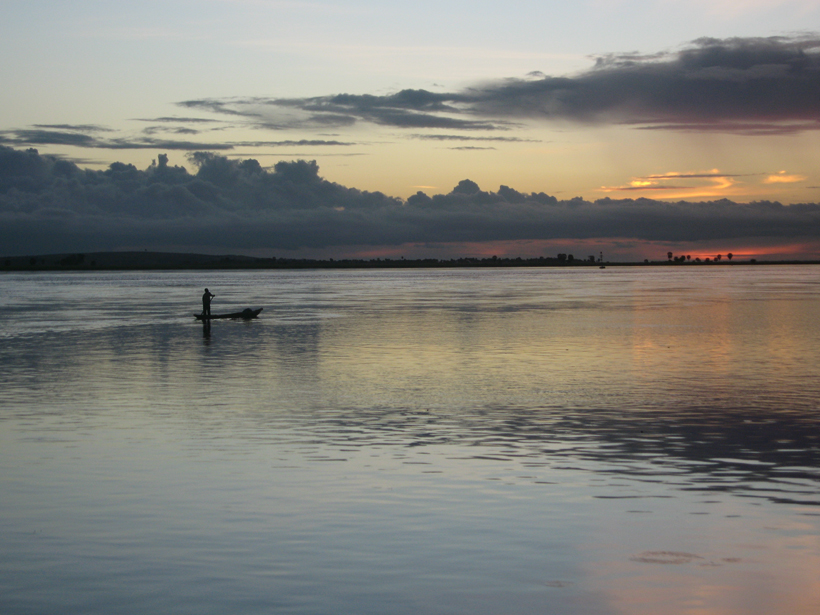
Promoting the Universal Language of Science: Translating Congo Research
Overcoming barriers to broaden scientific discovery in the Congo

Posted inResearch Spotlights
The Role of Seafloor Methane in Ancient Global Warming

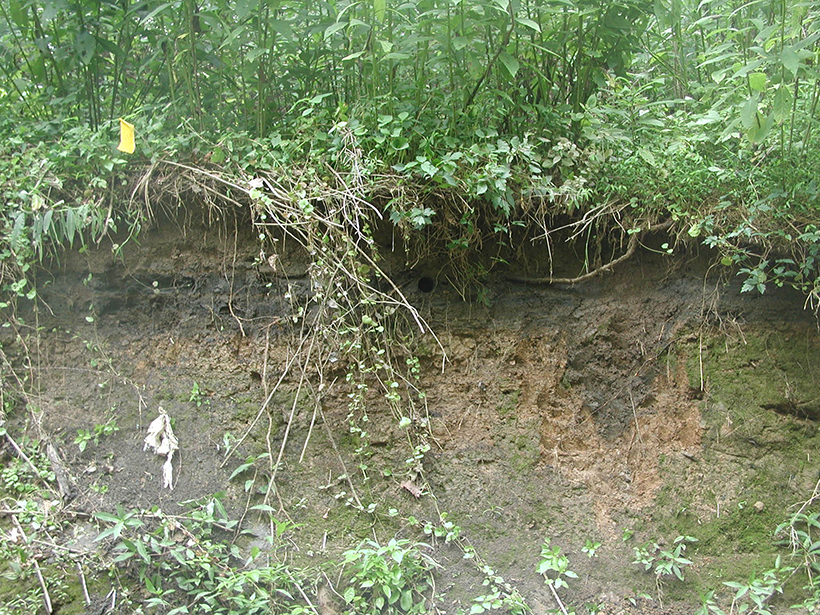
New research suggests that release of methane from seafloor hydrates was much slower than hypothesized during a period of rapid global warming about 56 million years ago.
Posted inScience Updates
Advancing Soil Carbon Cycle Science
Workshop to celebrate 2015–2024 International Decade of Soil; Boulder, Colorado, 14–16 March, 2016

Posted inResearch Spotlights
Rocks in Chile Help Scientists Hunt for Life on Mars
Investigating oxalate minerals in the Atacama Desert provides a terrestrial analogue to test techniques that could be used to study the carbon cycle in the cold deserts of Mars.