
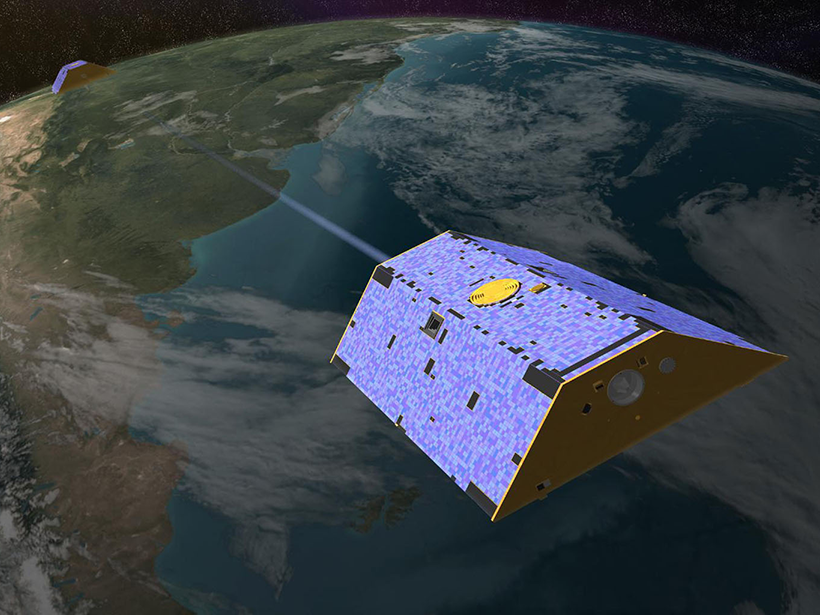

An extensive review reveals that remote sensing is changing the way we manage water resources and suggests that the coming years will bring both exciting advancements and new challenges.
Climate Change

Posted inNews
European Contact with the Americas May Have Triggered Global Cooling

The loss of precontact agricultural communities to genocide and disease may have led to massive reforestation, a dip in carbon dioxide, and one of the coldest snaps of the Little Ice Age.
Posted inScience Updates
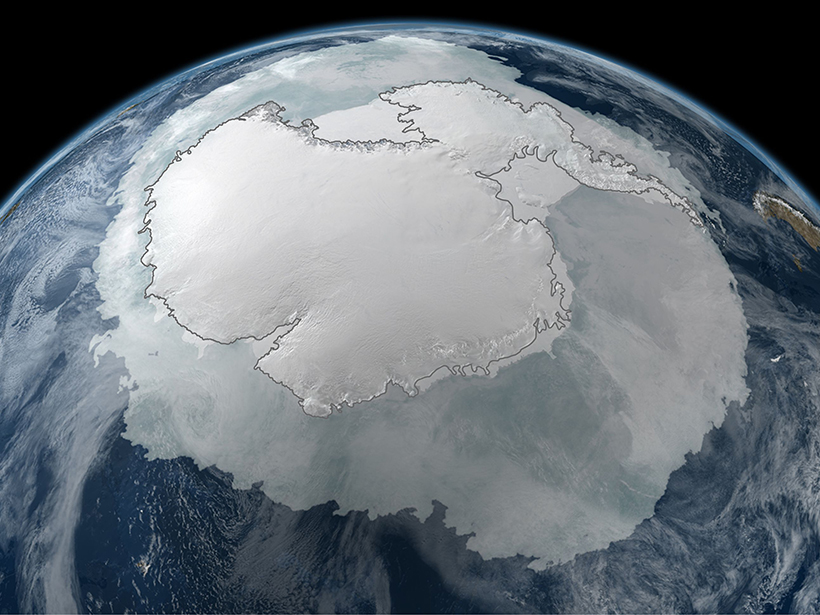
Understanding Past Changes in Southern Ocean Sea Ice
C-SIDE Workshop; Vancouver, British Columbia, Canada, 24–26 October 2018

Posted inNews
House Climate Crisis Committee Hears Call for Action from Youth

The witnesses and Democrats at the House hearing urge action, but Republicans question the committee’s focus and criticize Democrats on the committee for not working in a bipartisan manner.

Posted inAGU News
Mapping Heat Vulnerability to Protect Community Health
Community leaders and scientists from two U.S. cities are combining public health data and heat maps to prepare residents for climate change–related health risks.
Posted inResearch Spotlights
What Climate Models Get Wrong About Future Water Availability
Models that accurately represent past and present rainfall provide more accurate projections of water availability, a new study suggests.

Posted inScience Updates
Bridging the Gap with the Science for Climate Action Network
A new report identifies missing support that is slowing progress in limiting and adapting to climate change. The Science for Climate Action Network aims to provide it.

Posted inResearch Spotlights
Spruce Beetle Slows Snow Sublimation in Wyoming’s Mountains

A new study investigates changing water dynamics after a pest infestation in the Rocky Mountains.

Posted inNews
North Atlantic Circulation Patterns Reveal Seas of Change
New evidence suggests the eastern Atlantic may be the site of major overturning.
Posted inEditors' Highlights
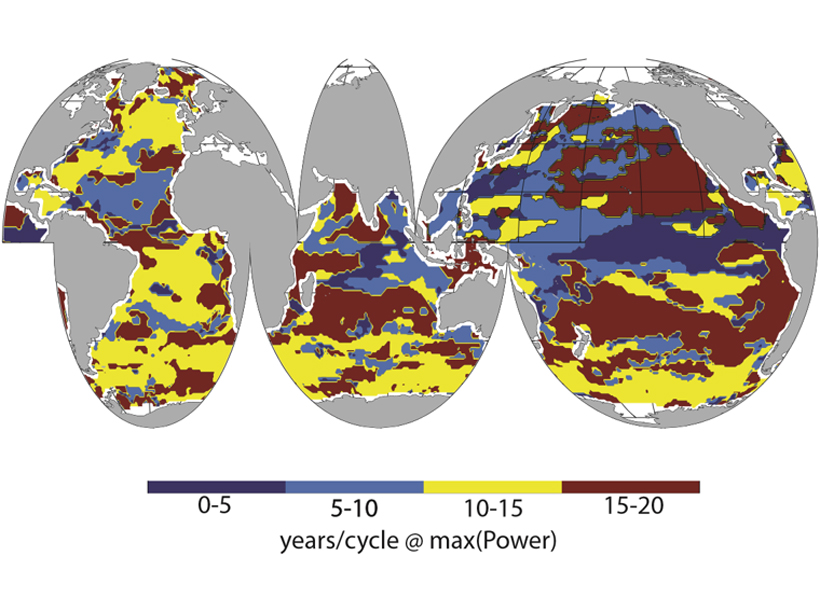
Sea-Surface Carbon Patterns Linked to Large-scale Climate Modes
A new 34-year global time series of observed sea surface partial pressure of CO2 links regional variation to major climate modes.