


Some environmentalists and climate scientists took stances ranging from outrage to hope for common ground, whereas some industry groups embraced the new administration on energy and environment.
conservation

Posted inNews
Online Tracking of Ships Fights Illegal Fishing Worldwide
The system currently follows and records the movements of more than 35,000 large fishing vessels globally to bring transparency to commercial fishing activities.

Posted inNews
Obama Unveils First Marine National Monument in the Atlantic
The new designation follows the administration's expansion last month of a marine sanctuary in the Pacific Ocean near Hawaii into the world's largest protected ocean area.

Posted inNews
Six Snapshots of Geoscience Research from National Parks

As the National Park Service celebrates its 100th anniversary, we celebrate ongoing Earth and atmospheric research made possible by conservation efforts.

Posted inNews
Silty Streams Muddy Freshwater Conservation Issues

Throughout the Pacific Northwest, dirt from unpaved roads can clog streams, threatening fish habitats. Scientists have only a murky understanding of how to clear up these turbid waters.

Posted inNews
Asphalt Volcanoes Erupt in Slow Motion

Natural asphalt seeps on the ocean floor provide a stable home for diverse marine life that sequesters greenhouse gases.

Posted inResearch Spotlights
Conservation Farming Shown to Protect Carbon in Soil
A closer look at cultivated land informs actions to protect the vitality of our soil.

Posted inNews
Electrical Concrete Offers Green Alternative to Airport Deicers
The Federal Aviation Administration is testing conductive concrete as a replacement for water-polluting chemicals used to melt ice from airport tarmacs.
Posted inNews
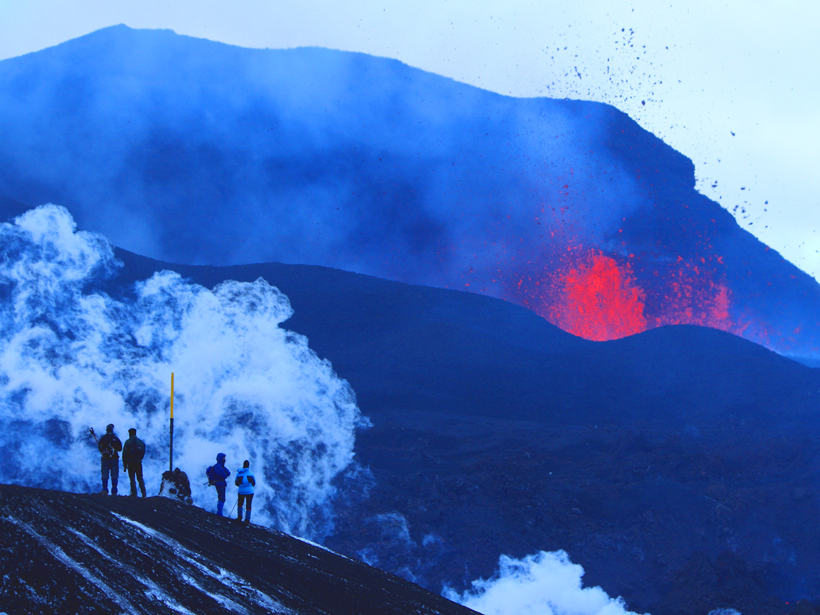
New Commission Aims to Protect Volcanic Geoheritage
Volcanic landscapes and regions provide valuable opportunities for scientific research, education, and sustainable geotourism, in addition to iconic scenery.

Posted inNews
Report Calls for Balancing Energy Security, Energy Equity, and Environmental Concerns
Report focuses on the energy “trilemma” of energy security, energy equity, and environmental sustainability.