• About
  • Special Reports
  • Topics
    • Climate
    • Earth Science
    • Oceans
    • Space & Planets
    • Health & Ecosystems
    • Culture & Policy
    • Education & Careers
    • Opinions
  • Projects
    • Postcards From the Field
    • ENGAGE
    • Editors’ Highlights
    • Editors’ Vox
    • Eos en Español
    • Eos 简体中文版
    • Print Archive: 2015–2025
  • Policy Tracker
  • Blogs
    • Research & Developments
    • The Landslide Blog
  • Newsletter
  • Submit to Eos
  • AGU.org
  • Career Center
  • Join AGU
  • Give to AGU
  • About
  • Special Reports
  • Topics
    • Climate
    • Earth Science
    • Oceans
    • Space & Planets
    • Health & Ecosystems
    • Culture & Policy
    • Education & Careers
    • Opinions
  • Projects
    • Postcards From the Field
    • ENGAGE
    • Editors’ Highlights
    • Editors’ Vox
    • Eos en Español
    • Eos 简体中文版
    • Print Archive: 2015–2025
  • Policy Tracker
  • Blogs
    • Research & Developments
    • The Landslide Blog
  • Newsletter
  • Submit to Eos
Skip to content
  • AGU.org
  • Career Center
  • Join AGU
  • Give to AGU
Eos

Eos

Science News by AGU

Support Eos
Sign Up for Newsletter
  • About
  • Special Reports
  • Topics
    • Climate
    • Earth Science
    • Oceans
    • Space & Planets
    • Health & Ecosystems
    • Culture & Policy
    • Education & Careers
    • Opinions
  • Projects
    • Postcards From the Field
    • ENGAGE
    • Editors’ Highlights
    • Editors’ Vox
    • Eos en Español
    • Eos 简体中文版
    • Print Archive: 2015–2025
  • Policy Tracker
  • Blogs
    • Research & Developments
    • The Landslide Blog
  • Newsletter
  • Submit to Eos

fertilizer

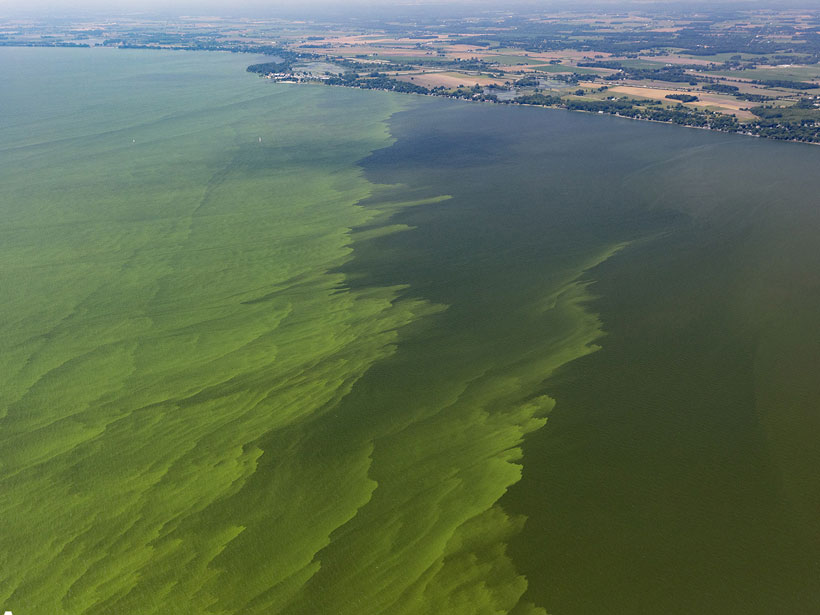
An aerial view of green algae mats near the western shore of Lake Erie
Posted inNews

Lake Erie Sediments: All Dredged Up with Nowhere to Grow

by J. Besl 31 August 202129 March 2023

Agriculture is a key contributor to the algae mats that plague Lake Erie. With so many fertilizers entering the lake, could sediment from the lake floor be used to grow crops instead?

Photo of two corn hybrid species growing in a field. The adult hybrid plants at left are green, whereas the hybrid plants at right are yellow and dried.
Posted inNews

Index Suggests That Half of Nitrogen Applied to Crops Is Lost

Jenessa Duncombe, Staff Writer by Jenessa Duncombe 23 August 202130 March 2023

Food production is becoming less efficient at using nitrogen fertilizer, according to a review of global values. Excess nitrogen damages the environment and the climate.
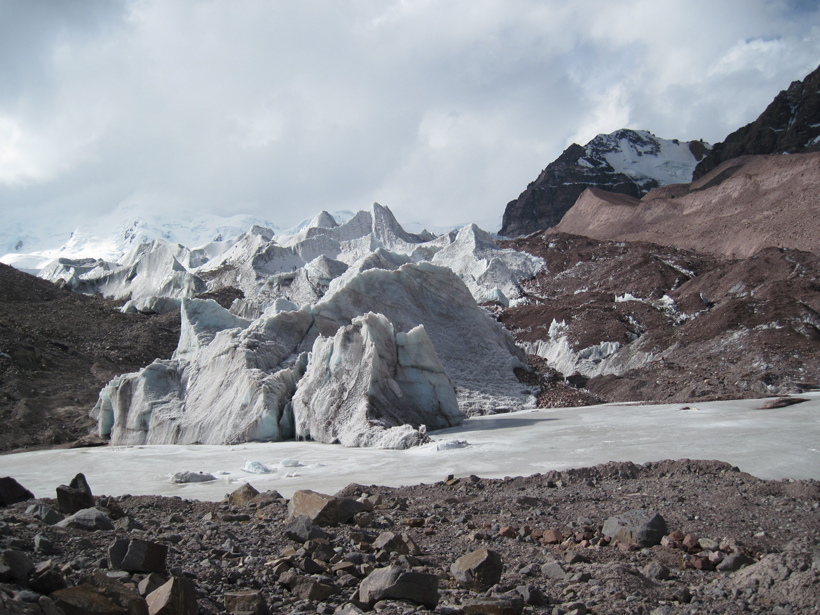
Puca glacier in the Peruvian Andes
Posted inNews

After a Glacier Retreats, Plants Thrive Thanks to Phosphorus

Katherine Kornei, Science Writer by Katherine Kornei 6 June 201812 April 2022

Grasses, small flowers, and mosses colonize glacial till in the Peruvian Andes when researchers apply a phosphorus fertilizer, an ecological surprise with implications for carbon sequestration.

Posts pagination

Newer posts 1 2
Over a dark blue-green square appear the words Special Report: The State of the Science 1 Year On.

Features from AGU Publications

Research Spotlights

New Method Could Improve U.S. Forecasting of West Nile Virus

20 February 202620 February 2026
Editors' Highlights

Why More Rain Doesn’t Mean More Erosion in Mountains

20 February 202620 February 2026
Editors' Vox

A Double-Edged Sword: The Global Oxychlorine Cycle on Mars

10 February 202610 February 2026
Eos logo at left; AGU logo at right

About Eos
ENGAGE
Awards
Contact

Advertise
Submit
Career Center
Sitemap

© 2026 American Geophysical Union. All rights reserved Powered by Newspack