

IPICS 2016 Open Science Conference; Hobart, Australia, 7–11 March 2016
ice

Posted inResearch Spotlights
Carbon Dioxide Frost May Keep Martian Soil Dusty
Temperature readings acquired from orbit show that Mars's surface gets cold enough at night to allow layers of solid carbon dioxide frost up to several hundred micrometers thick to build up near the equator.
Posted inNews
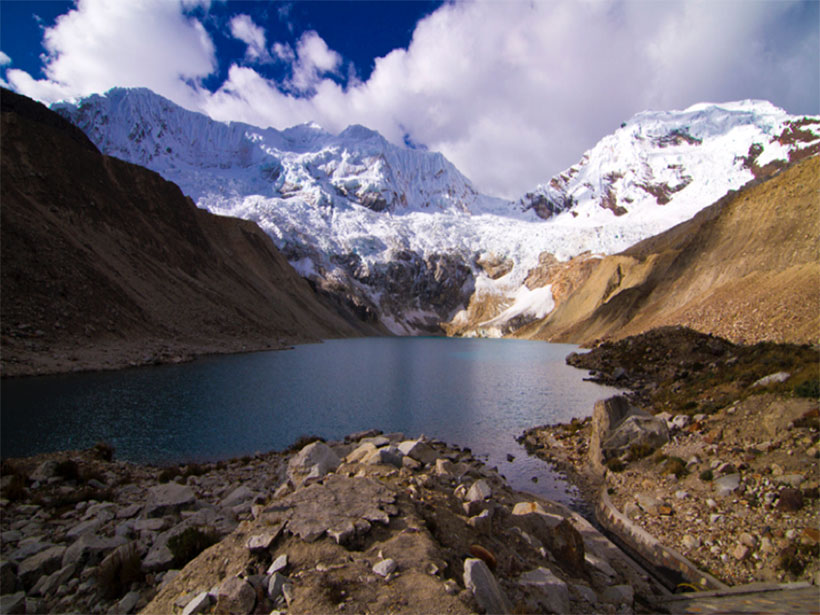
Focusing the Human Lens on Glacial Outburst Floods

To better prepare mountain communities for possible floods, experts say that it is important to understand the communities themselves.
Posted inOpinions
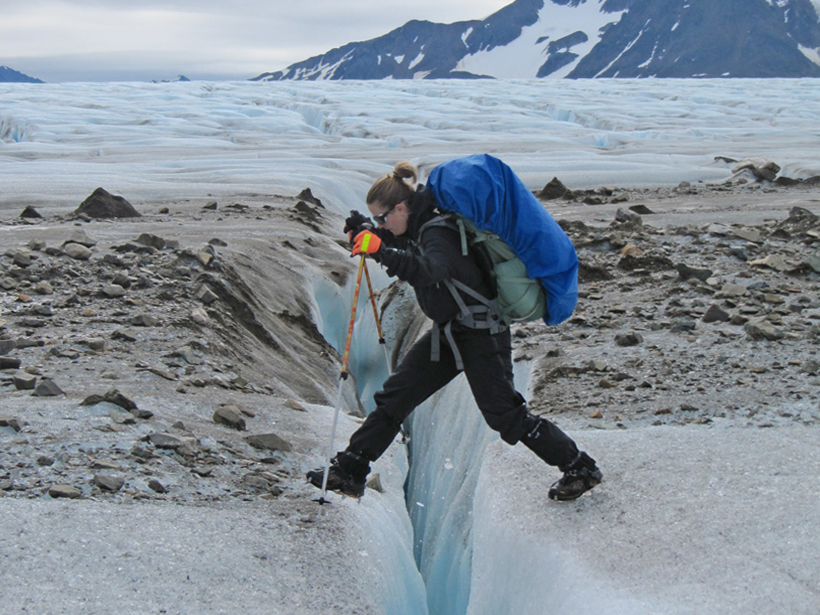
Gender Diversity in Cryosphere Science and Awards
A focus group’s executive committee asks whether the number of accolades given to women reflects the demographics of scientists within the field, from students to senior researchers.
Posted inResearch Spotlights
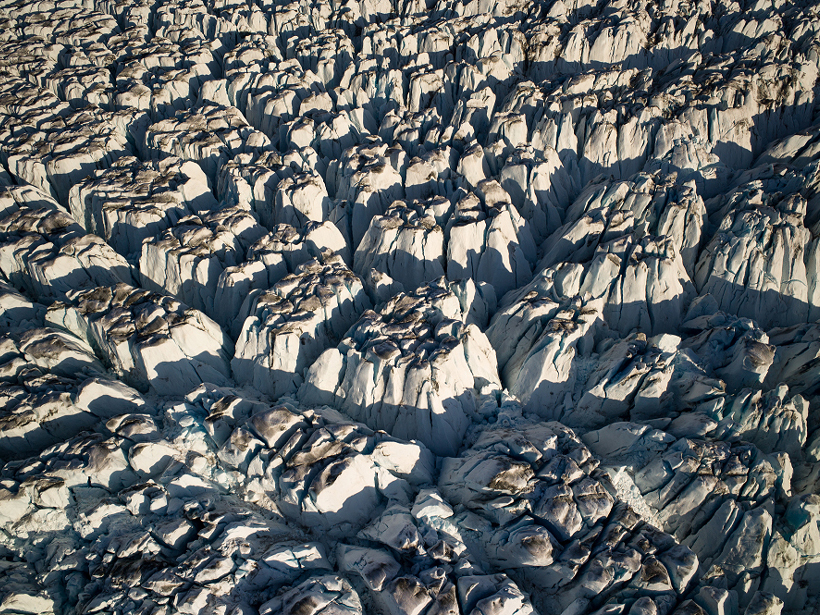
Recent Studies Crack Open New Views of Glacial Crevasses

Scientists review 60 years of direct and remote observations of crevasses and the models used to simulate them.
Posted inResearch Spotlights
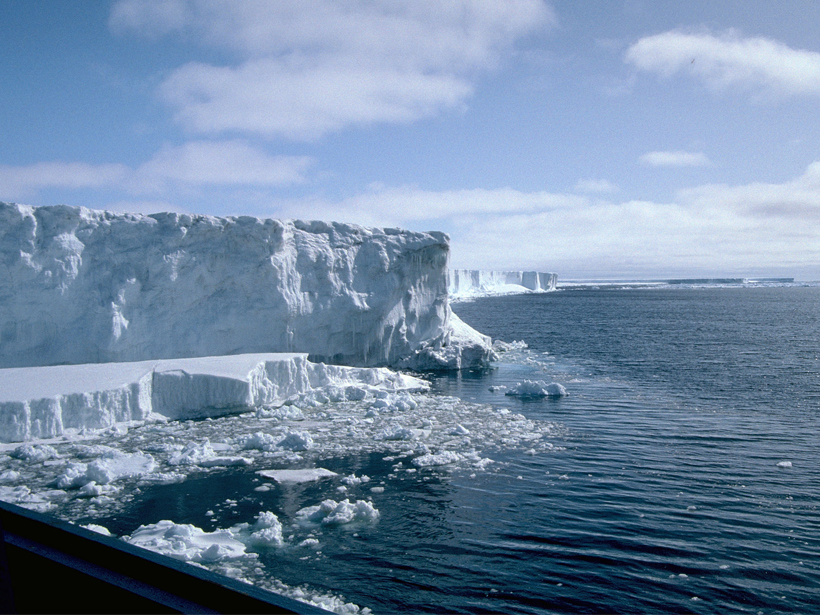
Tracking the Fate of Antarctica's Ice
New, more accurate satellite data provide researchers with ice shelf thickness measurements that will allow for better ice loss monitoring.
Posted inScience Updates
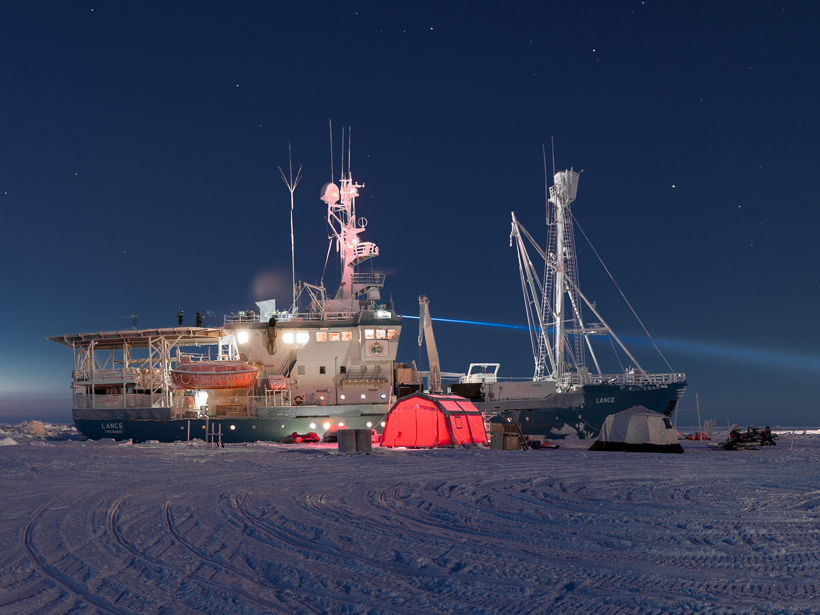
Arctic Research on Thin Ice: Consequences of Arctic Sea Ice Loss
Scientists embarked on a 6-month expedition in the Arctic Ocean to study the thinning sea ice cover, improve our understanding of sea ice loss effects, and help predict future changes.

Posted inResearch Spotlights
Climate Change Drives Increasing Snowfall in Western Antarctica

Using ice core records from West Antarctica, researchers look back at the past 300 years of snowfall over the Amundsen Sea.
Posted inNews
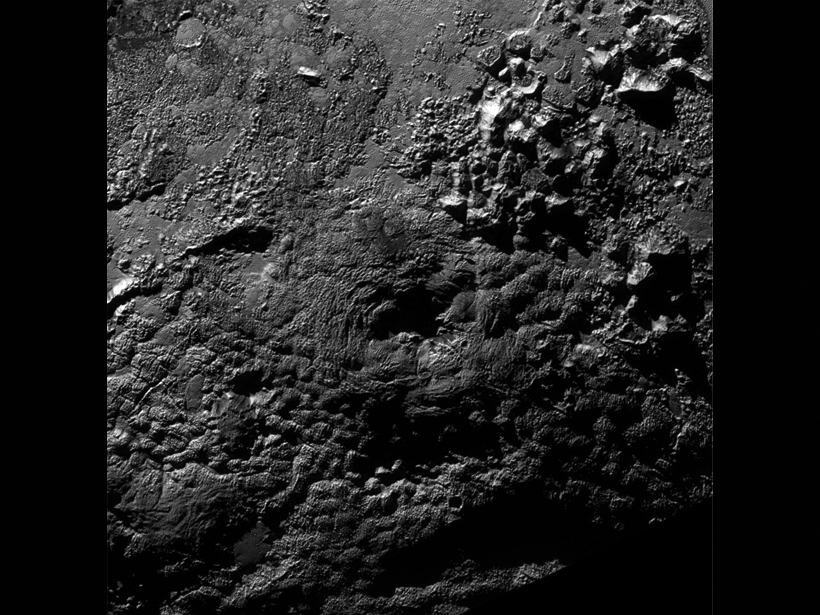
Pluto: In the Icebox but Maybe Still Cookin'
New evidence of ice volcanoes and of middle-aged terrains on Pluto's surface suggests that the dwarf planet has remained geologically active ever since it first formed billions of years ago.

Posted inResearch Spotlights
To Help Fix the Hole in the Ozone Layer, Just Add Ice
Computer simulations show that adding tiny droplets of ice to the atmosphere during the spring could help eliminate chlorofluorocarbons and repair the hole in the ozone layer.