


Researchers collected carbon from 3 years' worth of air samples and traced it back to its source.
Journal of Geophysical Research: Biogeosciences

Posted inEditors' Vox
The Arctic Freshwater Synthesis
The result of international study and coordination, this Special Issue provides an important "state-of-the-science" review of changing systems and their potential impacts.
Posted inResearch Spotlights
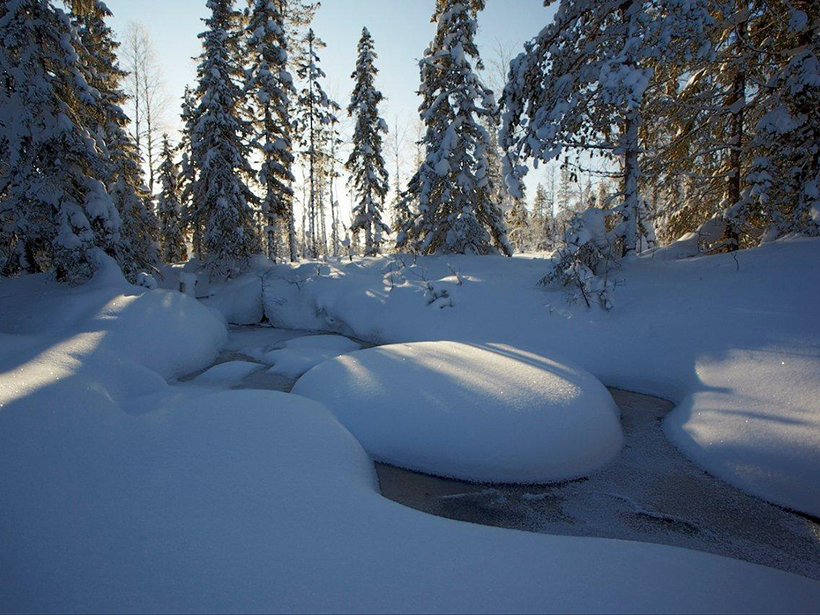
Headwater Streams May Export More Carbon Than Previously Thought

New research sheds light on the streams that carry carbon away from peatlands with the hope that the data will better inform climate models.

Posted inResearch Spotlights
Rocks in Chile Help Scientists Hunt for Life on Mars
Investigating oxalate minerals in the Atacama Desert provides a terrestrial analogue to test techniques that could be used to study the carbon cycle in the cold deserts of Mars.

Posted inResearch Spotlights
How Tropical Cyclones Influence Photosynthesis
A new modeling study gives insight into how tropical cyclones affected ecosystems in the southeastern United States between 2002 and 2012.

Posted inEditors' Vox
Your Science Is Your (Openly Shared) Data
Your data are no less important than your words.
Posted inEditors' Vox
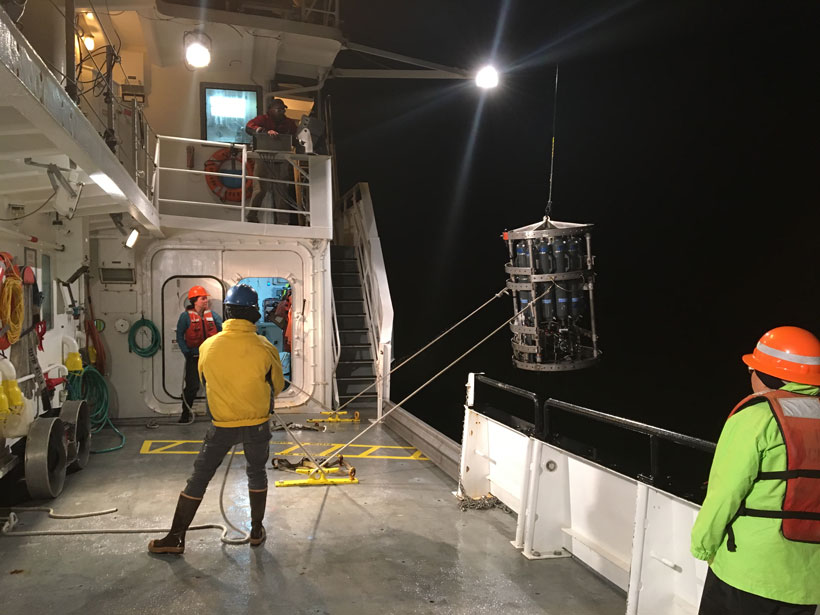
What Are Scientists Doing off the Oregon Coast in Winter?
Social media and the value of communicating field experiences to the public

Posted inResearch Spotlights
Glacial Meltwater Features Depend on Glacier Type and Location

With climate change, some glaciers will melt faster than others, altering the proportions of nutrients in meltwater and changing downstream ecosystems.
Posted inResearch Spotlights
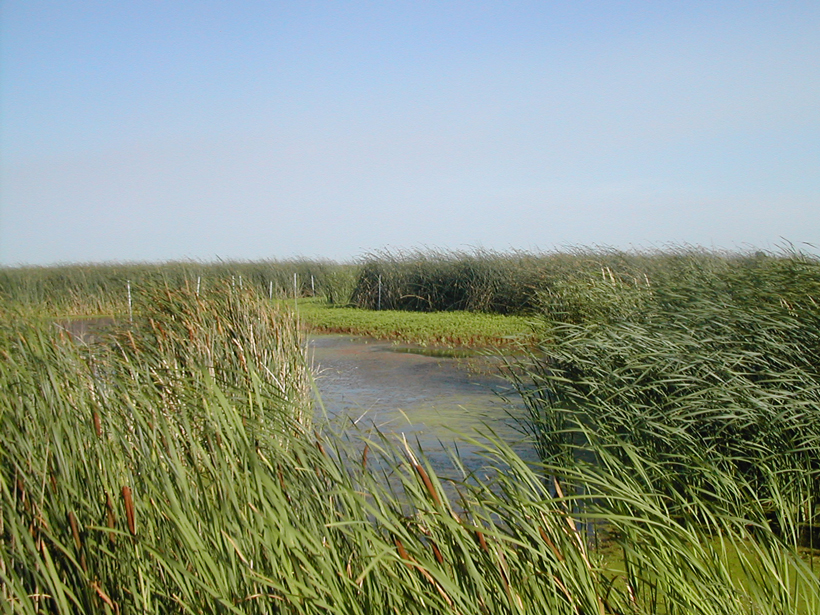
After a Century, Restored Wetlands May Still Be a Carbon Source

Methane emissions can drastically lower, or even reverse, the benefits of carbon sequestration in restored wetlands, according to new measurements from the Sacramento–San Joaquin Delta.

Posted inResearch Spotlights
An Unprecedented View of Biogeochemistry off India's West Coast
Yearlong study reveals seasonal changes in oxygen levels, nutrient availability, and plankton growth.