


The exhibit includes Buzz Aldrin's gloves and an injector plate from the rocket's first-stage engine, which was recovered from the bottom of the Atlantic Ocean.
Moon

Posted inNews
Focus NASA on Mars and Moon, Not Earth, Witnesses Tell Hearing
One speaker, the former chief scientist of NASA, spoke up for NASA's Earth science program as broadly beneficial and affordable within the agency's existing budget.
Posted inNews
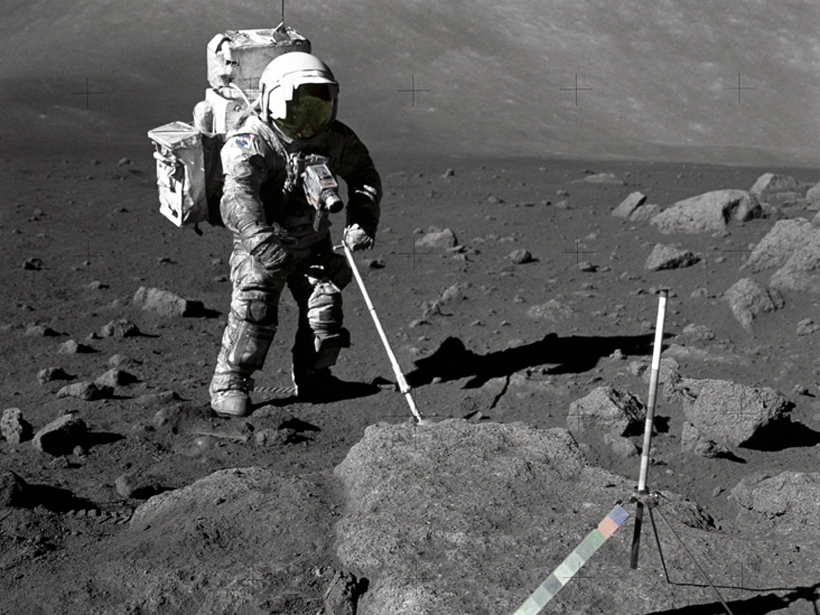
Biogenic Oxygen on the Moon Could Hold Secrets to Earth's Past


Lunar orbiting data show that terrestrial oxygen rains down periodically on the Moon, enticing researchers with an opportunity to study Earth's ancient atmosphere.

Posted inNews
Government OK's Moon Express Mission to the Moon
The company envisions the mission as a first step in bringing resources from the Moon back to the Earth.
Posted inNews
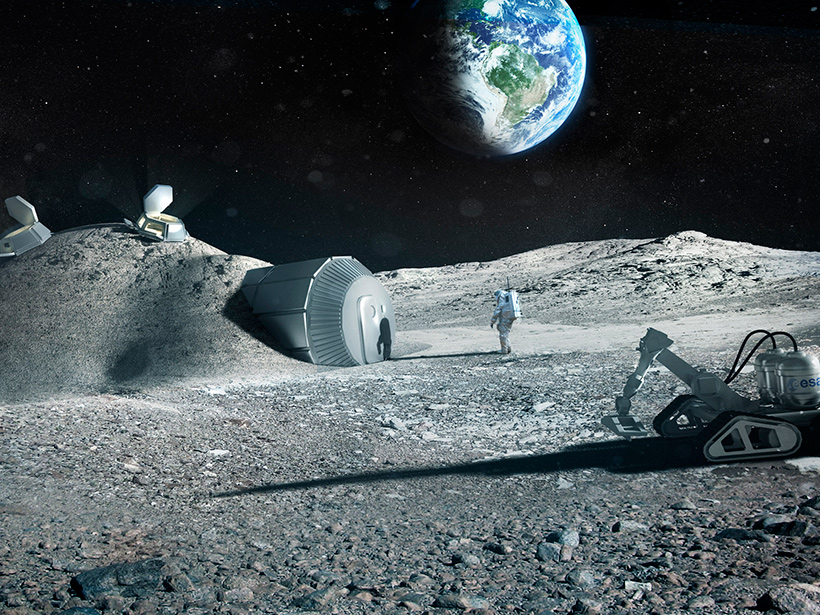
Could 3-D Printers Create Shelters for Future Lunar Settlers?
Test of a novel solar-powered printer yielded a prototype construction brick made from simulated lunar soil.
Posted inResearch Spotlights
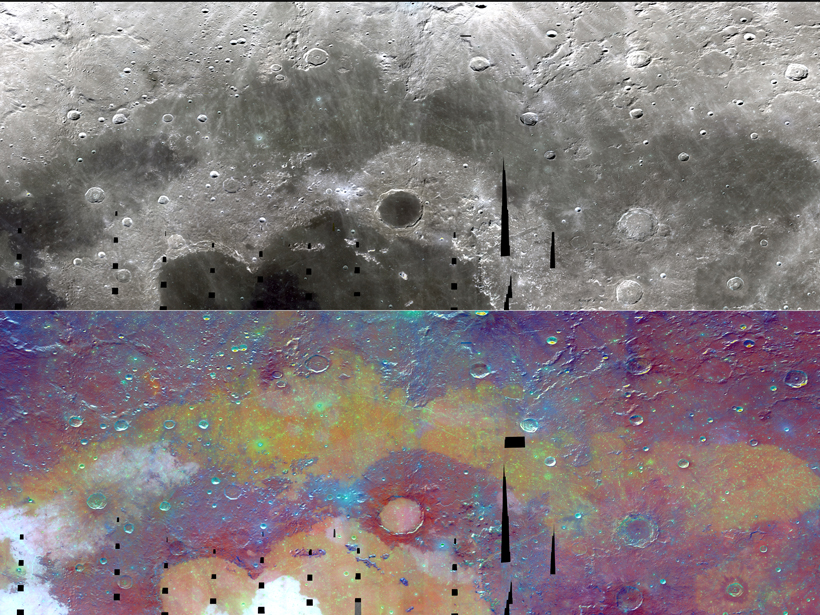
Satellites Reveal the History of the Moon's "Frigid Sea"

The history of aluminum-rich basalts in Mare Frigoris may help scientists better understand the evolution of the lunar mantle.
Posted inNews
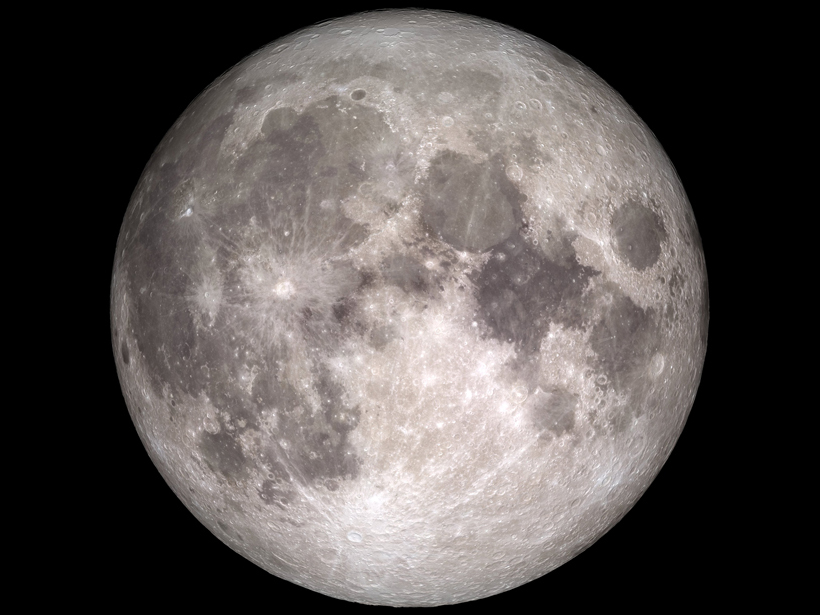
Interior Water Not Ruled Out for Our Moon, Lab Tests Suggest
The experiments mimicked cooling of magma at the lunar surface. They found that any water in interior molten rock might have escaped so fast at the surface that none was left to be measured.

Posted inResearch Spotlights
Subsurface Craters Expose the Moon's Dramatic Past

Scientists use the gravity signature of the lunar surface to trace the history of impact cratering and its role in the Moon's evolution.
Posted inAGU News
Garrick-Bethell Receives 2015 Ronald Greeley Early Career Award in Planetary Science
Ian Garrick-Bethell will receive the 2015 Ronald Greeley Early Career Award in Planetary Science at the 2015 American Geophysical Union Fall Meeting, to be held 14–18 December in San Francisco, Calif. The award recognizes significant early-career contributions to planetary science.

Posted inResearch Spotlights
How Did the Moon Get Its Shape?
Scientists find a solution to a 200-year-old problem: syncing the prominent bulges on the Moon with our natural satellite's origins.