• About
  • Special Reports
  • Topics
    • Climate
    • Earth Science
    • Oceans
    • Space & Planets
    • Health & Ecosystems
    • Culture & Policy
    • Education & Careers
    • Opinions
  • Projects
    • Postcards From the Field
    • ENGAGE
    • Editors’ Highlights
    • Editors’ Vox
    • Eos en Español
    • Eos 简体中文版
    • Print Archive: 2015–2025
  • Policy Tracker
  • Blogs
    • Research & Developments
    • The Landslide Blog
  • Newsletter
  • Submit to Eos
  • AGU.org
  • Career Center
  • Join AGU
  • Give to AGU
  • About
  • Special Reports
  • Topics
    • Climate
    • Earth Science
    • Oceans
    • Space & Planets
    • Health & Ecosystems
    • Culture & Policy
    • Education & Careers
    • Opinions
  • Projects
    • Postcards From the Field
    • ENGAGE
    • Editors’ Highlights
    • Editors’ Vox
    • Eos en Español
    • Eos 简体中文版
    • Print Archive: 2015–2025
  • Policy Tracker
  • Blogs
    • Research & Developments
    • The Landslide Blog
  • Newsletter
  • Submit to Eos
Skip to content
  • AGU.org
  • Career Center
  • Join AGU
  • Give to AGU
Eos

Eos

Science News by AGU

Support Eos
Sign Up for Newsletter
  • About
  • Special Reports
  • Topics
    • Climate
    • Earth Science
    • Oceans
    • Space & Planets
    • Health & Ecosystems
    • Culture & Policy
    • Education & Careers
    • Opinions
  • Projects
    • Postcards From the Field
    • ENGAGE
    • Editors’ Highlights
    • Editors’ Vox
    • Eos en Español
    • Eos 简体中文版
    • Print Archive: 2015–2025
  • Policy Tracker
  • Blogs
    • Research & Developments
    • The Landslide Blog
  • Newsletter
  • Submit to Eos

partner content

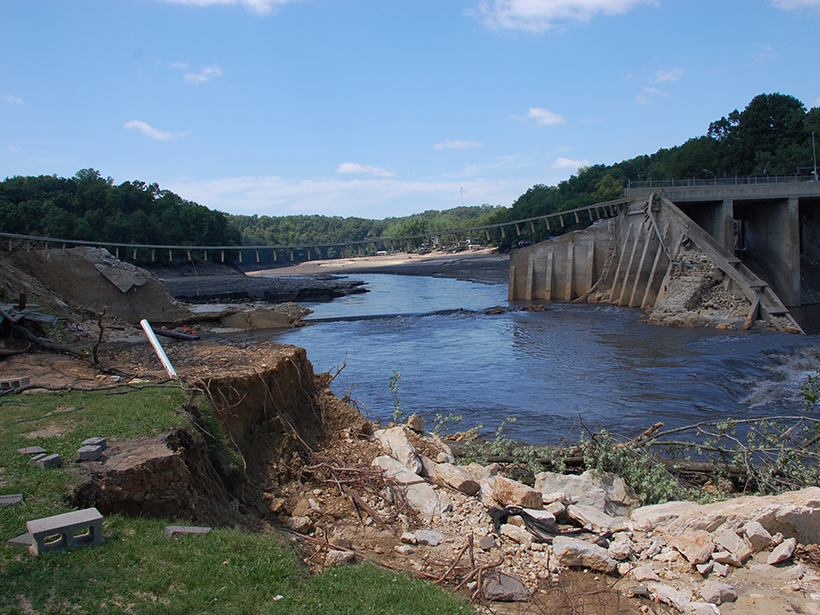
Dam failure in Iowa
Posted inNews

Below Aging U.S. Dams, a Potential Toxic Calamity

by J. Dinneen and A. Kennedy 11 June 20216 January 2023

Documents suggest that in more than 80 U.S. locations, the failure of an aging dam could flood a major toxic waste site.
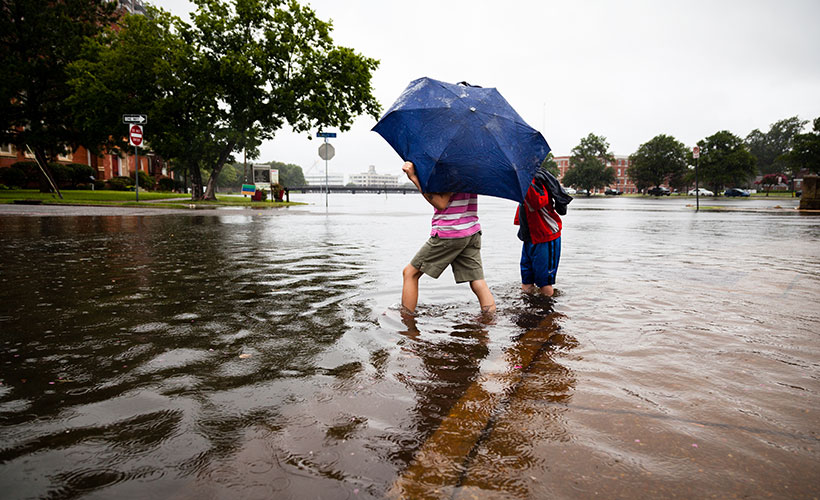
Greenhouse gases heat the atmosphere, warm the ocean, and lead to sea level rise.
Posted inNews

Warming Oceans Are Making the Climate Crisis Significantly Worse

by H. R. Wanless 19 April 202128 March 2022

Humans have locked in at least 20 feet of sea level rise—can we still fix it?
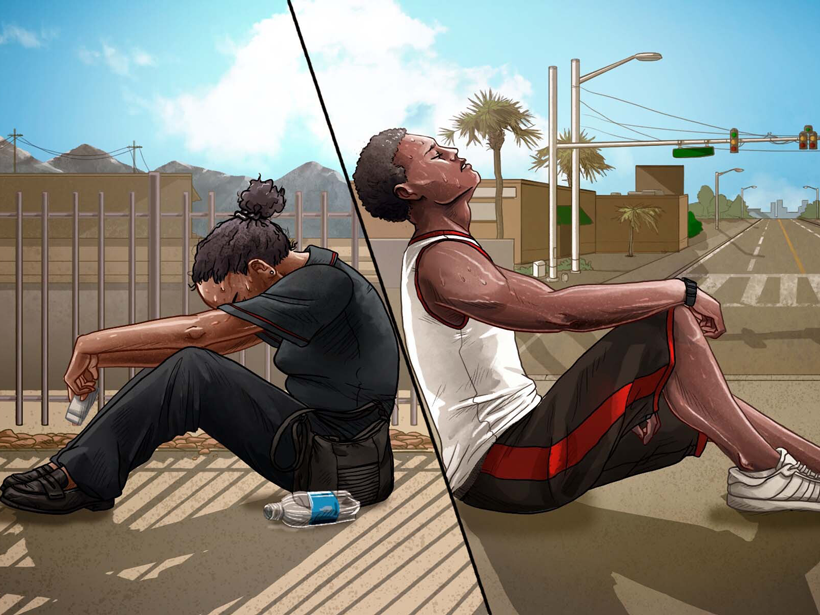
Illustration of underserved communities in Phoenix and Florida suffering from heat illnesses
Posted inFeatures

Dangerous Heat, Unequal Consequences

by Sofia Moutinho and E. Gawthrop 23 February 20215 October 2021

How two neighborhoods in Arizona and Florida became hot spots for sickening heat.
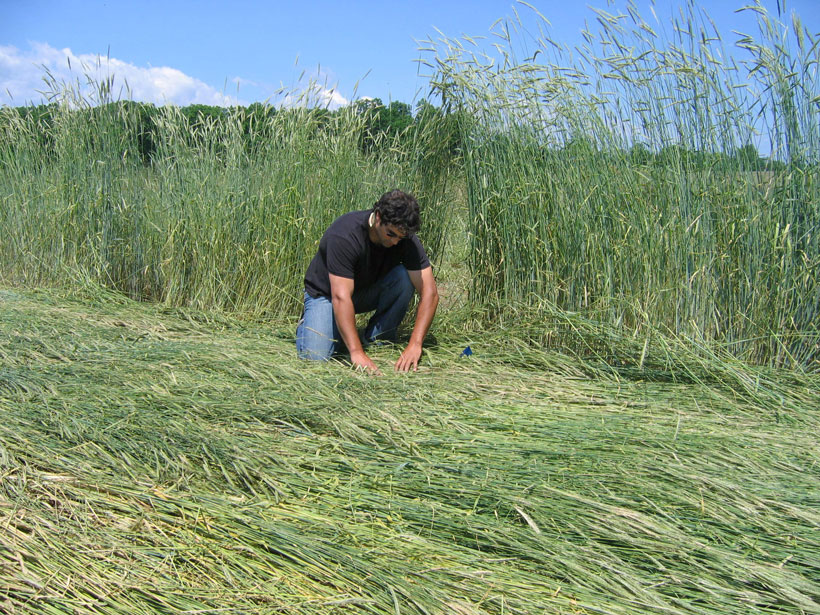
Research ecologist Steven Mirsky evaluates a cereal rye cover crop.
Posted inNews

Cover Crops, Sensors, and Food Security

by DJ McCauley 25 January 20214 November 2022

Forward-Thinking Ideas for the USDA’s Agriculture Innovation Agenda

Living walls line Milan’s Bosco Verticale apartment building
Posted inNews

Cómo convertir nuestras ciudades en Treetopias

by Alan Simson 15 January 20216 September 2022

Estamos y seguiremos plantando más árboles callejeros, arboledas urbanas y cúmulos informales de árboles en nuestros parques y espacios verdes. La Treetopia ha comenzado.

Presidential debate stage preparations in 2016
Posted inNews

Five Science Questions That Ought to Be Asked at the Debates

by G. Yohe, H. Jacoby, B. Santer and R. Richels 25 September 202015 September 2025

Journalists, moderators, and the public have an important opportunity to question the presidential and vice presidential candidates in the upcoming TV debates.
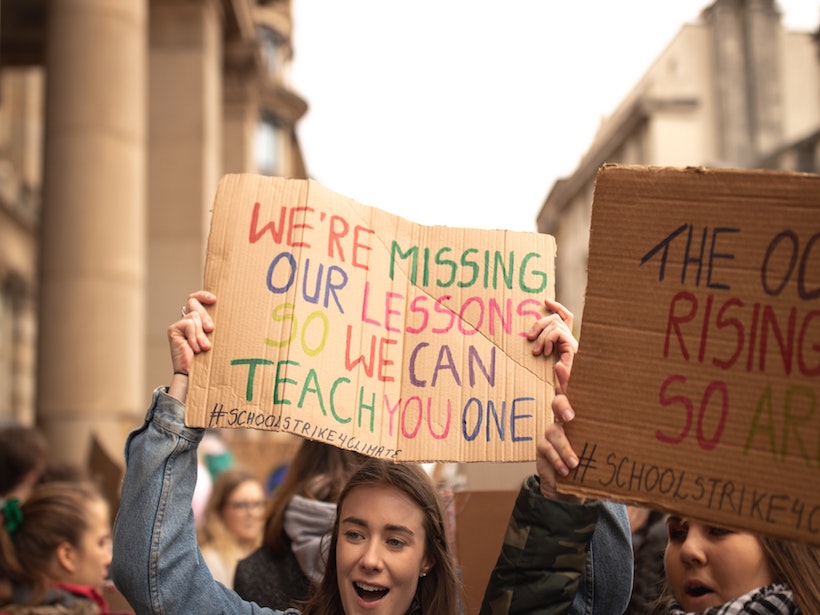
Young woman holds a sign saying “We’re missing our lessons so we can teach you one.”
Posted inNews

Youth Climate Movement Recalibrates

by E. Schwing 21 September 202014 October 2021

Sixteen children await a decision from the United Nations on whether their home nations have endangered their rights by not adequately responding to climate change.

Person in a graduation cap sits with their back to the camera amid a field of dandelions.
Posted inOpinions

We Need to Direct More Science Research Dollars to Rural America

by H. Steltzer 27 May 202015 September 2025

Pandemic relief funding should provide a much-needed boost to scientific research. And we should steer those dollars toward where they can do the most good.

Toronto skyline from Lake Ontario
Posted inNews

Great Lakes Cities’ Sewer Designs Mean Waste in the Waters

by D. Rosenthal 4 May 20203 November 2021

In older cities, a single system of pipes may transport sewage and stormwater runoff. As the climate crisis brings more intense storms, urban areas like Toronto are overhauling their drainage systems.

Living walls line Milan’s Bosco Verticale apartment building
Posted inNews

How to Turn Our Cities Into Treetopias

by Alan Simson 23 April 20207 January 2022

We are and will continue to plant more street trees, urban groves and informal clusters of trees in our parks and green spaces. Treetopia has begun.

Posts pagination

Newer posts 1 2 3 4 5 Older posts
Over a dark blue-green square appear the words Special Report: The State of the Science 1 Year On.

Features from AGU Publications

Research Spotlights

Seismic Attenuation Techniques Reveal What Lies Beneath Taiwan

11 May 202611 May 2026
Editors' Highlights

A Digital Twin for Arctic Permafrost Beneath Roads

8 May 202612 May 2026
Editors' Vox

Announcing the Inaugural AGU Advances Early Career Editorial Fellows

5 May 20264 May 2026
Eos logo at left; AGU logo at right

About Eos
ENGAGE
Awards
Contact

Advertise
Submit
Career Center
Sitemap

© 2026 American Geophysical Union. All rights reserved Powered by Newspack