

New research suggests that moist tree heartwood produces methane and emits the greenhouse gas to the atmosphere.
trees

Posted inNews
Eyes in the Sky Look Closer at Under-Surveyed Northern Forests
Spaceborne images give scientists a detailed picture of the boreal forests’ tree heights, which help scientists estimate their contribution to carbon budgets.
Posted inNews
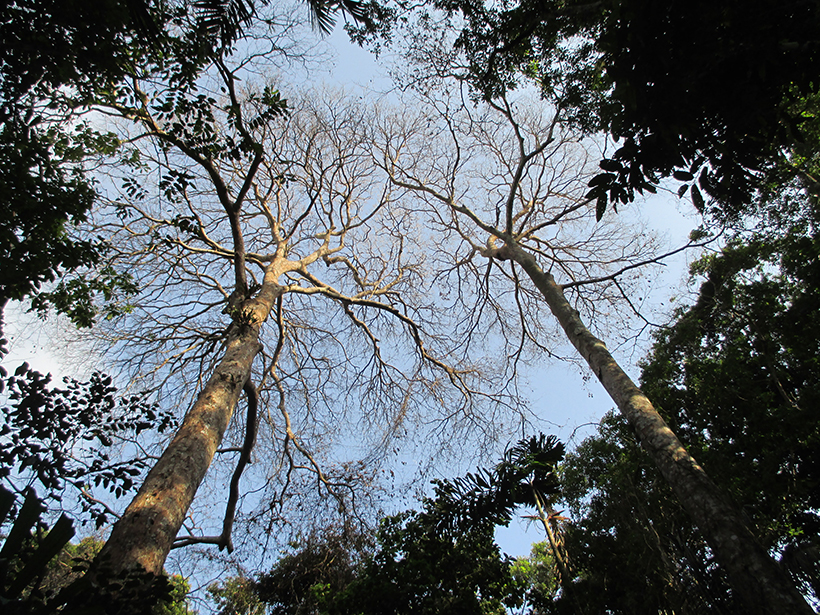
Panama Study: Tallest Tropical Trees Died Mostly from Lightning

On Barro Colorado Island in the Panama Canal, scientists map lightning strikes and find that they kill mainly the loftiest trees, likely disturbing the forest ecology.

Posted inResearch Spotlights
Follow Earthworm Tracks to Better Simulate Water Flow in Soils

Incorporating paths carved by the critters and by tree roots helps scientists align simulations of tropical soils more closely with real-world data.

Posted inResearch Spotlights
Can Tree Planting Really Help Mitigate Climate Change?
It depends on where, when, and how.

Posted inResearch Spotlights
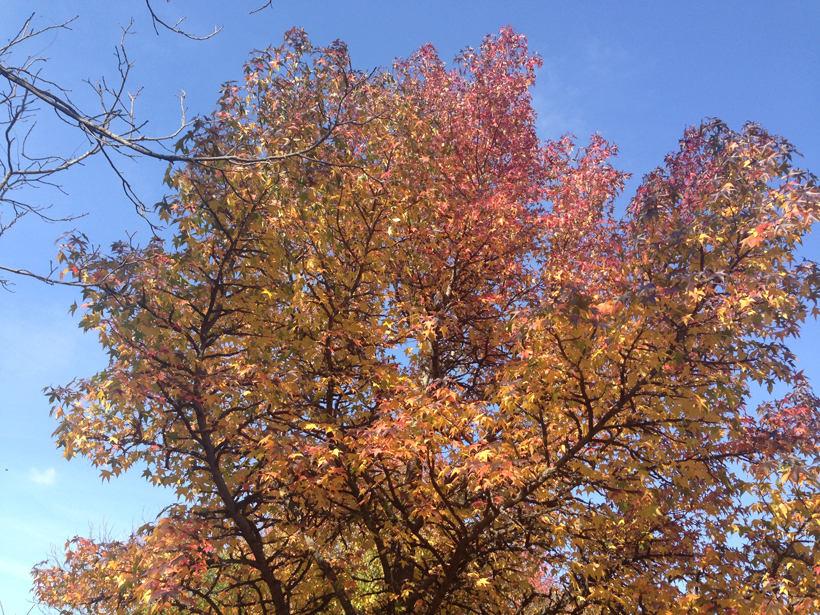
As Winters Get Warmer, Sugar Maples May Absorb Less Silicon
Rising temperatures that reduce snow cover leave soils vulnerable to frost, reducing silicon uptake by trees, with potential effects on downstream ecosystems.
Posted inNews
How Do Trees Respond to Climate Change? Clues from an Arboretum
The rich diversity of trees at arboreta may allow scientists to home in on the specific traits that allow trees to grow faster or slower in response to warming temperatures.
Posted inResearch Spotlights
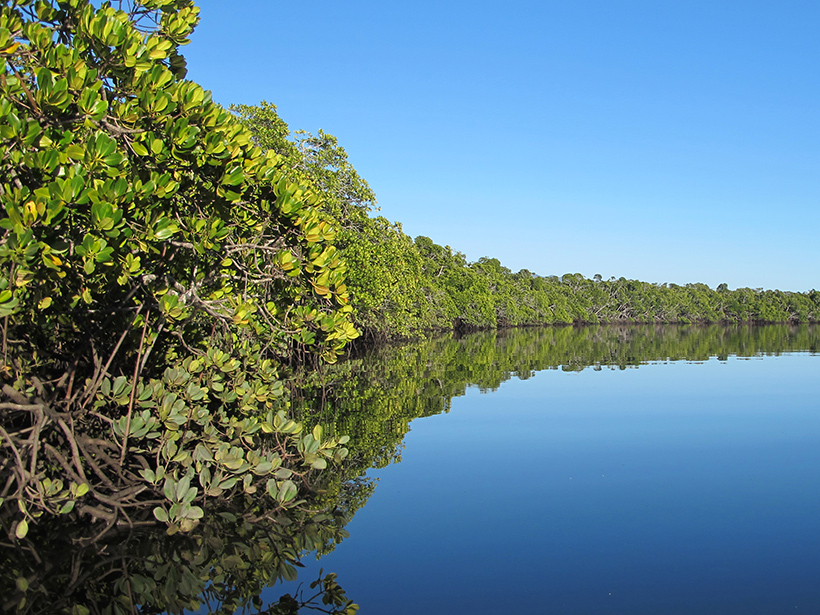
Can Mangroves Buffer Ocean Acidification?
New research evaluates the ability of coastal foliage to influence the ocean's pH.
Posted inResearch Spotlights
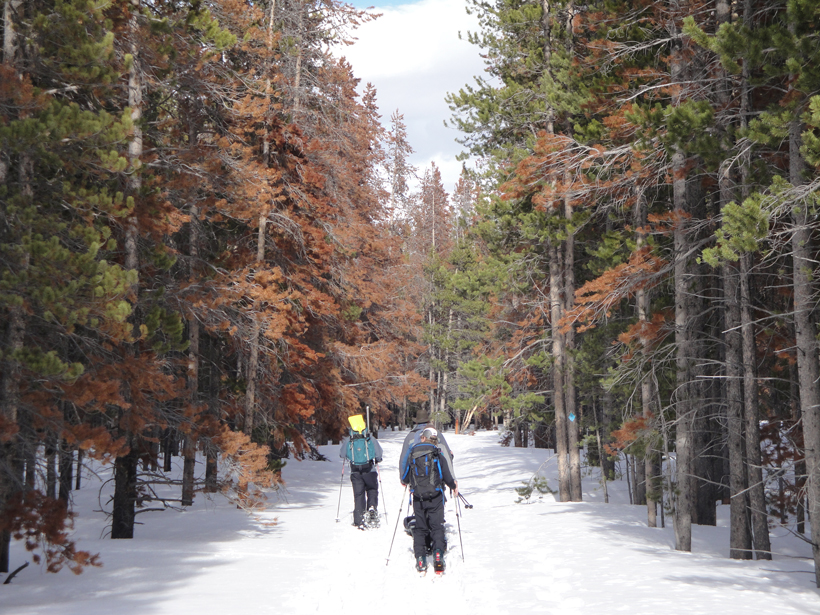
Bark Beetles Cause Big Tree Die-Offs, but Streams Flow Steadily

Recent beetle epidemics have driven tree die-offs across North America, and previous studies predicted an increase in annual streamflow would follow—but a new study shows this may not be the case.