• About
  • Special Reports
  • Topics
    • Climate
    • Earth Science
    • Oceans
    • Space & Planets
    • Health & Ecosystems
    • Culture & Policy
    • Education & Careers
    • Opinions
  • Projects
    • Postcards From the Field
    • ENGAGE
    • Editors’ Highlights
    • Editors’ Vox
    • Eos en Español
    • Eos 简体中文版
    • Print Archive: 2015–2025
  • Policy Tracker
  • Blogs
    • Research & Developments
    • The Landslide Blog
  • Newsletter
  • Submit to Eos
  • AGU.org
  • Career Center
  • Join AGU
  • Give to AGU
  • About
  • Special Reports
  • Topics
    • Climate
    • Earth Science
    • Oceans
    • Space & Planets
    • Health & Ecosystems
    • Culture & Policy
    • Education & Careers
    • Opinions
  • Projects
    • Postcards From the Field
    • ENGAGE
    • Editors’ Highlights
    • Editors’ Vox
    • Eos en Español
    • Eos 简体中文版
    • Print Archive: 2015–2025
  • Policy Tracker
  • Blogs
    • Research & Developments
    • The Landslide Blog
  • Newsletter
  • Submit to Eos
Skip to content
  • AGU.org
  • Career Center
  • Join AGU
  • Give to AGU
Eos

Eos

Science News by AGU

Support Eos
Sign Up for Newsletter
  • About
  • Special Reports
  • Topics
    • Climate
    • Earth Science
    • Oceans
    • Space & Planets
    • Health & Ecosystems
    • Culture & Policy
    • Education & Careers
    • Opinions
  • Projects
    • Postcards From the Field
    • ENGAGE
    • Editors’ Highlights
    • Editors’ Vox
    • Eos en Español
    • Eos 简体中文版
    • Print Archive: 2015–2025
  • Policy Tracker
  • Blogs
    • Research & Developments
    • The Landslide Blog
  • Newsletter
  • Submit to Eos

Türkiye (Turkey)

Posted inEditors' Highlights

Tracking Deep-Earth Processes from Rapid Topographic Changes

by Taylor Schildgen 23 February 201818 April 2022

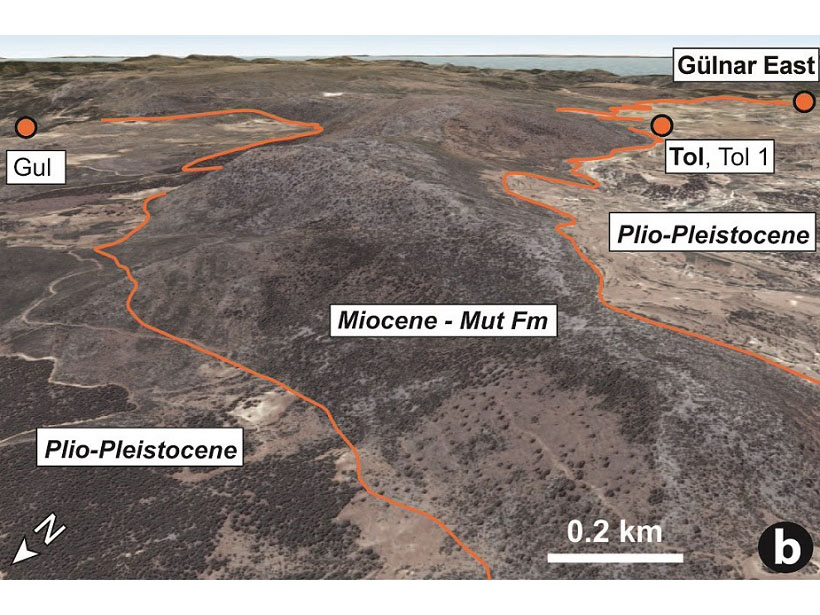
Rapid elevation-rise in Turkey, tracked by marine sediments that now sit at 1.5 km in elevation, is linked to deep-Earth processes that can explain short-lived, extreme rates of topographic change.

Damaged window at police headquarters in Ankara, Turkey, after failed coup attempt.
Posted inNews

Science Groups Voice Concern for Academics in Turkey

by Randy Showstack 2 August 20167 January 2022

International science and education organizations respond to reports of forced resignations of university deans and mass firings of teachers following last month's failed coup attempt.
Posted inResearch Spotlights

Characterizing the Fault Beneath the Marmara Sea

Kate Wheeling, freelance science writer by Kate Wheeling 29 February 201624 March 2023

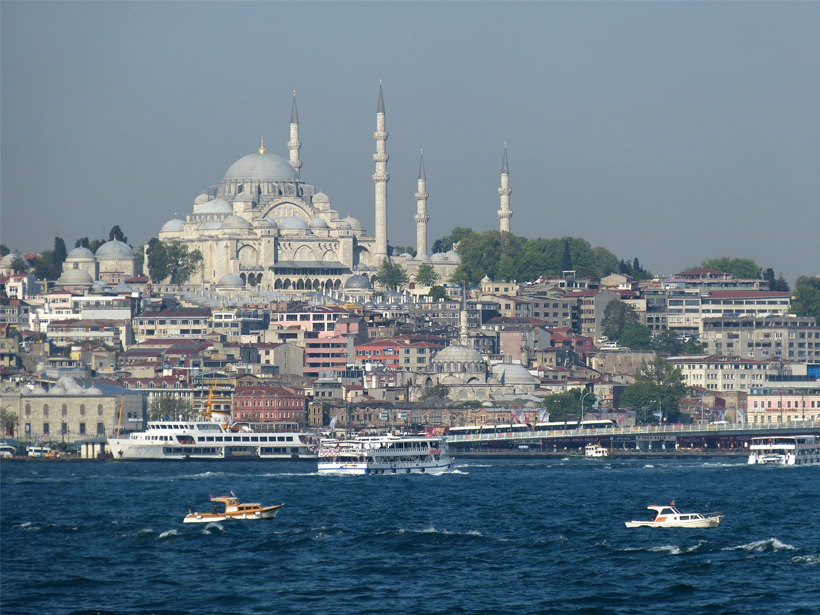
Researchers mine seismic wave data to elucidate the stress relief system of the Main Marmara Fault beneath Turkey's inland sea.

Posted inResearch Spotlights

Seismic Stress Modeling Puts Istanbul in the Crosshairs

by C. Schultz 3 March 201518 April 2022

Twenty years of ground motion observations show that seismic strain is accumulating south of Istanbul.

Posts pagination

Newer posts 1 2 3
Over a dark blue-green square appear the words Special Report: The State of the Science 1 Year On.

Features from AGU Publications

Research Spotlights

How Internal Waves Transport Energy Thousands of Miles Across the Ocean

26 March 202626 March 2026
Editors' Highlights

Machine Learning Could Enhance Earth System Modeling

10 April 20267 April 2026
Editors' Vox

Synergistic Integration of Flood Inundation Modeling Methods

10 April 202610 April 2026
Eos logo at left; AGU logo at right

About Eos
ENGAGE
Awards
Contact

Advertise
Submit
Career Center
Sitemap

© 2026 American Geophysical Union. All rights reserved Powered by Newspack