
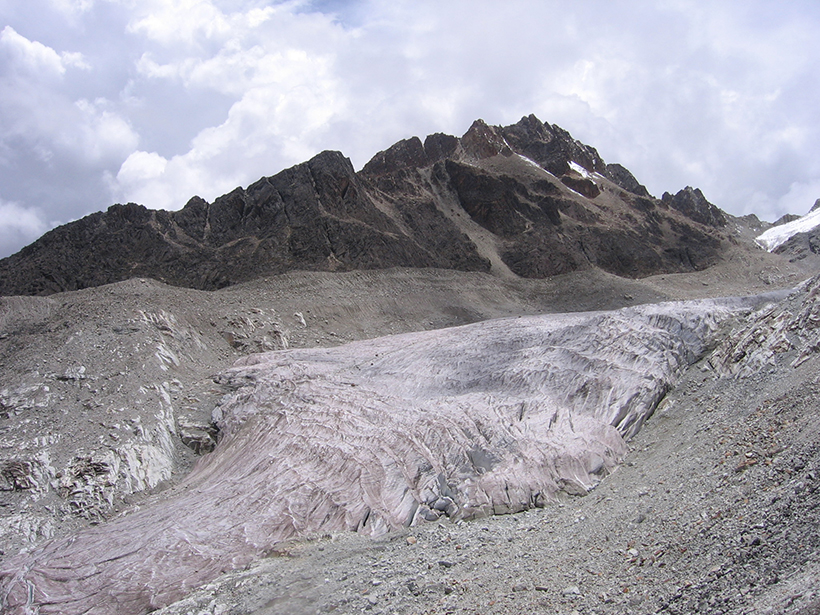
Investigaciones recientes revelan que las emisiones de carbono negro producidas por los incendios en el Amazonas causan que los glaciares en los Andes absorban más radiación solar y se derritan más.
News
Posted inNews
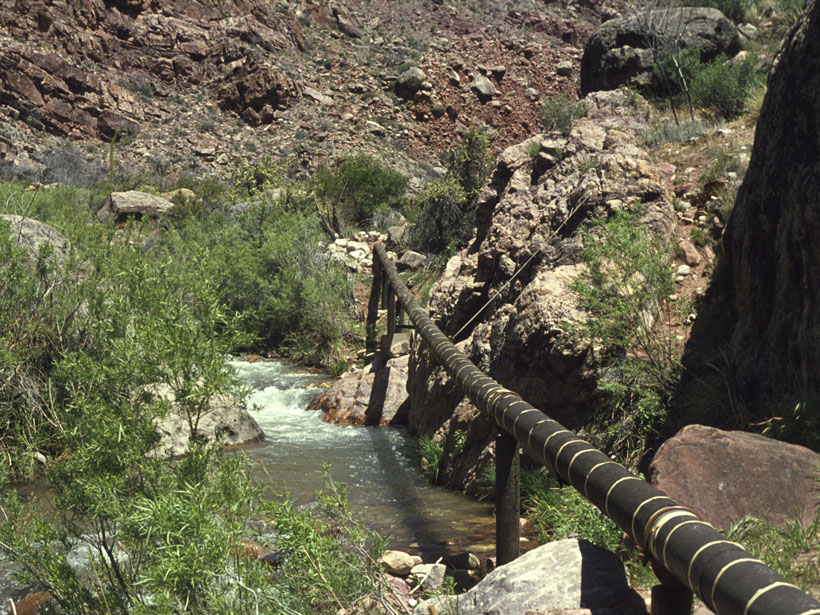
Tracking the Grand Canyon’s Mysterious Springs

Improved modeling will help protect a crucial drinking water source for both rims of Grand Canyon National Park.
Posted inNews
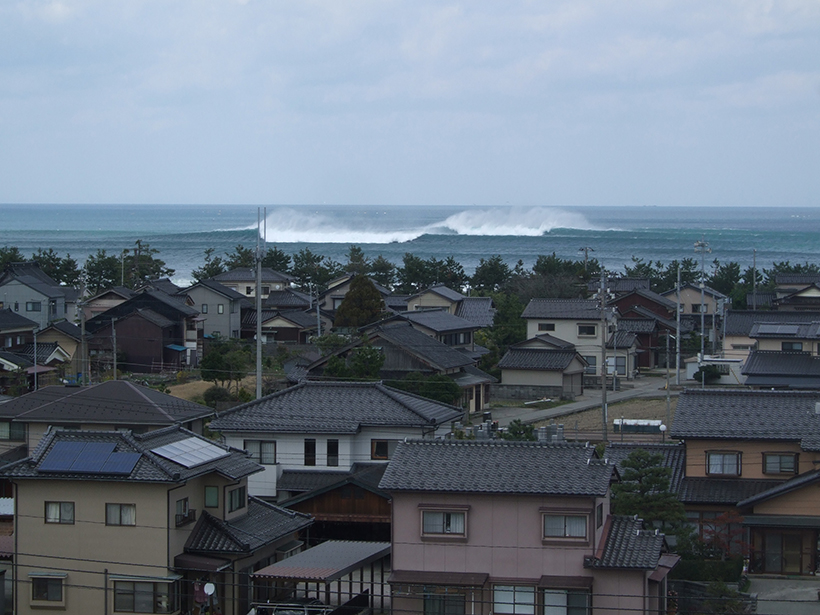
Submarine Canyons Breed Megawaves in Japan

The canyons act like a prism, focusing waves into mammoths of destruction.
Posted inNews
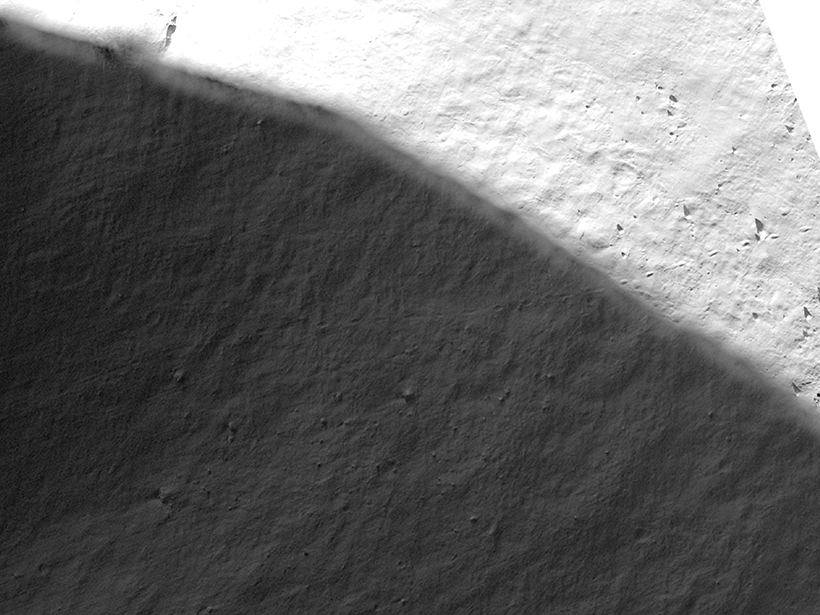
Shedding Light on the Darkest Regions of the Moon
An international team of researchers is analyzing boulder tracks to learn more about some of the most elusive regions on the Moon.

Posted inNews
This Week: Creation Stories, Climate Skeptics, and Wine
What Earth and space science stories are we recommending this week?

Posted inNews
Tiny Fireballs May One Day Reveal Unseen Asteroids

The tiny fireball that flew over Japan in 2017 came from an asteroid that could threaten Earth in 10 million years or so. Scientists are trying to use these little meteors to hunt larger objects.
Posted inNews
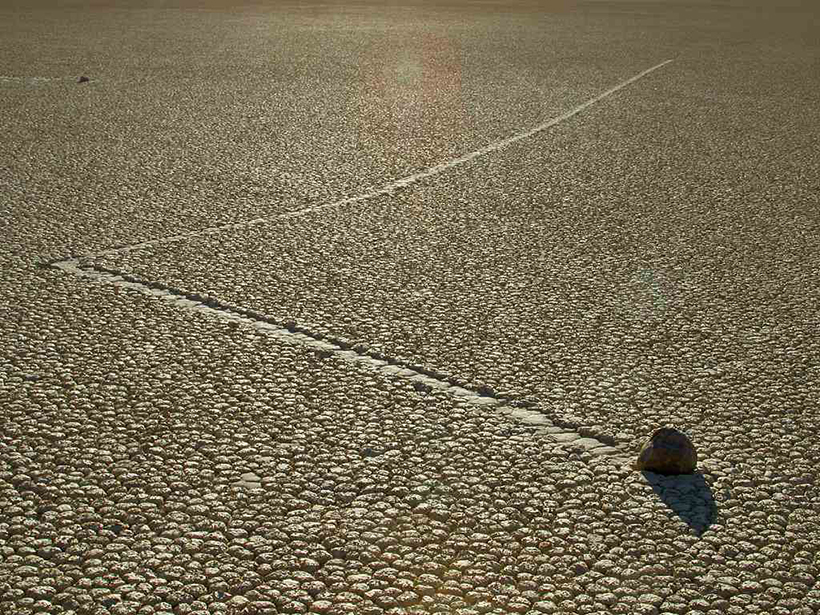
Does This Fossil Reveal a Jurassic Tropical Freeze?
On view for over a century, a fossil slab may display evidence of tropical freezing during the Jurassic, but scientists never noticed it—until one finally did. Some colleagues are not convinced.

Posted inNews
Podcast: Exhuming a Buried Piece of American History

Scientists are using grave soil to reconstruct the lives of enslaved Africans in colonial New York.
Posted inNews
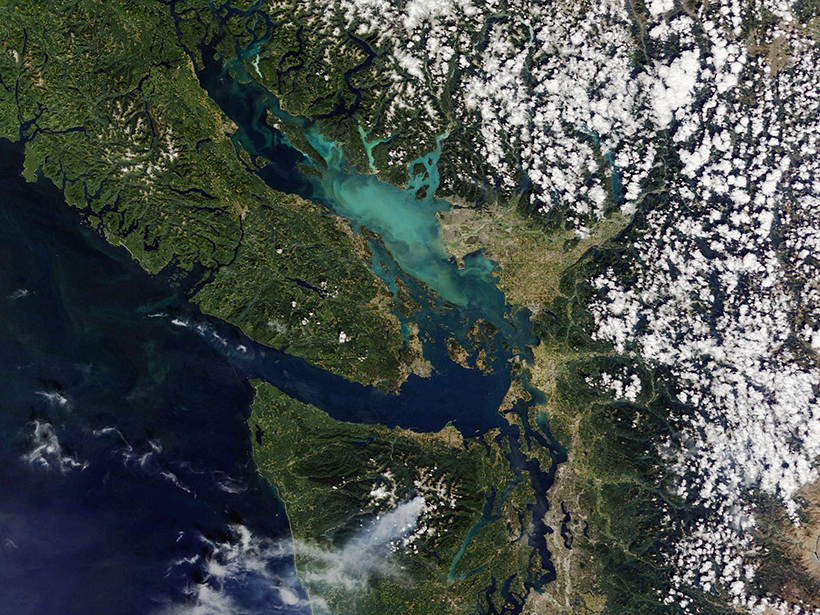
Fluid Pressure Changes Grease Cascadia’s Slow Aseismic Earthquakes
Twenty-five years’ worth of data allows scientists to suss out subtle signals deep in subduction zones.