

AGU members and others in the news.
News
Posted inNews
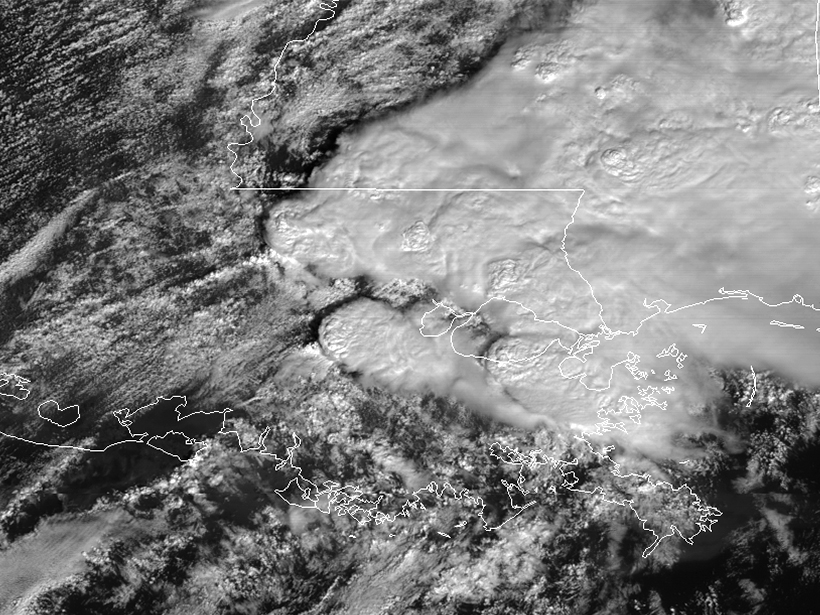
NOAA Video Shows Satellite Views of Louisiana Tornadoes

Real-time updates of storms will help forecasters track and predict where the most damage could occur.

Posted inNews
EPA Comes Under the Gun in Congressional Hearing

The hearing also examined a complaint that a former NOAA scientist manipulated data in a high-profile global warming paper.
Posted inNews
Andrew G. Slater (1971–2016)
Andrew "Drew" Slater, land modeler extraordinaire, died on 9 September 2016. He was 44 years old.

Posted inNews
Hiring Freeze Sparks Worries at Science Agencies
Other presidents have instituted hiring freezes, but some federal employee representatives worry that President Donald Trump's order is different because more draconian measures might follow.
Posted inNews
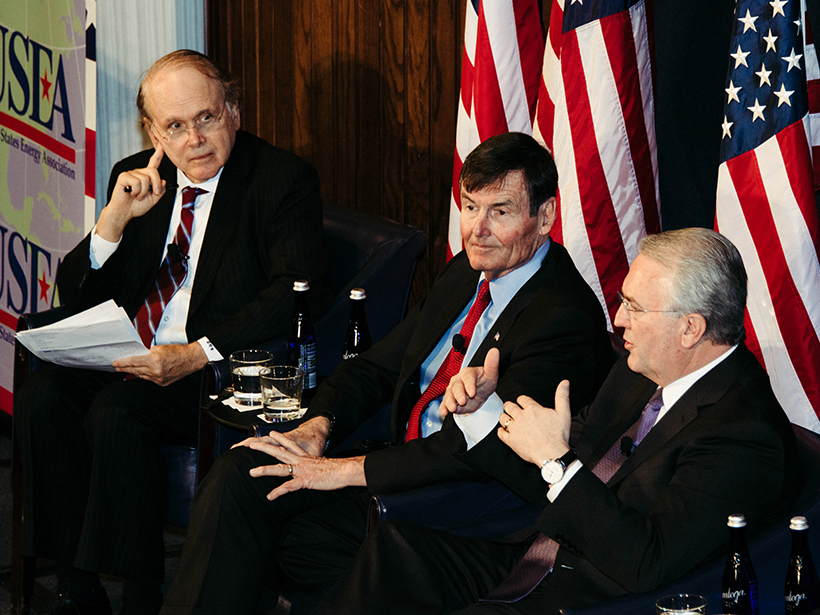
Fossil Fuel Leaders Look to New Playing Field Under Trump
The election made a difference, say oil and coal mining industry heads, who expressed hope that the new administration will reduce regulations to improve development opportunities.
Posted inNews
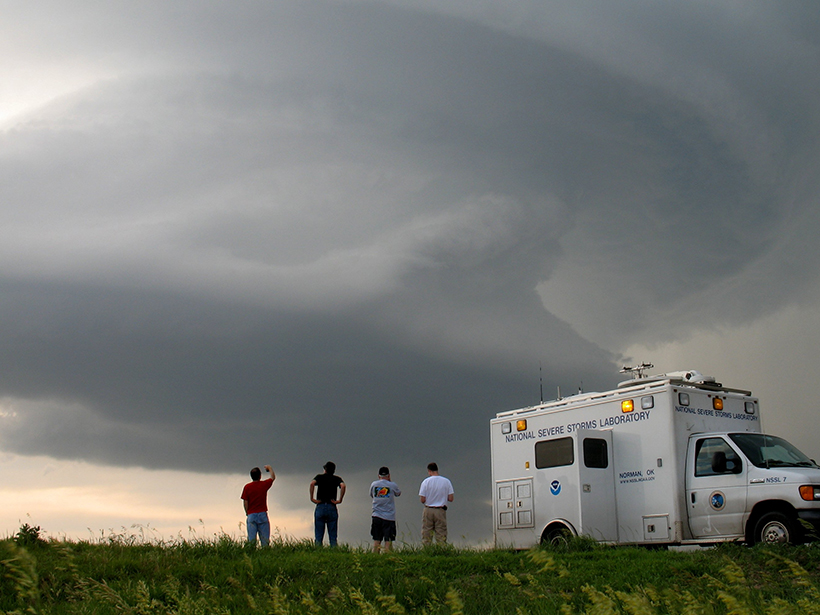
Initiative Aims to Help Cut Losses from Extreme Weather Events
A new alliance aims to integrate social and behavioral science into meteorological research and practice to help build resilience to natural disasters.
Posted inNews
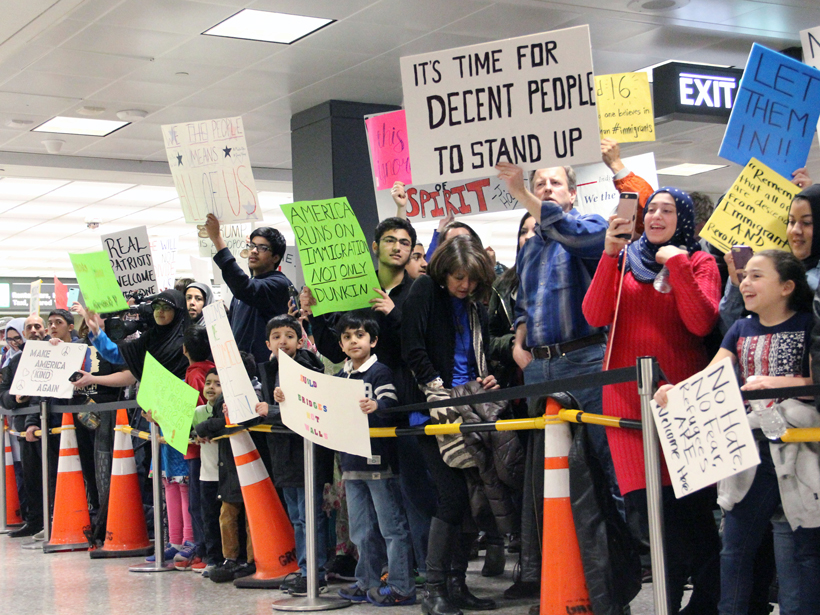
Immigration Ban Takes Toll on Earth and Space Scientists
Some researchers can't come to the United States or fear leaving the country to visit their home nations because of a new federal ban on immigrants.

Posted inNews
ExxonMobil Adds Climate Expert to Its Board
The company has been criticized for its stance on climate change and initially opposed a shareholder proposal to include a climate expert on its board of directors.
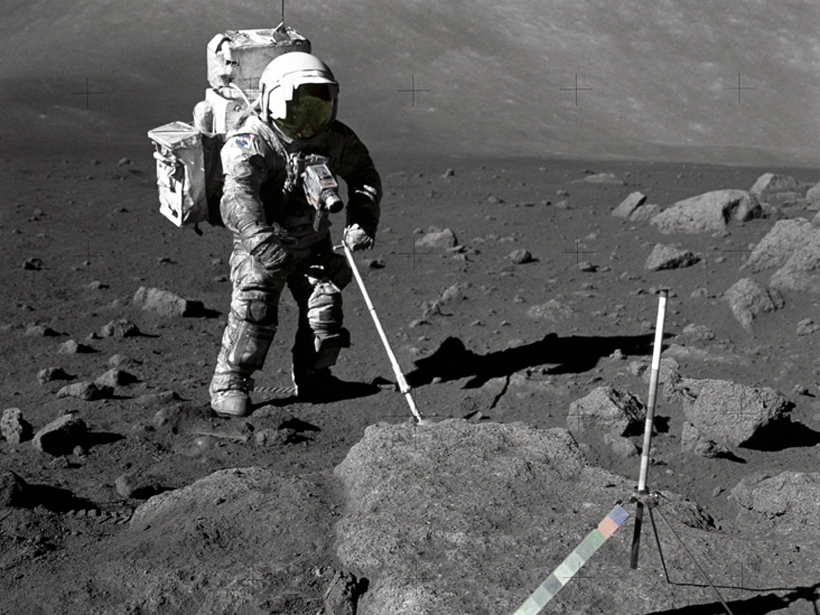
Posted inNews
Biogenic Oxygen on the Moon Could Hold Secrets to Earth's Past

Lunar orbiting data show that terrestrial oxygen rains down periodically on the Moon, enticing researchers with an opportunity to study Earth's ancient atmosphere.