
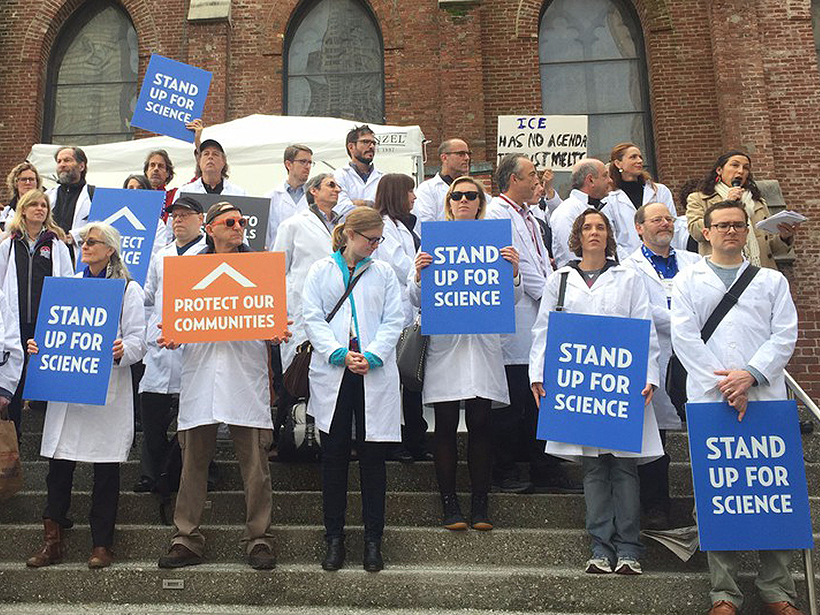

An advocacy group for women scientists has formed in reaction to the contentious 2016 U.S. presidential campaign and expects to participate in the Women's March on Washington this weekend.
News

Posted inNews
House Science Committee's Climate Tweets Rile Scientists

Twice in just over a month, a government body tweeted material that claims to refute the human causes of climate change.
Posted inNews
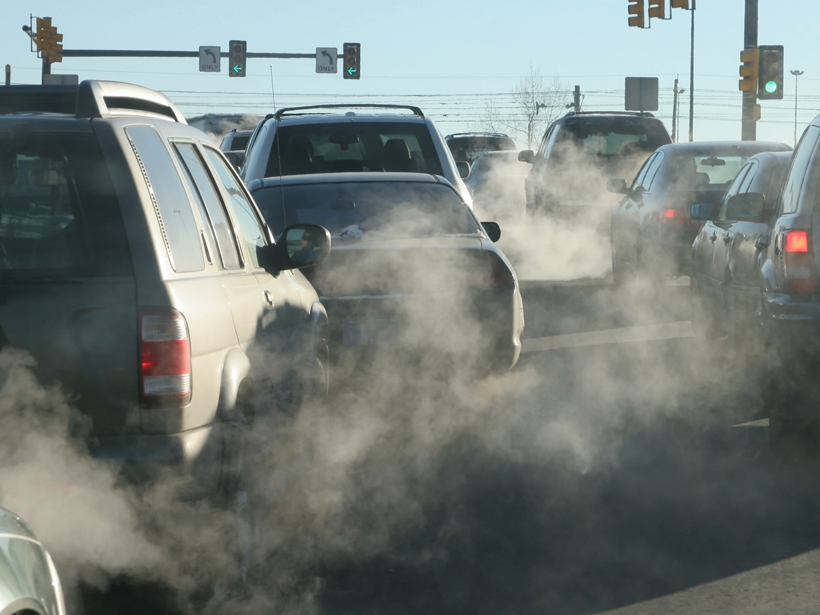
Report Calls for Revised Method to Chart Cost of Climate Change

Proposed changes could improve the calculation's scientific basis and transparency, according to the report.

Posted inNews
Tsunamis Leave a Telltale Chemical Trail

Researchers follow a trail of organic compounds in soil that reveals the 2011 Tohoku tsunami's path over the Japanese coastline, providing clues to how often tsunamis recur and where they travel.

Posted inNews
White House Urges Future Science and Technology Priorities
Memos from the departing Obama administration specify science and technology frontiers for investment by President-elect Donald Trump and Congress.

Posted inNews
President Obama Publishes in Science on Renewable Energy Future
In the journal's Policy Forum, the president lays out why renewable energy investments will surge in the future regardless of political headwinds.

Posted inNews
NASA's New Discovery Missions Will Look Back to Our Origins

Two recently approved missions will explore our solar system's early history, looking at asteroids near Jupiter and an odd object that may be a planetary core.
Posted inNews
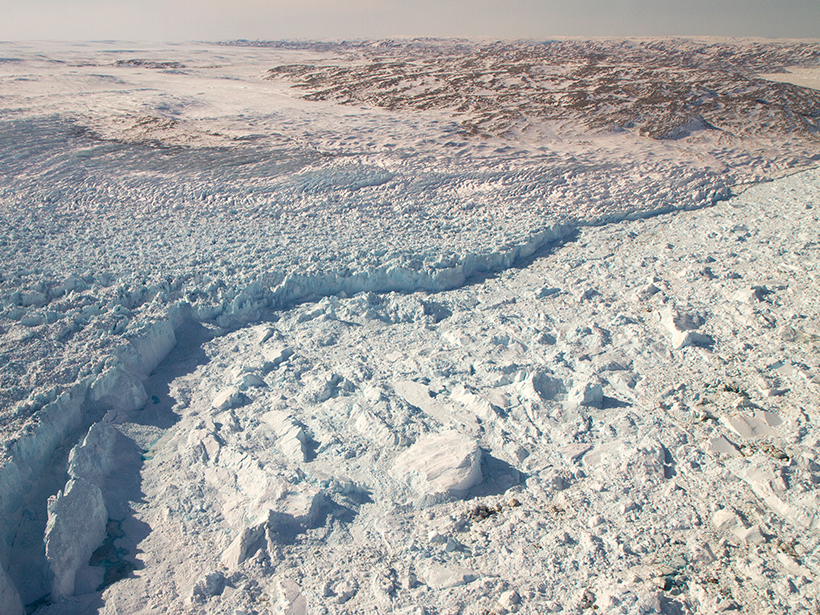
More Frequent Glacial Quakes on Greenland Signal Ice Retreat
Between 1993 and 2011, the annual number of earthquakes caused by gigantic blocks of ice breaking away from Greenland's glaciers has increased, further evidence of accelerating ice loss.
Posted inNews
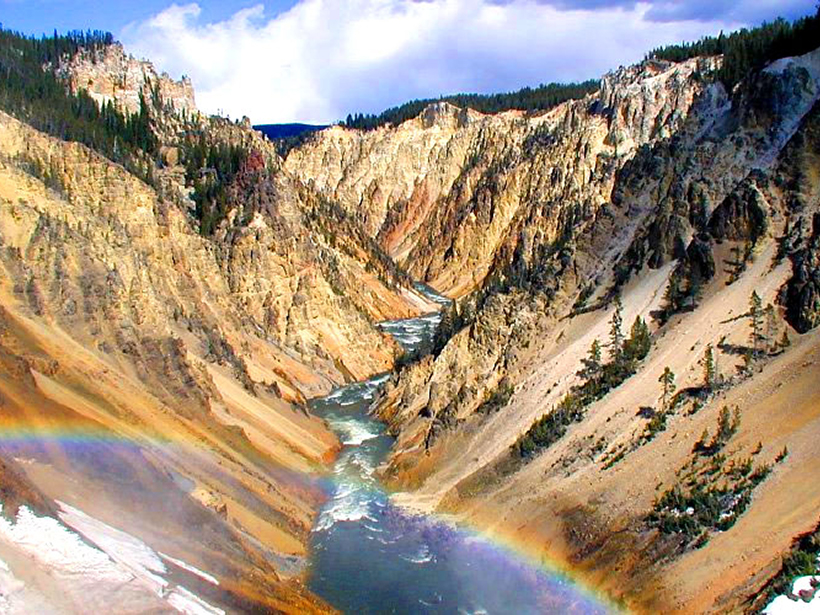
Pinpointing the Trigger Behind Yellowstone's Last Supereruption
Geologists suggest that mixing of magma melt pockets could have caused the explosion a little more than 600,000 years ago.

Posted inNews
New Way to Gauge Lightning's Role in Ozone Formation
Comparing satellite data on a key airborne ozone precursor to readings from a lightning sensor network reveals how much different types of lightning strokes affect atmospheric ozone chemistry.