


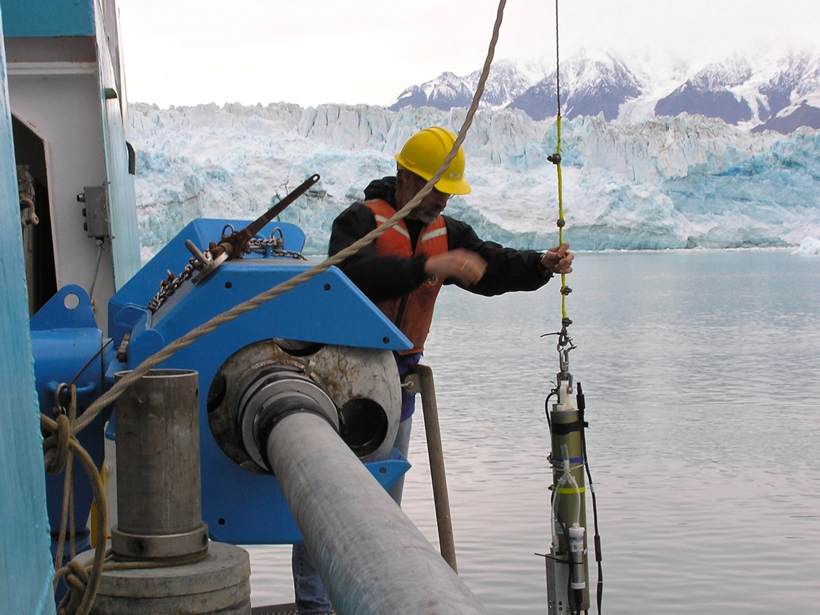
The request for across-the-board increases in fiscal year 2017 also seeks to improve water monitoring and terrain mapping, downsize infrastructure, and grow operations in support of scientific work.
News

Posted inNews
White House Showcases Earthquake Alerts, Federal Quake Readiness
A prototype ShakeAlert early warning system approaches alert-ready status as the administration issues an executive order on federal earthquake standards.

Posted inNews
Climate Change Freezes Mountain Wildflower Reproduction

New research provides evidence that plants that flower earlier in the year because of climate warming experience more frost damage and have less reproductive success.


Posted inNews
Honoring Earth and Space Scientists
Remembering AGU members and others who have passed away
Posted inNews
Proposed 6.7% NSF Budget Increase Depends on Mandatory Funds
If Congress does not approve a new funding strategy pursued by the Obama administration, called mandatory funding, the proposed fiscal year 2017 amount for the agency would grow by only 1.3%.

Posted inNews
Seeing the Gravitational Waves, Despite the Seismic Waves
For detectors to sense the minute jolt of a gravitational wave announced last week, savvy geophysicists and engineers had to keep Earth's tiniest jiggles from reaching ultrasensitive instruments.

Posted inNews
Proposed NASA Budget: Earth Science Up, Planetary Science Down

A new line item for space transportation would support NASA partnerships with commercial spaceflight vendors and reduce dependence on Russia for transporting astronauts.

Posted inNews
Scientists Denounce Pending Australian Climate Science Cuts
The recently unveiled planned shift from basic climate research toward responses to a transformed climate could cost research jobs, hamper climate studies, and limit data gathering and analysis.
Posted inNews
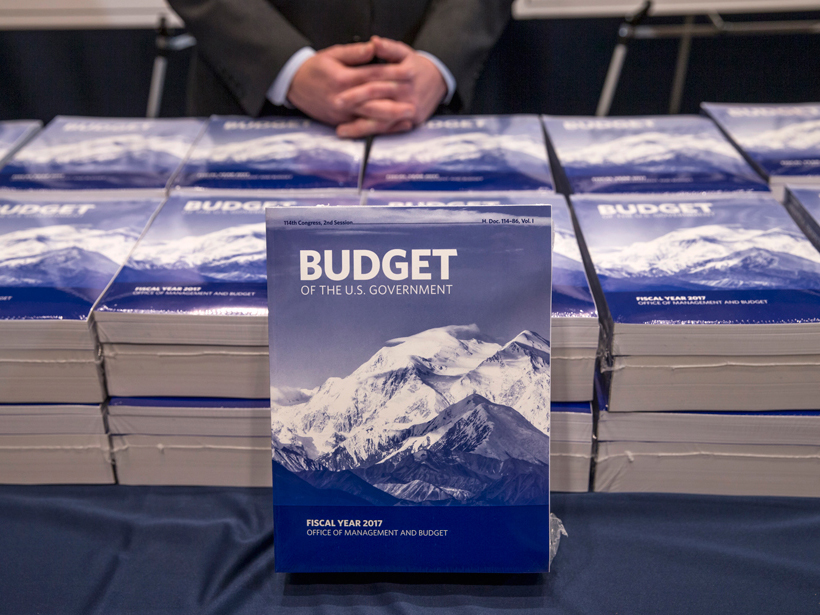
Mandatory Funding Would Boost U.S. Science Budget
Much of the White House's proposed 4.2% increase for federal research and development funding next year depends on Congress agreeing to a new "mandatory" funding category not subject to a budget cap.