• About
  • Special Reports
  • Topics
    • Climate
    • Earth Science
    • Oceans
    • Space & Planets
    • Health & Ecosystems
    • Culture & Policy
    • Education & Careers
    • Opinions
  • Projects
    • Postcards From the Field
    • ENGAGE
    • Editors’ Highlights
    • Editors’ Vox
    • Eos en Español
    • Eos 简体中文版
    • Print Archive: 2015–2025
  • Policy Tracker
  • Blogs
    • Research & Developments
    • The Landslide Blog
  • Newsletter
  • Submit to Eos
  • AGU.org
  • Career Center
  • Join AGU
  • Give to AGU
  • About
  • Special Reports
  • Topics
    • Climate
    • Earth Science
    • Oceans
    • Space & Planets
    • Health & Ecosystems
    • Culture & Policy
    • Education & Careers
    • Opinions
  • Projects
    • Postcards From the Field
    • ENGAGE
    • Editors’ Highlights
    • Editors’ Vox
    • Eos en Español
    • Eos 简体中文版
    • Print Archive: 2015–2025
  • Policy Tracker
  • Blogs
    • Research & Developments
    • The Landslide Blog
  • Newsletter
  • Submit to Eos
Skip to content
  • AGU.org
  • Career Center
  • Join AGU
  • Give to AGU
Eos

Eos

Science News by AGU

Support Eos
Sign Up for Newsletter
  • About
  • Special Reports
  • Topics
    • Climate
    • Earth Science
    • Oceans
    • Space & Planets
    • Health & Ecosystems
    • Culture & Policy
    • Education & Careers
    • Opinions
  • Projects
    • Postcards From the Field
    • ENGAGE
    • Editors’ Highlights
    • Editors’ Vox
    • Eos en Español
    • Eos 简体中文版
    • Print Archive: 2015–2025
  • Policy Tracker
  • Blogs
    • Research & Developments
    • The Landslide Blog
  • Newsletter
  • Submit to Eos

Andrew Chapman

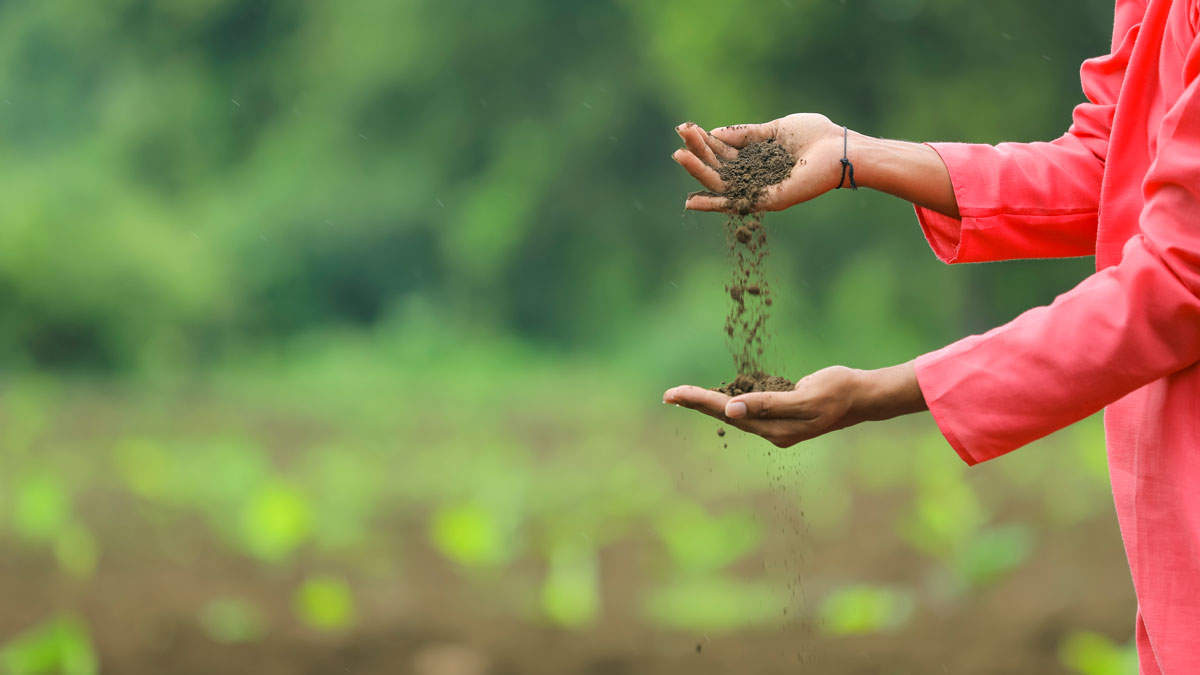
A person holding soil lets it fall from one hand to the other with a blurred background.
Posted inNews

Traditional Fertilizers Beat Out Industrial Chemicals in Soil Health Test

by Andrew Chapman 29 March 202229 March 2022

New research in western India found that fertilizer based on Traditional Ecological Knowledge made soil more fertile in a head-to-head test with industrial fertilizers.

The coast of Santa Maria Island in the Azores
Posted inNews

How Does Sand Move? New Observations Challenge Prevailing Formulas

by Andrew Chapman 11 February 202211 February 2022

Research in the Azores finds a discrepancy between field observations of sediment transport and predictions made with commonly used mathematical formulas.
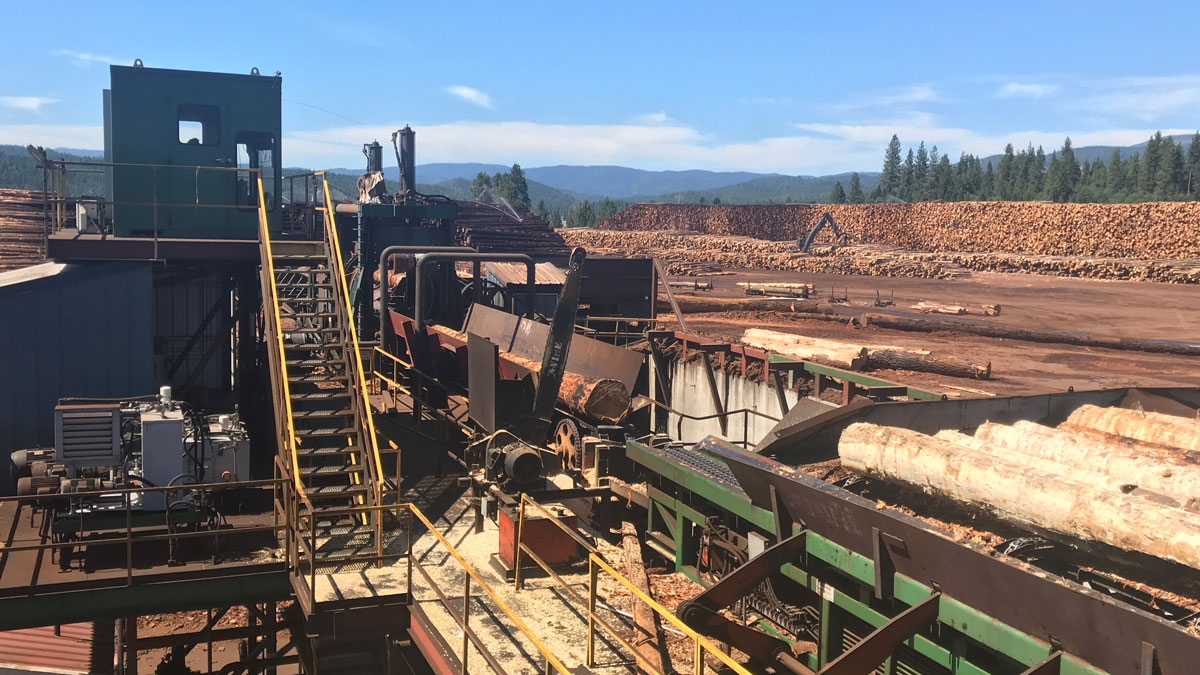
Image of a sawmill in Northern California.
Posted inNews

Clever Wood Use Could Mitigate Wildfires and Climate Change

by Andrew Chapman 5 January 20221 June 2023

California plans to use forest thinning to reduce wildfire risk. New research suggests the state could also see a climate benefit by repurposing waste wood produced by thinning.
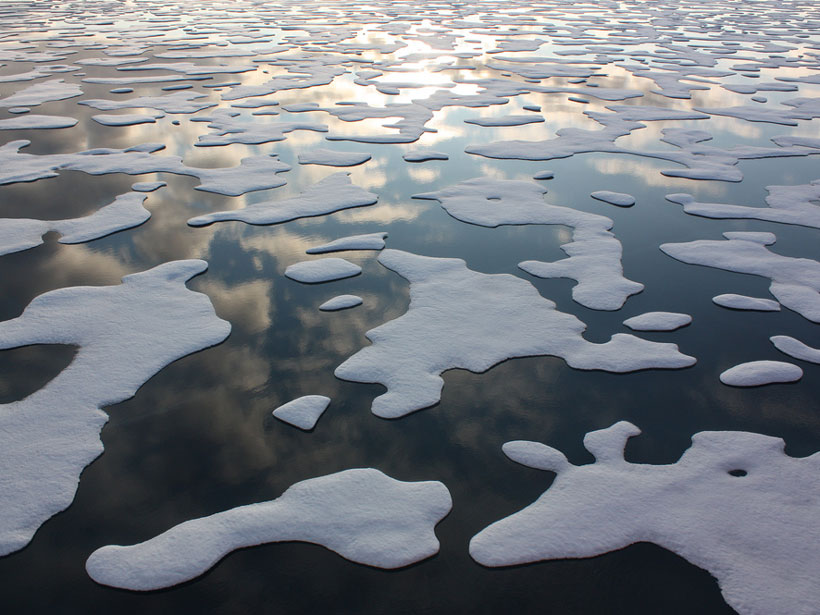
Sea ice floats in the southern Arctic Ocean.
Posted inNews

When Wild Weather Blew Old Sea Ice South

by Andrew Chapman 16 September 202129 March 2023

Last winter, an unprecedented high-pressure system over the Arctic drove nearly a quarter of old sea ice into warmer waters, putting it at greater risk of melting.
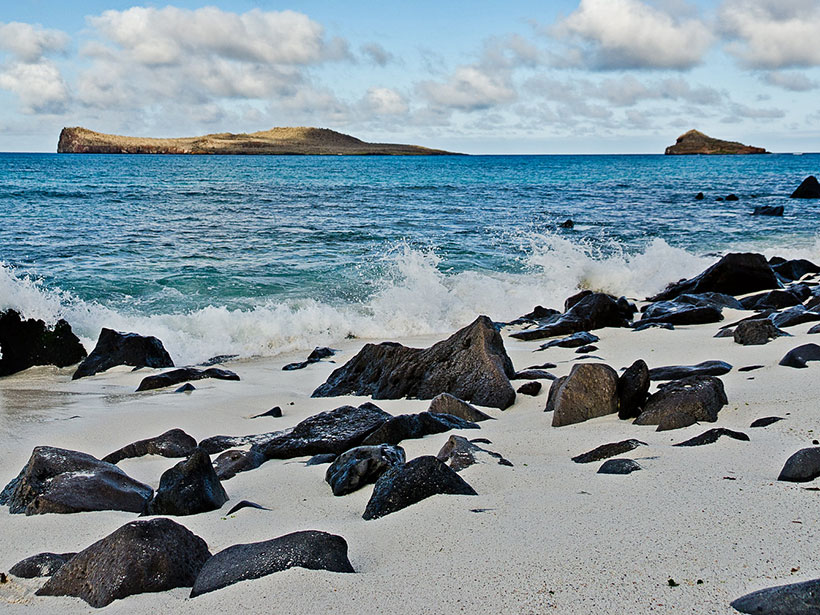
A coast of the Galapagos Islands in the eastern tropical Pacific
Posted inNews

Tropical Climate Change Is a Puzzle—Could Aerosols Be a Piece?

by Andrew Chapman 9 September 202114 April 2022

The eastern tropical Pacific Ocean hasn’t warmed as much as climate change models projected. A new study shows that aerosols in the atmosphere could be responsible.

The research vessel CCGS Hudson in Southwind Fjord, Baffin Island, with the iceberg that initiated a submarine landslide in the background.
Posted inNews

An Iceberg May Have Initiated a Submarine Landslide

by Andrew Chapman 20 July 20218 November 2022

A new study shows that icebergs may initiate submarine landslides when they collide with the seafloor.

Aerial image of a Google data center
Posted inNews

U.S. Data Centers Rely on Water from Stressed Basins

by Andrew Chapman 12 July 202114 April 2022

Researchers mapped the environmental footprint of data centers, shedding light on how and where the industry can improve.

Exiles anchored near a receding glacier and iceberg.
Posted inNews

Studying Arctic Fjords with Crowdsourced Science and Sailboats

by Andrew Chapman 3 June 202126 October 2021

A new study demonstrates the benefits of crowdsourcing science using sailboats to better understand the impact of melting sea ice in the Arctic.

Posts pagination

Newer posts 1 2 3
Over a dark blue-green square appear the words Special Report: The State of the Science 1 Year On.

Features from AGU Publications

Research Spotlights

Drought Drove the Amazon’s 2023 Switch to a Carbon Source

25 February 202625 February 2026
Editors' Highlights

Tectonic Modifications Shape Surface Environment and Landscape

2 March 202626 February 2026
Editors' Vox

A Double-Edged Sword: The Global Oxychlorine Cycle on Mars

10 February 202610 February 2026
Eos logo at left; AGU logo at right

About Eos
ENGAGE
Awards
Contact

Advertise
Submit
Career Center
Sitemap

© 2026 American Geophysical Union. All rights reserved Powered by Newspack