• About
  • Special Reports
  • Topics
    • Climate
    • Earth Science
    • Oceans
    • Space & Planets
    • Health & Ecosystems
    • Culture & Policy
    • Education & Careers
    • Opinions
  • Projects
    • Postcards From the Field
    • ENGAGE
    • Editors’ Highlights
    • Editors’ Vox
    • Eos en Español
    • Eos 简体中文版
    • Print Archive: 2015–2025
  • Policy Tracker
  • Blogs
    • Research & Developments
    • The Landslide Blog
  • Newsletter
  • Submit to Eos
  • AGU.org
  • Career Center
  • Join AGU
  • Give to AGU
  • About
  • Special Reports
  • Topics
    • Climate
    • Earth Science
    • Oceans
    • Space & Planets
    • Health & Ecosystems
    • Culture & Policy
    • Education & Careers
    • Opinions
  • Projects
    • Postcards From the Field
    • ENGAGE
    • Editors’ Highlights
    • Editors’ Vox
    • Eos en Español
    • Eos 简体中文版
    • Print Archive: 2015–2025
  • Policy Tracker
  • Blogs
    • Research & Developments
    • The Landslide Blog
  • Newsletter
  • Submit to Eos
Skip to content
  • AGU.org
  • Career Center
  • Join AGU
  • Give to AGU
Eos

Eos

Science News by AGU

Support Eos
Sign Up for Newsletter
  • About
  • Special Reports
  • Topics
    • Climate
    • Earth Science
    • Oceans
    • Space & Planets
    • Health & Ecosystems
    • Culture & Policy
    • Education & Careers
    • Opinions
  • Projects
    • Postcards From the Field
    • ENGAGE
    • Editors’ Highlights
    • Editors’ Vox
    • Eos en Español
    • Eos 简体中文版
    • Print Archive: 2015–2025
  • Policy Tracker
  • Blogs
    • Research & Developments
    • The Landslide Blog
  • Newsletter
  • Submit to Eos

Caryl-Sue Micalizio

Sand drains from an unnamed river into Murchison Sound close to Qaanaaq in northwestern Greenland
Posted inAGU News

What’s Up at the Bottom of the Ocean?

by Caryl-Sue Micalizio 25 January 202326 January 2023

From isotopes to oil spills, sand mining to SMART cables, an array of science is grounded on the seafloor.

A fire burns a Siberian forest near Cherskiy, Russia, in 2020.
Posted inAGU News

A Forest, for the Trees

by Caryl-Sue Micalizio 22 December 202222 December 2022

Arrays of technologies and innovative research are helping scientists better understand forests, fires, and the future of our shared landscape.
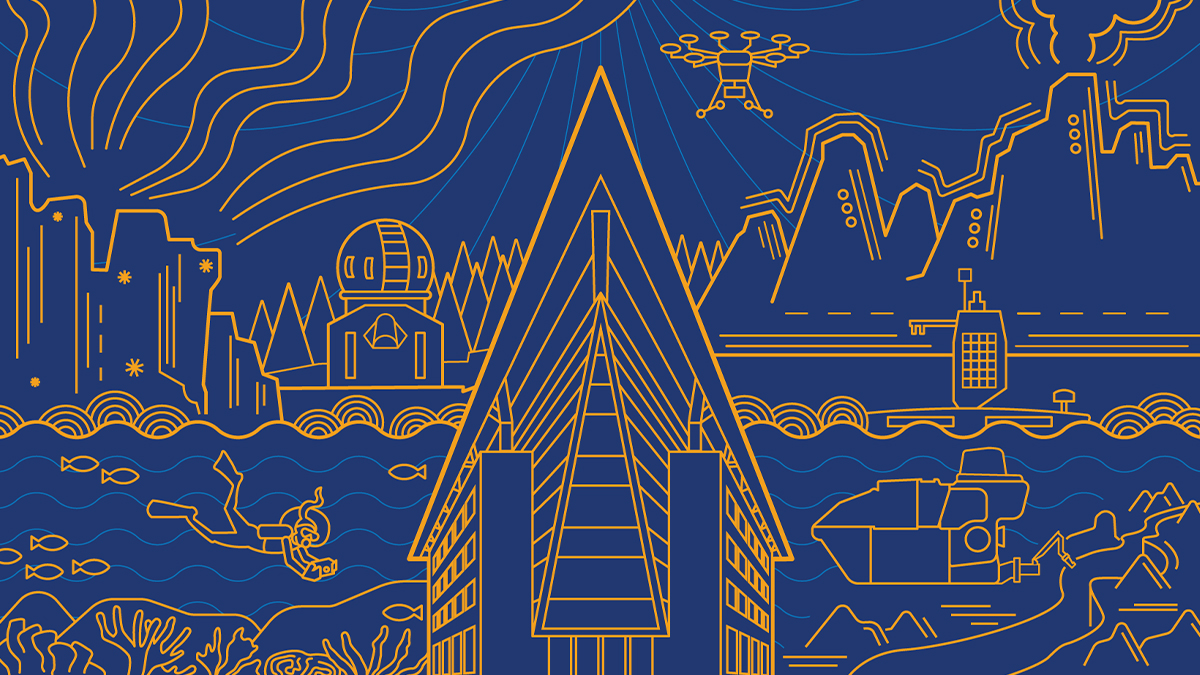
Illustration elements inspired by various Eos articles and AGU scientific disciplines
Posted inAGU News

Science Leads the Future, and the Future Is Now

by Caryl-Sue Micalizio 21 November 20223 January 2023

In our annual double issue, Eos shares how scientists are defining the future with their work today.
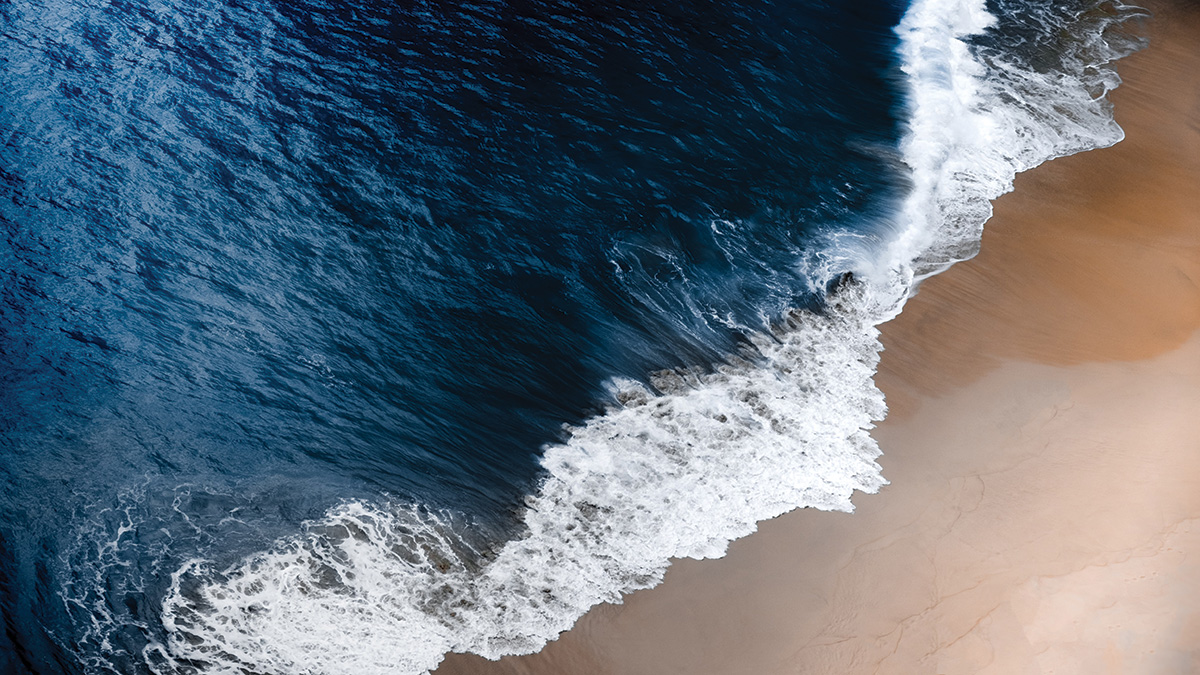
A wave washes ashore on a beach in Bali, Indonesia.
Posted inAGU News

Making Waves

by Caryl-Sue Micalizio 26 September 202227 September 2022

Sources of tsunamis are undersea, underground, and under the microscope in our October issue.

Posts pagination

Newer posts 1 2 3 4
Over a dark blue-green square appear the words Special Report: The State of the Science 1 Year On.

Features from AGU Publications

Research Spotlights

How Internal Waves Transport Energy Thousands of Miles Across the Ocean

26 March 202626 March 2026
Editors' Highlights

Machine Learning Could Enhance Earth System Modeling

10 April 20267 April 2026
Editors' Vox

Synergistic Integration of Flood Inundation Modeling Methods

10 April 202610 April 2026
Eos logo at left; AGU logo at right

About Eos
ENGAGE
Awards
Contact

Advertise
Submit
Career Center
Sitemap

© 2026 American Geophysical Union. All rights reserved Powered by Newspack