• About
  • Special Reports
  • Topics
    • Climate
    • Earth Science
    • Oceans
    • Space & Planets
    • Health & Ecosystems
    • Culture & Policy
    • Education & Careers
    • Opinions
  • Projects
    • Postcards From the Field
    • ENGAGE
    • Editors’ Highlights
    • Editors’ Vox
    • Eos en Español
    • Eos 简体中文版
    • Print Archive: 2015–2025
  • Policy Tracker
  • Blogs
    • Research & Developments
    • The Landslide Blog
  • Newsletter
  • Submit to Eos
  • AGU.org
  • Career Center
  • Join AGU
  • Give to AGU
  • About
  • Special Reports
  • Topics
    • Climate
    • Earth Science
    • Oceans
    • Space & Planets
    • Health & Ecosystems
    • Culture & Policy
    • Education & Careers
    • Opinions
  • Projects
    • Postcards From the Field
    • ENGAGE
    • Editors’ Highlights
    • Editors’ Vox
    • Eos en Español
    • Eos 简体中文版
    • Print Archive: 2015–2025
  • Policy Tracker
  • Blogs
    • Research & Developments
    • The Landslide Blog
  • Newsletter
  • Submit to Eos
Skip to content
  • AGU.org
  • Career Center
  • Join AGU
  • Give to AGU
Eos

Eos

Science News by AGU

Support Eos
Sign Up for Newsletter
  • About
  • Special Reports
  • Topics
    • Climate
    • Earth Science
    • Oceans
    • Space & Planets
    • Health & Ecosystems
    • Culture & Policy
    • Education & Careers
    • Opinions
  • Projects
    • Postcards From the Field
    • ENGAGE
    • Editors’ Highlights
    • Editors’ Vox
    • Eos en Español
    • Eos 简体中文版
    • Print Archive: 2015–2025
  • Policy Tracker
  • Blogs
    • Research & Developments
    • The Landslide Blog
  • Newsletter
  • Submit to Eos

Caryl-Sue Micalizio

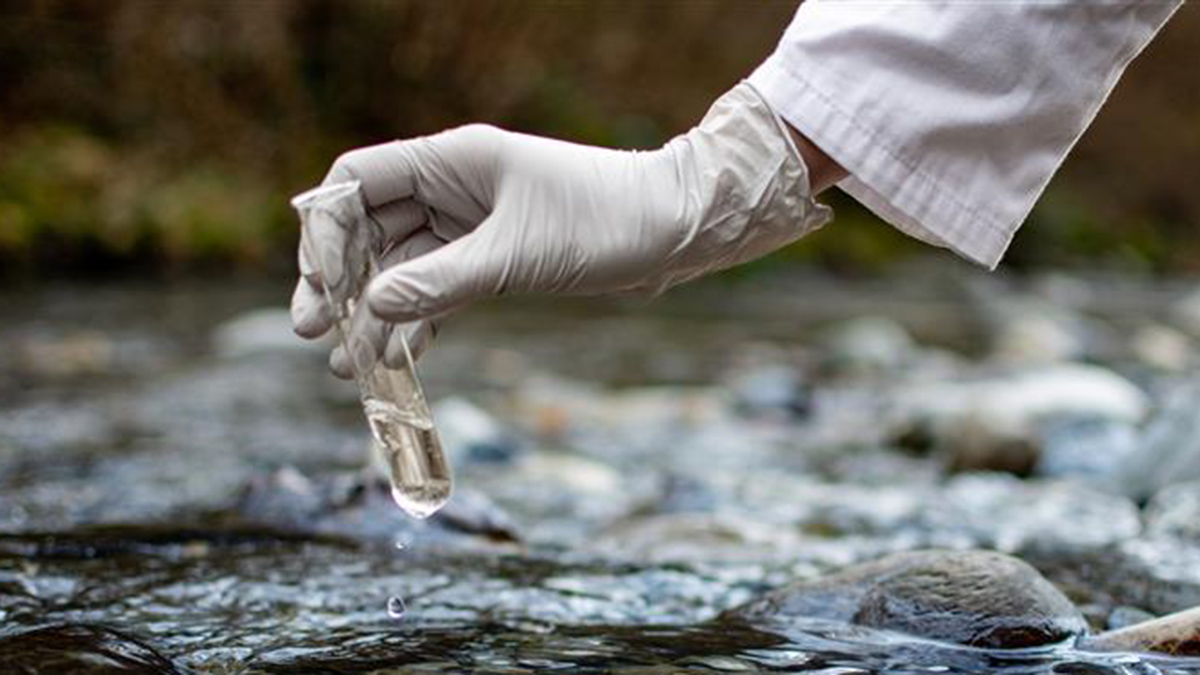
A person’s right arm extends into the frame from the right over a running stream. The gloved hand holds a test tube partially filled with water that’s just been collected; a partial droplet of water is collecting at the bottom of the tube.
Posted inAGU News

The Persistence of PFAS

by Caryl-Sue Micalizio 30 April 20261 May 2026

Researchers around the world are seeking to search and destroy pervasive “forever chemicals.”
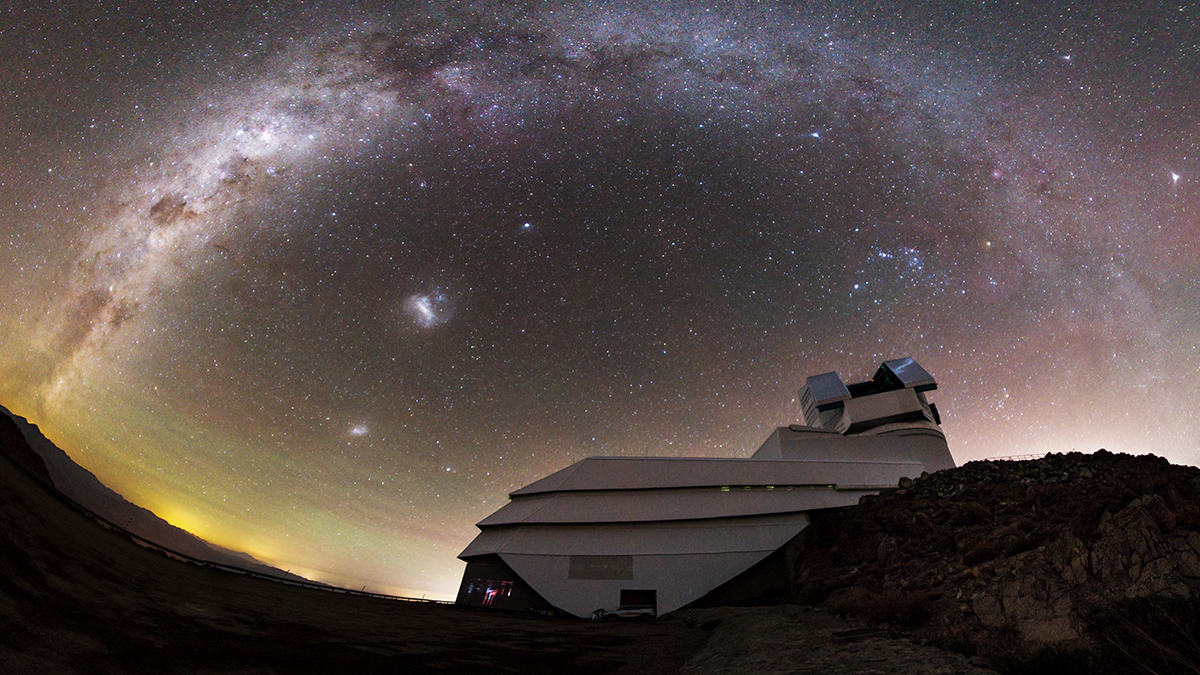
The Vera C. Rubin Observatory appears beneath the Milky Way and the Large and Small Magellanic Clouds.
Posted inAGU News

Don’t Blink: The Vera C. Rubin Observatory Is Revolutionizing Astronomy

by Caryl-Sue Micalizio 1 April 20261 May 2026

This April, Eos is focusing on the world’s newest observatory and all the fast and faint objects it’s allowing us to see.
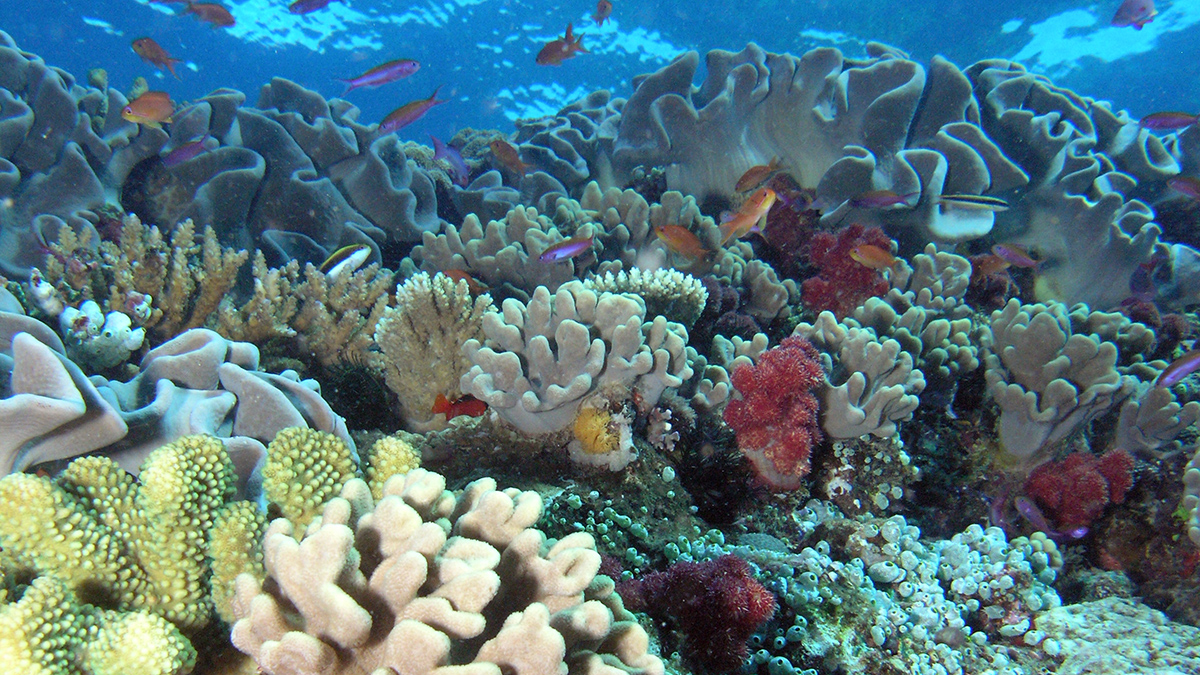
A healthy coral reef showing a great diversity of species. Small fish swim among the coral.
Posted inAGU News

Preserving Corals to Study the Past and Document the Present

by Caryl-Sue Micalizio 1 January 20261 January 2026

Corals hold valuable hints about our planet’s climate history, and they’re continuing to document today’s changing ocean. Scientists are working to preserve and protect these reefs of evidence.
Design and illustrations by Mary Heinrichs, after Harold Fisk’s meander maps of the Mississippi River.
Posted inAGU News

Where Science Connects Us

by Caryl-Sue Micalizio 13 November 202526 November 2025

Eos joins AGU25 in the Crescent City to navigate the endless waypoints offered by Earth and space sciences.
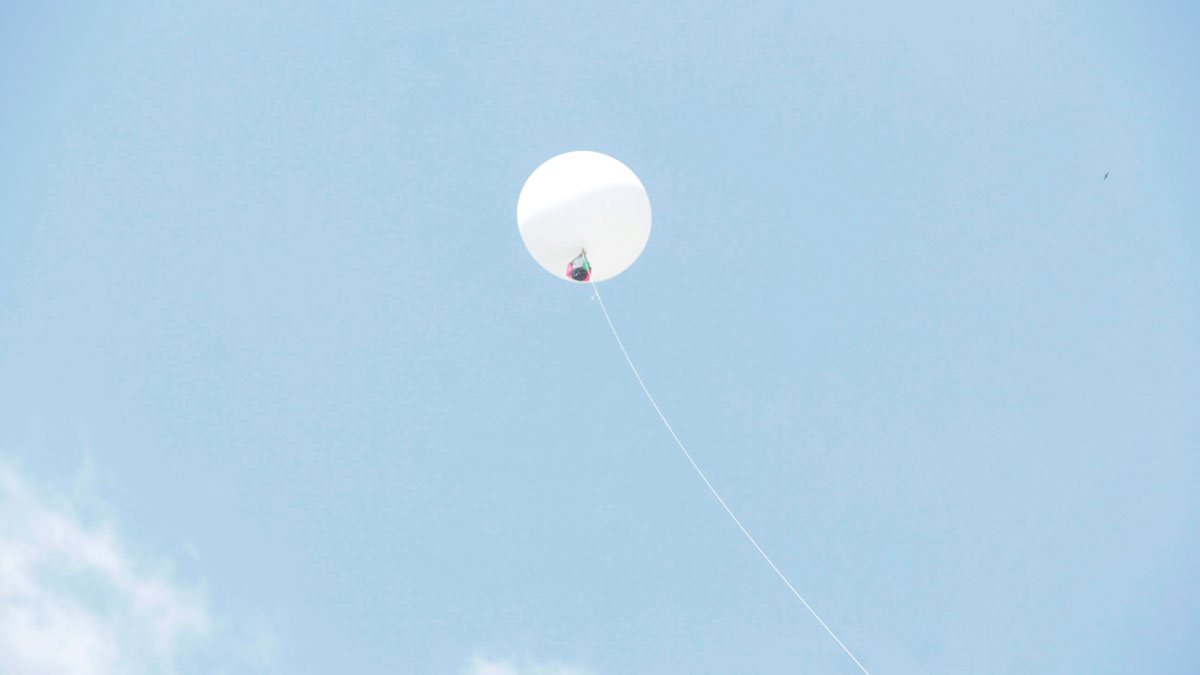
An atmospheric balloon lofts into the air a CubeSat prototype built by Ghanaian students.
Posted inAGU News

Squaring Up in Space

by Caryl-Sue Micalizio 29 September 202529 September 2025

CubeSats emerge as the little spacecraft that could.

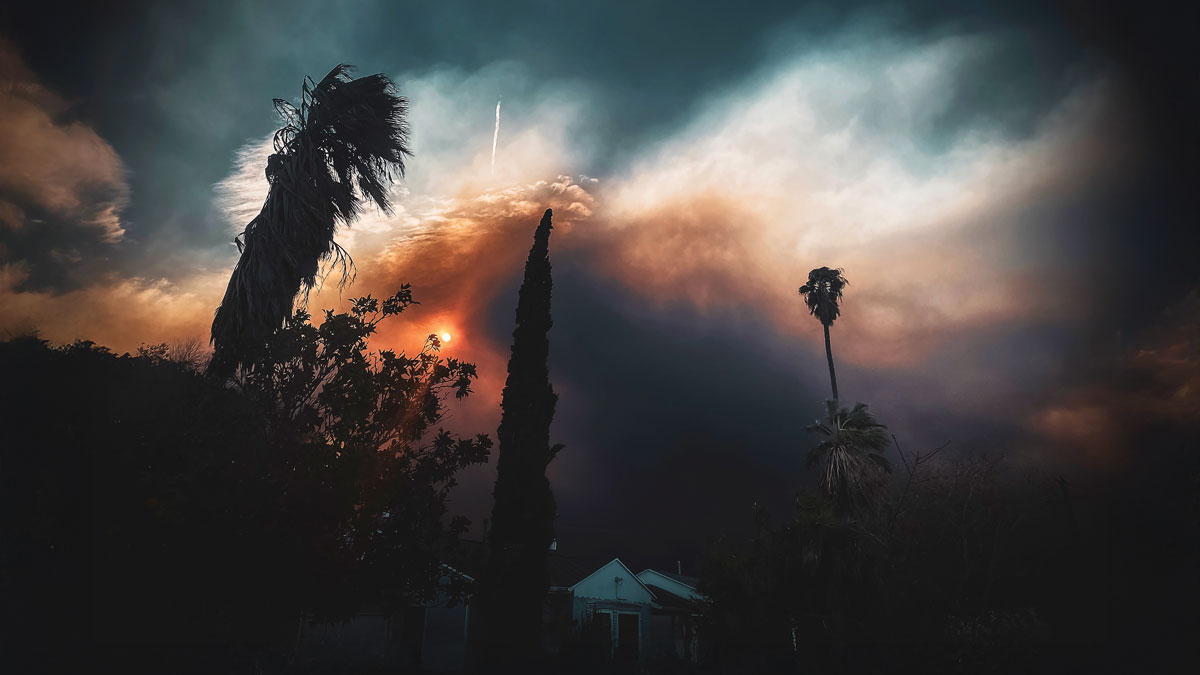
A photo of a sky clouded with smoke, with the Sun nearly blotted out, and palm trees silhouetted against the orange glow.
Posted inAGU News

Fallout from the Fires

by Caryl-Sue Micalizio 26 August 202527 August 2025

In January 2025, wildfires devastated Los Angeles neighborhoods and wildland alike. Scientists are contending with their lasting effects on air, land, and water.
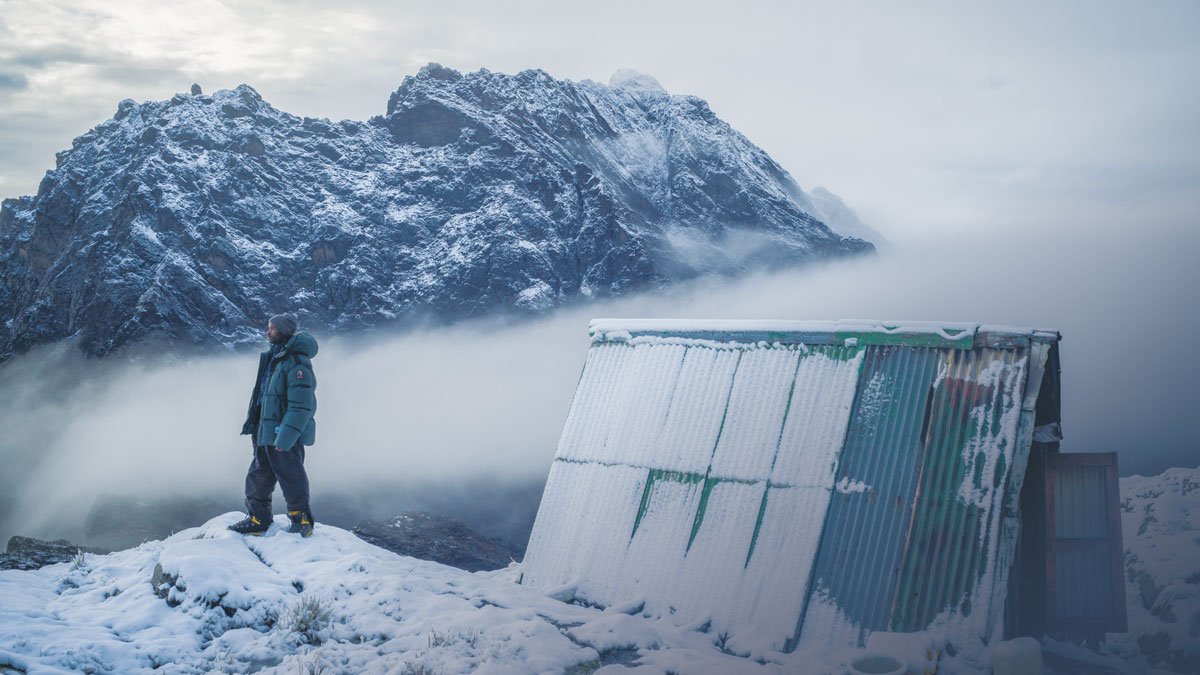
Uganda Wildlife Authority guide Muhindo Rogers overlooks the landscape surrounding Mount Baker, which once hosted a glacier that has now melted.
Posted inAGU News

Worldwide Fieldwork

by Caryl-Sue Micalizio 23 June 202523 June 2025

Our annual fieldwork issue takes you from volcanoes in the Canaries to databases in the cloud.

ROV Deep Discoverer images an outcrop during the second of three expeditions to the mid-Atlantic Ridge that comprised Voyage to the Ridge 2022.
Posted inAGU News

Submerged in Science

by Caryl-Sue Micalizio 22 May 202522 May 2025

New generations of submersibles and retired stalwarts of the seas are helping scientists put the depths of the ocean at the tips of our fingers.

Water treatment tank
Posted inAGU News

One Water, Many Solutions

by Caryl-Sue Micalizio 24 April 202526 February 2026

Scientists and stakeholders must engage in broad collaborations and deep research to help ensure safe water supplies.

Animated image of people having a conversation around a globe
Posted inAGU News

The Climate Connection

by Caryl-Sue Micalizio 24 March 202524 March 2025

Scientists and stakeholders find common cause in tackling the greatest challenge of our time.

Posts pagination

1 2 3 4 Older posts
Over a dark blue-green square appear the words Special Report: The State of the Science 1 Year On.

Features from AGU Publications

Research Spotlights

Rivers in the Antarctic Sky, Captured in 3D

2 June 20262 June 2026
Editors' Highlights

Pre-Existing Structure and Stress Shape Geothermal-Induced Seismicity

2 June 20261 June 2026
Editors' Vox

7 Decades of Books Leave a Lasting Legacy

3 June 202627 May 2026
Eos logo at left; AGU logo at right

About Eos
ENGAGE
Awards
Contact

Advertise
Submit
Career Center
Sitemap

© 2026 American Geophysical Union. All rights reserved Powered by Newspack