
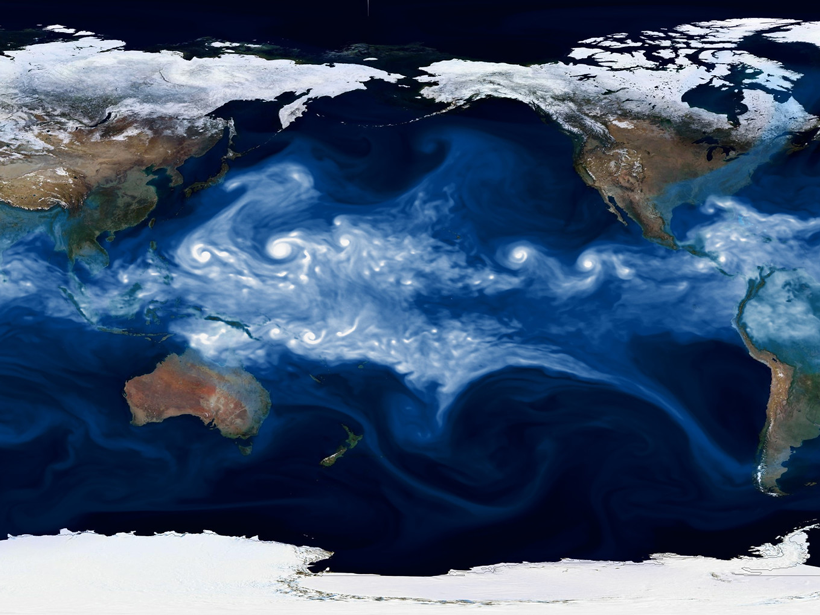

Artificial intelligence can be used to analyze massive amounts of data from climate simulations, but more training data are needed.

Javier Barbuzano
Javier Barbuzano is a freelance science journalist based in Barcelona, Spain. He received his master’s in science journalism from Boston University in 2017 and holds a degree in environmental science from the University of Granada in Spain. His work appears in publications like Eos, Sky & Telescope, and El País.
Posted inNews
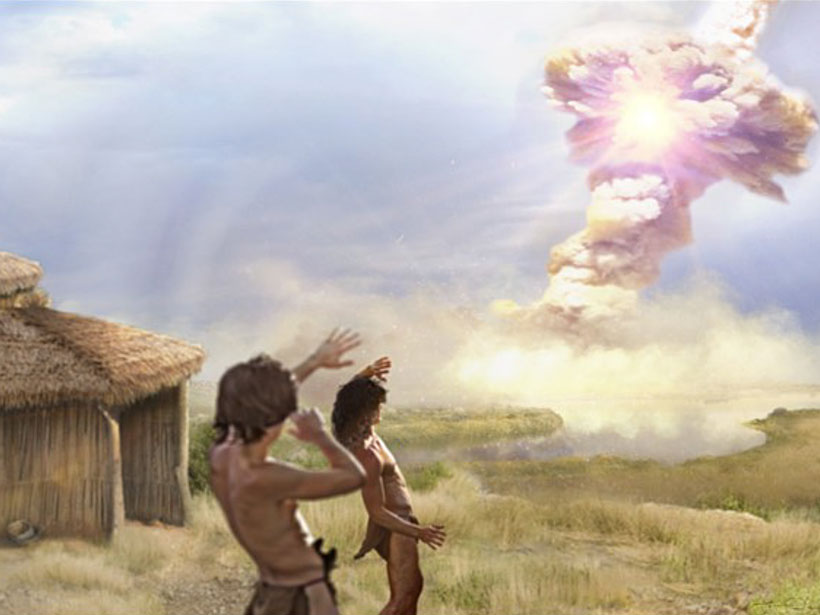
Armagedón a 10,000 A.C.
Fragmentos de un cometa probablemente golpearon la Tierra hace 12,800 años, y una pequeña aldea del Paleolítico en Siria podría haber sufrido el impacto.
Posted inNews
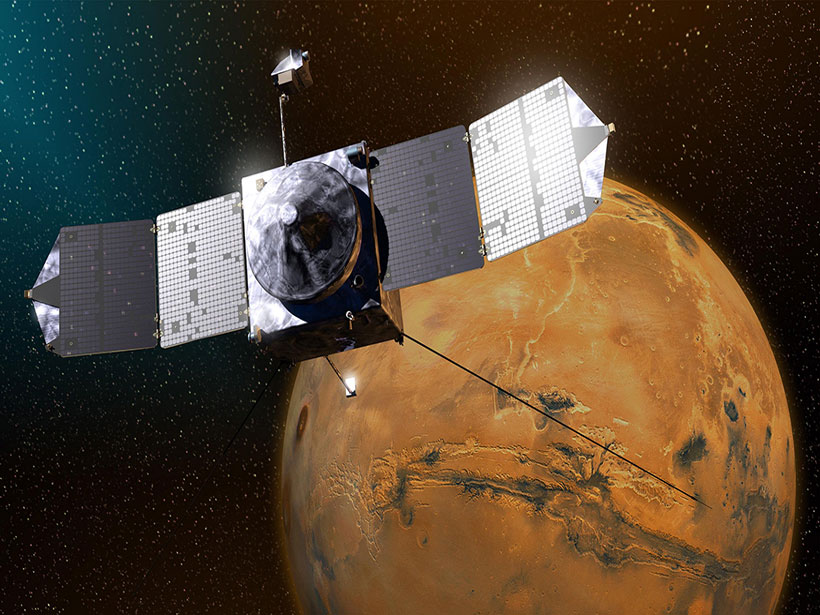
A Longer-Lived Magnetic Field for Mars
New research indicates Mars’s dynamo may have been active for millions of years longer than previously thought.
Posted inNews
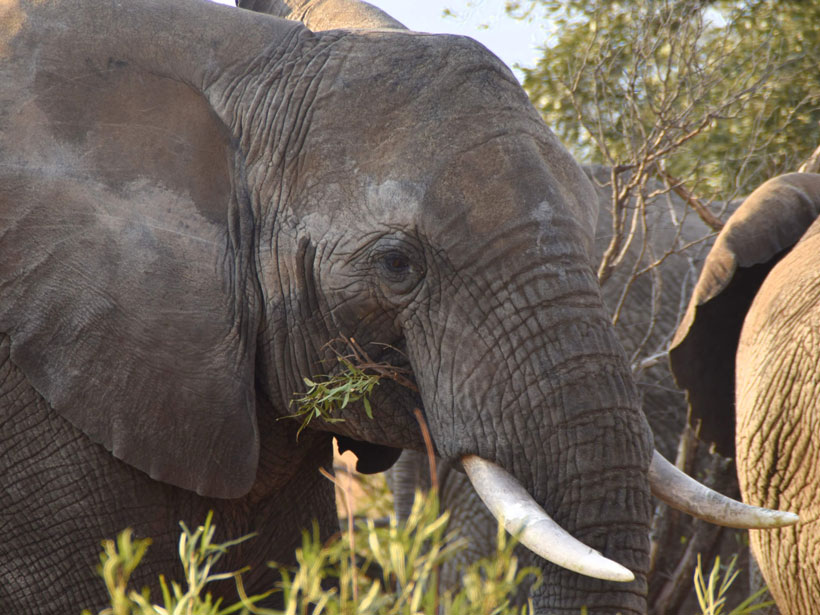
Monitoring African Elephants with Raspberry Shake & Boom
A team of researchers has used low-cost devices to record footsteps and vocalizations from African elephants in the field.

Posted inNews
Coronavirus Lockdown Brings Clean Air to Spanish Cities
Measures against the spread of the new coronavirus have an unexpected side effect: record-low air pollution levels.
Posted inNews
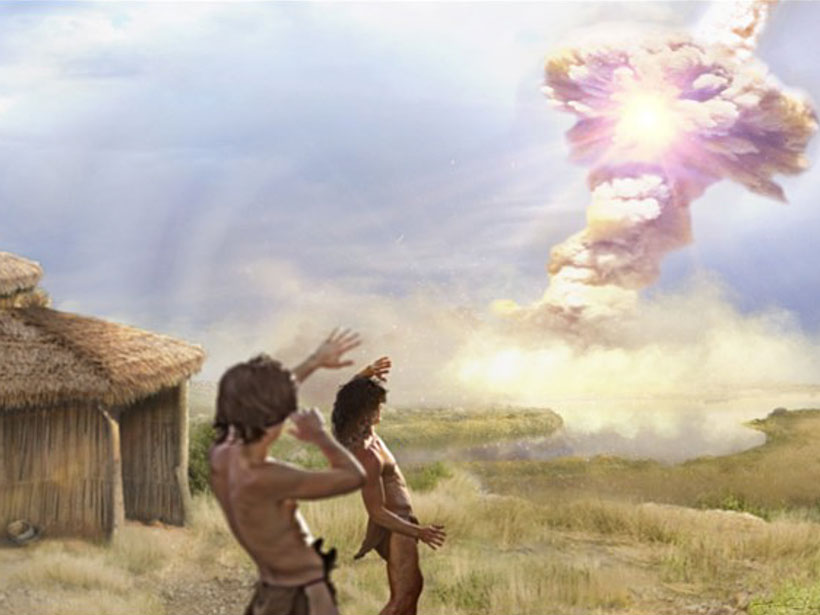
Armageddon at 10,000 BCE
Fragments of a comet likely hit Earth 12,800 years ago, and a little Paleolithic village in Syria might have suffered the impact.

Posted inNews
Climate Change Will Reduce Spanish Olive Oil Production
Increased droughts will reduce southern Spain’s olive oil output by 30% before the end of the century.
Posted inNews
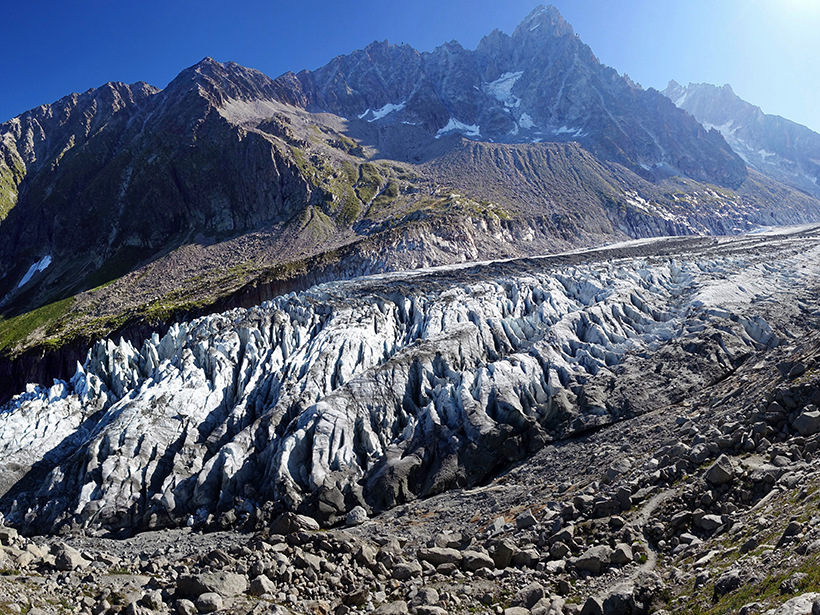
Precipitation Plays a Key Role in Glacial Erosion
After comparing the climatic conditions at dozens of glaciers worldwide, researchers find that precipitation, not temperature, is the leading environmental factor driving glacial erosion.

Posted inNews
Earth Rocks and Moon Rocks Are More Different Than We Thought
New analyses of oxygen isotopes reveal terrestrial and lunar rocks aren’t as similar as previously thought, potentially changing the way we think the Moon formed.

Posted inNews
Sediments May Support the Mediterranean Megaflood Hypothesis
Millions of years ago, the Mediterranean Sea may have evaporated. A newly identified body of sediments could have been deposited by the giant flood that refilled the basin.