• About
  • Special Reports
  • Topics
    • Climate
    • Earth Science
    • Oceans
    • Space & Planets
    • Health & Ecosystems
    • Culture & Policy
    • Education & Careers
    • Opinions
  • Projects
    • Postcards From the Field
    • ENGAGE
    • Editors’ Highlights
    • Editors’ Vox
    • Eos en Español
    • Eos 简体中文版
    • Print Archive: 2015–2025
  • Policy Tracker
  • Blogs
    • Research & Developments
    • The Landslide Blog
  • Newsletter
  • Submit to Eos
  • AGU.org
  • Career Center
  • Join AGU
  • Give to AGU
  • About
  • Special Reports
  • Topics
    • Climate
    • Earth Science
    • Oceans
    • Space & Planets
    • Health & Ecosystems
    • Culture & Policy
    • Education & Careers
    • Opinions
  • Projects
    • Postcards From the Field
    • ENGAGE
    • Editors’ Highlights
    • Editors’ Vox
    • Eos en Español
    • Eos 简体中文版
    • Print Archive: 2015–2025
  • Policy Tracker
  • Blogs
    • Research & Developments
    • The Landslide Blog
  • Newsletter
  • Submit to Eos
Skip to content
  • AGU.org
  • Career Center
  • Join AGU
  • Give to AGU
Eos

Eos

Science News by AGU

Support Eos
Sign Up for Newsletter
  • About
  • Special Reports
  • Topics
    • Climate
    • Earth Science
    • Oceans
    • Space & Planets
    • Health & Ecosystems
    • Culture & Policy
    • Education & Careers
    • Opinions
  • Projects
    • Postcards From the Field
    • ENGAGE
    • Editors’ Highlights
    • Editors’ Vox
    • Eos en Español
    • Eos 简体中文版
    • Print Archive: 2015–2025
  • Policy Tracker
  • Blogs
    • Research & Developments
    • The Landslide Blog
  • Newsletter
  • Submit to Eos

J. M. de Moor

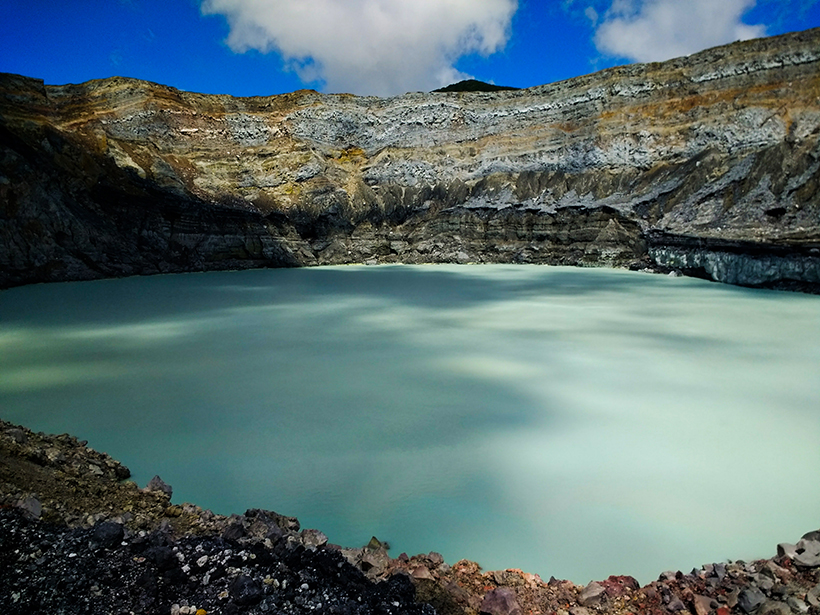
The hyperacidic lake inside the crater of Poás volcano in Costa Rica
Posted inScience Updates

Microbial Influences on Subduction Zone Carbon Cycling

by D. Giovannelli, P. H. Barry, J. M. de Moor, K. G. Lloyd and M. O. Schrenk 3 March 202024 October 2022

An innovative collaboration is investigating how geobiological processes alter fluxes of carbon and other materials between the deep Earth and the surface.

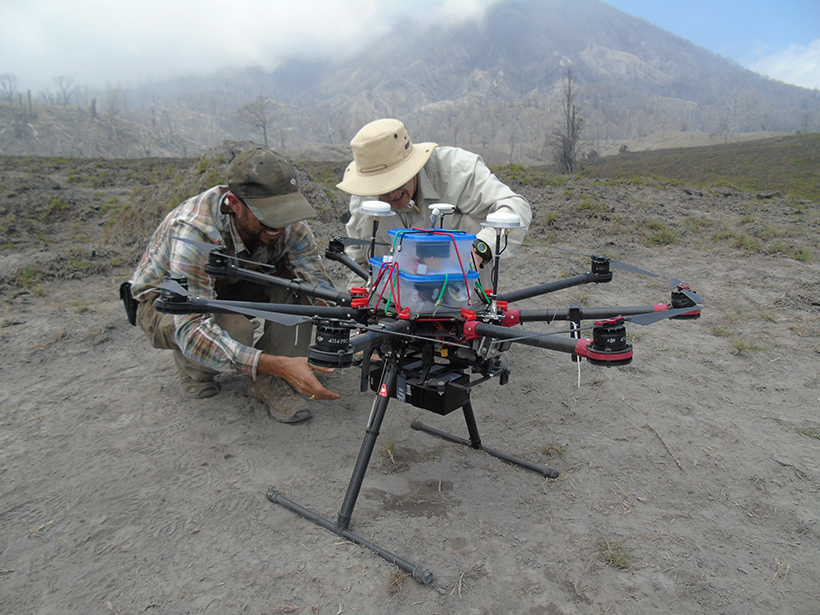
Researchers make final adjustments to drones that will measure volcano gas emissions to improve eruption forecasting science.
Posted inScience Updates

Drones Swoop in to Measure Gas Belched from Volcanoes

by F. D’Arcy, J. Stix, J. M. de Moor, J. Rüdiger, J. A. Diaz, A. Alan and E. Corrales 25 July 201811 January 2022

A team of volcanologists, chemists, physicists, and engineers from around the world test novel techniques at Central America’s two largest degassing volcanoes.
Posted inScience Updates

Monitoring Gas Emissions Can Help Forecast Volcanic Eruptions

by C. Kern, J. M. de Moor and B. Galle 12 August 201515 November 2022

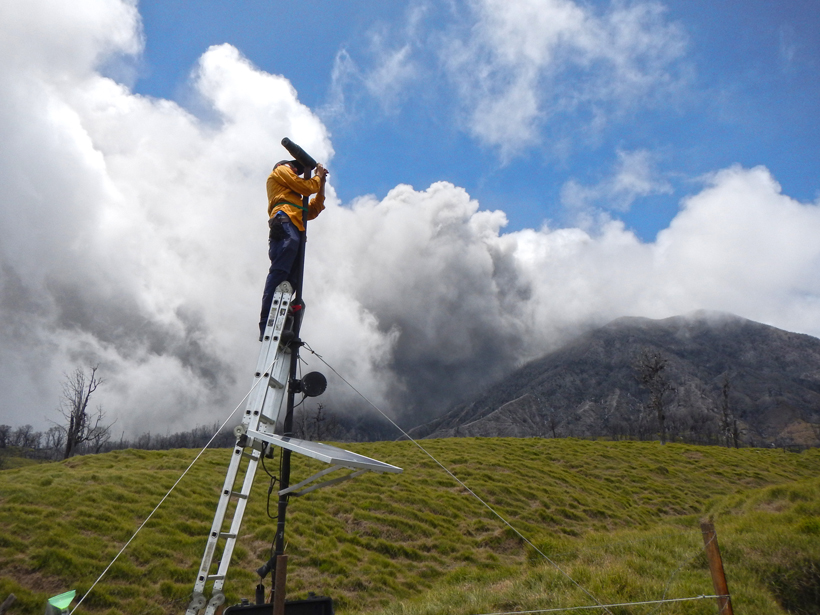
5th Meeting of the Network for Observation of Volcanic and Atmospheric Change; Turrialba Volcano, Costa Rica, 27 April to 1 May 2015

Over a dark blue-green square appear the words Special Report: The State of the Science 1 Year On.

Features from AGU Publications

Research Spotlights

A Road Map to Truly Sustainable Water Systems in Space

9 February 20269 February 2026
Editors' Highlights

Why Are Thunderstorms More Intense Over Land Than Ocean?

9 February 20269 February 2026
Editors' Vox

Coastal Wetlands Restoration, Carbon, and the Hidden Role of Groundwater

9 February 20269 February 2026
Eos logo at left; AGU logo at right

About Eos
ENGAGE
Awards
Contact

Advertise
Submit
Career Center
Sitemap

© 2026 American Geophysical Union. All rights reserved Powered by Newspack