• About
  • Sections
  • Topics
    • Climate
    • Earth Science
    • Oceans
    • Space & Planets
    • Health & Ecosystems
    • Culture & Policy
    • Education & Careers
    • Opinions
  • Projects
    • Postcards From the Field
    • ENGAGE
    • Editors’ Highlights
    • Editors’ Vox
    • Eos en Español
    • Eos 简体中文版
    • Print Archive: 2015–2025
  • Science Policy Tracker
  • Blogs
    • Research & Developments
    • The Landslide Blog
  • Newsletter
  • Submit to Eos
  • AGU.org
  • Career Center
  • Join AGU
  • Give to AGU
  • About
  • Sections
  • Topics
    • Climate
    • Earth Science
    • Oceans
    • Space & Planets
    • Health & Ecosystems
    • Culture & Policy
    • Education & Careers
    • Opinions
  • Projects
    • Postcards From the Field
    • ENGAGE
    • Editors’ Highlights
    • Editors’ Vox
    • Eos en Español
    • Eos 简体中文版
    • Print Archive: 2015–2025
  • Science Policy Tracker
  • Blogs
    • Research & Developments
    • The Landslide Blog
  • Newsletter
  • Submit to Eos
Skip to content
  • AGU.org
  • Career Center
  • Join AGU
  • Give to AGU
Eos

Eos

Science News by AGU

Support Eos
Sign Up for Newsletter
  • About
  • Sections
  • Topics
    • Climate
    • Earth Science
    • Oceans
    • Space & Planets
    • Health & Ecosystems
    • Culture & Policy
    • Education & Careers
    • Opinions
  • Projects
    • Postcards From the Field
    • ENGAGE
    • Editors’ Highlights
    • Editors’ Vox
    • Eos en Español
    • Eos 简体中文版
    • Print Archive: 2015–2025
  • Science Policy Tracker
  • Blogs
    • Research & Developments
    • The Landslide Blog
  • Newsletter
  • Submit to Eos

J. Pearlman

Overhead photo of technicians deploying oceanographic instrumentation over the side of a research ship
Posted inScience Updates

Planning a Sustainable Future for Earth’s Oceans

by J. Van Stavel, J. Karstensen, J. Hermes and J. Pearlman 25 August 202013 March 2023

Ocean experts are engaged in a long-term effort to envision, develop, and implement best practices for meeting today’s needs while preserving ocean resources for future generations.

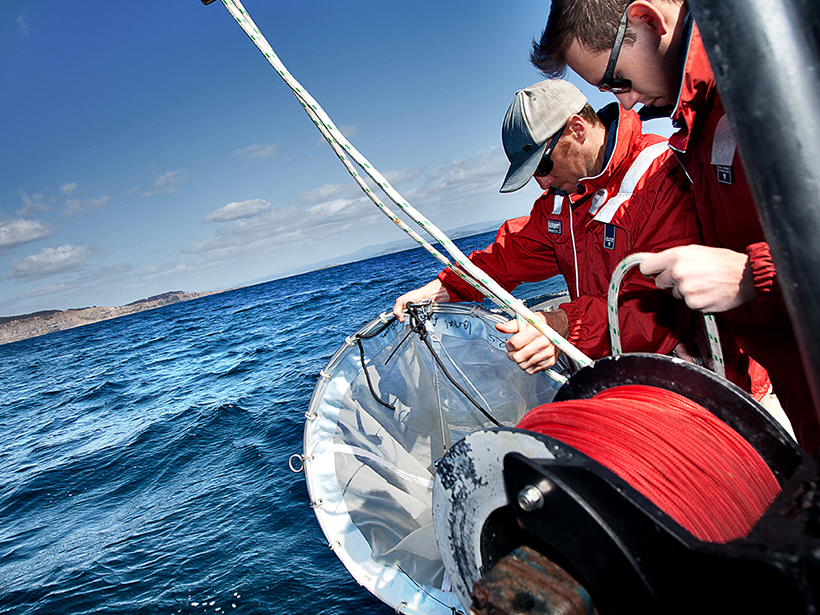
Researchers use a net to collect plankton in order to study diversity and biomass
Posted inScience Updates

Sustainable Observations of Plankton, the Sea’s Food Foundation

by P. Miloslavich, J. Pearlman and R. Kudela 20 November 201828 September 2021

Workshop on Developing an Implementation Plan for a Sustained, Multidisciplinary Global Observing System of Plankton Communities; Santa Cruz, California, 25–27 June 2018
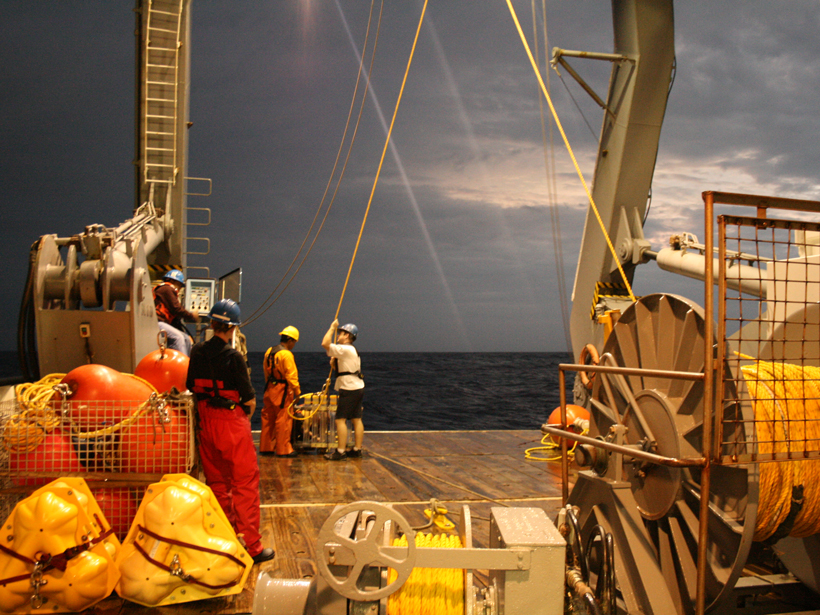
Crew aboard the R/V Atlantic Explorer deploy equipment that will collect data for the Bermuda Atlantic Time Series.
Posted inScience Updates

What’s the Best Way to Responsibly Collect Ocean Data?

by J. Hermes, J. Pearlman and P. L. Buttigieg 4 May 20189 February 2022

Evolving and Sustaining Oceans Best Practices Workshop; Paris, France, 15–17 November 2017

A view of a bridge, with the New Orleans skyline visible in the distance between the bridge and the water. A purple tint, a teal curved line representing a river, and the text “#AGU25 coverage from Eos” overlie the photo.

Features from AGU Publications

Research Spotlights

Our Ocean’s “Natural Antacids” Act Faster Than We Thought

30 January 202630 January 2026
Editors' Highlights

Cows, Coal, and Chemistry: The Role of Photochemistry in Methane Budget

27 January 202623 January 2026
Editors' Vox

Bridging the Gap: Transforming Reliable Climate Data into Climate Policy

16 January 202616 January 2026
Eos logo at left; AGU logo at right

About Eos
ENGAGE
Awards
Contact

Advertise
Submit
Career Center
Sitemap

© 2026 American Geophysical Union. All rights reserved Powered by Newspack