

Scientists have long known that the two layers of Earth’s mantle have different chemical compositions. Now, modeling shows that different water concentrations may keep them from mixing.
Saima May Sidik
Posted inResearch Spotlights
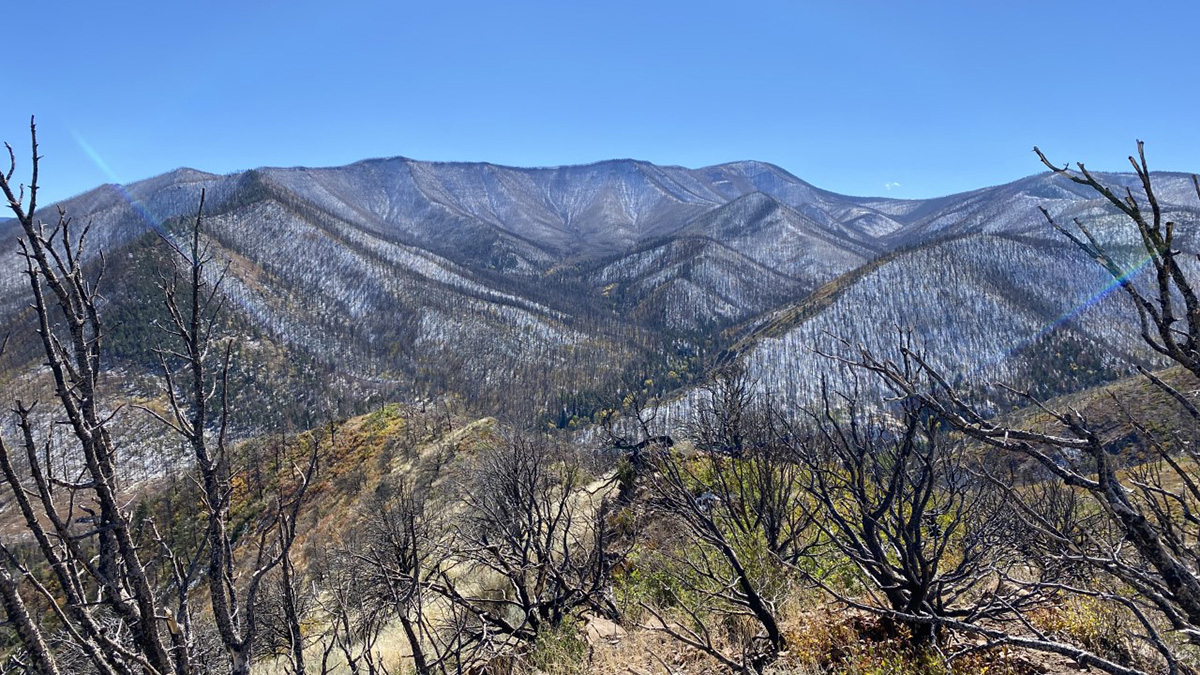
How Wildfires Affect Snow in the American West
Data from 45 burned sites help researchers better understand climate change and wildfires’ impact on snowpack.

Posted inFeatures
Fernando Temprano-Coleto: Going with the Flow
A career in fluid mechanics is both intellectually stimulating and well suited to solving environmental problems.

Posted inFeatures
Sandeep Pai: A Just Transition to Clean Energy
Making sure people whose incomes rely on fossil fuels aren’t left behind as alternative energy sources become more established.
Posted inFeatures
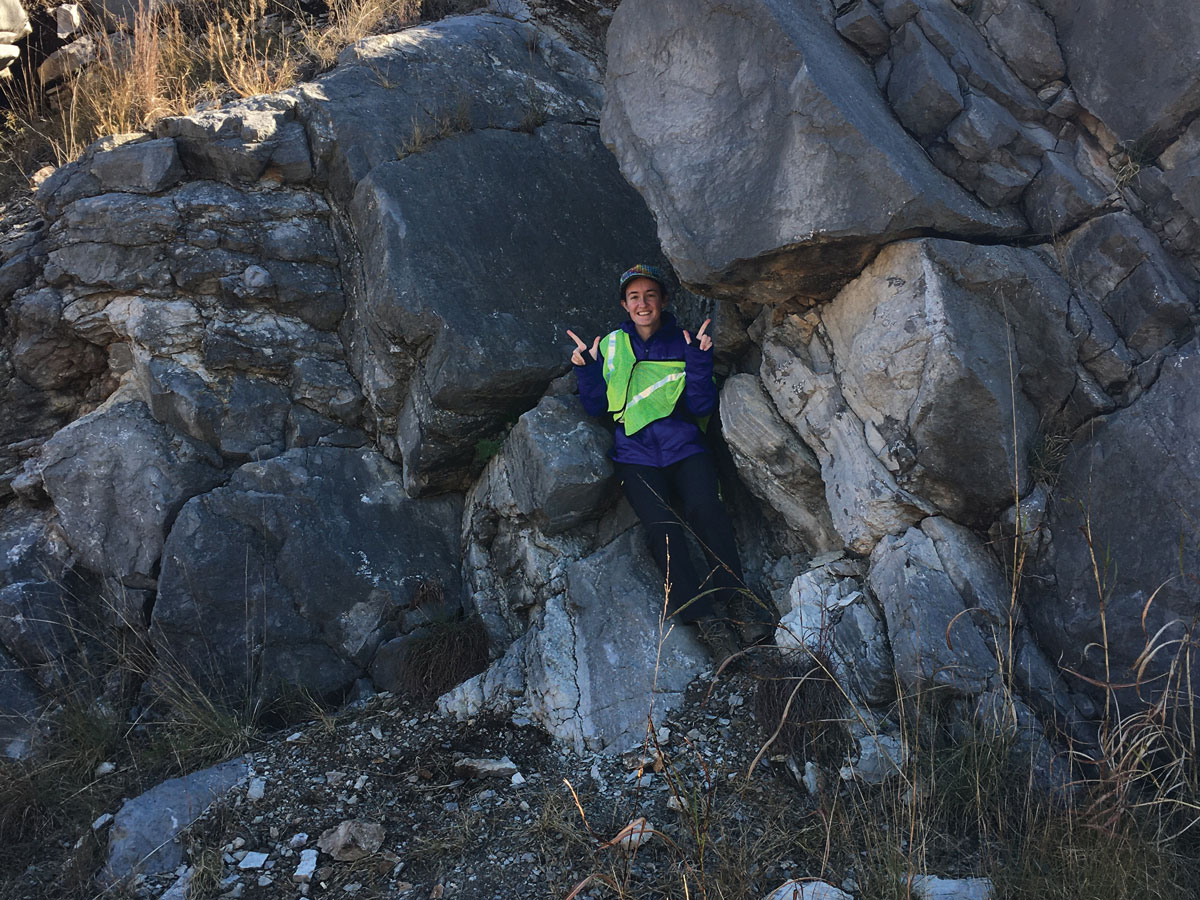
Lauren Haygood: Normalizing STEM in America’s Heartland
Community science builds bridges while generating valuable environmental data.

Posted inResearch Spotlights
Despite Improvements, China’s Air Remains Unsafe
Toxic particulate matter has decreased by about a third over the past decade, but levels are still above what’s considered healthy.

Posted inResearch Spotlights
Side Benefits of Climate Action May Save Millions of Lives in Africa
Premature deaths due to air pollution would decline across the continent.
Posted inNews
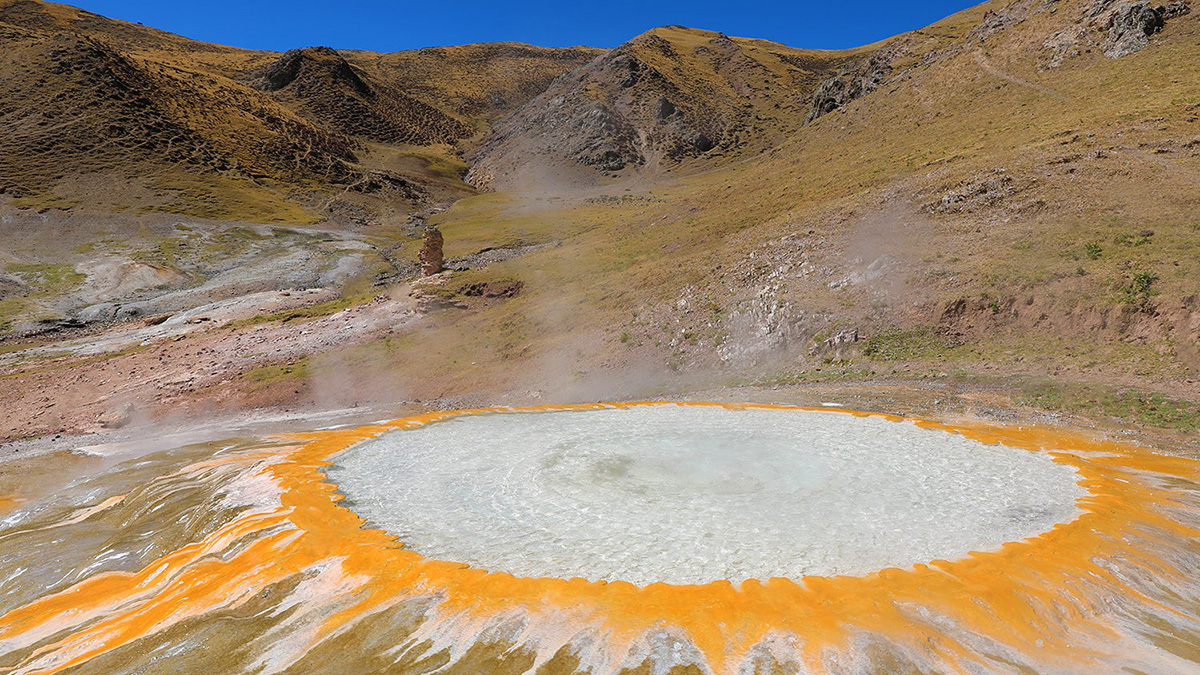
Hot Springs Suggest How the Tibetan Plateau Became the Roof of the World
Helium isotopes found in water samples provide a snapshot of what lies beneath the plateau and stimulate debate within the geosciences community.

Posted inResearch Spotlights
Estimando la frecuencia e intensidad las olas de calor: Un caso de estudio en Chicago
Modelado numérico mostró los impactos extendidos de la ola de calor del 2012 en Chicago, clarificando los impactos de la ola de calor y la isla de calor urbana en la temperatura de la ciudad.
Posted inNews
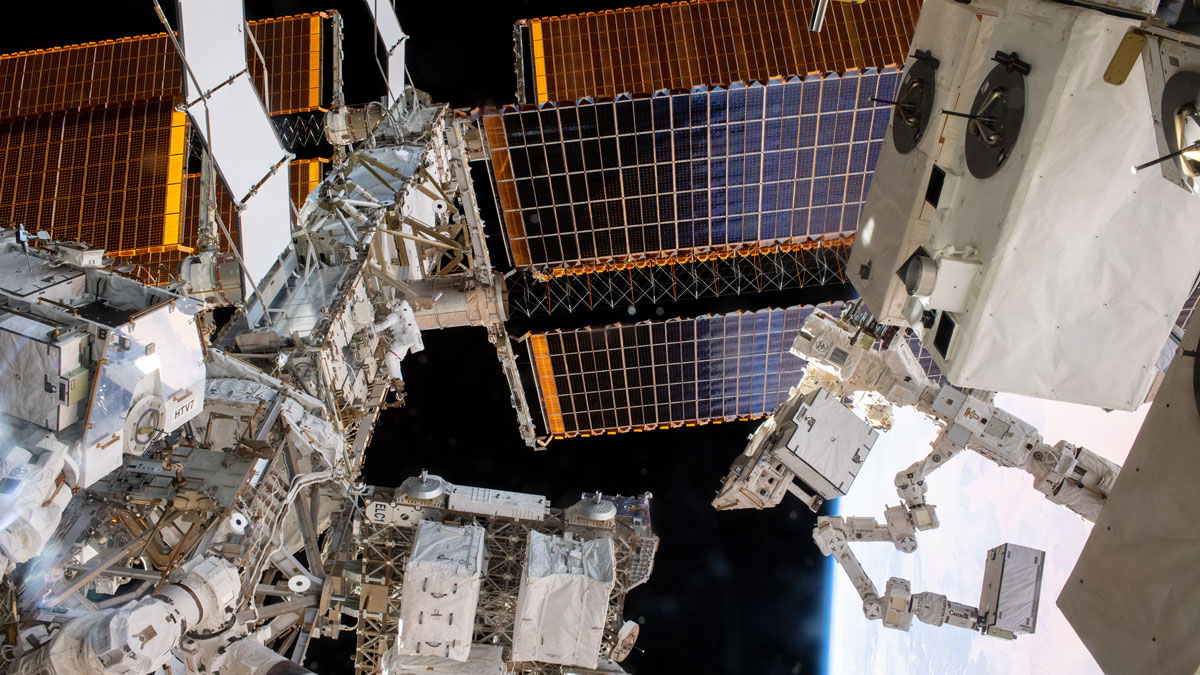
Scientists Fight to Keep Lidar on the Space Station
Remote sensing experts may lose a key tool in the fight against climate change.