

随着世界第四大湖泊的消失,风从沙漠中扬起大量粉尘,散播到中亚地区,引发了人们对公共卫生的担忧。
Saima May Sidik

Posted inResearch Spotlights
When the Aral Sea Dried Up, Central Asia Became Dustier
Winds kick up large amounts of dust from the desert that has formed as the world’s fourth largest lake has disappeared, spreading it around the region and raising concerns about public health.
Posted inResearch Spotlights
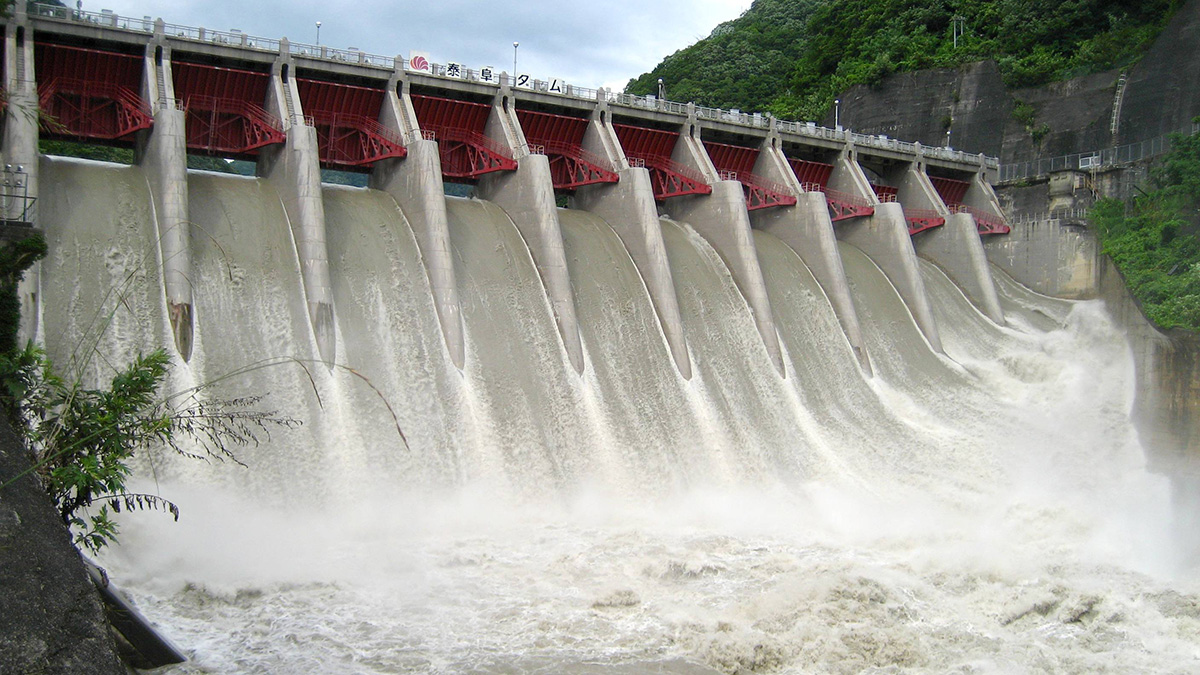
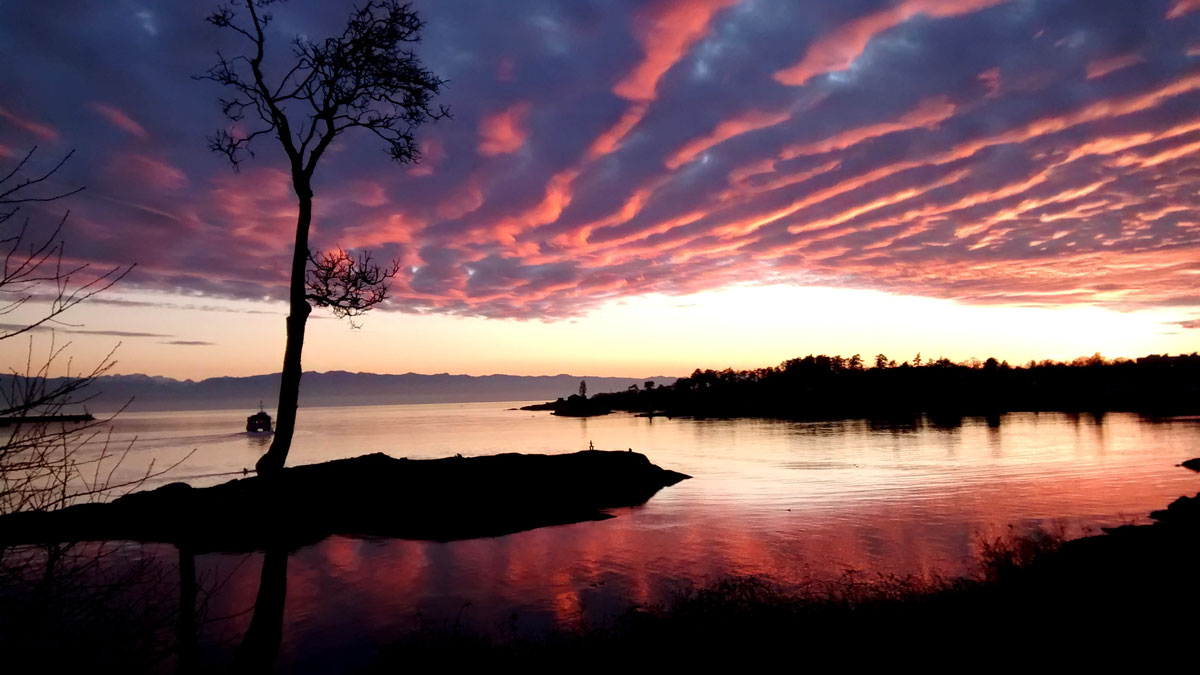
Measuring the Ins and Outflows of Estuaries
Scientists modeled monitoring schemes in three different estuaries to determine instrument layouts that could effectively and efficiently measure exchanges of salt water and freshwater.
Posted inResearch Spotlights
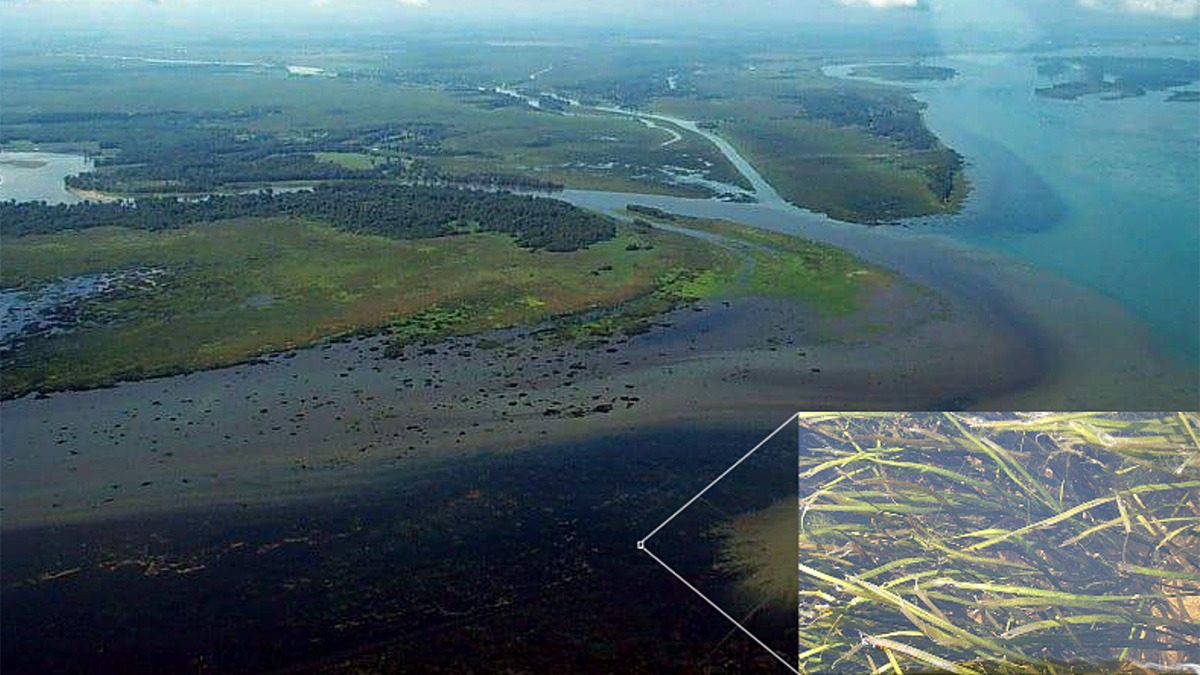
High-Frequency Monitoring Reveals Riverine Nitrogen Removal
Years of daily readings provide an unprecedented view into how a submerged aquatic meadow kept nitrogen from reaching the St. Lawrence Estuary as well as insights on how climate change may alter it.

Posted inResearch Spotlights
Internet Cable Reveals the Source of Underwater Vibrations
A novel use of an existing fiber-optic cable off the coast of Spain has clued scientists in to how seismic noise is generated in the ocean.
Posted inResearch Spotlights
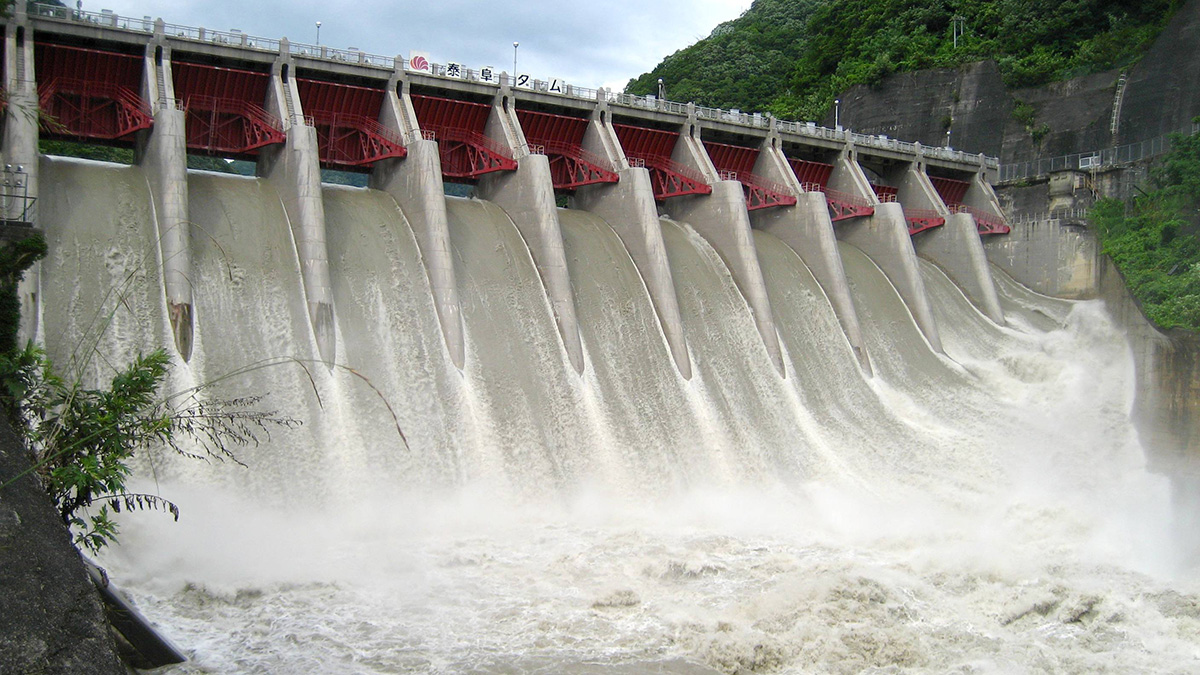
How We’re Reshaping Global Water Storage
Researchers modeled and mapped how eight key aspects of human societies affect hydrological cycles.
Posted inResearch Spotlights
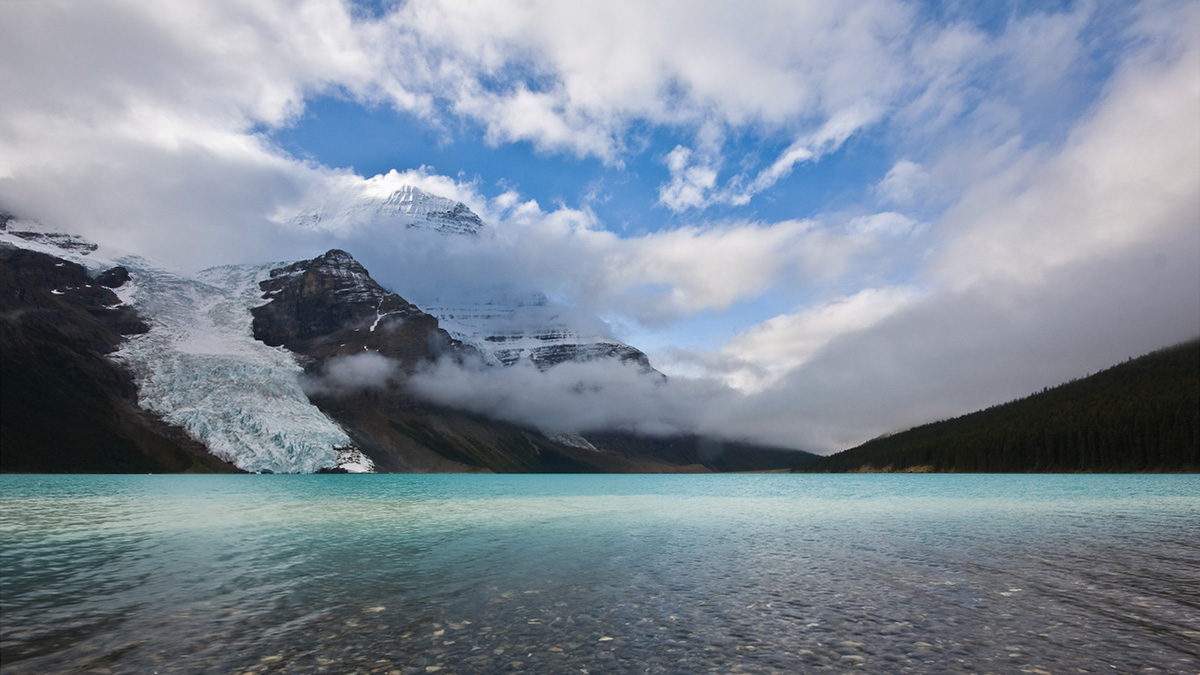
Models Oversimplify How Melting Glaciers Deform Land
When glaciers melt, the land below deforms. Sea level data show that widely used models oversimplify the process.
Posted inResearch Spotlights
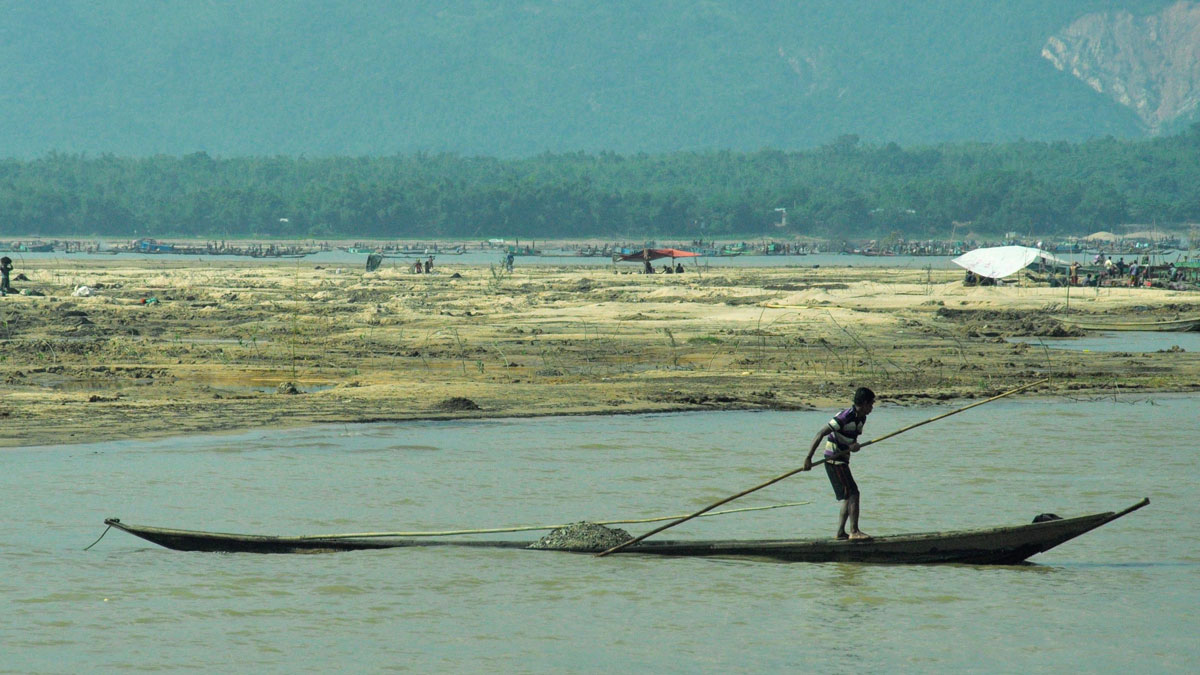
Bangladeshis Feel Increased Consequences of Sedimentation
In northern Bangladesh, residents are losing their livelihoods, homes, and personal safety when water carries sand and gravel into their communities.
