
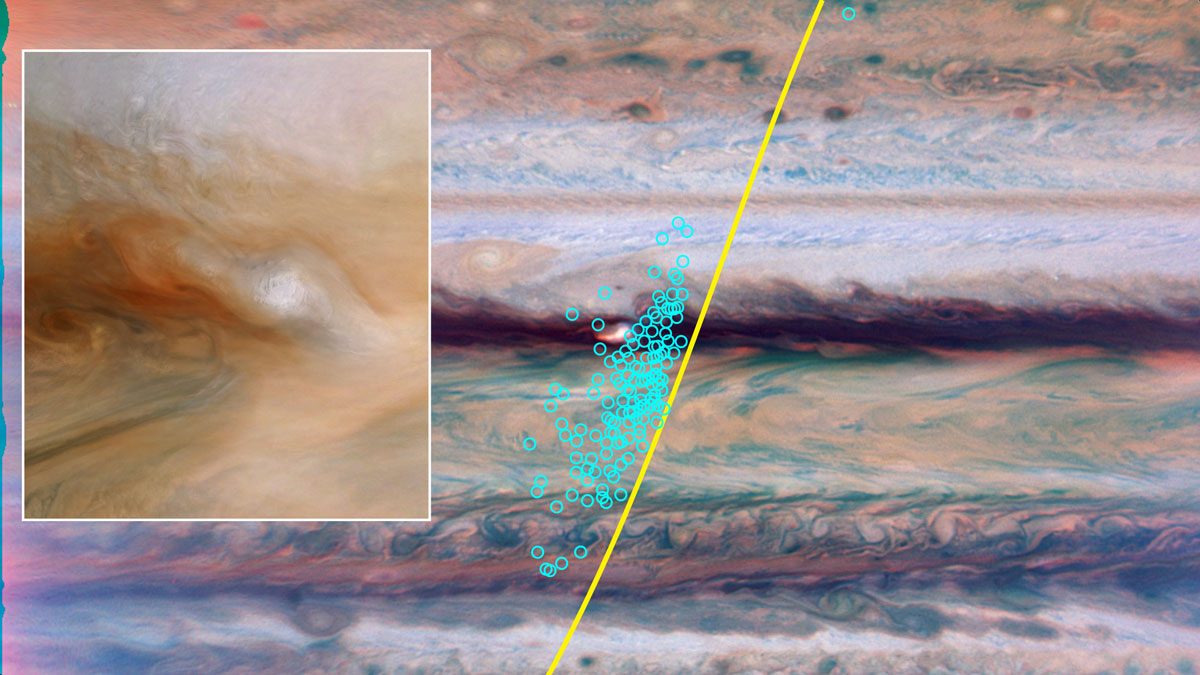
在气态巨行星木星上,闪电的强度和频率似乎比人们之前所认为的更为多样。
Saima May Sidik
Posted inResearch Spotlights
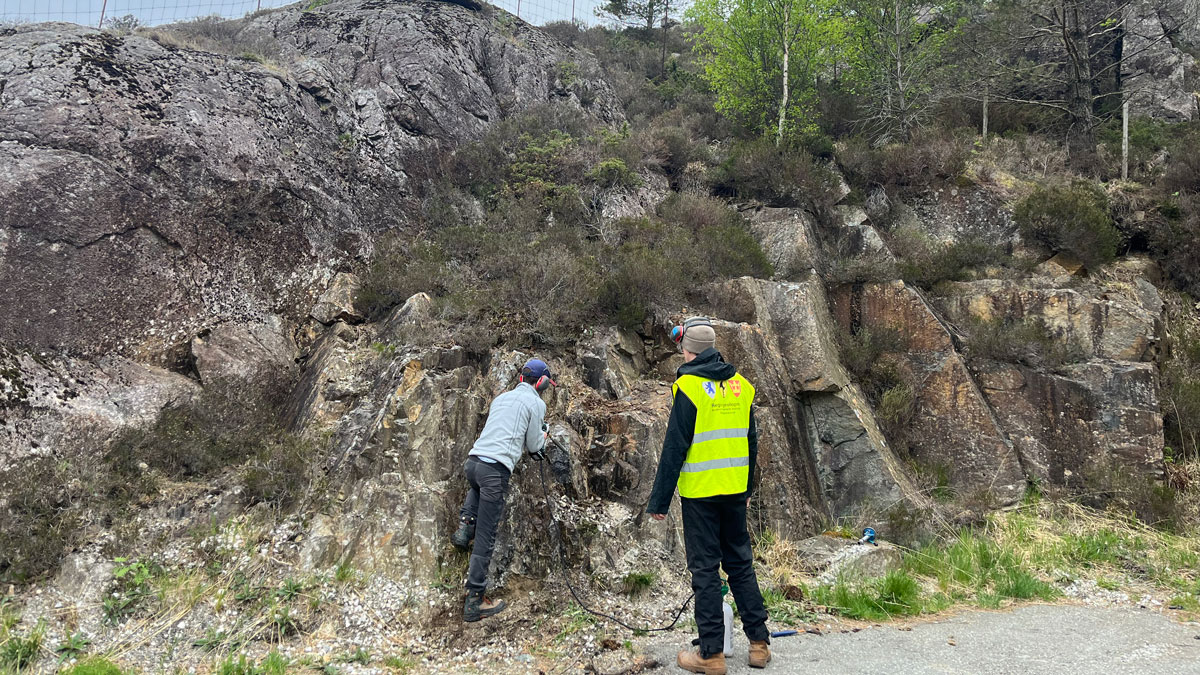
Where Was Baltica 616 Million Years Ago?
Disentangling magnetic signals in its ancient rocks gives an updated view of the paleocontinent’s position during the Ediacaran period.
Posted inResearch Spotlights
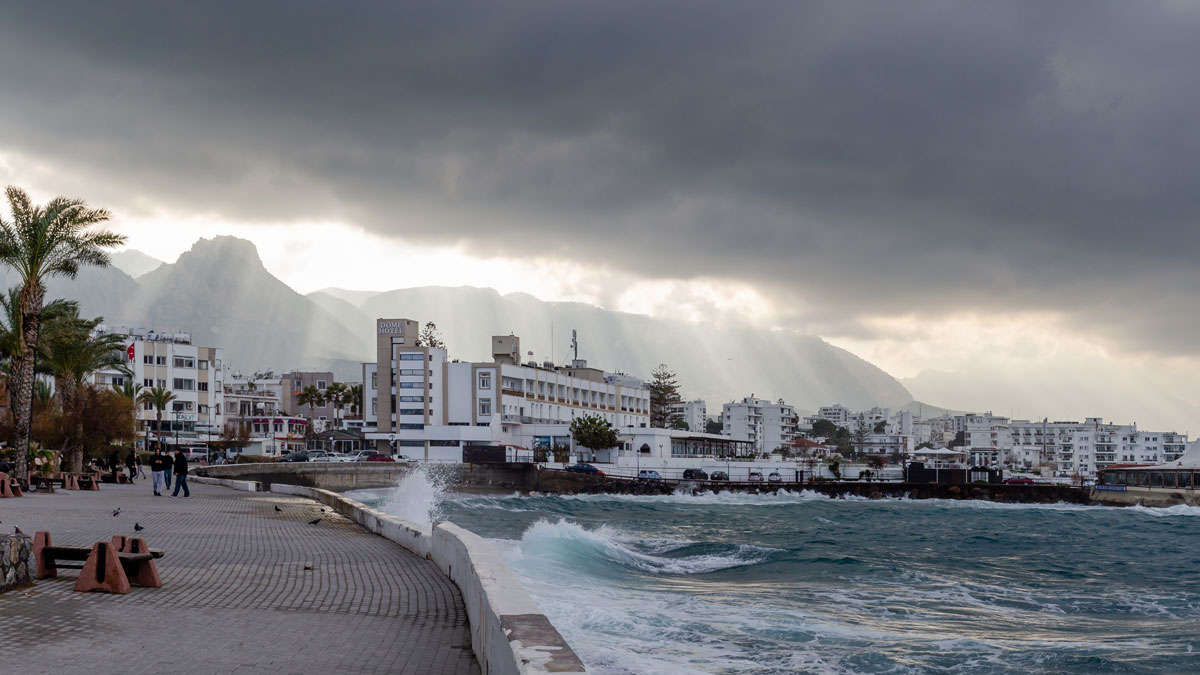
How to Study Coastal Evolution
Researchers reviewed what’s known about how coastlines are changing and made recommendations for how to learn more.
Posted inResearch Spotlights
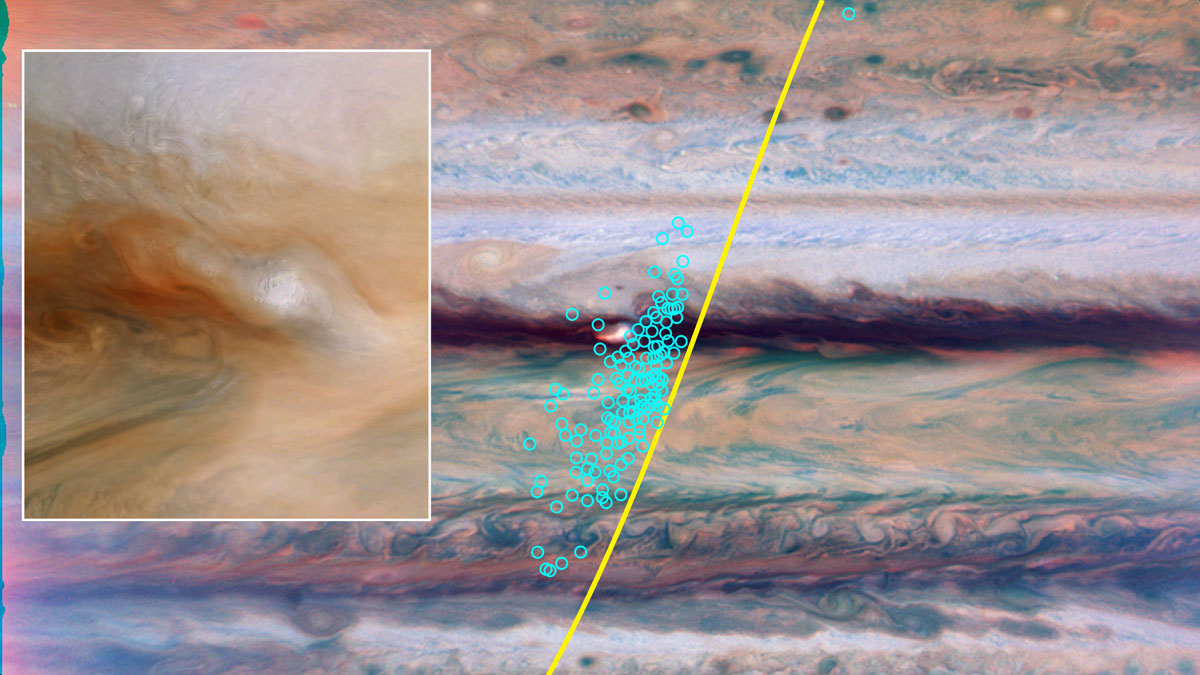
Stealth Superstorms Reveal Lightning on Jupiter: Beyond the Superbolt
On the gas giant, the strength and frequency of lightning appear to be more diverse than previously thought.
Posted inResearch Spotlights
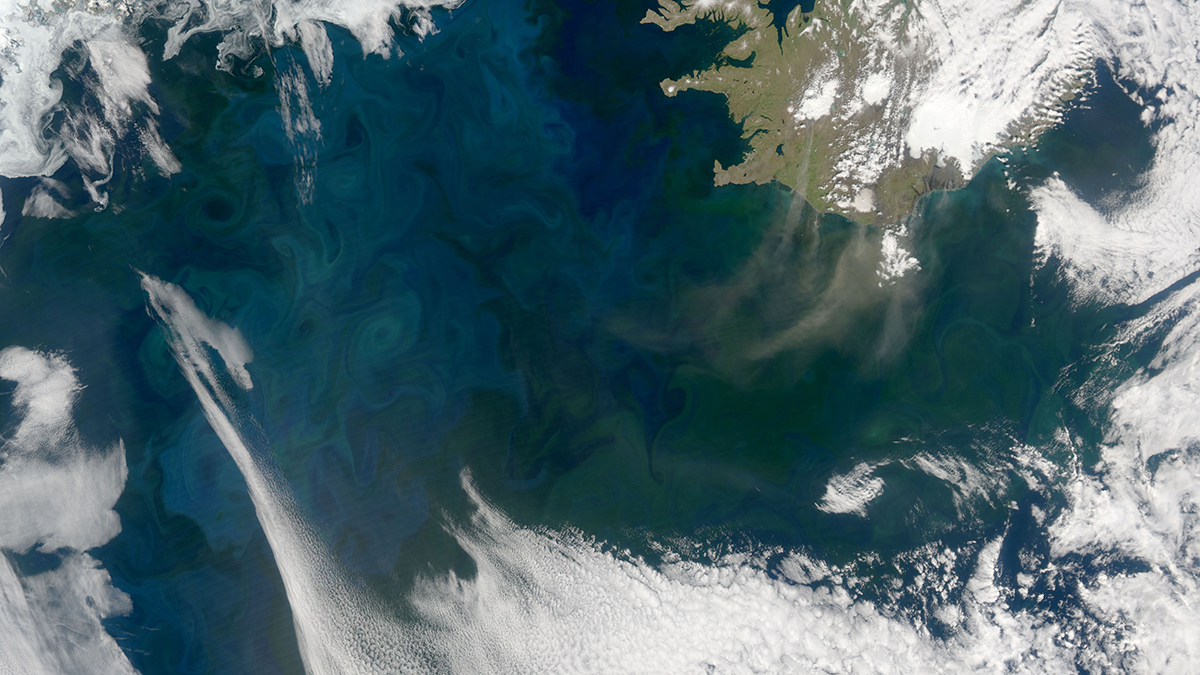
Bacteria Decide the Ocean’s Dissolved Organic Carbon Abundance
Dissolved organic carbon prevalence follows from how many bacteria are around to eat it, modeling suggests.
Posted inNews
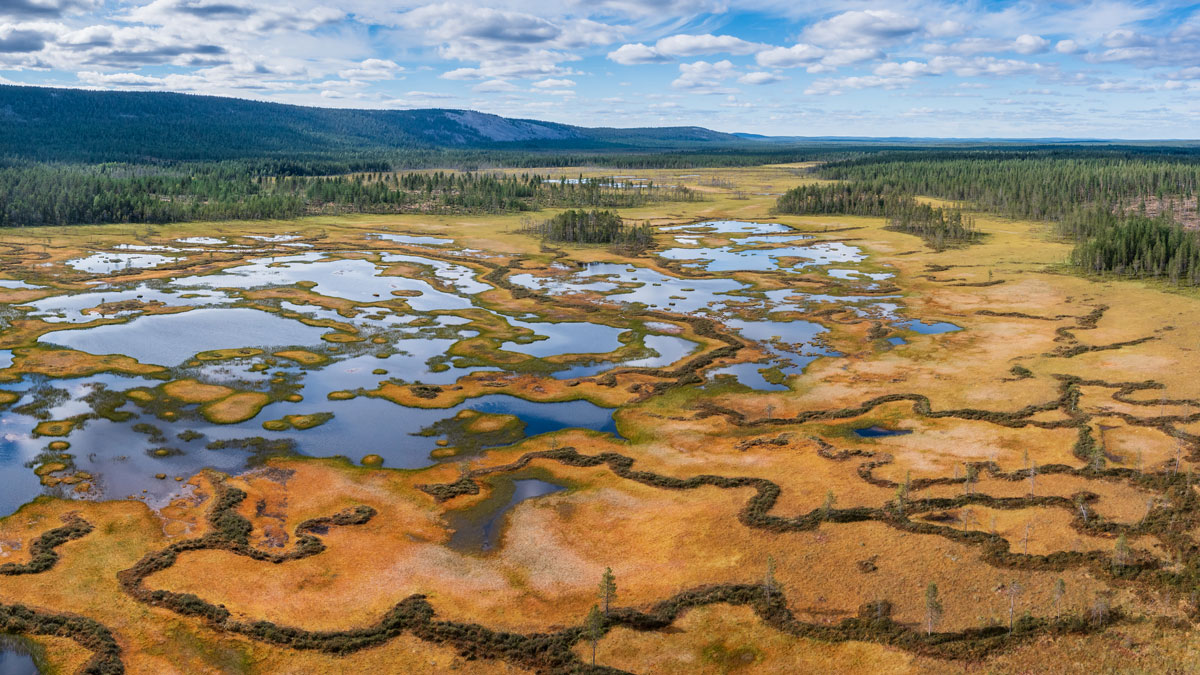
Restored Peatlands Could Become Carbon Sinks Within Decades
That’s much faster than what most scientists thought.
Posted inResearch Spotlights
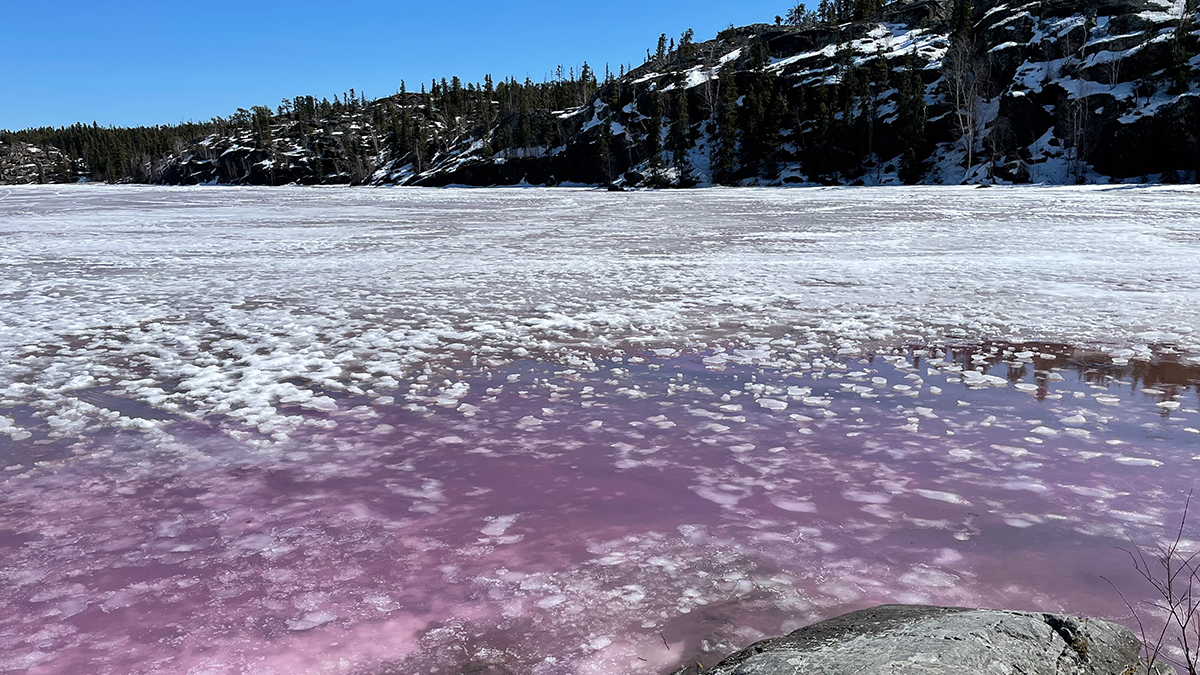
How the Spring Thaw Influences Arsenic Levels in Lakes
Four lakes near Yellowknife, Canada, show that there’s no one-size-fits-all answer.
Posted inFeatures
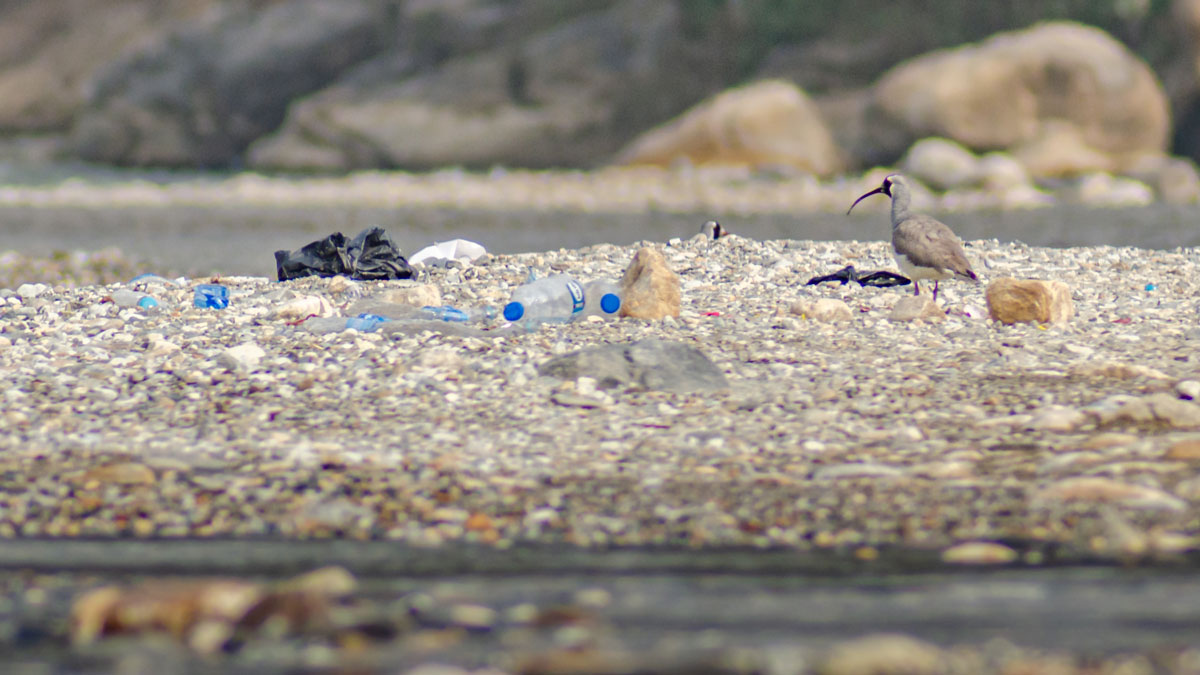
Pollution Is Rampant. We Might As Well Make Use of It.
Human-made substances hold dangers for the environment, but they also give scientists a view into recent history.
Posted inResearch Spotlights
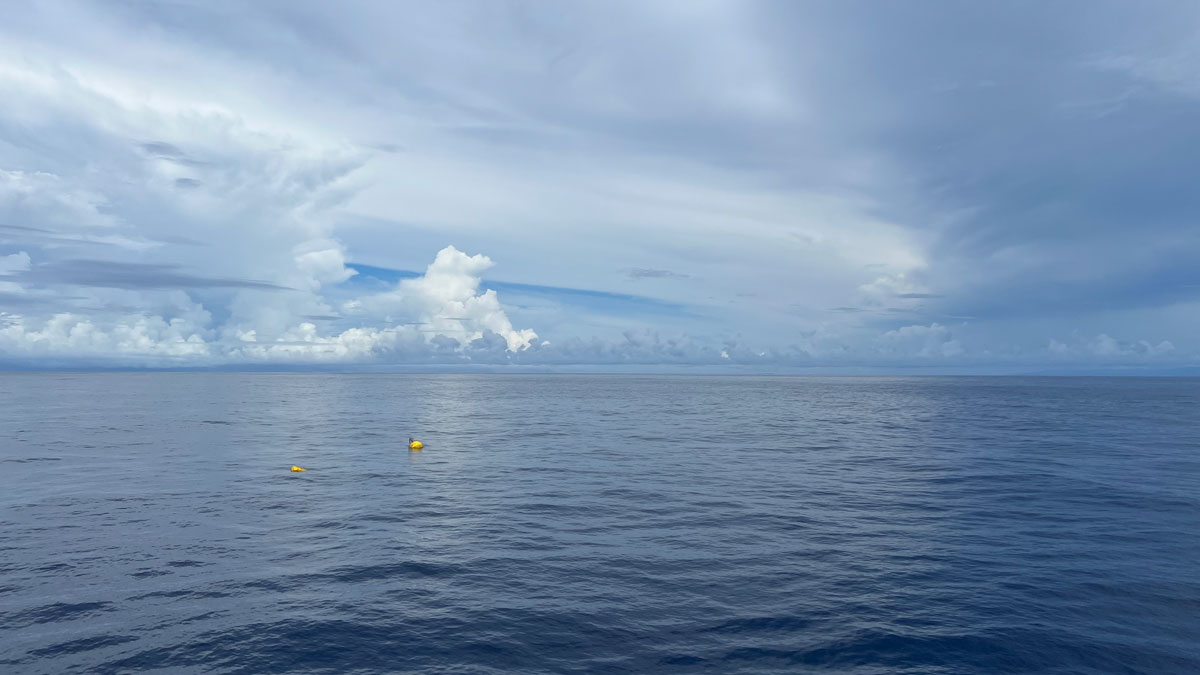
AI Sheds Light on Hard-to-Study Ocean Currents
The Maluku Strait is a key predictor of conditions in the Indonesian Throughflow, modeling shows.

Posted inResearch Spotlights
Melting Glaciers Mix Up Waters More Than We Thought
Existing theory underestimates the mixing of freshwater and seawater by up to 50%.