• About
  • Special Reports
  • Topics
    • Climate
    • Earth Science
    • Oceans
    • Space & Planets
    • Health & Ecosystems
    • Culture & Policy
    • Education & Careers
    • Opinions
  • Projects
    • Postcards From the Field
    • ENGAGE
    • Editors’ Highlights
    • Editors’ Vox
    • Eos en Español
    • Eos 简体中文版
    • Print Archive: 2015–2025
  • Policy Tracker
  • Blogs
    • Research & Developments
    • The Landslide Blog
  • Newsletter
  • Submit to Eos
  • AGU.org
  • Career Center
  • Join AGU
  • Give to AGU
  • About
  • Special Reports
  • Topics
    • Climate
    • Earth Science
    • Oceans
    • Space & Planets
    • Health & Ecosystems
    • Culture & Policy
    • Education & Careers
    • Opinions
  • Projects
    • Postcards From the Field
    • ENGAGE
    • Editors’ Highlights
    • Editors’ Vox
    • Eos en Español
    • Eos 简体中文版
    • Print Archive: 2015–2025
  • Policy Tracker
  • Blogs
    • Research & Developments
    • The Landslide Blog
  • Newsletter
  • Submit to Eos
Skip to content
  • AGU.org
  • Career Center
  • Join AGU
  • Give to AGU
Eos

Eos

Science News by AGU

Support Eos
Sign Up for Newsletter
  • About
  • Special Reports
  • Topics
    • Climate
    • Earth Science
    • Oceans
    • Space & Planets
    • Health & Ecosystems
    • Culture & Policy
    • Education & Careers
    • Opinions
  • Projects
    • Postcards From the Field
    • ENGAGE
    • Editors’ Highlights
    • Editors’ Vox
    • Eos en Español
    • Eos 简体中文版
    • Print Archive: 2015–2025
  • Policy Tracker
  • Blogs
    • Research & Developments
    • The Landslide Blog
  • Newsletter
  • Submit to Eos
Tim Hornyak, Science Writer

Tim Hornyak

Tim Hornyak (www.timhornyak.com) is a Canadian writer based in Tokyo, Japan, who has worked in journalism for more than 20 years. He has written extensively about travel, food, technology, science, culture, and business in Japan, as well as Japanese inventors, roboticists, and Nobel Prize–winning scientists. Tim’s writing has appeared in media including The New York Times, Nature, Science, Scientific American, CNBC, CNET, Eos, The Japan Times, and IDG News. He is the author of Loving the Machine: The Art and Science of Japanese Robots and has contributed to several Lonely Planet travel guidebooks. His favorite robot is Astro Boy, but he firmly believes that the greatest Japanese invention of all time is the onsen (hot spring). He has lived in Tokyo for more than 15 years.

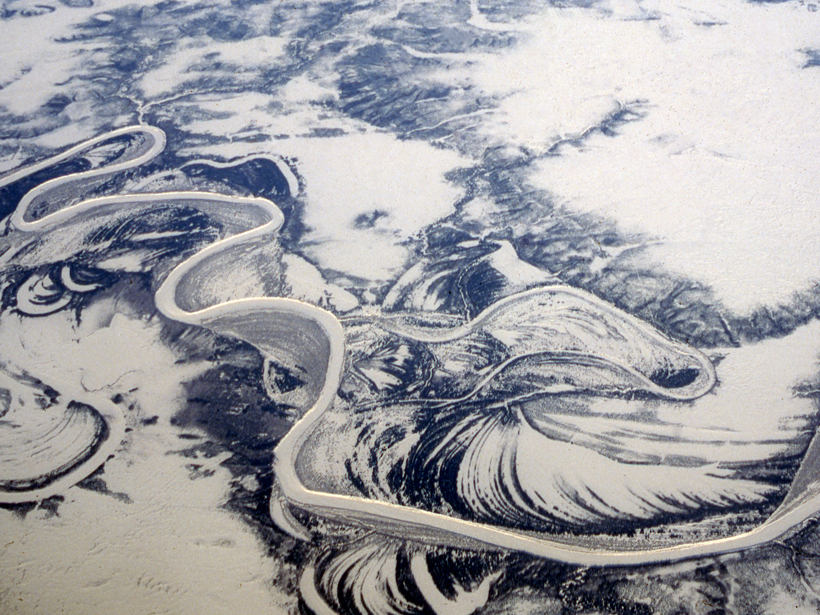
A frozen river winds through the tundra in northern Siberia.
Posted inNews

Climate Change Could Make Siberia an Attractive Place to Live

Tim Hornyak, Science Writer by Tim Hornyak 12 July 20179 December 2021

Although anticipated warmer temperatures promise to render the region more comfortable for people, the transformation might turn permafrost areas into inhospitable bogs.

Image of Supertyphoon Meranti taken by MODIS on 13 September 2016.
Posted inNews

Probing the Power of Pacific Supertyphoons

Tim Hornyak, Science Writer by Tim Hornyak 10 July 201730 March 2023

Despite higher than normal surface temperatures and heat contents of ocean waters where the storms developed, evidence is lacking that global warming is revving them up.
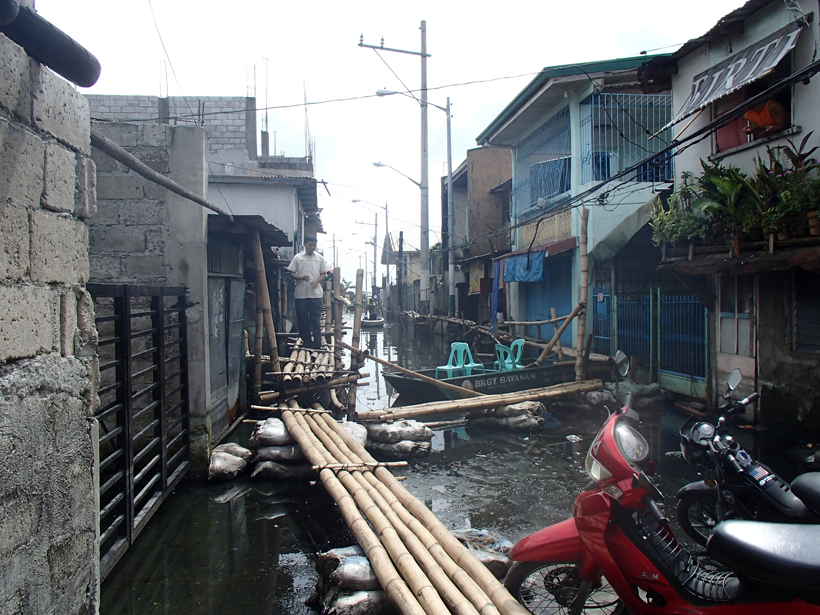
In September 2009, Typhoon Ketsana dropped 455 millimeters of rain on Manila in 24 hours, flooding the city.
Posted inNews

Mapping Dengue Fever Hazard with Machine Learning

Tim Hornyak, Science Writer by Tim Hornyak 14 June 201715 March 2023

Researchers develop a predictive software system to identify city-specific, dengue fever risk areas amid a global increase in cases.
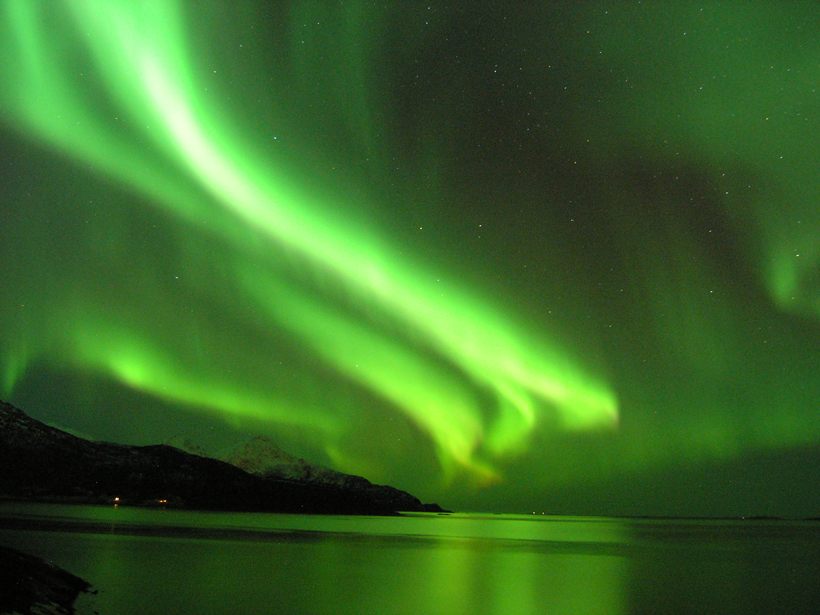
An aurora glows above Tromso, Norway, in 2010.
Posted inNews

Mining Ancient Texts Reveals Clues to Space Weather of Yore

Tim Hornyak, Science Writer by Tim Hornyak 24 May 201718 April 2022

Low-latitude sightings of colorful hues in the sky likely to have been auroras indicate powerful geomagnetic storms buffeted Earth when some old chronicles were written, researchers report.

Posts pagination

Newer posts 1 2 3 4
Over a dark blue-green square appear the words Special Report: The State of the Science 1 Year On.

Features from AGU Publications

Research Spotlights

New Method Could Improve U.S. Forecasting of West Nile Virus

20 February 202620 February 2026
Editors' Highlights

Why More Rain Doesn’t Mean More Erosion in Mountains

20 February 202620 February 2026
Editors' Vox

A Double-Edged Sword: The Global Oxychlorine Cycle on Mars

10 February 202610 February 2026
Eos logo at left; AGU logo at right

About Eos
ENGAGE
Awards
Contact

Advertise
Submit
Career Center
Sitemap

© 2026 American Geophysical Union. All rights reserved Powered by Newspack