• About
  • Special Reports
  • Topics
    • Climate
    • Earth Science
    • Oceans
    • Space & Planets
    • Health & Ecosystems
    • Culture & Policy
    • Education & Careers
    • Opinions
  • Projects
    • Postcards From the Field
    • ENGAGE
    • Editors’ Highlights
    • Editors’ Vox
    • Eos en Español
    • Eos 简体中文版
    • Print Archive: 2015–2025
  • Policy Tracker
  • Blogs
    • Research & Developments
    • The Landslide Blog
  • Newsletter
  • Submit to Eos
  • AGU.org
  • Career Center
  • Join AGU
  • Give to AGU
  • About
  • Special Reports
  • Topics
    • Climate
    • Earth Science
    • Oceans
    • Space & Planets
    • Health & Ecosystems
    • Culture & Policy
    • Education & Careers
    • Opinions
  • Projects
    • Postcards From the Field
    • ENGAGE
    • Editors’ Highlights
    • Editors’ Vox
    • Eos en Español
    • Eos 简体中文版
    • Print Archive: 2015–2025
  • Policy Tracker
  • Blogs
    • Research & Developments
    • The Landslide Blog
  • Newsletter
  • Submit to Eos
Skip to content
  • AGU.org
  • Career Center
  • Join AGU
  • Give to AGU
Eos

Eos

Science News by AGU

Support Eos
Sign Up for Newsletter
  • About
  • Special Reports
  • Topics
    • Climate
    • Earth Science
    • Oceans
    • Space & Planets
    • Health & Ecosystems
    • Culture & Policy
    • Education & Careers
    • Opinions
  • Projects
    • Postcards From the Field
    • ENGAGE
    • Editors’ Highlights
    • Editors’ Vox
    • Eos en Español
    • Eos 简体中文版
    • Print Archive: 2015–2025
  • Policy Tracker
  • Blogs
    • Research & Developments
    • The Landslide Blog
  • Newsletter
  • Submit to Eos

Taylor Mitchell Brown

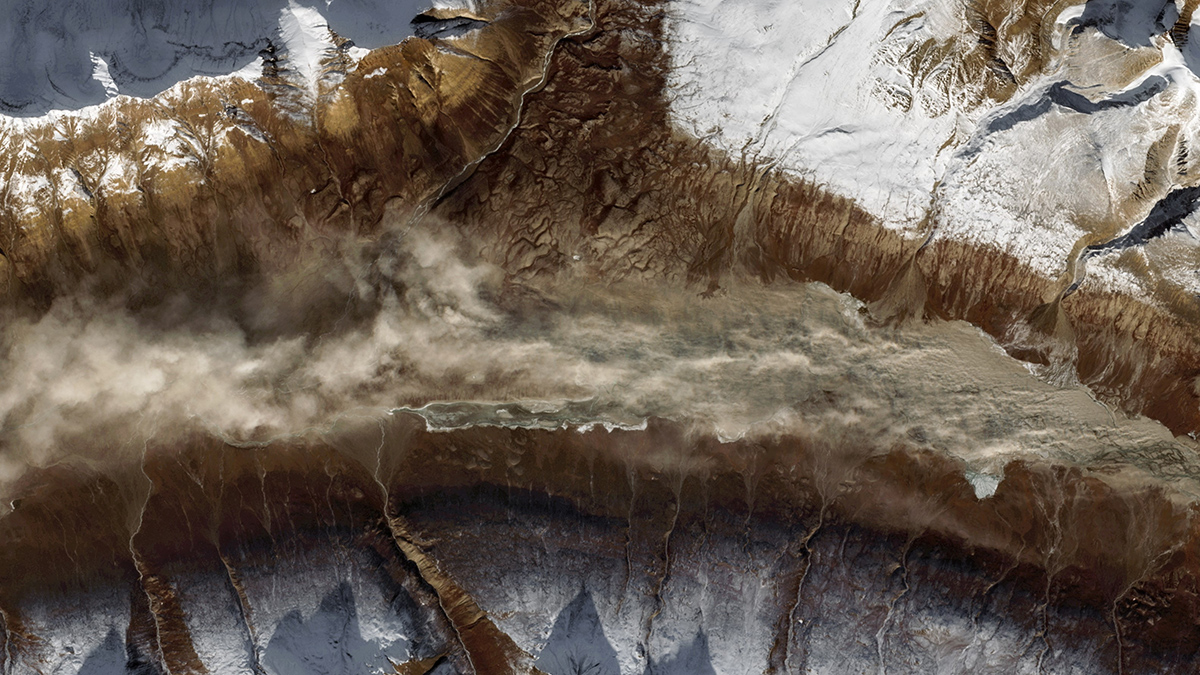
A Sentinel-2 satellite image shows a dust storm over the Greenland Ice Sheet.
Posted inNews

Greenland Dust Delivers Nutrients to Ice-Melting Algae

by Taylor Mitchell Brown 27 February 202627 February 2026

Researchers scrutinized aerosols above and within the ice sheet, finding phosphorus and other mineral particles.
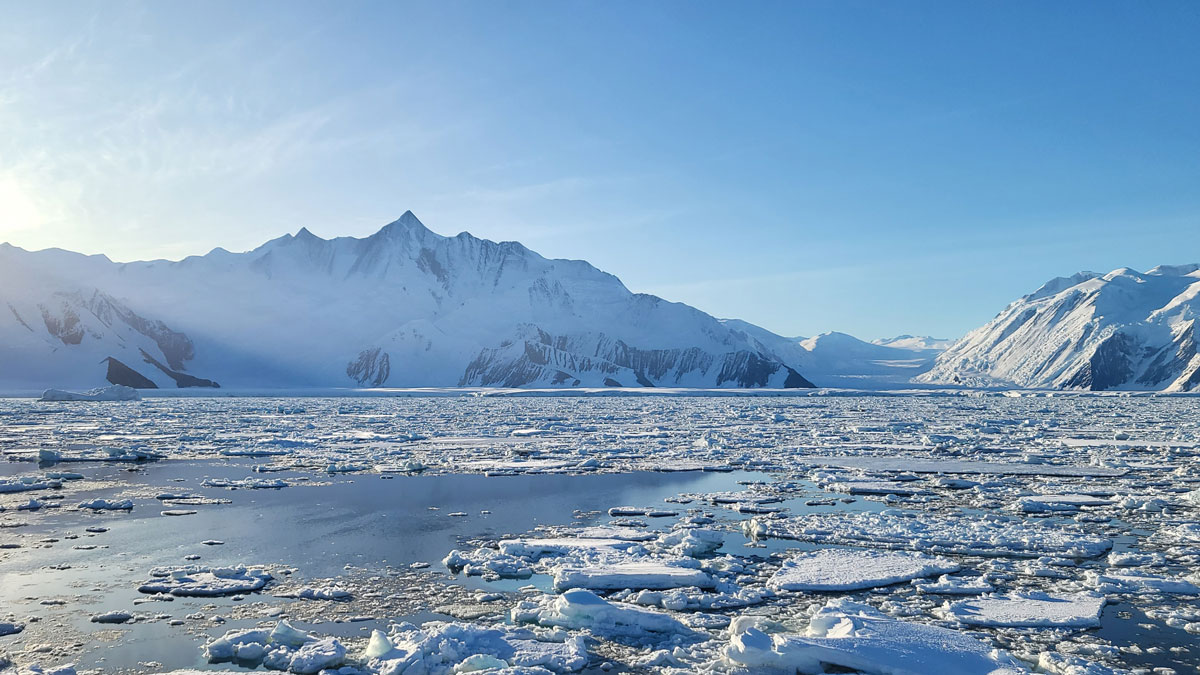
Broken-up ice sits on the surface of an ocean. A snowy mountain, a glacier, and a blue sky are in the distance.
Posted inNews

Sediments Offer an Extended History of Fast Ice

by Taylor Mitchell Brown 12 February 202612 February 2026

Scientists used sediments to create a millennia-long archive of Antarctic fast ice. Along the way, they discovered that the freezing and thawing of this enigmatic ice appear to be linked to solar cycles.

Over a dark blue-green square appear the words Special Report: The State of the Science 1 Year On.

Features from AGU Publications

Research Spotlights

A Long-Term Look Beneath an Antarctic Ice Shelf

6 March 20266 March 2026
Editors' Highlights

Tropopause Temperature Drives Tropical Cyclone Simulation Diversity

6 March 20266 March 2026
Editors' Vox

Editorial Handover at Perspectives of Earth and Space Scientists

6 March 20266 March 2026
Eos logo at left; AGU logo at right

About Eos
ENGAGE
Awards
Contact

Advertise
Submit
Career Center
Sitemap

© 2026 American Geophysical Union. All rights reserved Powered by Newspack