• About
  • Special Reports
  • Topics
    • Climate
    • Earth Science
    • Oceans
    • Space & Planets
    • Health & Ecosystems
    • Culture & Policy
    • Education & Careers
    • Opinions
  • Projects
    • Postcards From the Field
    • ENGAGE
    • Editors’ Highlights
    • Editors’ Vox
    • Eos en Español
    • Eos 简体中文版
    • Print Archive: 2015–2025
  • Policy Tracker
  • Blogs
    • Research & Developments
    • The Landslide Blog
  • Newsletter
  • Submit to Eos
  • AGU.org
  • Career Center
  • Join AGU
  • Give to AGU
  • About
  • Special Reports
  • Topics
    • Climate
    • Earth Science
    • Oceans
    • Space & Planets
    • Health & Ecosystems
    • Culture & Policy
    • Education & Careers
    • Opinions
  • Projects
    • Postcards From the Field
    • ENGAGE
    • Editors’ Highlights
    • Editors’ Vox
    • Eos en Español
    • Eos 简体中文版
    • Print Archive: 2015–2025
  • Policy Tracker
  • Blogs
    • Research & Developments
    • The Landslide Blog
  • Newsletter
  • Submit to Eos
Skip to content
  • AGU.org
  • Career Center
  • Join AGU
  • Give to AGU
Eos

Eos

Science News by AGU

Support Eos
Sign Up for Newsletter
  • About
  • Special Reports
  • Topics
    • Climate
    • Earth Science
    • Oceans
    • Space & Planets
    • Health & Ecosystems
    • Culture & Policy
    • Education & Careers
    • Opinions
  • Projects
    • Postcards From the Field
    • ENGAGE
    • Editors’ Highlights
    • Editors’ Vox
    • Eos en Español
    • Eos 简体中文版
    • Print Archive: 2015–2025
  • Policy Tracker
  • Blogs
    • Research & Developments
    • The Landslide Blog
  • Newsletter
  • Submit to Eos

Vasco Mantas

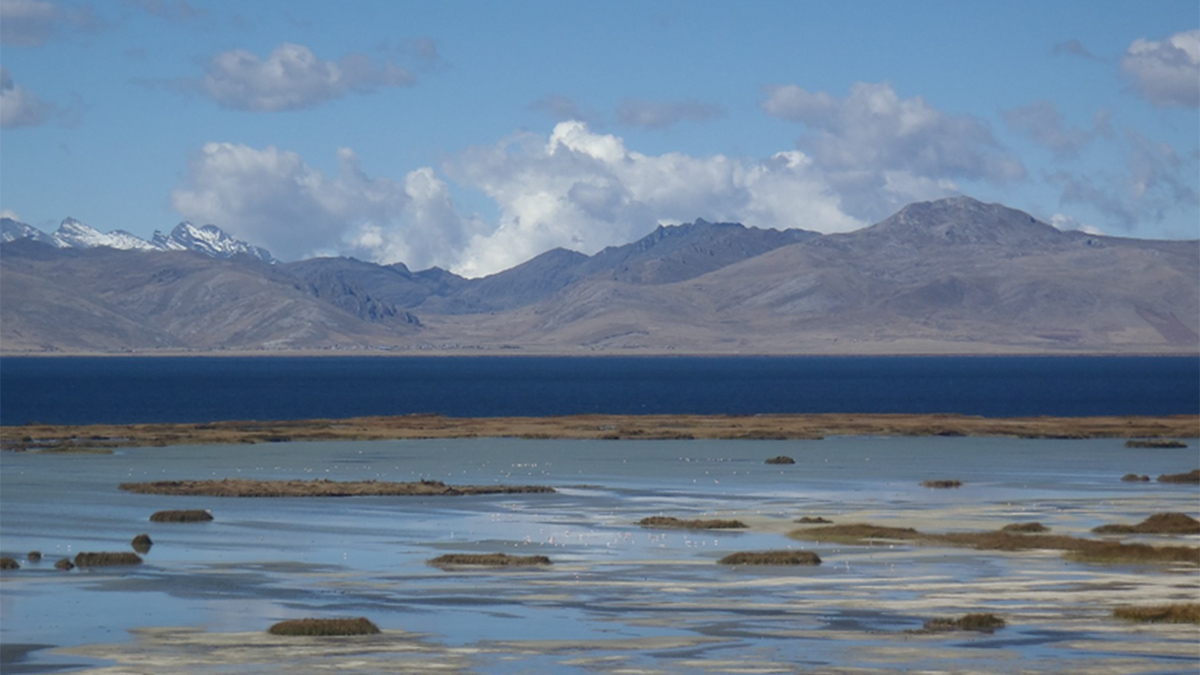
View across a shallow wetland area dotted by birds and small islands covered in low vegetation. A large lake lies beyond the shallow wetland, and tall mountains rise in the distance.
Posted inOpinions

Breaking Data Scarcity Loops in Mountainous Regions

by Vasco Mantas, Karyn Tabor, Claudia Caro, Marcelo Uriburu Quirno and Cassidy Ochoa 22 October 202622 October 2026

Living labs foster codesigned landscape and hydrological monitoring efforts and tools, thereby improving the reliability and adoption of satellite products and models in decisionmaking.

Vertical streaks of digital ones and zeroes rise from digitized representation of Earth against a deep blue background.
Posted inOpinions

We Need a Better Way to Share Earth Observations

by Zhong Liu, Yixin Wen, Vasco Mantas and David Meyer 12 May 20236 October 2026

A more accessible, open data-sharing infrastructure will engage a broader community of contributors, helping to develop satellite data products that benefit Earth science research and applications.
A lot of woodworking tools hang from pegboard
Posted inScience Updates

Creating Data Tool Kits That Everyone Can Use

by Z. Liu, Vasco Mantas, J. Wei, M. Jin and David Meyer 11 May 202029 September 2021

Earth scientists outline challenges to making the growing wealth of available data more accessible and to using data services for interdisciplinary research and applications.

Over a dark blue-green square appear the words Special Report: The State of the Science 1 Year On.

Features from AGU Publications

Research Spotlights

How Fine Can Global Storm Models Get?

4 November 20264 November 2026
Editors' Highlights

Trash to Treasure? Increased Soil Phosphorus in Farmed Urban Soils

5 November 20264 November 2026
Editors' Vox

Opening Access to Earth Observation Data for Disaster Mitigation

21 October 202620 October 2026
Eos logo at left; AGU logo at right

About Eos
ENGAGE
Awards
Contact

Advertise
Submit
Career Center
Sitemap

© 2026 American Geophysical Union. All rights reserved Powered by Newspack