• About
  • Special Reports
  • Topics
    • Climate
    • Earth Science
    • Oceans
    • Space & Planets
    • Health & Ecosystems
    • Culture & Policy
    • Education & Careers
    • Opinions
  • Projects
    • Postcards From the Field
    • ENGAGE
    • Editors’ Highlights
    • Editors’ Vox
    • Eos en Español
    • Eos 简体中文版
    • Print Archive: 2015–2025
  • Policy Tracker
  • Blogs
    • Research & Developments
    • The Landslide Blog
  • Newsletter
  • Submit to Eos
  • AGU.org
  • Career Center
  • Join AGU
  • Give to AGU
  • About
  • Special Reports
  • Topics
    • Climate
    • Earth Science
    • Oceans
    • Space & Planets
    • Health & Ecosystems
    • Culture & Policy
    • Education & Careers
    • Opinions
  • Projects
    • Postcards From the Field
    • ENGAGE
    • Editors’ Highlights
    • Editors’ Vox
    • Eos en Español
    • Eos 简体中文版
    • Print Archive: 2015–2025
  • Policy Tracker
  • Blogs
    • Research & Developments
    • The Landslide Blog
  • Newsletter
  • Submit to Eos
Skip to content
  • AGU.org
  • Career Center
  • Join AGU
  • Give to AGU
Eos

Eos

Science News by AGU

Support Eos
Sign Up for Newsletter
  • About
  • Special Reports
  • Topics
    • Climate
    • Earth Science
    • Oceans
    • Space & Planets
    • Health & Ecosystems
    • Culture & Policy
    • Education & Careers
    • Opinions
  • Projects
    • Postcards From the Field
    • ENGAGE
    • Editors’ Highlights
    • Editors’ Vox
    • Eos en Español
    • Eos 简体中文版
    • Print Archive: 2015–2025
  • Policy Tracker
  • Blogs
    • Research & Developments
    • The Landslide Blog
  • Newsletter
  • Submit to Eos

Zoe Pierrat

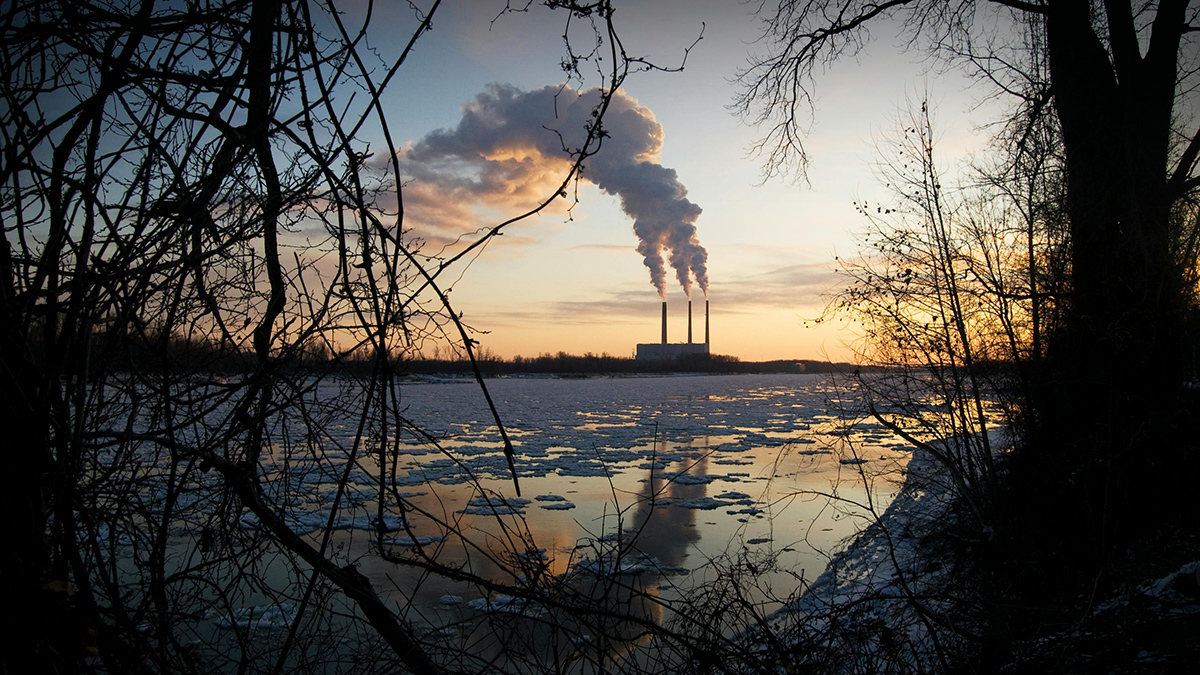
Emissions billow from a power plant’s smokestacks in the distance beyond a partially ice-covered river.
Posted inOpinions

A Better Way to Monitor Greenhouse Gases

by Dustin Carroll, Nick Parazoo, Hannah Nesser, Yinon Bar-On and Zoe Pierrat 24 October 20252 February 2026

A unified, global observing system could more effectively monitor progress in reducing emissions and accelerate climate action through improved data and decision support.

Aerial view of a tall metal frame tower towering over a forest under a cloudy sky and with snow-covered mountains in the distance. An illustrated rainbow-colored beam from the tower to the ground is superimposed on the photo.
Posted inScience Updates

Ecosystem Observations from Every Angle

by Zoe Pierrat, Troy Magney, Xi Yang, Anam Khan and Loren Albert 14 December 202314 December 2023

Proximal remote sensing provides a bridge between ecosystem flux data at Earth’s surface and optical data from satellite sensors, improving our grasp of feedbacks between terrestrial ecosystems and climate.

Over a dark blue-green square appear the words Special Report: The State of the Science 1 Year On.

Features from AGU Publications

Research Spotlights

A Road Map to Truly Sustainable Water Systems in Space

9 February 20269 February 2026
Editors' Highlights

Why Are Thunderstorms More Intense Over Land Than Ocean?

9 February 20269 February 2026
Editors' Vox

Coastal Wetlands Restoration, Carbon, and the Hidden Role of Groundwater

9 February 20269 February 2026
Eos logo at left; AGU logo at right

About Eos
ENGAGE
Awards
Contact

Advertise
Submit
Career Center
Sitemap

© 2026 American Geophysical Union. All rights reserved Powered by Newspack