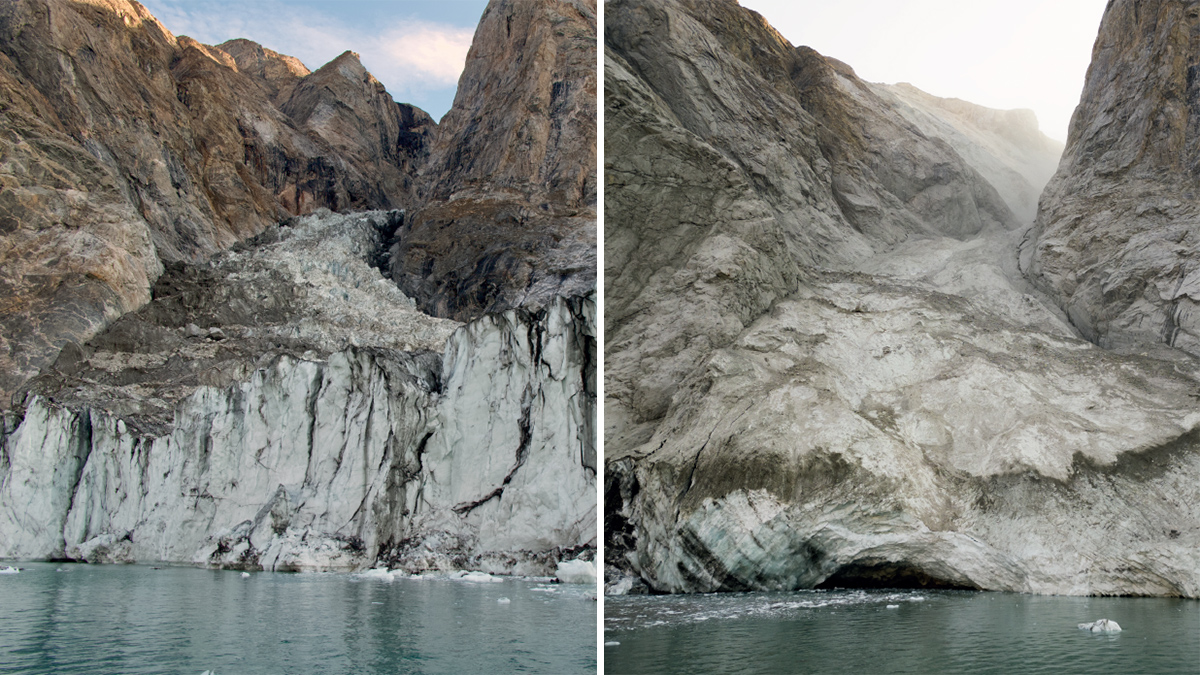
A massive tsunami churned up a mysterious 9-day noise in East Greenland. As the climate warms, more fjords may start singing.
News
Posted inNews
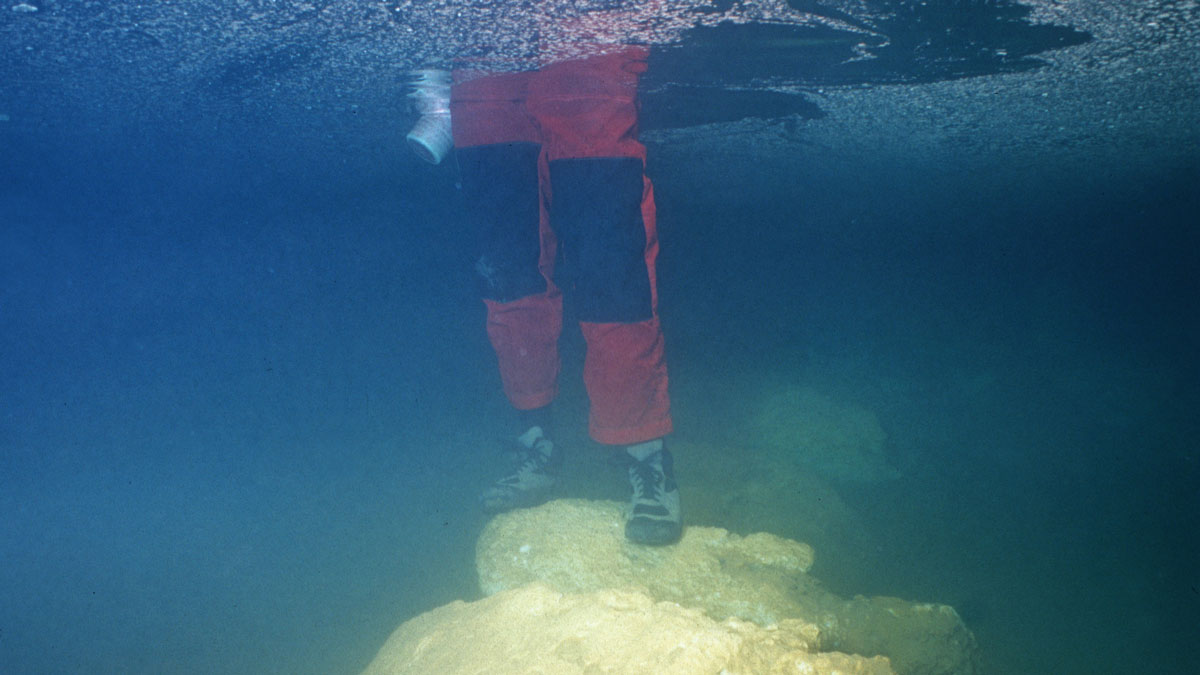
Underwater Bridge Suggests a Surprising Date for First Migration to Mallorca
A controversial study suggests that humans settled on the Spanish island 1,000 years earlier than archaeologists believe.

Posted inNews
Earthquakes May Lace Quartz Veins with Gold
Seismic activity may kick off chemical reactions that seed nuggets of gold.
Posted inNews
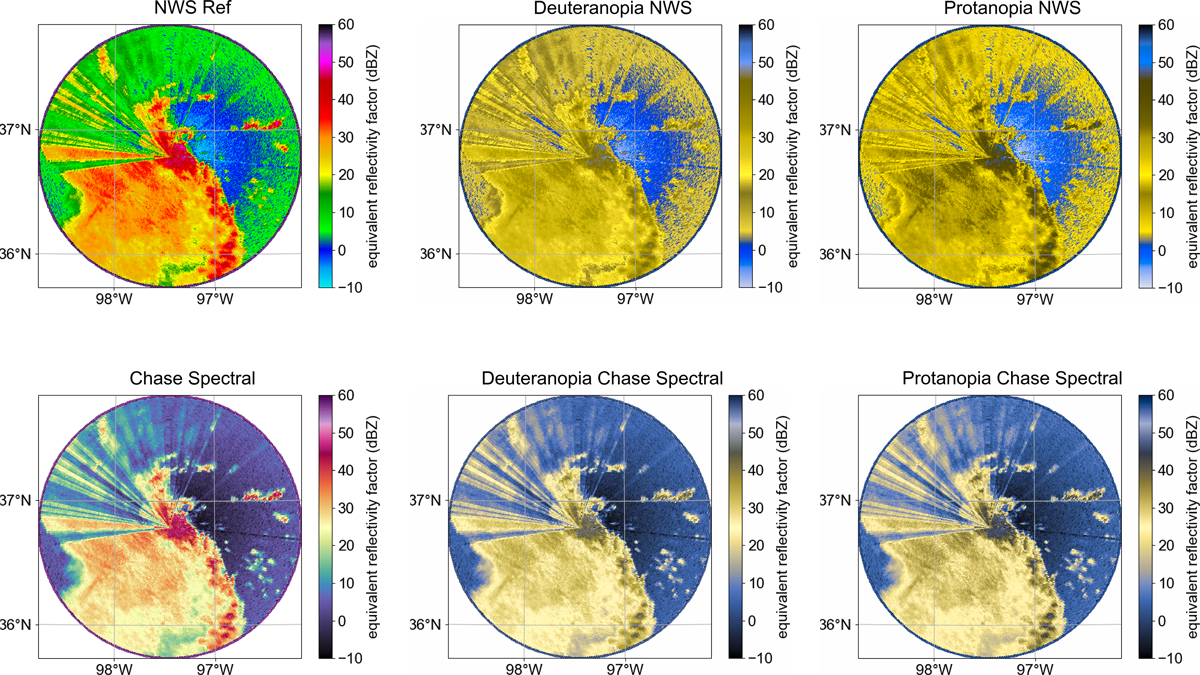
Putting Accessibility on the Map

New research demonstrates how to make radar maps more easily interpretable for people with color vision deficiency.
Posted inNews
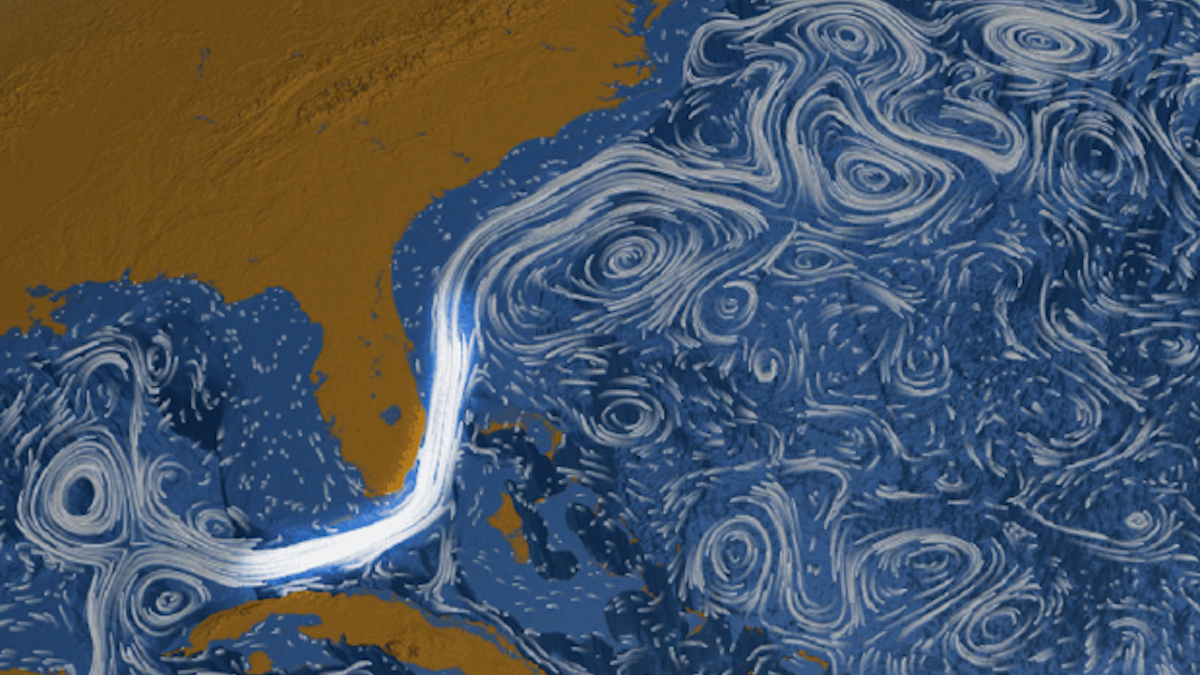
The Florida Current May Be Slowing Down, but Not by Much

A needed correction to a widely used data set reduced scientists’ estimates of how ocean circulation has weakened.

Posted inNews
Iron-Rich Volcanoes Hold Hidden Rare Earth Element Reserves

Experiments show how concentrations of rare earth elements, critical to the green energy transition, might be hiding in plain sight in iron-rich deposits around the world.
Posted inNews
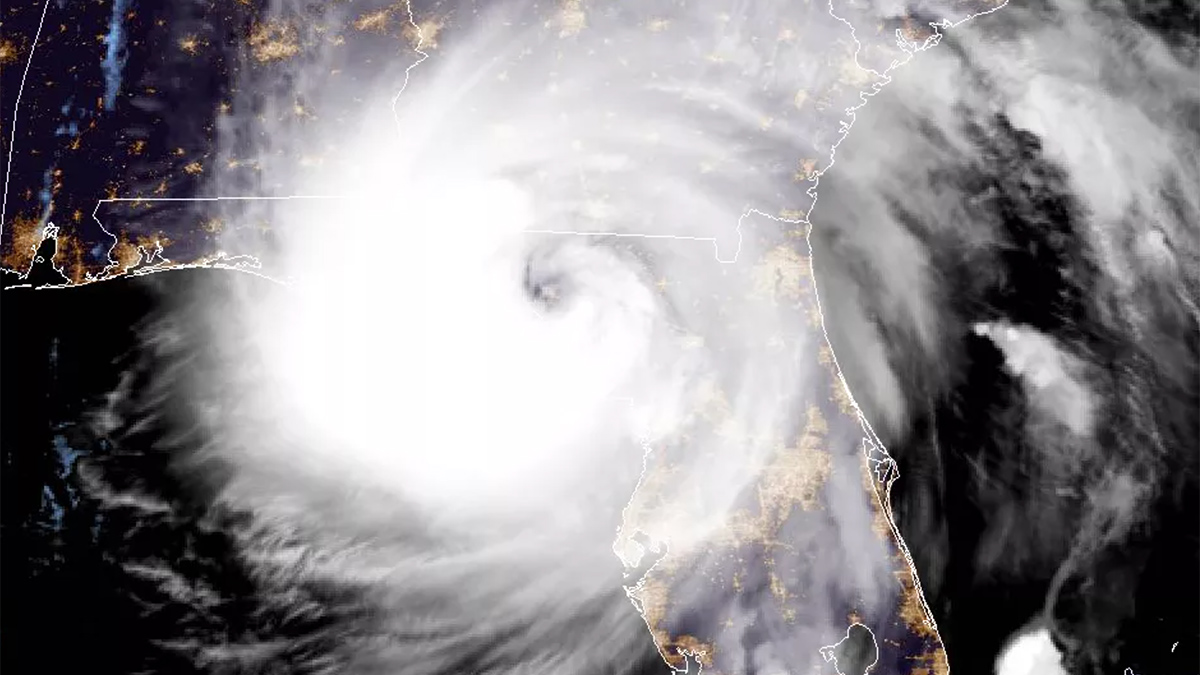
Marine Heat Waves Make Tropical Storm Intensification More Likely
Rapid intensification of hurricanes is 50% more likely to occur during marine heat waves in the Gulf of Mexico and northwestern Caribbean Sea.
Posted inNews
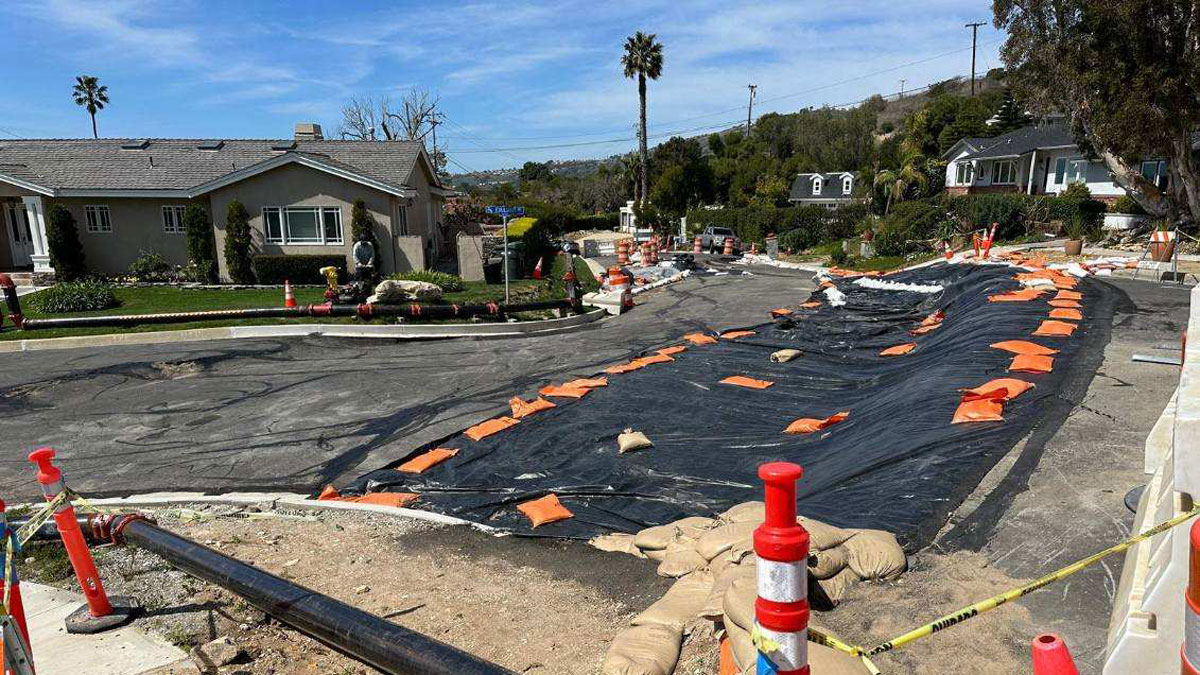
Rancho Palos Verdes Landslides Have Residents Seeking Science

Residents of Rancho Palos Verdes are looking to the scientific community for help in understanding the slow-moving landslides that are destroying their community.

Posted inNews
Hurricane Helene Brings Climate into the Spotlight in Vice Presidential Debate
J. D. Vance and Tim Walz clashed over whether climate change is real and what solutions should look like (and whether they’re needed at all).