


Both Republican front-runners promise a better economy via oil and gas production.
News
Posted inNews
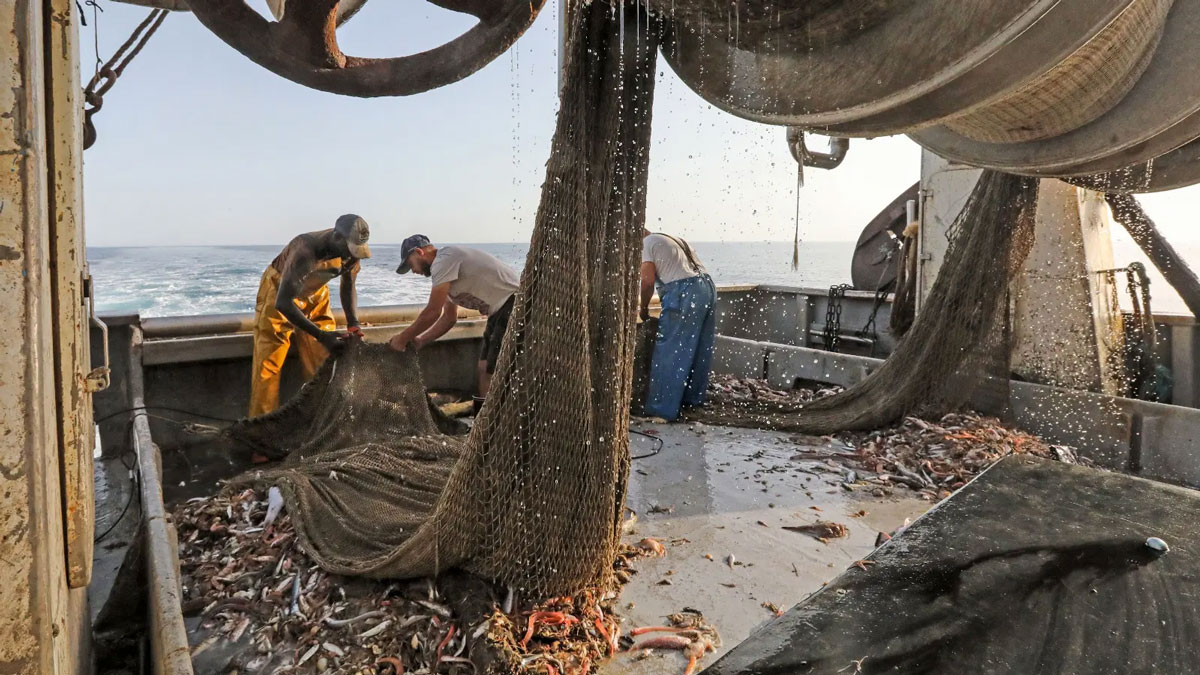
Bottom Trawling Shreds the Seafloor. It May Also Be a Huge Source of Carbon Emissions.
Dragging nets along the ocean bed wrecks marine life, but researchers can’t agree on how bad it is for the climate.

Posted inNews
In the Great Pacific Garbage Patch, New Marine Ecosystems Are Flourishing
Sea life, stuck to plastic bottles and other human trash, has journeyed far from coastal habitats—and may threaten local species

Posted inNews
Magnitude 7.0 Quake Rattles Kyrgyzstan-China Border
The quake struck in the remote Tien Shan mountains.
Posted inNews
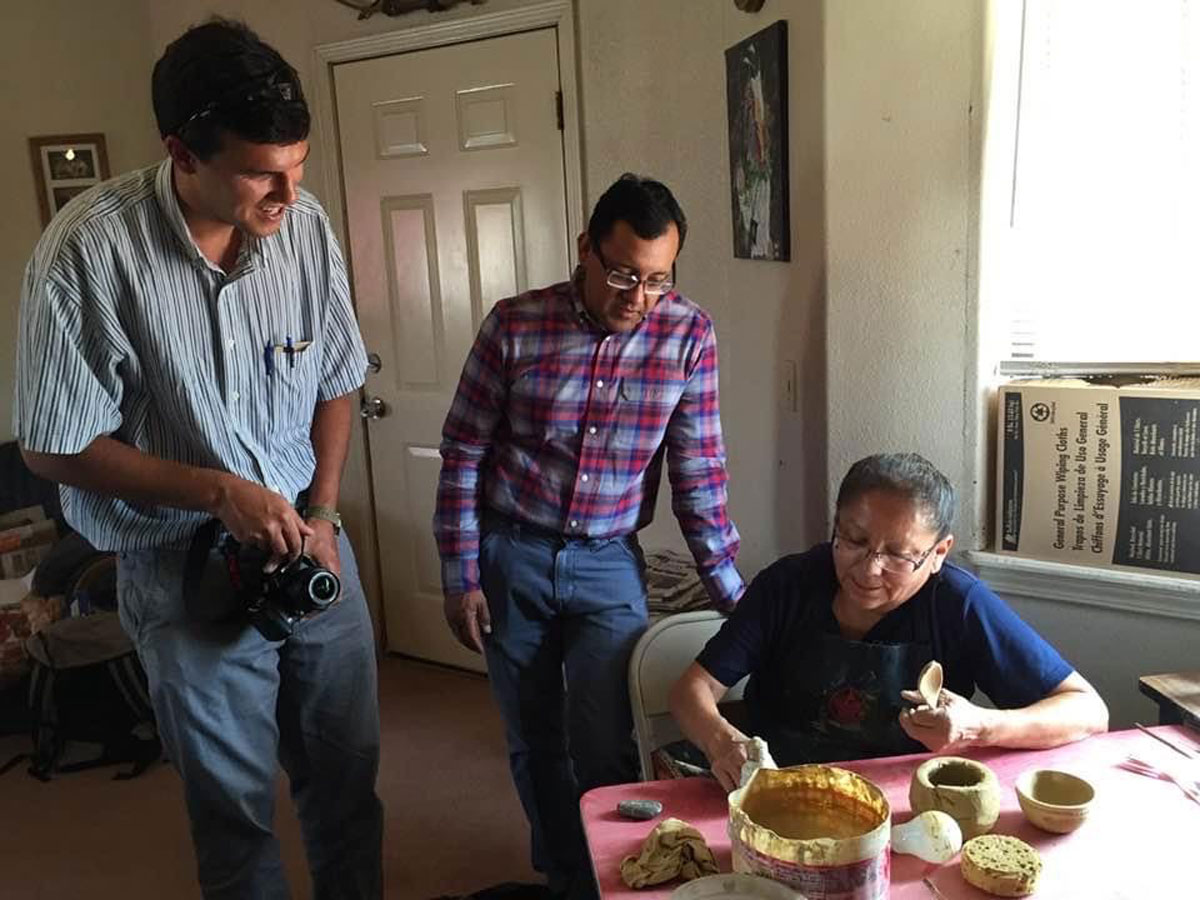
Crafting Clean Water in the Navajo Nation

A collaboration between researchers and a Navajo Nation potter has yielded an effective and culturally appropriate water treatment device.

Posted inNews
Japan’s SLIM Spacecraft Lands on the Moon

The mission hopes to advance space exploration using a lightweight lander and a high-precision landing system.

Posted inNews
The Climate Crisis Briefly Crashes the New Hampshire GOP Primary
Republican candidates repeated earlier promises to expand domestic fossil fuel production and fight programs that promote race- and gender-based equity in schools.

Posted inNews
Spring Heat Waves Pack a Punch for Snowpacks in the Pacific Northwest

New research shows how the snowpack loss due to moderate springtime heat waves outweighed that of a record-shattering summer heat dome.
Posted inNews
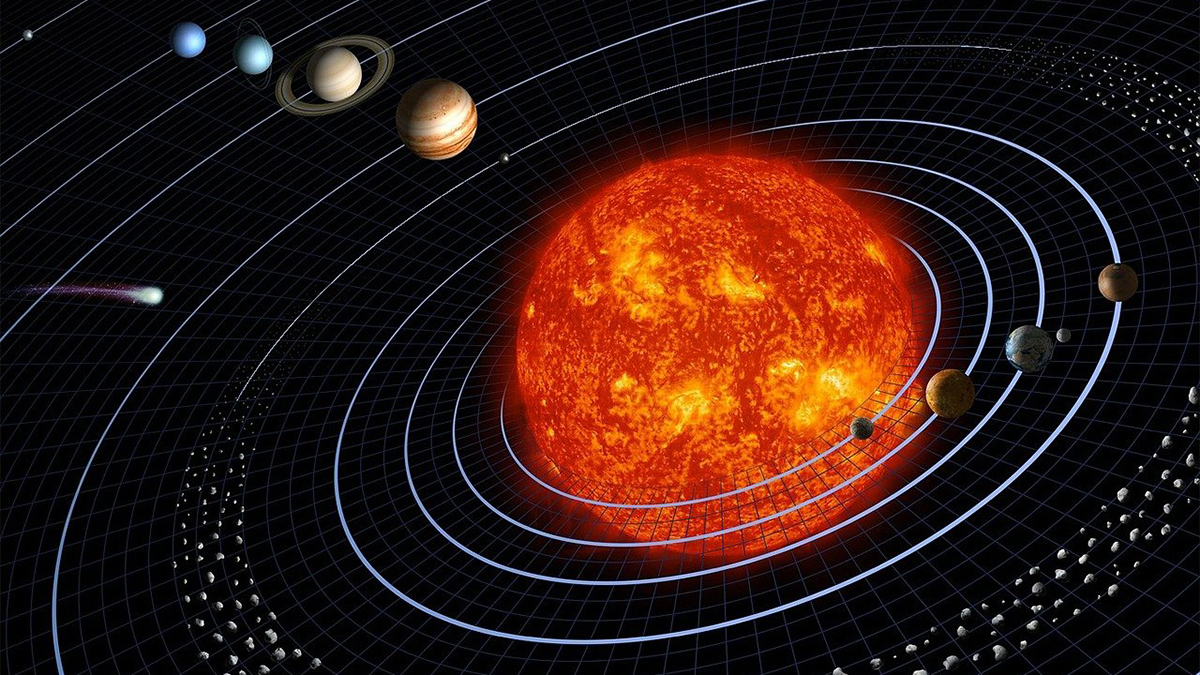
Tales and Textiles Can Communicate the Science of Planets
Artists are working with a scientist and a writer to boost public understanding of the science of planetary interiors.

Posted inNews
Frost Quakes Shake Up Finland’s Wetlands
New research shows frost quakes may happen more frequently in wetland areas and, similar to earthquakes, can cause damage to infrastructure.